

A hiring manager scans two resumes. One candidate has the sharper technical stack. The other has slightly less polish on paper but comes with a track record of calming tense clients, coordinating across departments, and learning quickly when the brief changes on a Thursday afternoon. Increasingly, employers pick the second person. That choice is not sentimental. It is economic.
Soft skills have moved from the margins of hiring language into the center of business performance. Employers still need technical ability, of course, but the practical question inside many interviews has shifted: can this person work with others, communicate under pressure, adapt when tools change, and make sound decisions when no script exists? Those are not decorative traits. They are operating skills.
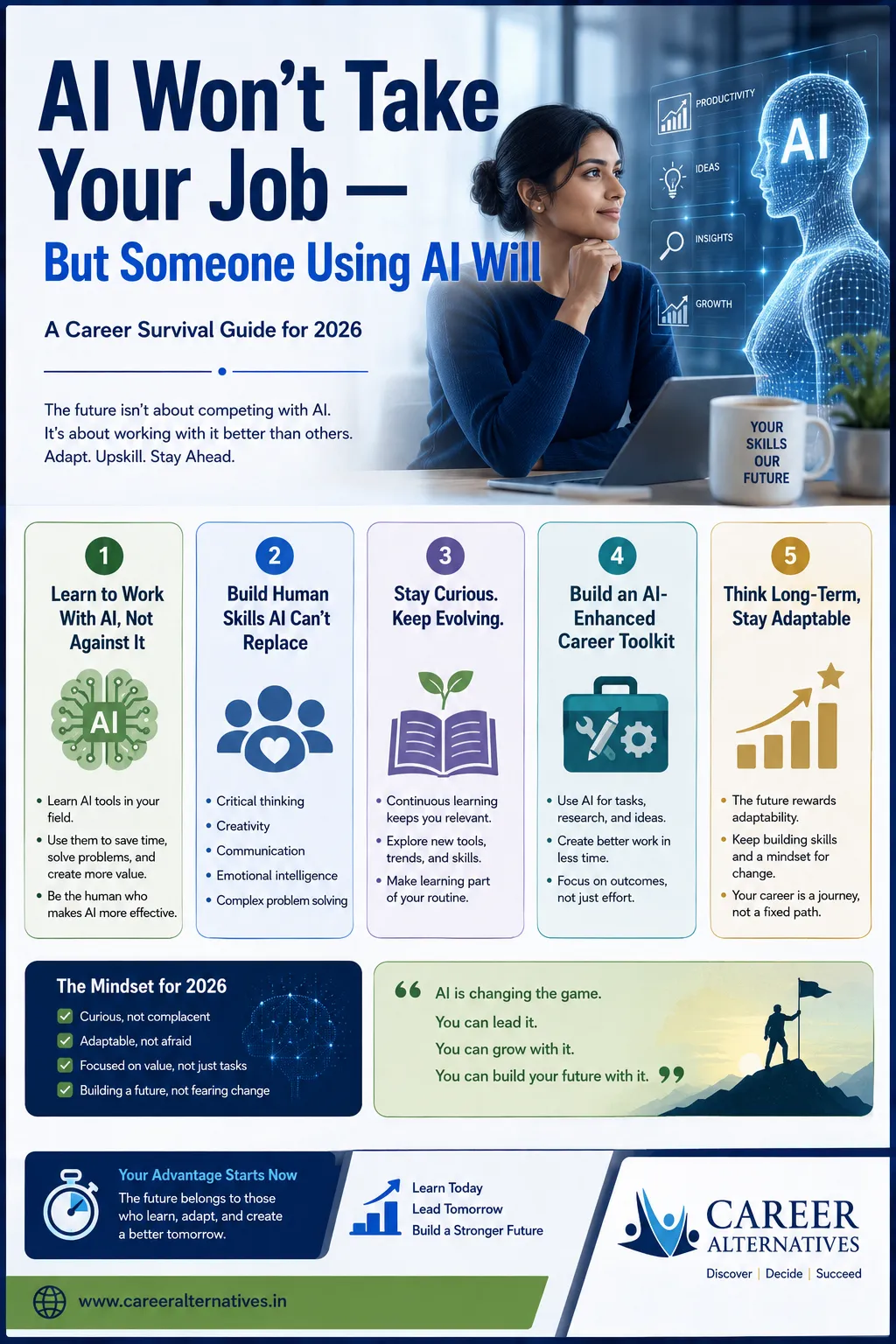
The shift has become more visible as AI tools spread through offices, customer service teams, creative work, logistics, and management. Routine tasks can be automated more easily than judgment, empathy, trust-building, and social coordination. That is one reason a recent Forbes piece on soft skills AI cannot replace argued that human-centered capabilities are becoming more valuable, not less. A separate Forbes report on rapidly changing job skills made a similar point from another angle: workers are being judged not only by what they know now, but by how well they can adjust.
If you are early in your career, changing fields, or trying to move into leadership, this matters. For a useful foundation, WriteUpCafe has already outlined the basics in Beginners Guide to Soft Skills That Employers Value Most and the sharper employer perspective in The Soft Skills Employers Value Most: What Actually Moves the Needle. What follows goes further: which soft skills matter most, why employers are weighting them more heavily in 2026, how they show up in real hiring decisions, and how to build them in ways that are visible and credible.
Soft skills are often treated as personality traits. Employers usually experience them as business outcomes: clearer decisions, fewer conflicts, stronger teams, and better customer retention.
Why soft skills became a hard business priority
For years, employers described soft skills as a bonus. The language has changed because work itself has changed. Teams are flatter, projects move faster, and employees collaborate across functions more often than before. A marketing analyst may need to explain numbers to sales. A software engineer may need to negotiate scope with product managers. A nurse may need to reassure families while coordinating with administrative staff. In each case, technical competence alone is not enough to keep work moving.
Remote and hybrid work accelerated this trend. When people are not in the same room, weak communication becomes more expensive. Misread tone in a message can slow approval cycles. A manager who cannot give clear feedback can lose a team’s trust in a month. Someone who struggles to ask good questions may disappear behind a screen and seem disengaged, even when they are trying hard. Employers have learned this the expensive way.
Hiring data and employer surveys increasingly reflect that lesson. The Dallas Morning News reported in February 2026 on a Fort Worth employer survey suggesting that soft skills could be more in demand than a degree for some roles. That finding lands because it echoes what many recruiters already say privately: credentials may get a candidate into consideration, but interpersonal effectiveness often decides who receives the offer and who advances after six months.
There is also a wage dimension. The Straits Times reported that Singapore companies were dialing back hiring while still willing to pay higher wages for workers who bring AI capabilities and strong soft skills. That combination is revealing. Employers are not choosing between technical and human skills. They are paying premiums for people who can combine both. The worker who can use new tools and still communicate nuance to colleagues is more productive than the worker who can only do one side of the job.
- Automation pressure: routine, repeatable tasks are easier to systematize than empathy, persuasion, and judgment.
- Cross-functional work: more roles require collaboration with people who think, speak, and measure success differently.
- Hybrid communication: clarity, responsiveness, and tone matter more when teams are distributed.
- Customer expectations: service failures are often communication failures before they become revenue losses.
- Leadership pipelines: companies need employees who can influence without formal authority long before they become managers.
That is the deeper story. Soft skills are not suddenly fashionable. They are becoming more measurable in their business impact.
Which soft skills employers value most, and what they really mean
The phrase “soft skills” can sound vague, almost like a catch-all basket for nice behavior. Employers are usually more specific than that. They tend to reward a cluster of capabilities that make organizations more coordinated, resilient, and easier to trust. The names vary by industry, but the pattern is fairly stable.
Communication sits near the top in almost every sector. This is not just public speaking. It includes writing concise updates, asking clarifying questions, tailoring your message to different audiences, and listening well enough to catch what was not said directly. A junior employee who can summarize a problem in three clean sentences saves time for everyone.
Adaptability has also risen sharply. In practical terms, it means staying useful when software changes, priorities shift, budgets tighten, or a manager reorganizes the workflow. Employers are looking for people who can absorb change without spreading panic. That quality became more prized as AI tools entered ordinary workflows and teams had to rethink roles quickly.
Emotional intelligence matters because workplaces are social systems. A person who notices tension early, gives feedback without humiliation, and reads the room before pushing an idea can prevent conflicts that never show up in a dashboard. This skill often overlaps with empathy, self-awareness, and regulation under stress.
Problem-solving is another favorite, though employers rarely mean abstract cleverness. They want people who can define the issue, gather the right context, make a reasonable recommendation, and own the next step. If communication explains the problem, problem-solving moves it forward.
Reliability is less glamorous but deeply valued. Meeting deadlines, following through, being prepared, and telling the truth early when something may slip are all forms of trustworthiness. Plenty of technically strong employees stall their own progress because colleagues do not feel safe depending on them.
- Communication: clarity, listening, audience awareness, concise writing
- Adaptability: learning speed, openness to change, resilience under ambiguity
- Emotional intelligence: empathy, self-control, conflict awareness
- Problem-solving: judgment, initiative, structured thinking
- Collaboration: cooperation, credit-sharing, respect across functions
- Reliability: follow-through, punctuality, honesty about risks
- Leadership potential: influence, accountability, decision-making
If you want a broader overview of why these qualities matter across industries, WriteUpCafe’s Soft Skills That Employers Value Most and Why They Matter offers a helpful companion read. The key distinction is this: employers are not hiring for charm. They are hiring for steady human performance in messy conditions.
The most valued soft skills are not the loudest ones. Employers often remember the colleague who made work easier for everyone else.
How employers actually assess soft skills during hiring
Many candidates still assume soft skills are judged from a vague “culture fit” impression. Some employers do rely too heavily on instinct, and that can introduce bias. But better hiring teams are becoming more structured. They ask behavioral questions, compare examples across candidates, and look for evidence that a person has demonstrated these skills in situations with stakes attached.
A recruiter may ask, “Tell me about a time you had to handle a disagreement with a teammate.” The content of the answer matters less than the shape of it. Did the candidate describe the context clearly? Did they take responsibility for their part? Did they show curiosity about the other person’s perspective? Did the situation improve? Those details help employers infer emotional intelligence, communication, and accountability in one answer.
Work samples are another signal. A case exercise, presentation, or writing task can reveal more than a polished interview. A candidate who structures a recommendation logically, acknowledges uncertainty, and responds calmly to pushback often stands out. The same is true in group interviews. Observers notice who listens, who interrupts, who builds on others’ ideas, and who tries to dominate the room.
References still matter as well, though they are imperfect. Hiring managers often listen for coded language. “Very smart” can sometimes mean difficult to manage. “Independent” can mean collaborative enough to work alone, or it can mean resistant to feedback. A strong reference usually contains specifics about trust, communication, and response to pressure.
Employers also inspect the candidate journey itself. Was the person punctual? Did they answer emails clearly? Did they adapt when the schedule changed? Were they courteous to coordinators, not just senior interviewers? Soft skills are often visible in the smallest moments.
- Behavioral interviews test past actions rather than self-description.
- Case tasks reveal judgment, structure, and response to feedback.
- Group settings expose collaboration habits in real time.
- Reference checks can confirm reliability and interpersonal impact.
- Candidate communication before and after interviews signals professionalism.
This is why generic claims such as “I’m a great communicator” rarely help. Employers trust stories, examples, and patterns more than labels. If you are preparing for interviews, the goal is not to perform a personality. It is to show evidence of how you work with people when outcomes matter.
What changed recently, and why 2026 feels different
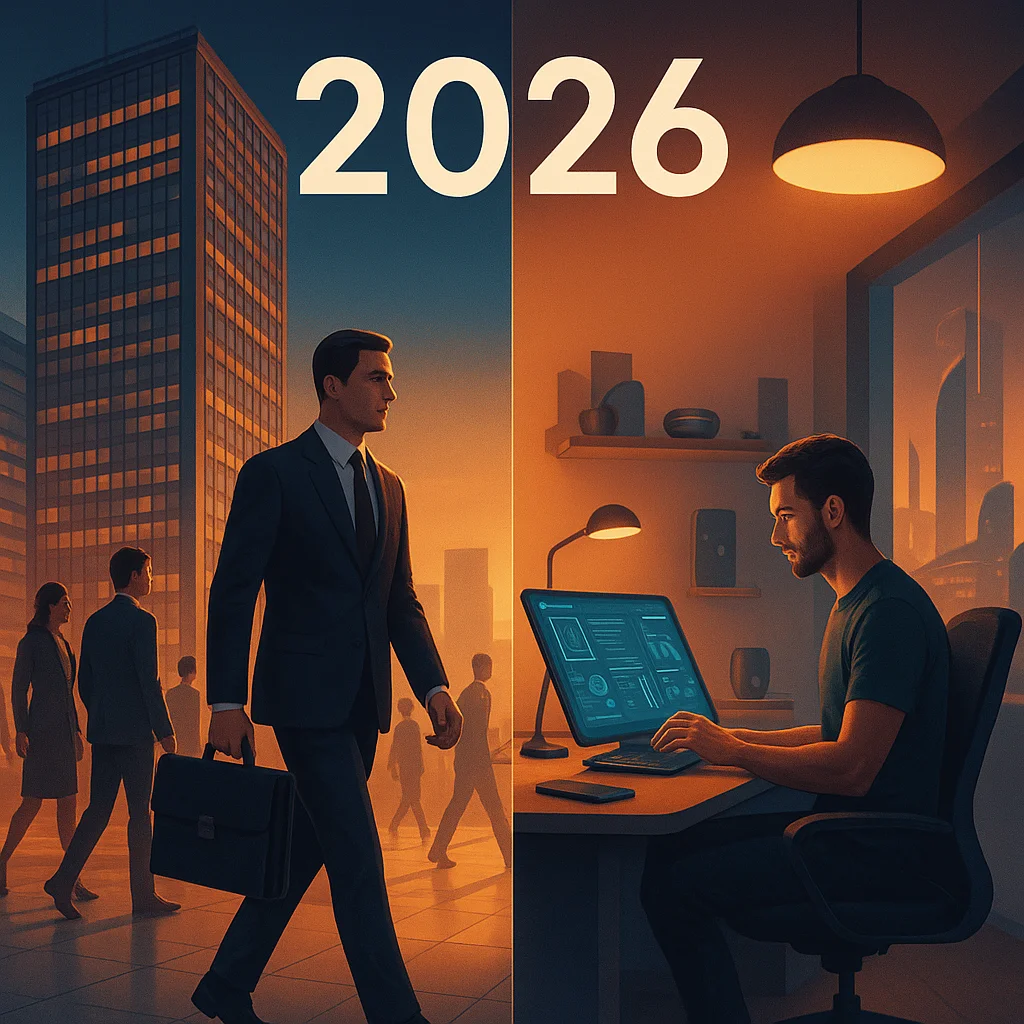
The conversation around soft skills is older than the AI boom, but 2026 has sharpened it. Companies are adjusting to a labor market where some hiring has cooled, budgets are tighter in parts of the economy, and productivity expectations remain high. In that environment, employers become choosier. They want fewer mis-hires, faster ramp-up, and employees who reduce friction rather than add to it.
Recent reporting points in the same direction across regions. The Straits Times described employers in Singapore pulling back on hiring volume while paying more for candidates with AI and soft skills. That pairing matters because it suggests a new premium profile: not simply the most technical applicant, but the one who can use technical tools inside human systems. Someone must explain outputs, challenge weak assumptions, and keep teams aligned when automation changes workflows. That is soft-skill territory.
The Dallas Morning News report on Fort Worth employers added another important layer: some companies are willing to weight soft skills as heavily as, or more heavily than, formal degrees. Not in every field, and not for every regulated profession. But enough to show that credentials alone are losing some of their signaling power. Employers want proof that a person can function well in real workplaces, not just pass through formal education.
Forbes has also framed the issue in explicitly future-proof terms. Its June 2026 article on soft skills AI cannot replace emphasized qualities such as empathy and communication because machines can imitate language without owning responsibility, social trust, or moral judgment. The February 2026 Forbes article on changing job skills pushed a related point: workers need continuous learning habits. Adaptability is no longer a side note. It is part of employability.
Another shift is happening inside performance reviews. Managers are paying closer attention to collaboration quality, especially where teams use AI tools unevenly. The employee who can help others adopt a system calmly, answer basic questions without condescension, and flag risks clearly becomes disproportionately valuable. This is one reason WriteUpCafe’s Soft Skills Employers Value Most in 2026: A Career Development Guide and Advanced Strategies for Soft Skills Employers Value Most in 2026 feel timely: the market is no longer rewarding soft skills as pleasant extras but as stabilizers during change.
That is what feels different now. The demand is broader, more explicit, and tied more directly to wages, promotion prospects, and resilience during technological transition.
Where soft skills make the biggest difference at work
Soft skills matter in every profession, but they create especially visible value in moments of strain. Think of a project that is behind schedule. The technical issue may be solvable. The larger risk is confusion: nobody knows who owns what, people become defensive, and small misunderstandings multiply. A single team member who can clarify priorities, lower the temperature, and keep communication honest may save the project more effectively than the smartest specialist working alone.
Customer-facing roles show this clearly. A support agent with product knowledge but poor listening can escalate frustration. Another agent with the same knowledge, but stronger empathy and better phrasing, can retain the customer even when the answer is not ideal. Sales works similarly. Buyers often remember how well they felt understood. Healthcare, education, hospitality, consulting, and management all run on this principle too.
Leadership is another area where soft skills determine trajectory. Many organizations still promote strong individual contributors into management, then discover that technical excellence does not automatically translate into coaching, delegation, or conflict resolution. A new manager who cannot give feedback kindly and clearly can damage morale quickly. By contrast, someone with moderate experience but strong judgment and communication may become a steadier leader over time.
There is also an inclusion dimension. Teams function better when people feel heard, respected, and safe enough to raise concerns. Emotional intelligence supports that. So does humility. Employers increasingly understand that collaboration quality affects retention. Workers leave jobs for pay, certainly, but they also leave because of poor management, unresolved conflict, or chronic disrespect.
Consider three common workplace scenarios:
- A product launch slips because engineering and marketing interpreted the timeline differently. Strong cross-functional communication prevents the mismatch.
- A client relationship is at risk after a service failure. Empathy and calm problem-solving help preserve revenue.
- A company introduces a new AI workflow. Adaptability and peer support determine whether adoption succeeds or stalls.
These are not abstract benefits. They touch revenue, retention, productivity, and reputation. That is why employers keep returning to the same question: who helps work go smoothly when pressure rises?
How to build soft skills in ways employers can actually see
Soft skills can be learned, but they are not built through slogans. They improve through repeated, observable behaviors. If you want employers to value these abilities, you need two things: genuine practice and visible evidence. Quiet growth is lovely for the soul, but hiring decisions run on proof.
Start with communication. Write shorter emails with clearer subject lines. In meetings, summarize what you heard before offering your own point. Ask one more clarifying question than feels necessary. If you work with customers or colleagues, notice which phrases calm confusion and which ones create it. These are small habits, but they compound.
For adaptability, volunteer for a project that uses an unfamiliar tool or process. Not because novelty is inherently good, but because it teaches you how to learn in public without crumbling. Keep a brief journal of what changed, how you responded, and what you would do faster next time. I am fond of journaling for many things; career growth is one of them. It turns vague self-improvement into evidence.
Emotional intelligence grows through reflection and feedback. After a difficult interaction, ask yourself what the other person may have needed, what you assumed too quickly, and what signal you might have missed. If you trust a colleague or mentor, ask for one concrete note on how you come across under pressure. The answer may sting a little. That is often where the useful work begins.
To make these skills legible on a resume or in an interview, describe outcomes rather than traits. Instead of saying “excellent team player,” say you coordinated three departments to deliver a client proposal ahead of deadline. Instead of “strong communicator,” say you redesigned weekly updates so senior stakeholders could make decisions faster. Specifics travel further.
- Practice concise written communication in email, chat, and project updates.
- Seek assignments that require collaboration outside your usual team.
- Ask for feedback on how you handle stress, disagreement, and ambiguity.
- Track examples where your communication changed an outcome.
- Translate soft skills into business language: time saved, conflict reduced, trust built, customers retained.
If you are early in your career, this may feel unfair. How do you prove these things without a long work history? Use examples from internships, volunteer roles, student teams, freelance work, or part-time jobs. Employers know soft skills appear everywhere. A café shift can teach conflict management. A group assignment can reveal leadership. A family business can teach reliability. The key is to explain the moment with honesty and structure.
Do not wait until you have a management title to practice soft skills. Most of them are built in ordinary interactions long before anyone calls you a leader.
The future belongs to people who pair human judgment with technical fluency
The strongest career position now is not technical skill versus soft skill. It is the blend. Employers want analysts who can explain numbers, designers who can absorb feedback, managers who can use AI tools without outsourcing their judgment, and specialists who can collaborate without drama. The old split between “hard” and “soft” is becoming less useful because modern work rewards combinations.
That has implications for education, hiring, and self-development. Degrees still matter in many fields. Certifications still matter. Technical depth still matters. But more organizations are asking a second question just as seriously: can this person make good use of their knowledge around other human beings? Can they build trust, recover from mistakes, and learn continuously? Those are durable career advantages because they remain valuable even as tools change.
There is also a quiet comfort in this. Many workers feel anxious about automation, and not without reason. Yet one of the clearest signals from employers in 2026 is that deeply human strengths still carry economic weight. Empathy, judgment, tact, self-awareness, and reliable communication are not old-fashioned. They are part of what keeps organizations humane and functional.
If you are deciding where to focus next, choose one soft skill that would make your current work easier for other people. Not more impressive. Easier. Maybe that is clearer writing. Maybe it is better listening. Maybe it is learning to stay calm when plans change at the last minute. Start there, practice deliberately, and collect examples. Over time, employers notice the people who reduce friction and increase trust. They are often the ones who keep getting called back.
Careers are built in skills, yes, but also in relationships, reputation, and the feeling colleagues have after working with you. That part is softer in language only. In practice, it is sturdy. Be gentle with yourself while you build it.





























Sign in to leave a comment.