

Why Soft Skills Still Matter More Than You Think
If you think your shiny degree or tech certifications will automatically land you the job, think again. Employers in 2026 are sharply pivoting toward what you bring to the table beyond your resume’s bullet points. The cold, hard truth? Technical skills can get you the interview, but soft skills often seal the deal—or wreck it. A recent Fort Worth employer survey highlighted by the Dallas Morning News found that more than 70% of hiring managers weigh interpersonal and communication skills above formal education credentials.
Picture this: a freshly minted software engineer joins a startup, great coding chops. But when it comes to collaborating with the product team or explaining technical constraints to non-technical stakeholders, the walls go up. The project stalls, frustrations mount, and the once-promising hire is suddenly perceived as a bottleneck. This scenario is far from rare.
Soft skills are the invisible architecture supporting the entire workforce. They’re the difference between an employee who merely executes tasks and one who elevates the company culture and drives innovation. This guide will unpack the essential soft skills beginners must cultivate to thrive in today’s workplace, backed by data and expert insights.
"Soft skills are no longer optional; they're the foundation of employability and career longevity," says Dr. Emily Chen, a workforce development specialist at the Center for Talent Innovation.
The Evolution of Soft Skills: From Nice-to-Have to Must-Have
Soft skills have always been vaguely defined, often relegated to the “touchy-feely” corner of hiring criteria. But the landscape shifted dramatically as automation and AI began replacing routine, technical tasks. According to McKinsey’s 2025 Workforce Report, 40% of job activities are now automated or augmented by AI, pushing the premium on uniquely human skills.
Employers once prioritized hard skills like programming languages, data analysis, or machinery operation—skills you could quantify, test, and certify. But as machines take over repetitive tasks, the nuanced human traits—communication, adaptability, emotional intelligence—have become the differentiators.
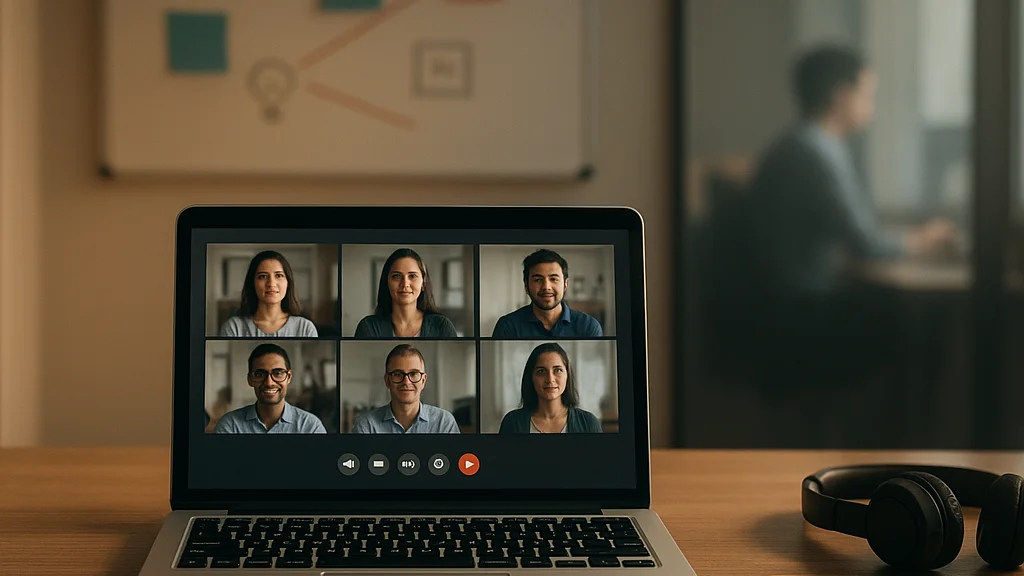
Moreover, the rise of remote and hybrid work models post-pandemic has spotlighted communication and self-management skills. Teams spread across different time zones can't rely on water cooler chats or quick clarifications. According to a 2026 LinkedIn survey, 78% of remote workers said clear communication was their biggest challenge, directly impacting productivity.
In this context, soft skills have evolved from vague attributes to measurable competencies. Companies now invest heavily in training programs focused on leadership, empathy, and conflict resolution. It’s a far cry from the days when your ability to "get along" was a footnote on your performance review.
“The future of work demands that employees can navigate complexity with emotional intelligence and resilience,” says Sarah Jamison, Chief HR Officer at TechSphere Global.
The Soft Skills Employers Value Most: A Data-Driven Breakdown
If you want to build a career that lasts, knowing which soft skills are prized can save you from wasting effort on irrelevant qualities. The MSN report identifies the top 15 soft skills employers seek, but let's distill this into the most critical for beginners entering the workforce.
- Communication: Clear, concise, and tailored communication tops the list. This includes listening actively and adapting your message to different audiences.
- Collaboration and Teamwork: The ability to work effectively with diverse personalities and disciplines.
- Adaptability: Flexibility in the face of change, especially in fast-paced or uncertain environments.
- Problem-Solving: Critical thinking combined with creativity to tackle unexpected challenges.
- Emotional Intelligence: Recognizing and managing your own emotions while empathizing with others.
These five are non-negotiable. A survey by the National Association of Colleges and Employers (NACE) in 2026 found that 85% of employers rated communication as the most important skill in new hires, followed closely by teamwork at 81%. Meanwhile, adaptability surged in importance due to shifting market conditions and evolving technology.
It’s also worth noting the rising emphasis on cultural competence and diversity awareness. As workplaces become more global and inclusive, employers want employees who can navigate and respect a spectrum of backgrounds and perspectives.
For beginners, mastering these skills can be daunting, but awareness is the first step. The good news? Unlike technical skills, soft skills improve dramatically through intentional practice and real-world experience.
Current Developments in 2026: Soft Skills Training and Assessment Innovations
The year 2026 has seen a surge in technology-driven methods to assess and develop soft skills, reflecting their newfound prominence. Traditional interviews are increasingly supplemented by AI-powered behavioral assessments that analyze speech patterns, emotional cues, and problem-solving approaches.
Companies like HireVue and Pymetrics are leading this charge, offering platforms that simulate real work scenarios to evaluate candidates' interpersonal and cognitive skills. This approach moves beyond self-reported traits, providing objective data to hiring managers.
On the training side, gamification and virtual reality (VR) are transforming soft skills development. VR simulations allow employees to practice conflict resolution, leadership, or customer service in immersive, low-risk settings. For example, Walmart has rolled out VR training modules that reportedly improved employee empathy and decision-making by 30% within six months.
Organizations are also integrating soft skills into continuous professional development, rather than treating them as a one-off onboarding checklist. This aligns with findings in our detailed WriteUpCafe career development guide that emphasize ongoing growth for sustainable career progression.
Furthermore, diversity, equity, and inclusion (DEI) initiatives have amplified the need for cultural intelligence and conflict management skills, making them central to corporate training agendas in 2026.
Expert Perspectives and Industry Impact
Industry leaders agree that soft skills are the linchpin of workforce effectiveness. Take Amazon’s former VP of HR, who recently stated that "the biggest gaps in our teams are often not technical, but in communication and collaboration." This sentiment echoes across sectors from healthcare to finance.
Experts argue that soft skills impact every level of an organization, from entry-level employees to executives. They facilitate innovation by fostering open dialogue and inclusive decision-making. Moreover, strong soft skills reduce costly conflicts, improve customer interactions, and enhance employee retention.
For beginners, the challenge is prioritizing these skills amid a crowded skill-building agenda. Career coaches recommend a targeted approach:
- Start with self-awareness exercises to identify personal strengths and weaknesses.
- Seek feedback from peers and mentors to understand how you’re perceived.
- Engage in group projects or volunteer work to hone teamwork and communication.
These steps align with insights from WriteUpCafe’s advanced strategies piece, which stresses deliberate practice and reflection.
"Soft skills are the hidden curriculum of professional success," notes career strategist Mark Eben. "They require intentional cultivation, not just passive hope."
Future Outlook: What Beginners Should Watch and Act On
Looking ahead, the importance of soft skills in hiring and career development will only intensify. As AI handles more technical tasks, human elements like creativity, empathy, and leadership become irreplaceable. Future workplaces will prize employees who can navigate ambiguity, connect across cultures, and continuously learn.
Beginners should focus on three actionable takeaways to future-proof their careers:
- Invest in Emotional Intelligence: Practicing mindfulness and empathy can improve workplace relationships and leadership potential.
- Embrace Lifelong Learning: Soft skills evolve; seek workshops, online courses, and real-world challenges to stay sharp.
- Build a Feedback Loop: Regularly solicit and act on feedback to accelerate growth in communication and collaboration.
Employers are also expected to increase transparency around soft skills expectations, integrating them into performance metrics and career pathways. This shift means beginners should document and showcase their progress in these areas just as rigorously as technical achievements.
Ultimately, soft skills are not a mysterious, innate gift but a set of competencies accessible to anyone willing to put in the effort. The sooner beginners recognize this, the faster they’ll transition from novice hires to indispensable professionals.
"The best career investment you can make is in your ability to connect, adapt, and lead," concludes Dr. Chen. "That’s the real currency of the modern workplace."





























Sign in to leave a comment.