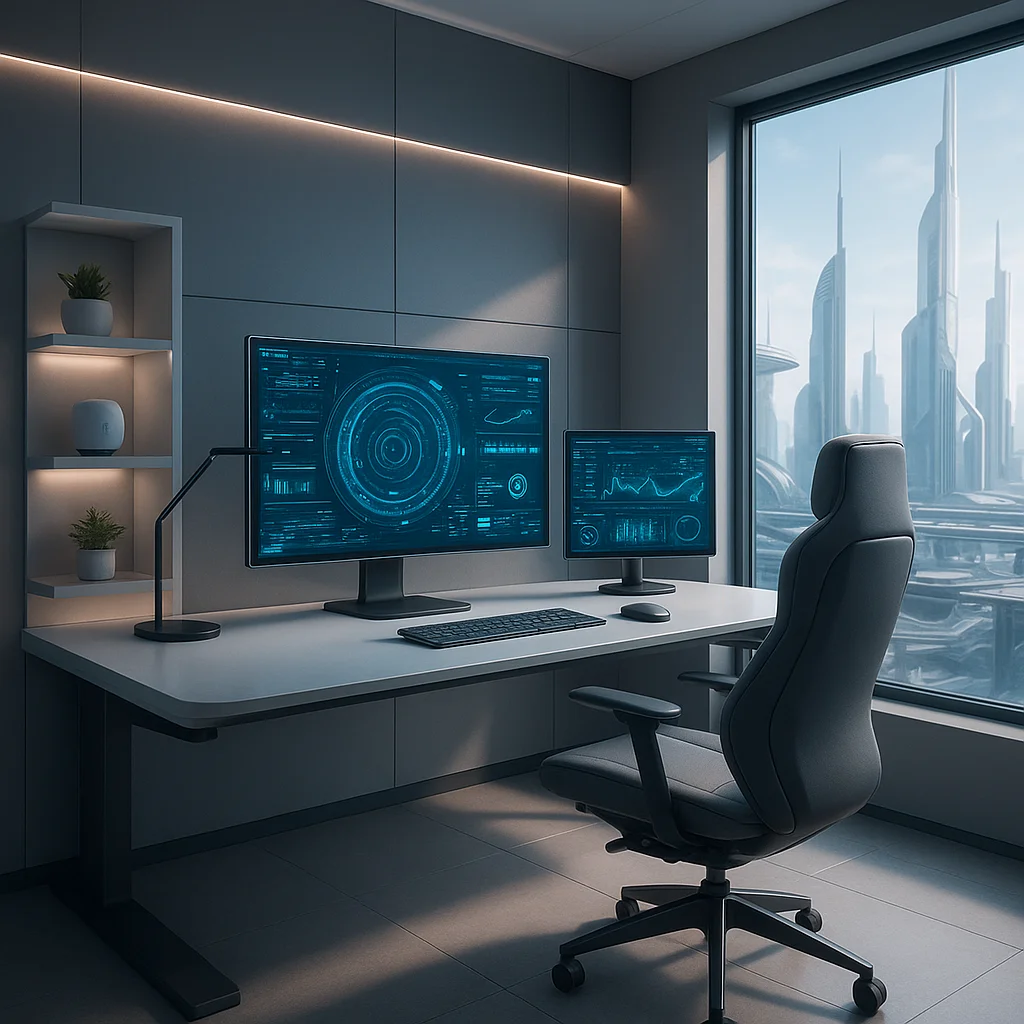

A Reality Check: Why Most Home Offices Fail at Productivity
Before selling you on the shiny, ergonomic chairs and noise-canceling headphones, let’s get a few uncomfortable truths out of the way. The majority of home offices today are productivity black holes. According to a 2025 Gallup poll, nearly 42% of remote workers reported feeling less productive at home, citing distractions, poor setups, and lack of structure as primary culprits. Even with all the remote work infrastructure built since the pandemic, many setups still fall flat.
Three glaring problems plague home office productivity:
- Poor spatial design: Cramped, cluttered, or multi-purpose spaces rarely foster focused work.
- Inadequate technology integration: Juggling outdated or incompatible devices kills workflow momentum.
- Psychological disconnect: Working from home blurs boundaries, leading to burnout or procrastination.
That’s the bad news. The good news? In 2026, the toolkit and strategies to fix these issues have never been more robust or accessible. But they require more than just slapping a desk in the corner. A productive home office demands a holistic approach combining environment, tech, routine, and psychological design.
“A productive home office is less about gadgets and more about intentional design that respects human cognitive and ergonomic needs.” — Dr. Helena Marks, Cognitive Ergonomics Specialist
Before we get to the how-to, it’s crucial to understand the origins of this shift and what’s actually changed in 2026.
From Makeshift to Masterpiece: The Evolution of Home Offices
Home offices didn’t suddenly become a thing in 2020, but the pandemic accelerated their ubiquity and exposed their weaknesses. Early on, most setups were reactive—kitchen tables, couch corners, or bedroom nooks doubled as workspaces. The result was a patchwork of environments, often lacking ergonomic or productivity considerations.
As remote work became permanent for many companies, the market responded with a flood of new products and services—from sit-stand desks to AI-powered task managers. Yet, the problem persisted: better tools don’t guarantee better use. By 2023, research from Stanford indicated that while remote work boosted flexibility, it also increased instances of distraction and work-home boundary erosion.
Fast forward to 2026, and we see a paradigm shift informed by three key developments:
- Neuroergonomics: Integration of cognitive science into workspace design to optimize mental flow and reduce fatigue.
- Smart environments: IoT-enabled offices that adapt lighting, temperature, and noise levels based on individual preferences and task requirements.
- Hybrid routine frameworks: Structured yet flexible schedules designed to maintain boundary clarity and peak productivity.
These trends have redefined the modern home office from a simple workstation to a dynamic productivity ecosystem.
Breaking Down the Blueprint: Core Elements of a Productive Home Office
Designing a productive home office in 2026 is about more than comfort or aesthetics. It’s an intersection of space psychology, technology efficiency, and personal workflow optimization. Here’s a breakdown of the must-haves, backed by recent data and expert consensus.
1. Spatial Psychology and Environment
The physical environment shapes cognitive performance more than many realize. A 2025 study published in the Journal of Environmental Psychology found that natural light increases productivity by up to 15%, while cluttered spaces decrease focus by nearly 20%. The takeaway? Prioritize:
- Dedicated space: Separate your work area from leisure zones to reinforce mental boundaries.
- Natural elements: Incorporate plants and windows with daylight to boost mood.
- Ergonomics: Adjustable chairs, desks, and monitor stands to reduce physical strain.
2. Tech Integration and Workflow Tools
Technology must be an enabler, not a distraction. Seamless integration of devices and software is non-negotiable. Experts highlight the importance of:
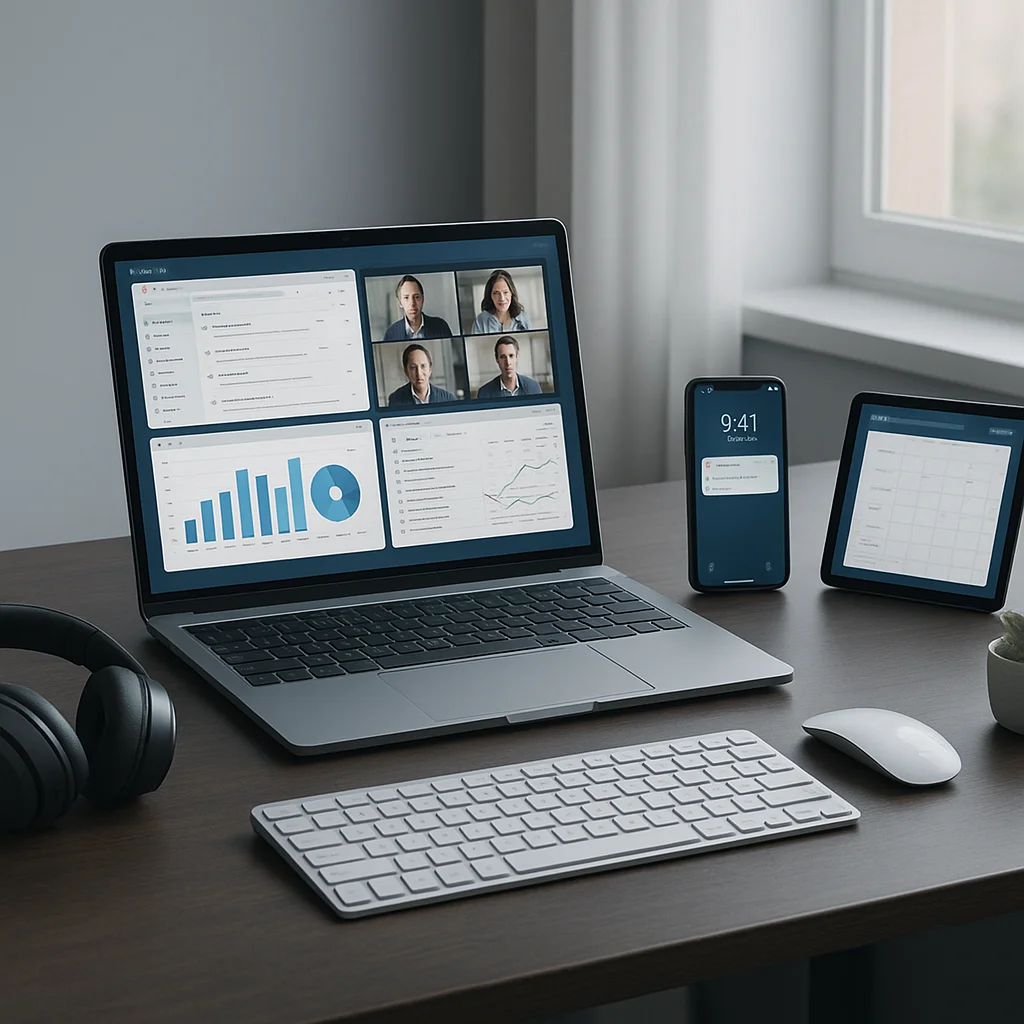
- Unified communication platforms: Tools like Slack or Microsoft Teams, optimized with asynchronous communication best practices to minimize context switching (WriteUpCafe guide).
- High-speed, reliable internet: Fiber connections or 5G home hubs to prevent frustrating delays.
- Noise management: Active noise-canceling headphones paired with white noise machines or smart soundscapes.
3. Psychological Structure and Routine
Without a boss hovering, self-discipline is king. The most productive remote workers in 2026 report strict routines that blend flexibility with accountability. This includes:
- Scheduled breaks: Time-blocked intervals to prevent burnout.
- Defined work hours: Clear start and end times to maintain work-life balance.
- Goal setting: Daily and weekly targets tracked with digital planners or analog methods.
“Your home office is a stage for your mind. Without deliberate routines, it becomes a trap of distraction and fatigue.” — Lucas Lewis, remote work analyst
2026 Innovations: What’s New and What Actually Works
The last three years have seen the introduction of several home office innovations, but only some have proven their worth. Here’s what’s making waves in 2026:
Adaptive Smart Furniture
Furniture manufacturers now embed sensors that adjust desk height, chair firmness, and even posture reminders based on biometric feedback. Herman Miller’s latest line, for instance, uses AI to learn your preferred positions and nudges you to move when you’ve been sedentary too long.
AI-Powered Environmental Controls
Smart home office hubs integrate with IoT devices to regulate lighting, temperature, and sound dynamically. For example, Philips Hue lighting systems synced with circadian rhythms enhance alertness during morning hours and wind down in the evening.
Virtual Reality Collaboration Spaces
While still niche, VR offices are gaining traction as they replicate in-person collaboration more authentically than video calls. Companies like Spatial and Meta have refined platforms that host immersive meetings, reducing Zoom fatigue and increasing engagement.
Ergonomic Wearables
Wearables that monitor posture and provide haptic feedback are emerging as essential tools. The Upright Go 3, released in late 2025, has been praised for reducing back pain and improving sitting habits among remote workers.
Despite these advances, the core principle remains: technology only enhances productivity when paired with intentional design and disciplined habits. For a deeper dive into common pitfalls with remote work tools, check out this insightful analysis on WriteUpCafe.
Case Studies: Real-World Home Office Transformations
Nothing beats practical examples. Here are two illustrative cases from 2025 that underscore the impact of advanced home office strategies.
Case Study 1: Tech Startup CTO in San Francisco
Sarah, CTO of a mid-sized AI startup, transformed her cramped apartment corner into a multi-zone productivity hub. Key changes included:
- Installing a sit-stand desk with ergonomic chair.
- Setting up IoT-enabled lighting and temperature controls.
- Using noise-canceling headphones paired with a white noise machine.
- Adopting a strict schedule with Pomodoro technique and daily goal planning.
Within three months, Sarah reported a 30% increase in focus and a significant drop in end-of-day exhaustion, according to internal productivity tracking.
Case Study 2: Freelance Graphic Designer in Berlin
Mark’s small apartment was a nightmare for focus until he created a dedicated office room by repurposing his guest bedroom. He invested in:
- Ergonomic furniture with posture tracking wearables.
- High-speed fiber internet and upgraded computing equipment.
- Regularly scheduled breaks and digital detox hours.
The result? His client turnaround times improved by 20%, and he experienced fewer headaches and back pain. Mark’s story is a testament to how targeted investment in environment and routine pays dividends.
“Investing in your home office is investing in your professional future. The returns are measurable in both output and wellbeing.” — Industry consultant, Anne-Marie Lin
Looking Ahead: What to Watch in Home Office Productivity
The trajectory for home office productivity in 2026 and beyond is clear: integration, personalization, and sustainability will dominate. Here’s what professionals should keep an eye on:
- AI-driven workspace customization: Expect more adaptive environments that learn and evolve with your habits.
- Mental health integration: Tools that monitor stress and suggest interventions will become standard.
- Sustainable design: Eco-friendly materials and energy-efficient equipment will gain priority as environmental concerns rise.
- Hybrid work dynamics: Balancing in-office and remote days will necessitate flexible, portable office setups.
Ultimately, the biggest mistake is assuming a productive home office is a one-time setup. It requires continuous iteration as technology improves and personal needs shift. For ongoing success, stay informed and adaptable.
For more comprehensive strategies, you might enjoy our detailed guide on building a productive home office in 2026 that complements today’s insights.



























Sign in to leave a comment.