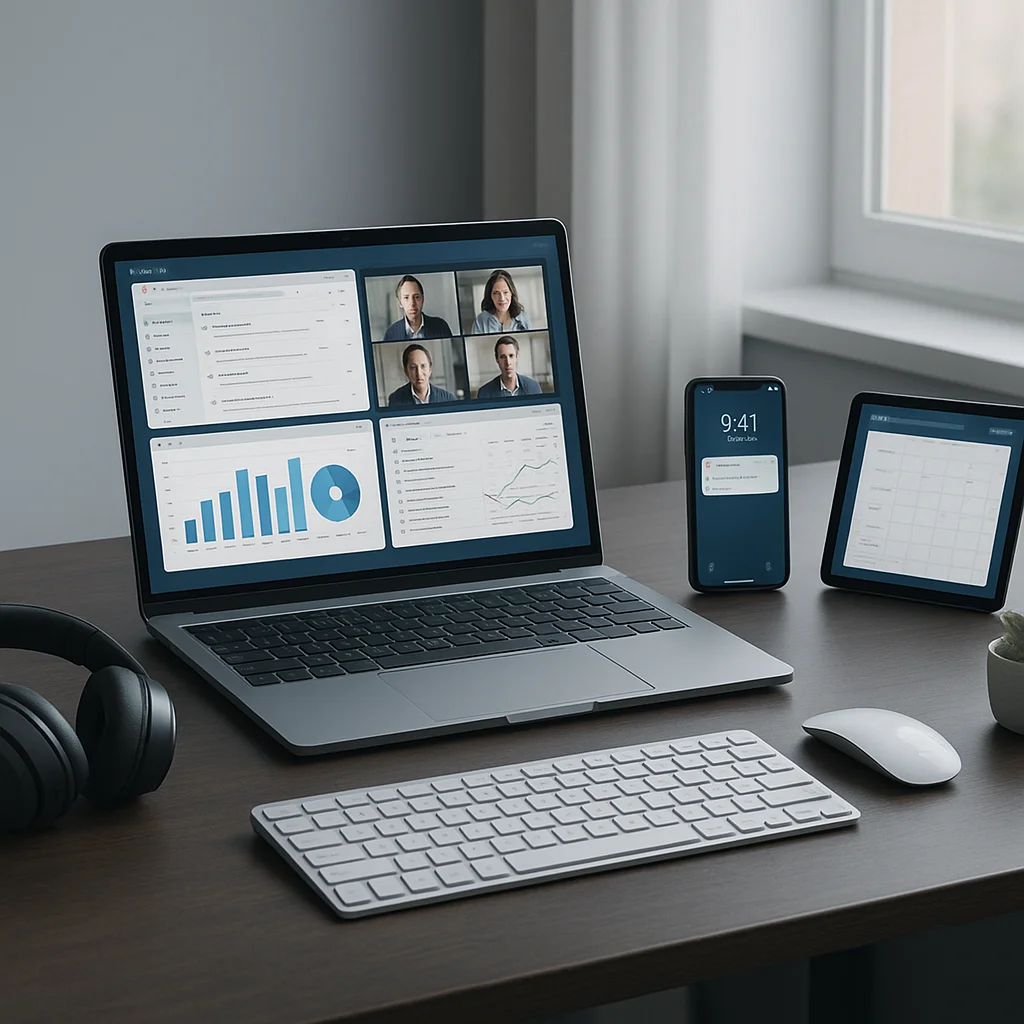

Reimagining Workspaces: The Remote Revolution in Action
Imagine a bustling San Francisco startup where team members brainstorm via virtual whiteboards from different corners of the world, while project updates flow seamlessly through instant messaging apps. This vignette is no longer the future but the present reality for millions. Remote work, once a niche option, has transformed into a dominant work style, driven by evolving technology and shifting workplace preferences. In fact, a 2026 Gallup poll reports that nearly 58% of U.S. employees now spend the majority of their workweek remotely, underscoring the critical need for robust remote work tools and software.
Yet, the transition hasn’t been frictionless. Early adopters grappled with connectivity issues, fragmented communication, and productivity dips. Today, thanks to rapid innovations and greater digital literacy, remote work tools have matured into comprehensive solutions designed to empower distributed teams. The stakes are high: organizations that leverage the right technological stack report up to 30% higher employee engagement and 25% improvement in project completion rates, according to recent studies from Forbes.
The remote work ecosystem encompasses a vast array of tools—from communication platforms and task management apps to secure remote access software. But how do professionals navigate this crowded landscape to build an effective digital workplace? This article seeks to illuminate the top remote work tools and software that are shaping productivity and collaboration in 2026.
"The right tools are not just a convenience but a necessity to unlock distributed teams’ full potential," says technology strategist Elena Morales in a Forbes interview.
Tracing the Evolution: How Remote Work Tools Arrived Here
Remote work has roots stretching back decades, but it was the convergence of broadband internet, cloud computing, and mobile devices that catalyzed its mainstream adoption. Early solutions were fragmented—email, basic chat apps, and VPNs offered limited collaboration capability. The pandemic acceleration in 2020 forced organizations to rapidly upgrade their digital infrastructure, leading to an explosion of remote work platforms.
Since then, the industry has witnessed significant innovation. Cloud-native applications like Slack and Zoom revolutionized communication, while project management tools such as Asana and Trello introduced agile workflows accessible from anywhere. Security concerns birthed sophisticated remote access software like TeamViewer and BeyondTrust, ensuring data protection without compromising user experience.
By 2025, integration became the watchword. Platforms began offering seamless interoperability—enabling teams to switch between chat, video, task tracking, and file sharing without friction. According to hcamag.com, organizations recognized that effective remote work policies had to be paired with comprehensive tech stacks to support diverse workstyles and ensure inclusivity.
Asynchronous communication tools gained prominence, helping teams manage different time zones without sacrificing responsiveness. AI enhancements started automating routine tasks and generating insights, further refining productivity. The groundwork laid over the past six years brings us to a sophisticated, user-centric remote work toolkit in 2026.
Core Tools Powering Remote Work in 2026: Features and Comparisons
At the heart of a productive remote work environment lies a carefully curated set of tools that address communication, collaboration, project management, and security. Let’s break down the essential categories and leading platforms shaping the landscape today.
Communication and Collaboration
Effective communication is the lifeblood of remote teams. The top contenders include:
- Slack: Continues to dominate with its channel-based messaging, rich integrations, and workflow automation. Slack’s recent AI-driven features enhance message summarization and task extraction.
- Microsoft Teams: Offers a hybrid approach combining chat, video calls, and deep integration with Microsoft 365 apps. Its enterprise-grade security appeals to large organizations.
- Zoom: Remains the video conferencing leader, now with immersive meeting modes and real-time translation features improving global collaboration.
Project and Task Management
The ability to track progress visually and transparently is crucial. Popular tools include:
- Asana: Offers advanced timeline views, automation rules, and goal tracking, making it ideal for complex projects.
- Trello: Known for its simplicity and Kanban boards, now enhanced with AI suggestions and calendar integrations.
- ClickUp: Combines task management with document collaboration and time tracking, appealing to startups and SMEs.
Remote Access and Security
Protecting sensitive information while enabling flexible access is non-negotiable. Leading solutions are:
- TeamViewer: Provides seamless remote desktop access with multi-factor authentication and end-to-end encryption.
- BeyondTrust: Focuses on privileged access management, crucial for IT teams managing critical infrastructure.
- AnyDesk: Lightweight, fast remote access software popular among freelancers and small businesses.
According to TechTimes, these solutions have integrated AI threat detection and adaptive access controls, reflecting the heightened cybersecurity demands of remote environments.
"Security and usability must co-exist for remote work tools to be truly effective," remarks cybersecurity expert Dr. Naveen Patel.
2026 Updates: Emerging Trends and New Entrants Transforming Remote Work
The remote work tools landscape is far from static. Recent developments highlight a push towards more intelligent, inclusive, and integrated platforms.
Unified Work Hubs: Tools like Notion and Coda have evolved into all-in-one work hubs, blending documents, databases, and communication under one roof. This reduces app-switching fatigue and centralizes knowledge management.
AI-Powered Productivity Assistants: Virtual assistants embedded within platforms now proactively suggest meeting agendas, automate meeting notes, and prioritize tasks. These features help combat remote work’s cognitive overload.
Enhanced Asynchronous Features: Video messaging apps such as Loom and asynchronous discussion boards have gained traction, accommodating global teams spread across time zones. These tools complement live meetings and reduce burnout.
Virtual Reality Collaboration: Though still in early stages, VR platforms like Spatial are experimenting with immersive meeting environments, offering new ways for teams to connect remotely.
These innovations align with insights from Forbes, which emphasizes that employee engagement and tool adaptability will drive the next wave of remote work success.
Expert Perspectives: What Industry Leaders Are Saying
Technology executives and HR leaders agree that the future of work is hybrid but heavily reliant on remote work tools that foster connection and accountability. Sarah Kim, Chief Technology Officer at a Silicon Valley AI startup, notes that "the best remote work tools are those that anticipate user needs and reduce friction in workflows."
HR experts emphasize the importance of inclusive tools that support diverse work styles, mental health, and ergonomics. According to a recent interview with WriteUpCafe’s analysis, failing to consider user experience often leads to low adoption and wasted investments.
Moreover, leaders highlight integration as a key success factor. Solutions that connect with existing systems and allow customization empower teams rather than confine them within rigid platforms.
"Adapting remote work tools to your unique culture and processes is more important than chasing the latest shiny app," advises workplace consultant Michael Jiang.
Looking Ahead: What Remote Work Tools Will Define Tomorrow?
As we move further into 2026 and beyond, several trends stand out for remote work technology:
- Deeper AI Integration: Expect AI to move beyond assistance into predictive analytics, helping managers optimize team workloads and foresee project risks.
- Holistic Well-being Features: Tools will incorporate mental health check-ins, ergonomic reminders, and social engagement games to combat remote isolation.
- Cross-Platform Fluidity: Seamless transitions between mobile, desktop, and emerging VR/AR environments will become standard.
- Decentralized Collaboration: Blockchain-based platforms may offer secure, transparent workflows for sensitive projects.
- Customization and Modularity: Users will demand highly customizable toolkits tailored to their workflows, integrating niche apps with mainstream platforms.
For professionals aiming to thrive remotely, staying informed and adaptable is crucial. The Beginner’s Guide to Best Remote Work Tools and Software and Asynchronous Communication Best Practices for Remote Work on WriteUpCafe offer excellent primers for building a robust digital workspace.
Ultimately, the best remote work tools are those that empower individuals to deliver their best work—wherever they are—while fostering meaningful collaboration and maintaining security. As the late Steve Jobs famously said, "Innovation distinguishes between a leader and a follower." The remote work revolution is no exception.





























Sign in to leave a comment.