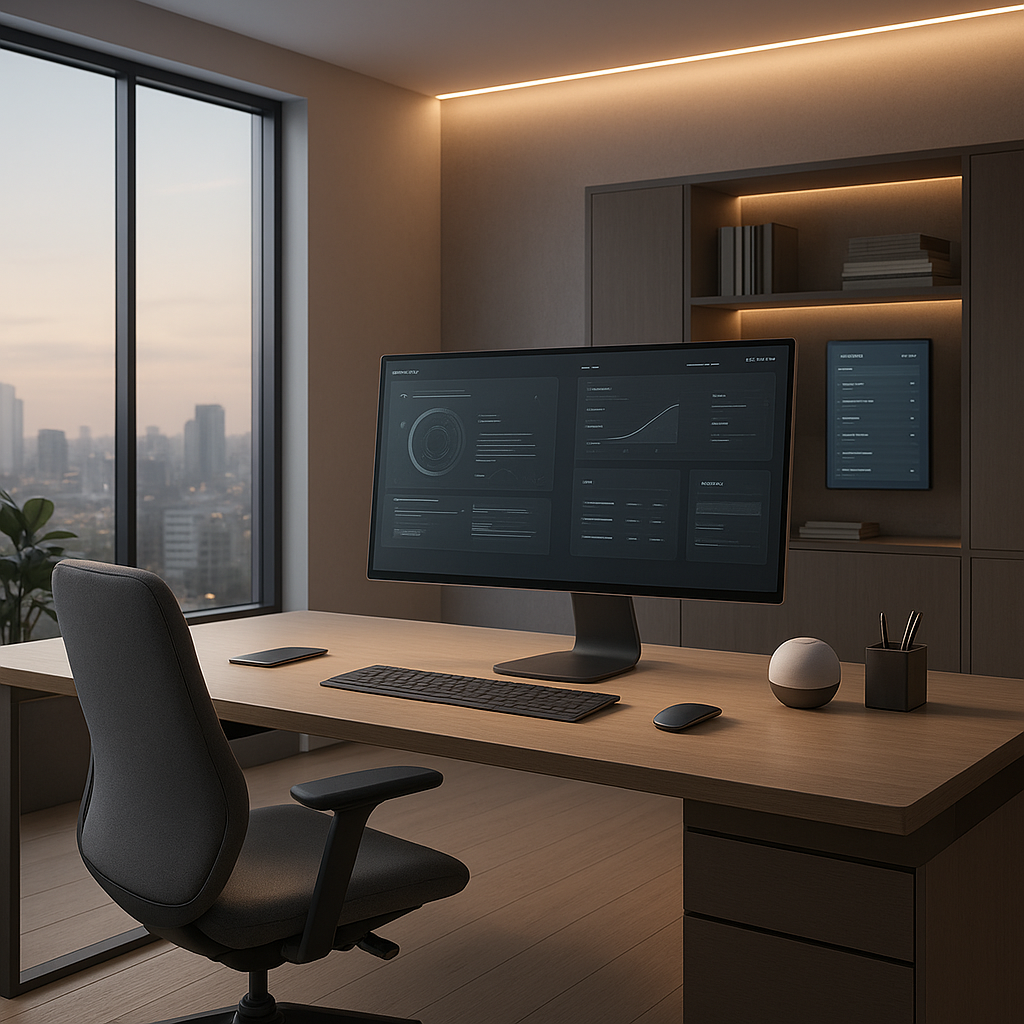

Transforming Remote Work: The Rise of the Home Office in 2026
Imagine a quiet morning in April 2026. Millions of professionals across the globe are already seated at their desks at home, ready to tackle the day’s challenges. The home office, once a novelty, has become a centerpiece of modern work life. According to a 2025 Gallup report, over 58% of the U.S. workforce continues to work remotely at least part-time, a figure stable after the post-pandemic surge. This shift has led to a surge in demand for effective home workspaces designed not just for comfort but for maximum productivity.
The home office is no longer an afterthought or a makeshift corner; it is now a strategic asset. For many, the question is no longer "Can I work from home?" but "How can I optimize my home office for peak performance?" This article aims to provide a comprehensive guide rooted in the latest data, expert insights, and innovative trends of 2026 to help remote workers and hybrid employees build a genuinely productive home office.
The Evolution of Home Offices: From Spare Rooms to Productivity Powerhouses
The concept of a home office has evolved dramatically over the past two decades. In the early 2000s, working from home was predominantly limited to freelancers or niche tech jobs, often improvised in living rooms or bedrooms. The COVID-19 pandemic of 2020 accelerated this trend, pushing companies worldwide toward remote models and forcing workers to adapt quickly.
By 2026, technology, design, and workplace psychology have converged to redefine what a home office means. The proliferation of high-speed internet, cloud computing, and collaboration tools like Microsoft Teams and Slack made remote work feasible and efficient. Meanwhile, ergonomic furniture, smart lighting, and noise-cancellation technologies address physical and mental well-being, crucial to sustained productivity.
Moreover, cultural shifts emphasize work-life balance and mental health, encouraging thoughtful workspace design. This background sets the stage for a nuanced approach to building a home office that supports focus, creativity, and well-being.
Key Components of a Productive Home Office: Data-Driven Insights
Building a productive home office requires more than just a desk and chair. Research conducted by the Harvard Business Review in early 2026 identified five core elements that significantly influence remote work productivity:
- Ergonomics: Proper seating, desk height, and monitor positioning reduce physical fatigue and musculoskeletal issues.
- Lighting: Natural light boosts mood and alertness, while adjustable artificial lighting supports varied tasks.
- Technology Infrastructure: Reliable internet, adequate hardware, and secure software are non-negotiable.
- Noise Control: Soundproofing, white noise machines, or noise-canceling headphones minimize distractions.
- Personalization and Organization: A clutter-free, personalized space enhances motivation and reduces cognitive load.
To illustrate, a Microsoft study from 2025 reported that employees with ergonomic setups and sufficient natural light experienced a 15% increase in daily task completion rates versus those lacking these features. Meanwhile, a survey by the Remote Work Association found that 42% of respondents cited poor internet connectivity as their biggest productivity barrier.
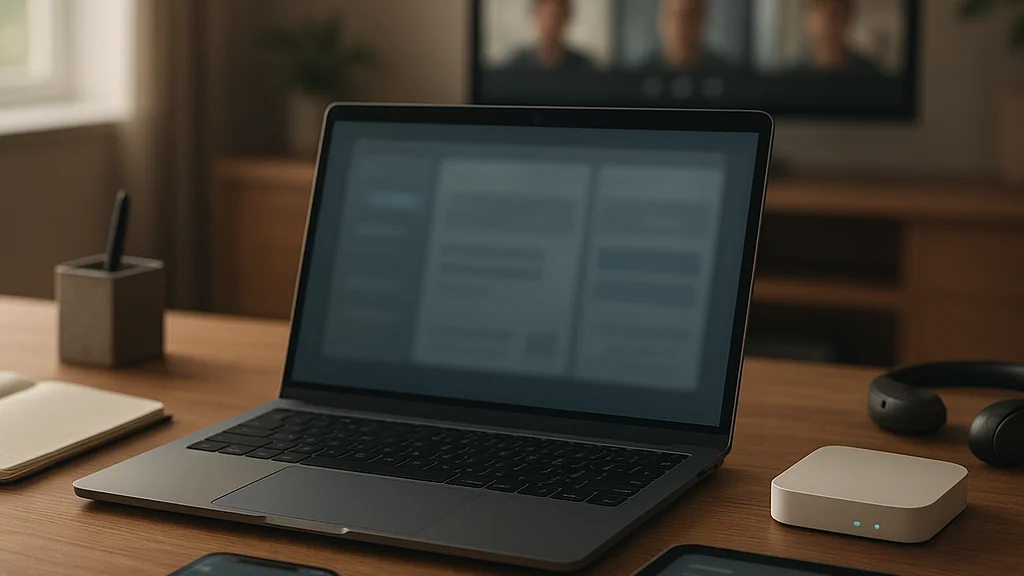
Below is a checklist for an optimized home office setup based on these findings:
- Ergonomic adjustable chair and desk
- Dual monitors or large high-resolution screens
- Desk positioned near a window for natural light
- High-speed fiber-optic internet connection (minimum 300 Mbps)
- Noise-cancelling headphones or soundproofing solutions
- Organizational tools like cable management and filing systems
- Plants or artwork for personalization
2026 Innovations Shaping Home Office Productivity
Technology continues to redefine the home office landscape with innovations tailored to remote work challenges. In 2026, smart home office ecosystems integrate AI, IoT, and adaptive environments to optimize comfort and efficiency.
Smart desks now automatically adjust height based on user posture tracked by embedded sensors, reducing strain during long work sessions. AI-driven lighting systems mimic natural circadian rhythms, adjusting color temperature and intensity to maintain energy levels and reduce eye strain. Voice-activated virtual assistants handle scheduling, reminders, and information retrieval, streamlining workflow.
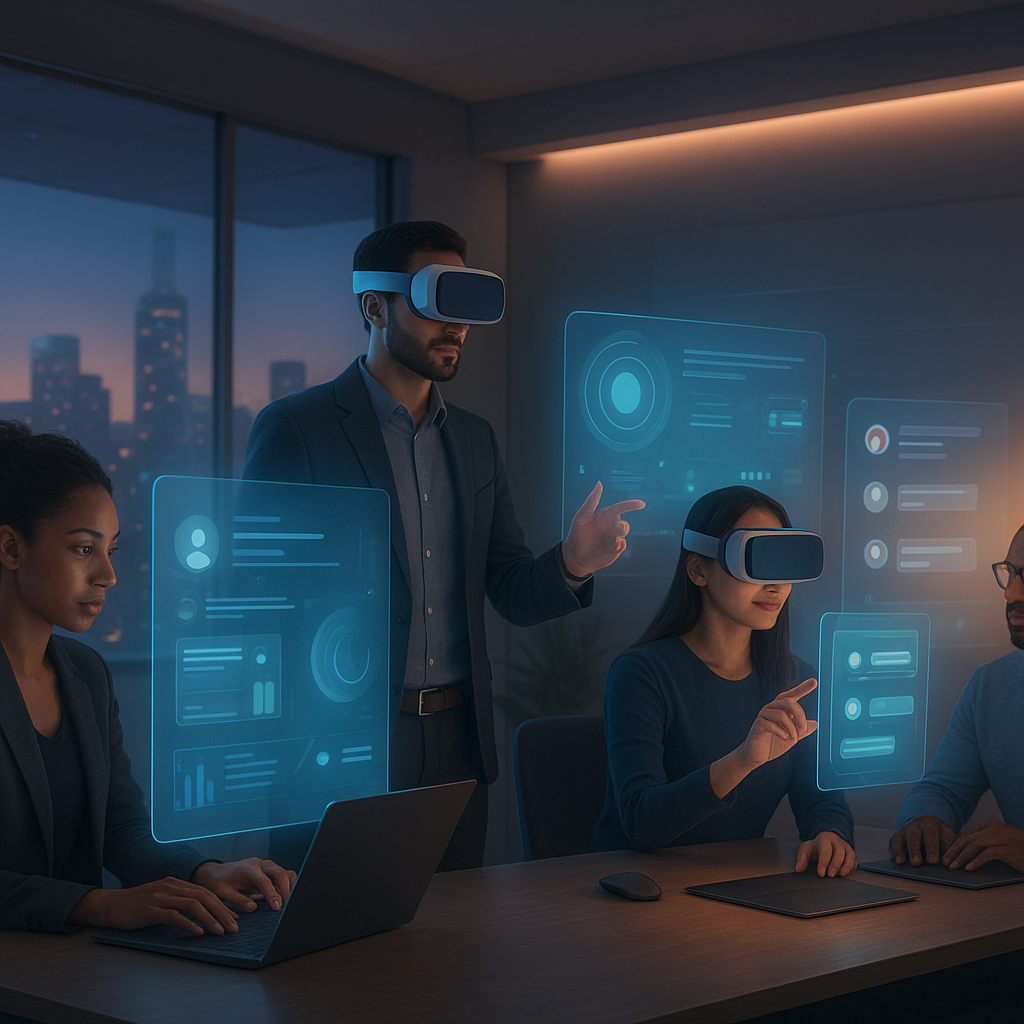
On the software front, collaboration platforms have evolved to incorporate virtual reality (VR) meeting spaces, enabling immersive teamwork that rivals in-person interaction. According to a 2026 Gartner report, VR-enabled meetings have increased engagement by 22% compared to traditional video calls.
Security remains paramount, with biometric authentication and end-to-end encryption becoming standard in home office setups, safeguarding sensitive corporate data beyond traditional office walls.
These developments underscore a future where home offices are not only comfortable and productive but also intelligent and secure environments.
Expert Perspectives on Designing Sustainable Home Workspaces
Experts across workplace design, psychology, and technology emphasize a holistic approach to home office productivity. Dr. Emily Chen, a leading workplace psychologist, explains,
"A productive home office balances functional ergonomics with psychological comfort. Personalization that reflects individual identity can significantly boost motivation and reduce stress."
Meanwhile, James Rodriguez, a renowned ergonomic consultant, advocates for dynamic work environments:
"Static postures are detrimental. Incorporating sit-stand desks and encouraging movement breaks are vital for long-term health and productivity."
From a technological standpoint, IT specialist Anika Patel highlights the importance of reliable infrastructure:
"Investing in robust tech solutions prevents disruptions that can derail productivity. Regular updates and cybersecurity protocols are essential in home setups."
These insights collectively point to a multidisciplinary method for home office design, blending physical comfort, mental well-being, and technological robustness.
Actionable Strategies and Future Outlook for Home Office Productivity
Remote work is firmly entrenched in the global economy. To stay ahead, workers and organizations must continuously refine home office environments. Here are key actionable strategies for 2026 and beyond:
- Invest in Ergonomic and Adaptive Furniture: Prioritize adjustable desks and chairs tailored to individual needs.
- Enhance Lighting and Air Quality: Use natural light where possible, complemented by smart lighting and air purifiers to maintain focus and health.
- Upgrade Technology and Connectivity: Ensure high-speed internet and secure, up-to-date devices.
- Implement Noise Management: Create quiet zones or use technology to reduce auditory distractions.
- Personalize and Organize: Incorporate elements that reflect personality and maintain clutter-free organization.
Additionally, cultivating disciplined routines and boundaries between work and personal life remains critical, as discussed in our guide on avoiding burnout. Meanwhile, businesses can support employees by offering stipends or guidance on home office setup, a trend highlighted by corporate policies in 2026.
Looking forward, emerging technologies like augmented reality (AR) and AI-driven productivity analytics will further transform home offices. Continuous adaptation and investment in these areas will define the most successful remote workforces.
For those interested in workspace solutions beyond home offices, exploring managed versus furnished office spaces can provide insights into hybrid models blending home and professional environments.
Case Study: How Tech Giant X Enhanced Employee Productivity Through Home Office Redesign
In late 2025, Tech Giant X launched a comprehensive home office enhancement program for its 10,000 remote employees. The initiative included ergonomic equipment provision, installation of high-speed internet where needed, and virtual consultation with workplace design experts.
Within six months, internal surveys revealed a 20% increase in self-reported productivity and a 30% reduction in work-related discomfort. Employees also reported higher satisfaction and better work-life balance.
The company’s CTO remarked,
"Investing in our employees’ home offices was a strategic move that paid dividends in engagement and output. It’s a blueprint for the future of work."
This program’s success underscores the critical role of employer support in creating productive home work environments, aligning with broader trends seen globally.
Summary Checklist: Building Your Productive Home Office in 2026
- Choose a dedicated, quiet workspace with good natural light
- Invest in ergonomic furniture and adjustable desks
- Secure high-speed, reliable internet and up-to-date technology
- Incorporate noise reduction tools like headphones or soundproofing
- Use smart lighting and air quality systems to enhance comfort
- Personalize your space with plants, art, or meaningful objects
- Maintain organization and clutter control
- Schedule regular breaks and vary postures throughout the day
Building a productive home office is a dynamic process that combines technology, ergonomics, and personal preferences. Staying informed about evolving trends and adopting a proactive approach will empower remote workers to thrive in 2026 and beyond.
For additional insights on managing workspace choices and optimizing productivity, see our related articles on managed office spaces and avoiding burnout.
According to MSN’s recent article on home office efficiency, simple changes such as decluttering and proper lighting can increase productivity by up to 25%. Similarly, the Hindustan Times highlights the psychological benefits of incorporating plants and maintaining visual order in the workspace, reinforcing the multifaceted nature of productivity.





























Sign in to leave a comment.