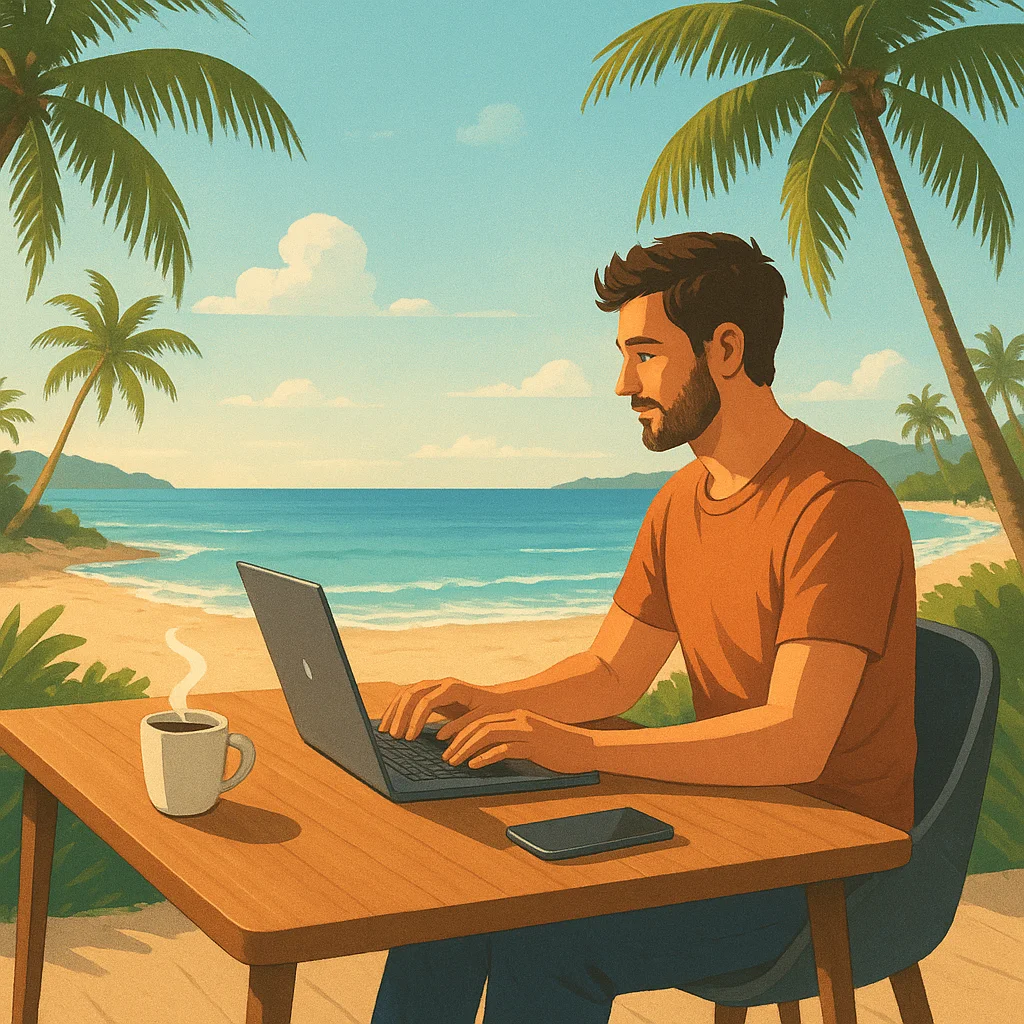

Is the Digital Nomad Dream Really What It Seems?
Picture this: a sunlit café in Lisbon, you’re typing away on your laptop, a cappuccino steaming beside you, the ocean breeze teasing your hair. Sounds like a dream, right? That’s the postcard-perfect image of the digital nomad lifestyle. But is it all that glamorous? According to MSN’s recent exposé on 49 digital nomads, the reality is often more complex. From unstable Wi-Fi to loneliness and visa headaches, the nomad life tests your adaptability and grit daily.
Yet, the allure remains undeniable. The freedom to work from anywhere, to explore new cultures, and to design a life outside the traditional 9-to-5 grind is a siren call for millions worldwide. But how does one take the leap without falling flat? This guide breaks down the essentials for beginners ready to embrace the digital nomad lifestyle in 2026.
"The dream is freedom, but the reality requires structure, resilience, and smart planning." — Sophia Lea Schmidt
From Cubicles to Co-Working Spaces: The Rise of Digital Nomadism
Digital nomadism didn’t just appear overnight. It’s the product of decades of technological advancements, shifting work cultures, and global events reshaping how and where we work. The 2010s saw the first major wave as broadband internet and smartphones became ubiquitous. Remote work slowly gained traction, but it was the COVID-19 pandemic that accelerated this trend exponentially. Suddenly, millions were forced to work from home, proving that location-independent work was not just possible but often more efficient.
By 2025, reports estimated over 50 million people globally identified as digital nomads, according to Statista data. This community spans freelancers, entrepreneurs, corporate remote workers, and creatives — all united by the desire to blend work and travel seamlessly.
Yet, cultural factors also play a role. Countries like Estonia and Portugal introduced digital nomad visas early on, promoting themselves as havens for location-independent workers. Meanwhile, rising living costs in traditional tech hubs pushed many to seek affordable alternatives abroad.
Understanding this evolution helps beginners appreciate that digital nomadism is more than a trend — it’s a fundamental shift in work and lifestyle paradigms.
"Digital nomadism is the intersection of technology, culture, and a quest for autonomy." — Industry analyst, Global Work Trends Report
Key Components of a Successful Digital Nomad Lifestyle
So, what do you *really* need to make this work? It’s not just about booking a flight and packing your laptop. The lifestyle demands a strategic approach covering several core areas.
1. Reliable Remote Work Setup
At the heart of nomadism is your work. Whether you freelance, consult, or hold a remote job, a dependable setup is non-negotiable. This includes:
- High-quality laptop with enough power and battery life
- Global SIM card or portable hotspot for consistent internet access
- Noise-cancelling headphones to focus in noisy environments
- Cloud storage and backup systems to safeguard your work
2. Visa and Legal Know-How
Visa policies can make or break your plans. As per Euronews, approximately 165,000 digital nomads have left the UK recently, driven partly by post-Brexit visa complications. Many are relocating to countries with streamlined digital nomad visas like Mexico, Croatia, and Georgia. Understanding visa durations, tax obligations, and local regulations is essential to avoid legal pitfalls.
3. Financial Planning
Budgeting for a nomadic lifestyle is tricky. Expenses vary widely depending on destination, accommodation, and lifestyle choices. Experts recommend maintaining an emergency fund covering at least six months of expenses and using international banking solutions with low fees.
4. Community and Mental Health
Social isolation is a common challenge. Joining digital nomad communities, attending meetups, and leveraging platforms like Nomad List can help combat loneliness and create valuable professional networks.
5. Productivity and Time Management
Without a fixed office, distractions abound. Tools and strategies to maintain focus are critical. You might enjoy exploring WriteUpCafe’s guide on the best remote work tools for practical recommendations.
2026 Updates: What’s New in the Digital Nomad Scene?
In 2026, the digital nomad landscape is evolving swiftly. Here are some of the key developments shaping the experience this year:
- More Countries Launching Nomad Visas: From the Maldives to South Africa, new destinations are competing to attract nomads by offering flexible long-term stay options and streamlined application processes.
- Rise of Nomad Hubs Beyond the Usual: While Bali and Chiang Mai remain popular, emerging hubs like Medellín, Lisbon, and Tbilisi are gaining attention for their affordability, safety, and infrastructure improvements.
- Hybrid Work Models: Many companies now offer hybrid roles, combining occasional office visits with remote work, which increases nomad flexibility but also requires more coordination.
- Focus on Sustainability: Nomads are more conscious about their environmental impact, choosing eco-friendly accommodations and transportation options.
- Advanced Tech Integration: AI-powered productivity apps and improved global connectivity (5G and satellite internet) are smoothing remote work challenges.
This shifting landscape means beginners must stay informed and adaptable, using resources like WriteUpCafe’s comprehensive lifestyle guide to stay ahead of trends.
Real-World Stories: Lessons From Digital Nomads Who Made It Work
Nothing teaches better than real experience. Let’s look at some inspiring tales that highlight the highs and lows of the nomadic path.
- Anna, 29, Freelance Graphic Designer: After quitting her 9-to-5 in Berlin, Anna traveled through Southeast Asia. She learned the hard way about unreliable Wi-Fi in remote spots but found balance by working from co-working spaces. Networking locally landed her new clients, proving community matters.
- James, 34, Software Developer: James secured a remote role with a US startup. He prioritized legal compliance, applying for the Barbados Welcome Stamp visa. His proactive financial planning helped him avoid tax surprises. James advises future nomads: "Plan your finances and visas before booking flights!"
- Maria, 26, Content Creator: She struggled with loneliness and burnout until she joined a digital nomad retreat in Portugal. Building friendships and sharing experiences restored her mental health and creativity.
These stories underscore that while the nomad lifestyle offers freedom, it demands preparation, flexibility, and self-care.
Looking Ahead: What Digital Nomads Should Watch For
What does the future hold? Experts predict several trends that could redefine digital nomadism in the coming years:
- More Corporate Acceptance: As remote work cements itself, expect more companies to support nomadic employees with tailored benefits and infrastructure.
- Enhanced Virtual Collaboration Tools: Innovations in VR and AR could revolutionize virtual meetings, making remote interactions more immersive.
- Regulatory Harmonization: Pressure is mounting on governments to standardize visa and tax rules to facilitate easier nomad mobility.
- Focus on Well-being: Mental health support and wellness programs for nomads will become mainstream, addressing burnout and isolation.
- Environmental Responsibility: Sustainable travel practices will be key, with digital nomads expected to be advocates for greener lifestyles.
Staying informed and adaptable will be crucial for anyone embracing this lifestyle. For those managing remote teams of digital nomads, you might find value in remote team management strategies that work in today’s dynamic environment.
"Digital nomads are not just workers; they are pioneers shaping the future of work and life." — Futurist Report 2026





















Sign in to leave a comment.