

The experience of visiting a dental clinic has evolved significantly over the years, especially with the integration of advanced technology. Today, a st george dental clinic or any contemporary practice focuses not only on treatment but also on precision, comfort, and efficiency. From digital imaging to minimally invasive procedures, technology is reshaping how dental care is delivered and experienced.
The Shift Towards Digital Dentistry
Modern dental clinics are moving away from traditional methods and embracing digital workflows. This shift improves accuracy and reduces turnaround times for treatments. Digital records, for instance, allow dentists to track patient history seamlessly and make informed decisions quickly.
One of the most noticeable advancements is the use of intraoral scanners. Instead of messy impression materials, dentists can now capture highly accurate 3D images of teeth. These digital impressions are more comfortable for patients and significantly reduce the margin of error.
Enhanced Diagnostics with Advanced Imaging
3D Cone Beam CT Scans
Cone Beam Computed Tomography, often referred to as CBCT, provides a detailed three-dimensional view of the teeth, jaw, and surrounding structures. This technology is especially useful for complex procedures such as dental implants and orthodontic planning. It enables dentists to assess bone density and identify potential issues before treatment begins.
Digital X-rays
Digital X-rays have largely replaced traditional film-based systems. They expose patients to lower levels of radiation and provide instant results. The images can be enhanced and zoomed in, helping dentists detect problems such as cavities, infections, or bone loss at an early stage.
Precision Treatment with Modern Tools
Laser Dentistry
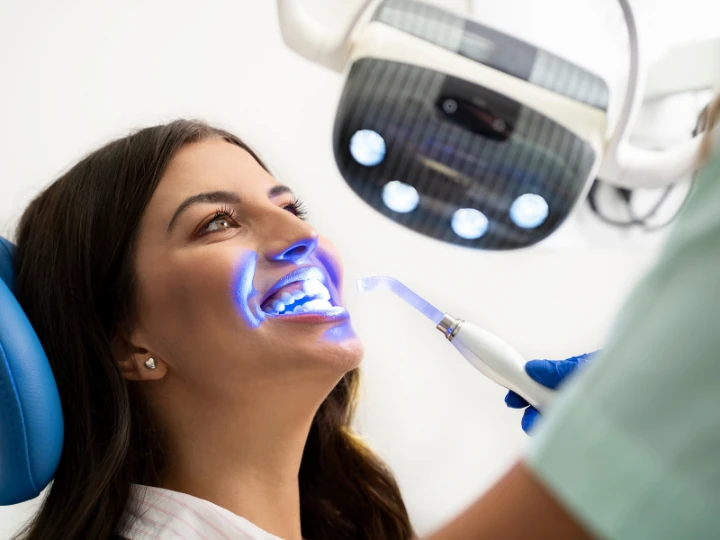
Laser technology has transformed many dental procedures. It allows for precise treatment of soft tissues with minimal discomfort and faster healing times. Lasers are commonly used for gum reshaping, cavity removal, and treating gum disease. Patients often experience less bleeding and reduced need for anaesthesia.
CAD/CAM Technology
Computer-Aided Design and Computer-Aided Manufacturing, known as CAD/CAM, enables dentists to design and create dental restorations like crowns and veneers on the same day. This eliminates the need for multiple visits and temporary restorations. The result is a faster, more convenient experience without compromising on quality.
Improved Patient Comfort and Experience
Technology in dental clinics is not just about clinical outcomes. It also focuses on improving patient comfort and reducing anxiety.
Pain Management Innovations
Modern anaesthetic techniques and delivery systems are designed to minimise discomfort. Some clinics use computer-controlled anaesthesia, which administers the solution slowly and steadily, making the process virtually painless.
Entertainment and Relaxation Options
Many clinics now offer entertainment systems, noise-cancelling headphones, and even virtual reality experiences. These features help distract patients during procedures and create a more relaxed environment.
Streamlined Communication and Treatment Planning
Digital Treatment Planning
Advanced software allows dentists to create detailed treatment plans and share them visually with patients. This helps patients understand their oral health condition and the proposed procedures more clearly. Visual simulations can also show expected outcomes, which builds trust and confidence.
Teledentistry
Teledentistry has become increasingly popular, allowing patients to consult with dentists remotely. It is particularly useful for initial assessments, follow-ups, and minor concerns. This approach saves time and improves accessibility, especially for those with busy schedules.
Infection Control and Safety Enhancements
Modern dental clinics prioritise hygiene and safety through advanced sterilisation techniques. Automated sterilisation units and high-grade disinfectants ensure that all instruments are thoroughly cleaned. Air filtration systems also help maintain a safe clinical environment by reducing airborne contaminants.
Final Thought
Advanced technology has redefined the dental experience, making treatments more precise, efficient, and comfortable than ever before. While the tools and techniques continue to evolve, the goal remains the same: to provide high-quality care tailored to each patient’s needs. As technology advances further, patients can expect even more streamlined and personalised dental care in the future.
FAQs
1. What is digital dentistry?
Digital dentistry refers to the use of computer-based tools and technologies to perform dental procedures with greater accuracy and efficiency.
2. Are digital X-rays safer than traditional X-rays?
Yes, digital X-rays use significantly less radiation and provide instant, clearer images for better diagnosis.
3. How does laser dentistry benefit patients?
Laser dentistry reduces pain, minimises bleeding, and promotes faster healing compared to traditional methods.
4. Can dental crowns really be made in one visit?
With CAD/CAM technology, many clinics can design and create crowns on the same day, eliminating the need for multiple appointments.
5. Is teledentistry reliable for consultations?
Teledentistry is effective for initial consultations and follow-ups, though in-person visits are still necessary for certain treatments.
























Sign in to leave a comment.