

Introduction to Network Attached Storage (NAS) and Its Role in Modern IT Infrastructure
In today's fast-paced digital world, data is the backbone of any enterprise. From storing critical business information to facilitating seamless communication, efficient data management is paramount. This is where Network Attached Storage (NAS) comes into play. NAS systems provide centralized data storage that can be easily accessed by multiple users across a network, making them an indispensable part of modern IT infrastructure.
NAS is not just about storage; it's about ensuring data availability, reliability, and security. With the continuous evolution of technology, NAS solutions have undergone significant advancements, offering enhanced features and capabilities. In this blog post, we'll explore the latest developments in NAS technology for 2024, highlight the importance of NAS security, and examine best practices for securing enterprise NAS systems. We'll also look at emerging trends and technologies in NAS security and present case studies of leading companies implementing secure NAS solutions.
Overview of the Latest Advancements in NAS Technology for 2024
The year 2024 brings exciting advancements in network attached storage technology that promise to revolutionize data storage and management. One of the key developments is the integration of Artificial Intelligence (AI) and Machine Learning (ML) into NAS systems. These technologies enable predictive analytics, allowing NAS devices to anticipate storage needs and optimize performance automatically. This results in improved efficiency and reduced downtime.
Another significant advancement is the adoption of NVMe (Non-Volatile Memory Express) over Fabrics. NVMe offers faster data transfer speeds and lower latency compared to traditional storage protocols. By leveraging NVMe over Fabrics, NAS solutions can deliver high-performance storage suitable for demanding applications such as virtualized environments and big data analytics.
Additionally, NAS systems are becoming more scalable and flexible. With the increasing demand for data storage, businesses require solutions that can grow with their needs. Modern NAS devices offer modular designs that allow for easy expansion without disrupting operations. This scalability ensures that organizations can adapt to evolving storage requirements seamlessly.
The Importance of NAS Security in Protecting Data
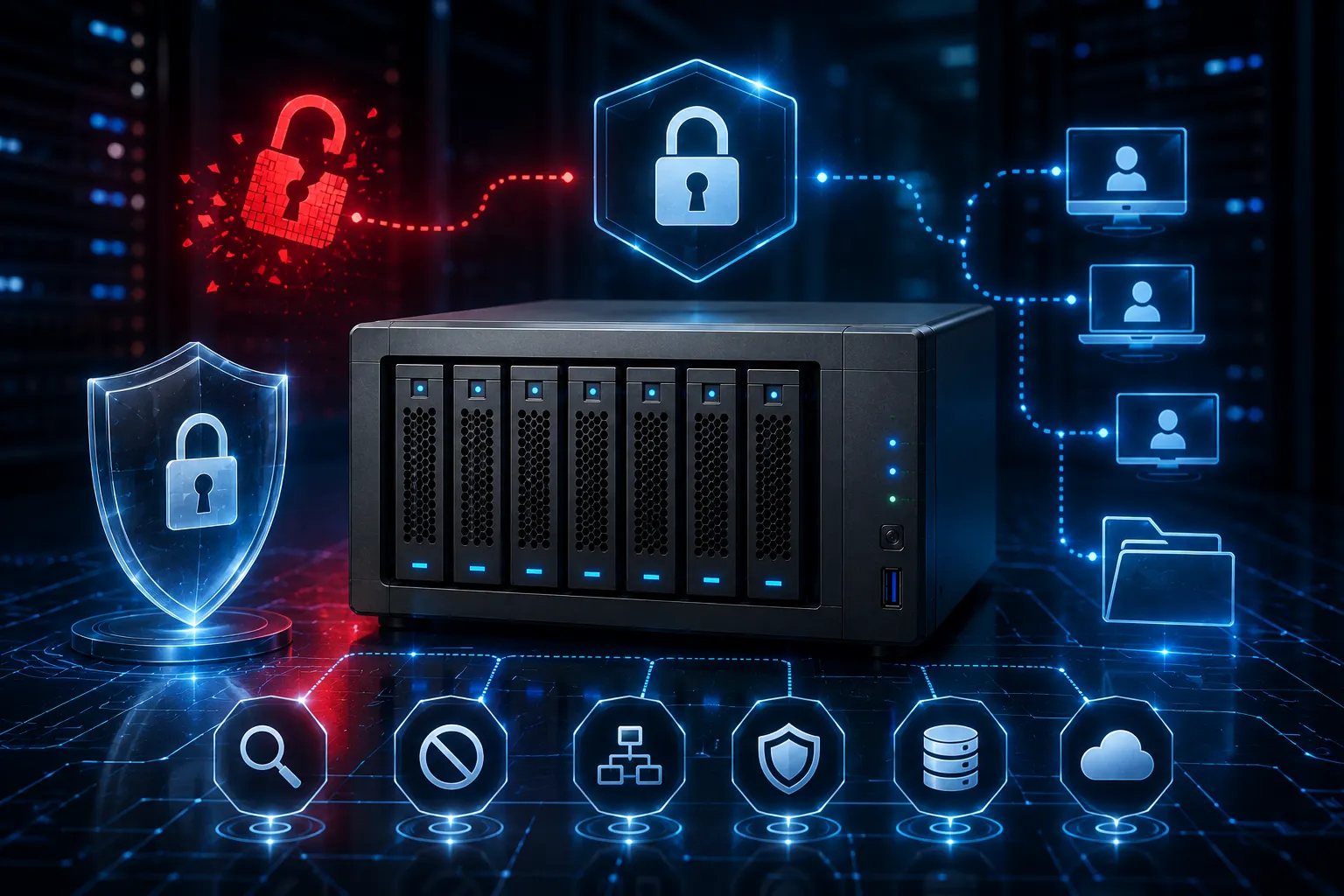
In an era where data breaches and cyber threats are on the rise, NAS security has become a top priority for IT professionals. NAS systems store a vast amount of sensitive information, making them attractive targets for hackers. Ensuring the security of NAS devices is crucial to protect business-critical data and maintain trust with clients and stakeholders.
One of the primary concerns is unauthorized access. Without proper security measures, malicious actors can gain access to NAS systems and compromise data integrity. Implementing strong authentication mechanisms, such as multi-factor authentication (MFA), can significantly reduce the risk of unauthorized access.
Data encryption is another critical aspect of NAS security. Encrypting data both at rest and in transit ensures that even if cybercriminals manage to intercept the data, they cannot read it without the encryption keys. Modern NAS solutions offer robust encryption algorithms that safeguard data from prying eyes.
Regular software updates and patches are essential to address vulnerabilities and protect against emerging threats. NAS vendors continuously release updates to enhance security features and fix known issues. IT professionals must stay vigilant and ensure that their NAS systems are always up-to-date.
Best Practices for Securing Enterprise NAS Systems
Securing enterprise NAS systems requires a multi-faceted approach that combines technology, policies, and user awareness. Here are some best practices to ensure the security of your NAS infrastructure:
Implement Strong Authentication
Strong authentication mechanisms, such as MFA and role-based access control (RBAC), are vital for preventing unauthorized access. MFA adds an extra layer of security by requiring users to provide multiple forms of verification before accessing the NAS system. RBAC ensures that users have access only to the data and resources necessary for their roles, minimizing the risk of insider threats.
Regularly Update and Patch NAS Firmware
Keeping NAS firmware up-to-date is crucial for protecting against known vulnerabilities. NAS vendors regularly release firmware updates that include security patches and feature enhancements. IT professionals should establish a routine for checking and applying updates promptly to maintain a secure NAS environment.
Enable Data Encryption
Encrypting data at rest and in transit is a fundamental security measure. Modern NAS solutions offer built-in encryption features that ensure data remains protected even if it falls into the wrong hands. IT professionals should enable encryption for all sensitive data stored on NAS devices and use secure protocols for data transmission.
Monitor and Audit NAS Activity
Continuous monitoring and auditing of NAS activity help detect suspicious behavior and potential security breaches. Implementing logging and monitoring tools allows IT teams to track access patterns, identify anomalies, and respond to security incidents promptly. Regular audits ensure that security policies are being followed and help identify areas for improvement.
Educate Users on Security Best Practices
Human error is often a weak link in security. Educating users about security best practices, such as recognizing phishing attempts, using strong passwords, and reporting suspicious activity, can significantly enhance NAS security. Regular training sessions and awareness programs help create a security-conscious culture within the organization.
A Look at the Future of NAS Security Emerging Trends and Technologies
The future of NAS security is promising, with several emerging trends and technologies set to enhance data protection further. One such trend is the integration of AI and ML in security protocols. These technologies can analyze vast amounts of data in real-time, identify patterns, and detect anomalies that may indicate a security breach. AI-driven security solutions can provide proactive threat detection and response, reducing the time it takes to mitigate risks.
Another emerging technology is blockchain. Blockchain's decentralized and immutable nature makes it an excellent solution for securing NAS environments. By recording every access and transaction on a blockchain ledger, organizations can ensure data integrity and traceability. This technology can also prevent unauthorized modifications and provide a clear audit trail for compliance purposes.
Zero Trust Architecture (ZTA) is gaining traction as a robust security framework for NAS systems. ZTA operates on the principle of "never trust, always verify," meaning that no user or device, whether inside or outside the network, is trusted by default. Implementing ZTA involves continuous authentication and authorization, ensuring that only legitimate users can access NAS resources.
Case Studies How Leading Companies Are Implementing Secure NAS Solutions
Several leading companies have successfully implemented secure NAS solutions to protect their data and enhance operational efficiency. Let's take a look at a few case studies:
Company A
Company A, a global financial institution, faced challenges in managing and securing its growing data volumes. By implementing a NAS solution with AI-driven security features, the company was able to automate threat detection and response. This resulted in a significant reduction in security incidents and improved compliance with regulatory requirements.
Company B
Company B, a healthcare provider, needed to ensure the confidentiality and integrity of patient data. They adopted a NAS system with advanced encryption and blockchain technology. This approach provided secure data storage and an immutable audit trail, enhancing data protection and regulatory compliance.
Conclusion
Investing in secure NAS solutions is crucial for businesses looking to protect their data, enhance operational efficiency, and maintain a competitive edge. The latest advancements in NAS technology, coupled with robust security measures, provide organizations with the tools they need to safeguard their critical information.
By implementing best practices for securing NAS systems, staying informed about emerging trends, and learning from successful case studies, IT professionals can ensure their organizations are well-equipped to handle the challenges of today's digital landscape.
Don't wait until a security breach occurs—take proactive steps to secure your NAS infrastructure today. Explore the latest NAS solutions, implement robust security measures, and stay ahead of the curve in the rapidly evolving world of data storage and security.
Secure your data, secure your future.























Sign in to leave a comment.