
A single patient socket scan captured on a structured-light or laser scanner can run several hundred megabytes once you include the raw point cloud, the cleaned mesh, and the modified STL sent to the printer. A prosthetics lab producing a few dozen devices a month accumulates terabytes of patient-specific geometry fast, and every one of those files may need to be pulled again years later for an adjustment, a warranty claim, or a replacement device. NAS for prosthetics and orthotics 3D printing labs exists because this data isn't disposable production output — it's a permanent patient record tied to a physical device someone is wearing.
Why Scan Files Outlive the Print Job That Created Them
Orthotics scan data storage has a longer functional life than most manufacturing data because a prosthetic socket or orthotic brace often needs to be revised, resized, or replaced without the patient returning for a full rescan. Clinicians pulling up a two-year-old residual limb scan to compare against current geometry need that file intact and quickly retrievable, not archived on a technician's personal laptop that left the practice eighteen months ago. Treating scan data as a permanent clinical asset rather than a temporary production file changes how a lab should structure its storage from day one.
3D Printing Lab Storage Under Continuous Production Load
3D printing lab storage has to handle a mix of workloads that don't behave the same way — large raw scan imports, iterative CAD modification passes as a technician adjusts fit, and slicing software generating print files that get sent to the printer queue. Running all of that against a single local workstation drive means scan technicians, CAD designers, and print operators end up competing for the same disk I/O, which slows everyone down during the busiest part of the fabrication pipeline. Shared, high-throughput storage removes that contention so each role can work against the same file set simultaneously.
Patient-Specific Device Data Retention and FDA Recordkeeping
Patient-specific device data retention isn't optional for labs manufacturing under FDA Quality System Regulation requirements — 21 CFR Part 820 requires device history records to be maintained and retrievable for the lifetime of the device plus additional years depending on device classification. For a custom prosthetic socket, that can mean retaining scan geometry, fabrication notes, and material lot traceability for well over a decade. Losing that record because a drive failed or a file got overwritten isn't just an inconvenience — it's a compliance gap a lab may not discover until an audit or a legal request forces the issue.
Backup Discipline for Irreplaceable Patient Geometry
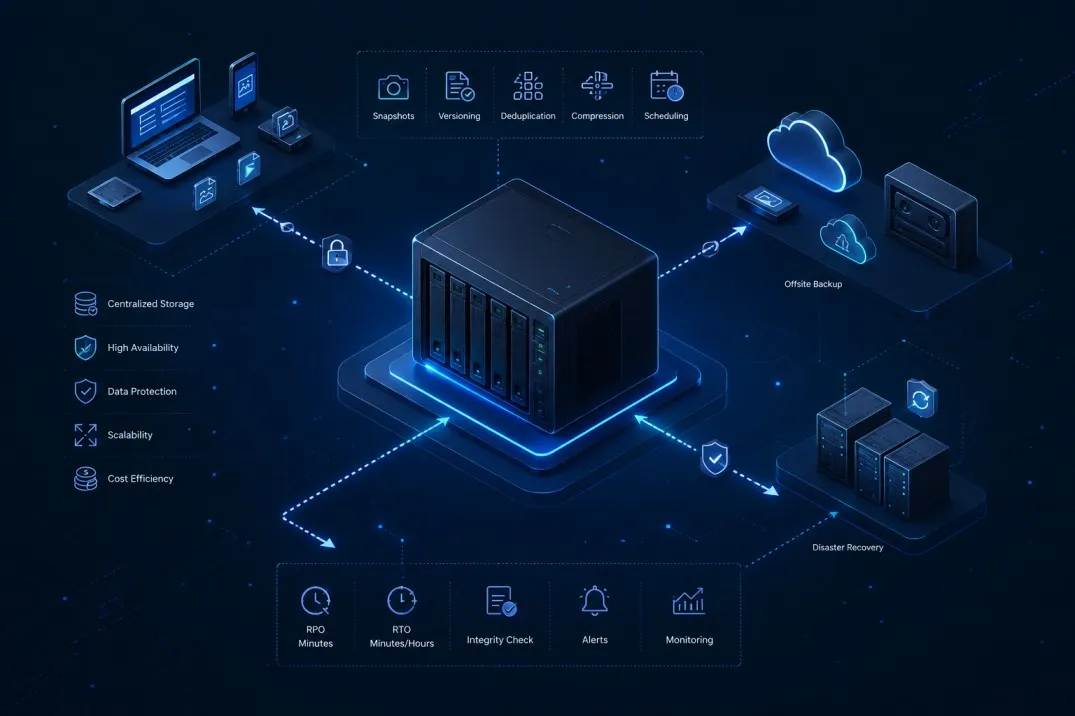
Unlike commercial manufacturing files that can theoretically be regenerated from a spec, a patient's scan geometry can't be recreated without bringing that person back in for another appointment — not always possible, and not something any lab wants to ask of a patient who's already been fitted once. That reality makes prioritizing NAS backup a clinical necessity rather than a routine IT task, with versioned snapshots and offsite replication protecting against both hardware failure and accidental deletion during file cleanup.
Labs that have scaled past a single clinic location run into a different problem: keeping scan libraries synchronized and accessible across sites without every location maintaining its own disconnected archive. A patient fitted at one clinic but returning for adjustments at another shouldn't require a phone call and a file transfer request just to pull up their original scan.
Scaling Storage as Case Volume and Resolution Both Increase
Scanner resolution keeps climbing, and higher-resolution captures mean larger files per case even before volume grows. A lab that doubles its patient caseload while also upgrading to a higher-fidelity scanner can see storage demand grow considerably faster than either factor alone would suggest. That's the scenario where a scale-out storage design pays off, letting a lab add capacity incrementally as case volume and file sizes grow rather than forklift-upgrading the entire storage platform every time it runs short on space.
Coordinating Access Between Clinical and Fabrication Staff
Clinicians, scan technicians, and print operators all need different views into the same patient case without stepping on each other's files. Role-based folder structures that separate active fabrication work from finalized, locked patient records keep a technician's in-progress mesh edits from accidentally overwriting an approved final scan that's already been used for a delivered device.
Choosing an Architecture That Fits a Clinical Fabrication Workflow
Clinical fabrication storage decisions often come down to the same architectural question every growing lab eventually faces — direct-attached drives are simple but isolate data to one workstation, while a shared network platform lets scan technicians, CAD staff, and print operators all work from the same authoritative file set. Weighing the SAN/NAS/DAS tradeoffs early, before a lab has years of scan data scattered across individual machines, saves a painful migration project down the road.
Vendor Selection Criteria Specific to Clinical Fabrication
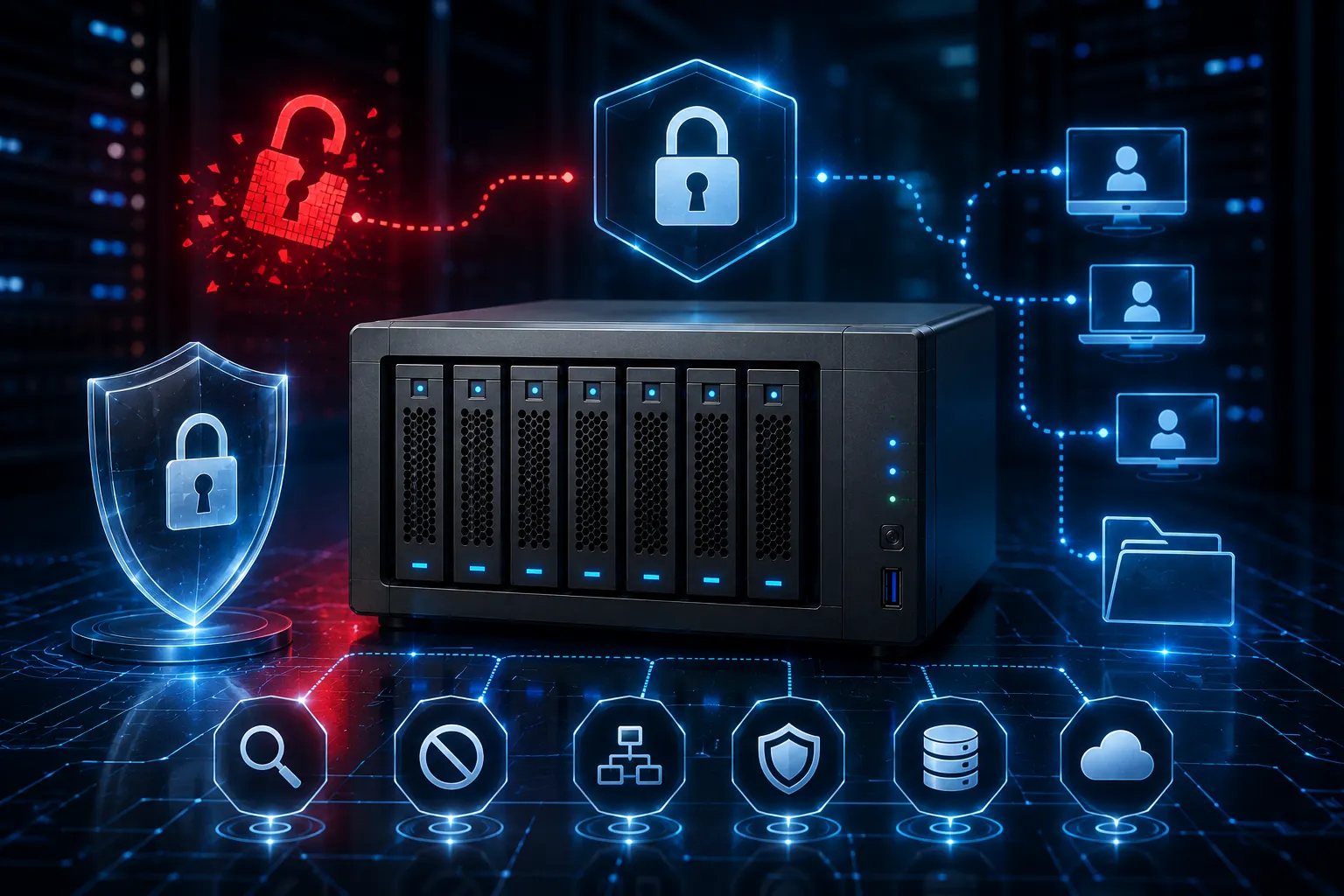
Not every storage vendor understands the difference between a general manufacturing floor and a lab handling patient-specific medical device data. Labs evaluating NAS for prosthetics and orthotics 3D printing labs should weigh whether a vendor can document encryption and access-logging practices in terms a compliance auditor will accept, not just in marketing language, since the storage layer ultimately has to satisfy the same scrutiny as any other part of the device history record.
Additive manufacturing NAS platforms in this space ultimately serve two masters at once — production efficiency on the fabrication floor and long-term clinical recordkeeping that regulators and patients both depend on. Labs that build their NAS for prosthetics and orthotics 3D printing labs strategy around both requirements from the start spend far less time later trying to reconstruct records that should have been protected the first time.





















Sign in to leave a comment.