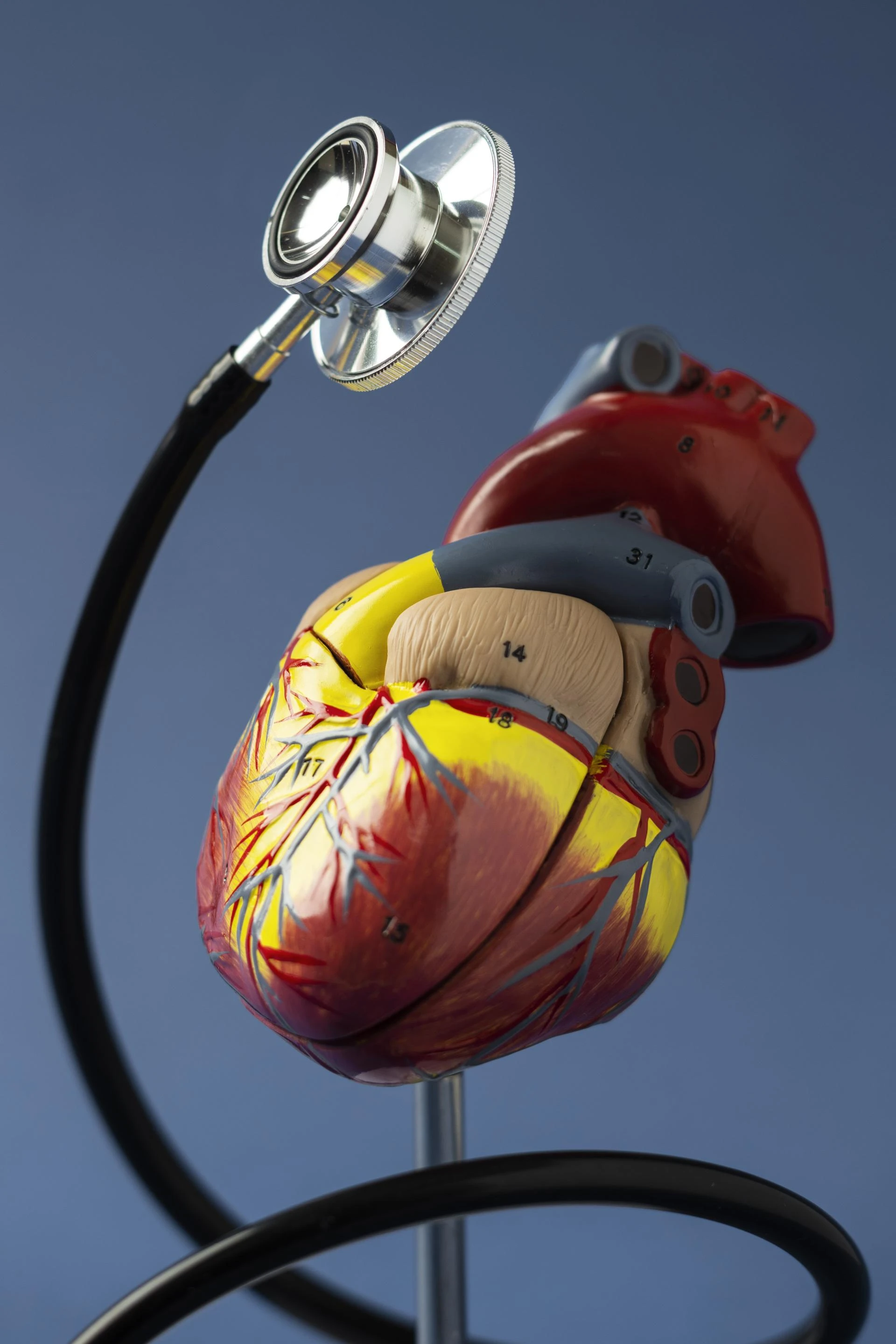
In the realm of cardiovascular medicine, innovations continually emerge to enhance the quality of life for patients with heart conditions. Among these advancements stands Cardiac Resynchronization Therapy (CRT), a groundbreaking treatment that has revolutionized the management of heart failure in certain cases.
Heart failure, a condition where the heart is unable to pump blood effectively to meet the body's needs, affects millions worldwide. In some patients, particularly those with advanced heart failure, the heart's electrical system becomes disrupted. This disturbance leads to inefficient pumping, resulting in symptoms such as fatigue, shortness of breath, and fluid retention. Traditional treatments like medications and lifestyle changes are often effective, but for patients who do not respond adequately, CRT offers a promising alternative.
Understanding Cardiac Resynchronization Therapy
CRT involves the implantation of a specialized device, similar to a pacemaker, which sends small electrical impulses to the heart muscle. Unlike traditional pacemakers, which primarily treat slow heart rhythms, CRT devices are designed to coordinate the contractions of the heart's ventricles (the main pumping chambers). This coordination is crucial because in many heart failure cases, the ventricles beat out of sync, reducing the heart's overall efficiency.
The CRT device is implanted under the skin, typically in the upper chest, and connected to leads that are threaded through blood vessels into the heart. These leads deliver electrical signals to both ventricles, helping them contract together in a synchronized manner. By restoring this synchrony, CRT can improve the heart's ability to pump blood throughout the body, thereby alleviating symptoms and enhancing the patient's quality of life.
Patient Selection and Benefits
Not every heart failure patient is a candidate for CRT. Candidates are carefully selected based on specific criteria, including the severity of their heart failure symptoms, the extent of ventricular dyssynchrony (the lack of coordination between heart chambers), and other medical factors. Typically, CRT is recommended for patients with moderate to severe heart failure who are already receiving optimal medical therapy but continue to experience symptoms.
The benefits of CRT can be significant. Patients often report improved exercise tolerance, reduced hospitalizations related to heart failure exacerbations, and overall better management of their condition. Studies have shown that CRT not only improves symptoms but also prolongs survival in certain patient groups.
Challenges and Considerations
While CRT has proven to be a valuable tool in managing heart failure, it is not without challenges. The implantation procedure carries inherent risks, such as infection or complications related to lead placement. Additionally, not all patients respond equally to CRT, and some may require adjustments to device settings or additional therapies to optimize outcomes.
Ongoing research continues to refine patient selection criteria and improve CRT technology. Innovations in device design, svt tachycardia ecg and programming aim to maximize effectiveness and minimize risks associated with the therapy.
Looking Ahead
As cardiovascular medicine progresses, CRT stands as a testament to the power of technological innovation in improving patient outcomes. For individuals living with heart failure, CRT offers hope for a better quality of life and extended longevity. As clinicians and researchers continue to advance our understanding of heart failure management, CRT remains a cornerstone therapy in the comprehensive care of these patients.
In conclusion, Cardiac Resynchronization Therapy represents a significant advancement in the treatment of heart failure, providing tailored solutions for patients who have exhausted conventional treatments. With ongoing improvements and broader access, CRT continues to shape the landscape of cardiovascular care, promising brighter futures for those affected by heart failure worldwide. Laac Procedure is one of the another treatments with is very helpful for heart conditioning.





























Sign in to leave a comment.