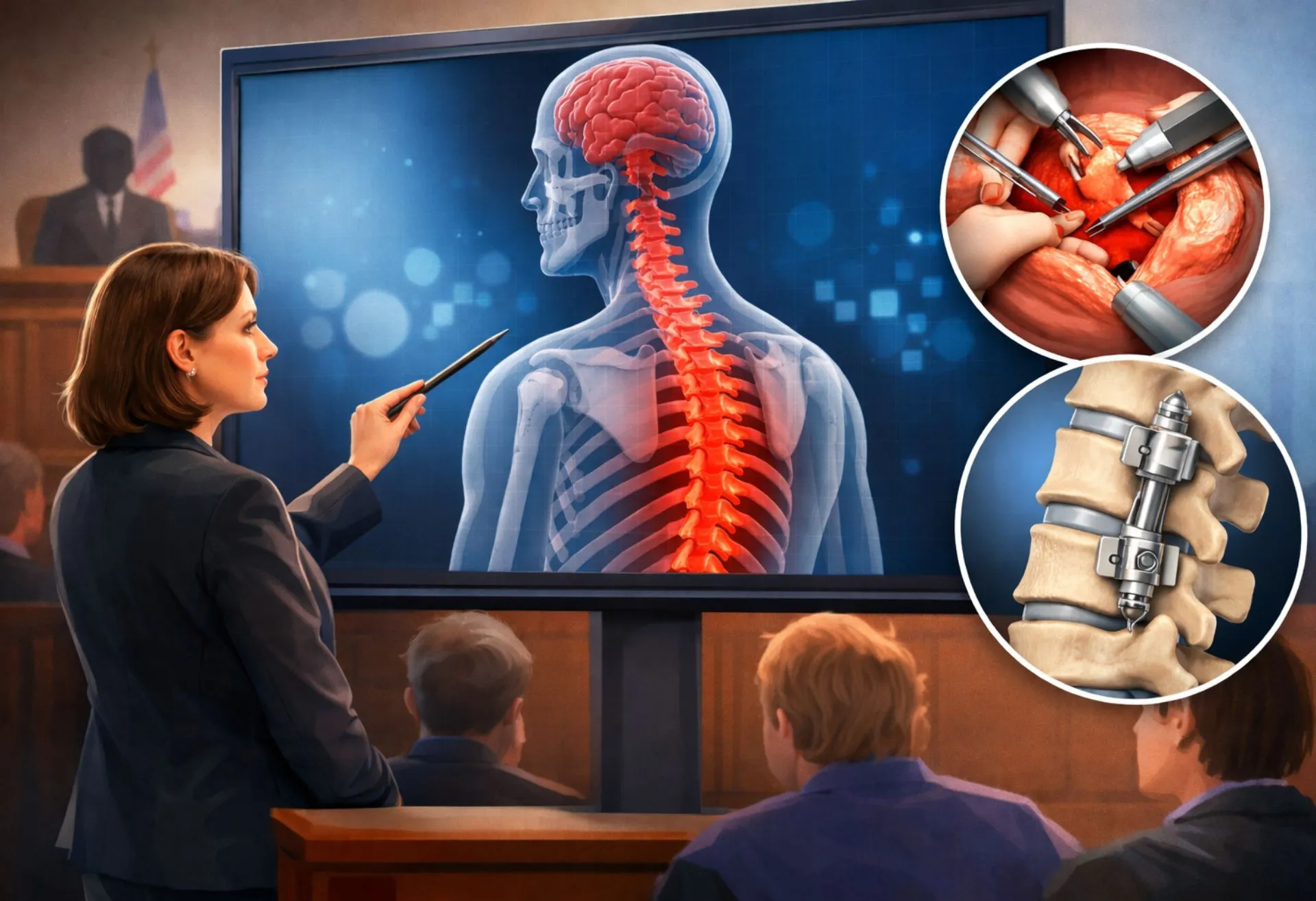

In complex product liability and medical malpractice cases, proving that an implant caused injury is not straightforward. Attorneys increasingly rely on 3D medical device failure animation to bridge the gap between technical evidence and human understanding. These visual tools transform dense medical and engineering data into compelling, courtroom-ready narratives.
What Is a Defective Medical Device Animation?
A defective medical device animation is a scientifically grounded 3D visualization that reconstructs how an implant fails within the body. These animations are often used in cases involving devices regulated by the U.S. Food and Drug Administration, such as:
- Hip implants
- Pacemakers
- Surgical mesh
- Knee replacements
They combine imaging sources like MRIs and CT scans with biomechanical simulations to show device malfunction over time.
How Attorneys Use 3D Animations to Prove Causation
1. Demonstrating Failure Mechanisms
Animations can depict issues like fracture, corrosion, or migration. For example, in cases involving DePuy ASR Hip Implant, animations illustrated how metal components degraded, releasing toxic ions into surrounding tissue.
2. Linking Injury to Device Defect
By aligning animation timelines with patient records, attorneys show how symptoms correlate with device failure. This strengthens causation—often the most contested legal element.
3. Supporting Expert Testimony
Medical experts in fields like Biomechanics and Orthopedic Surgery use animations to explain their findings clearly and consistently.
4. Enhancing Jury Comprehension
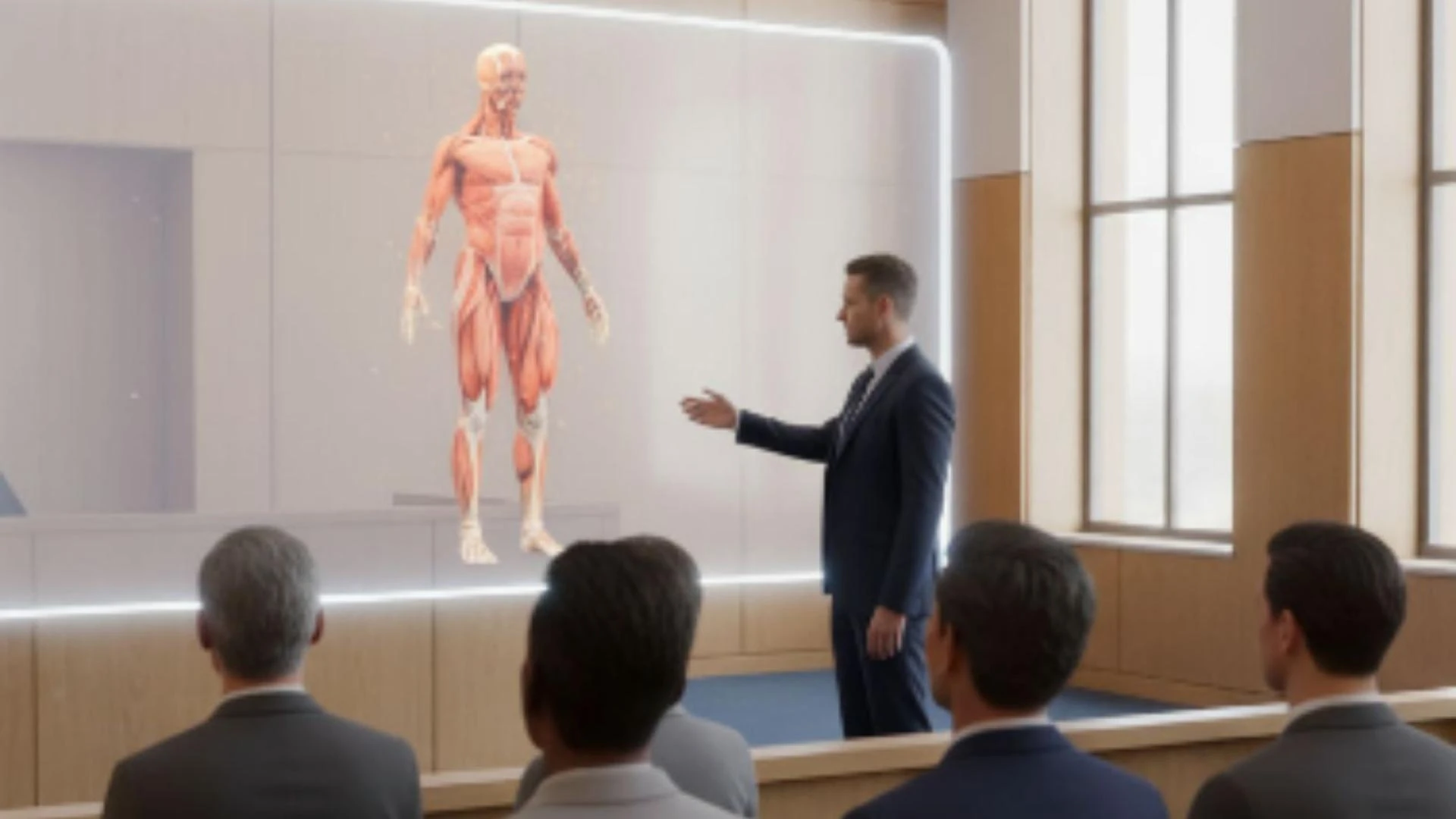
Jurors typically lack medical training. Visual storytelling simplifies complex processes, increasing retention and persuasive impact compared to verbal explanations alone.
Key Components of Effective Medical Animations
- Accuracy: Based on peer-reviewed science and validated data
- Clarity: Focused visuals without unnecessary detail
- Neutrality: Objective representation to maintain admissibility
- Synchronization: Alignment with expert reports and timelines
Legal teams often collaborate with specialized firms and reference standards from organizations like the American Medical Association to ensure credibility.
Legal Impact and Case Outcomes
Courts increasingly accept 3D animations as demonstrative evidence when properly validated. In high-profile litigations involving companies like Johnson & Johnson, such animations have played a role in securing favorable verdicts by clearly illustrating device defects.
FAQs
1. Are 3D medical animations admissible in court?
Yes, if they are scientifically accurate, relevant, and supported by expert testimony.
2. How long does it take to create a medical device failure animation?
Typically 3–8 weeks, depending on complexity and available data.
3. Do animations replace expert witnesses?
No. They enhance and support expert testimony but do not replace it.
4. What types of cases benefit most from these animations?
Product liability, medical malpractice, and personal injury cases involving implants.






























Sign in to leave a comment.