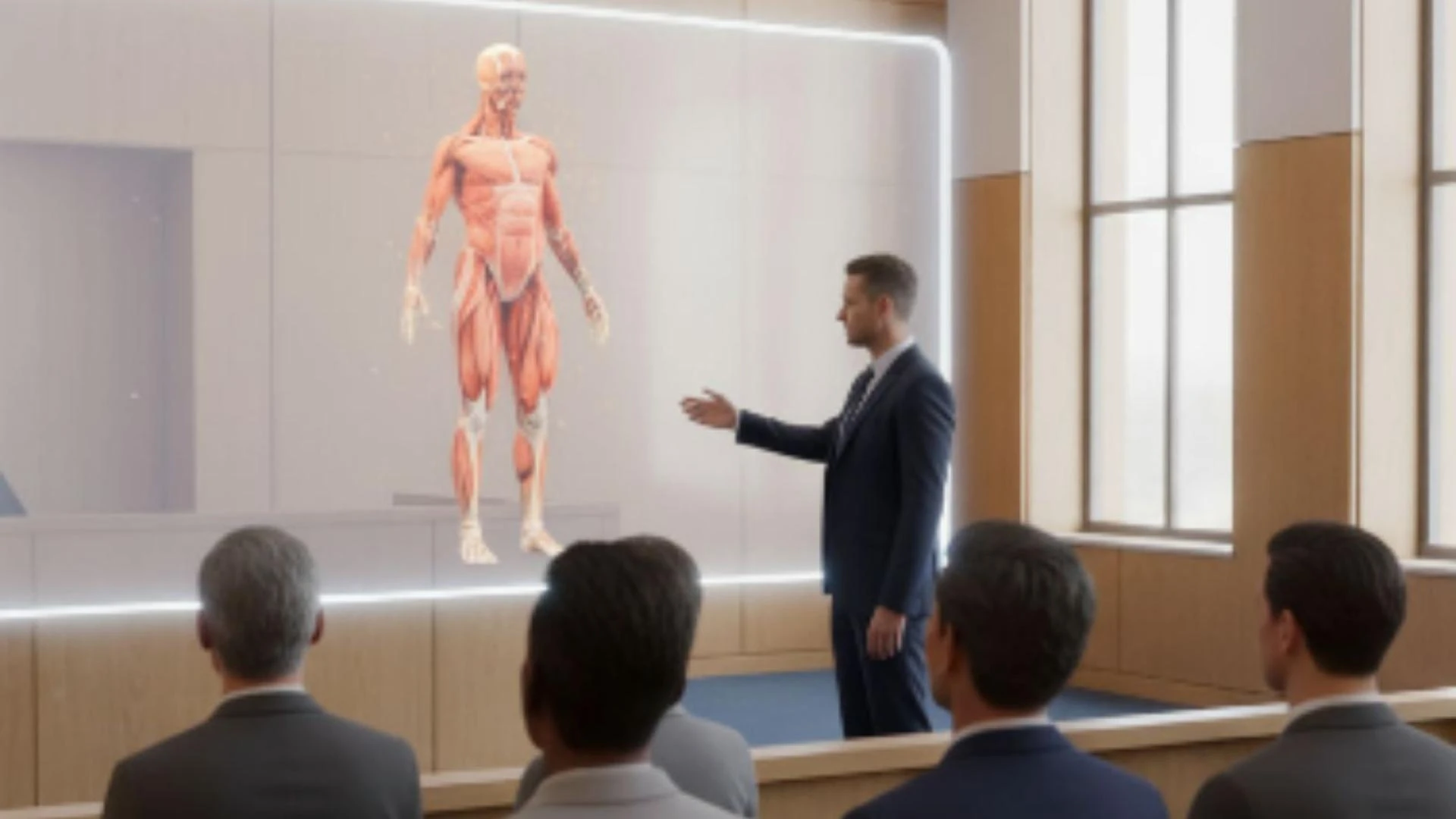

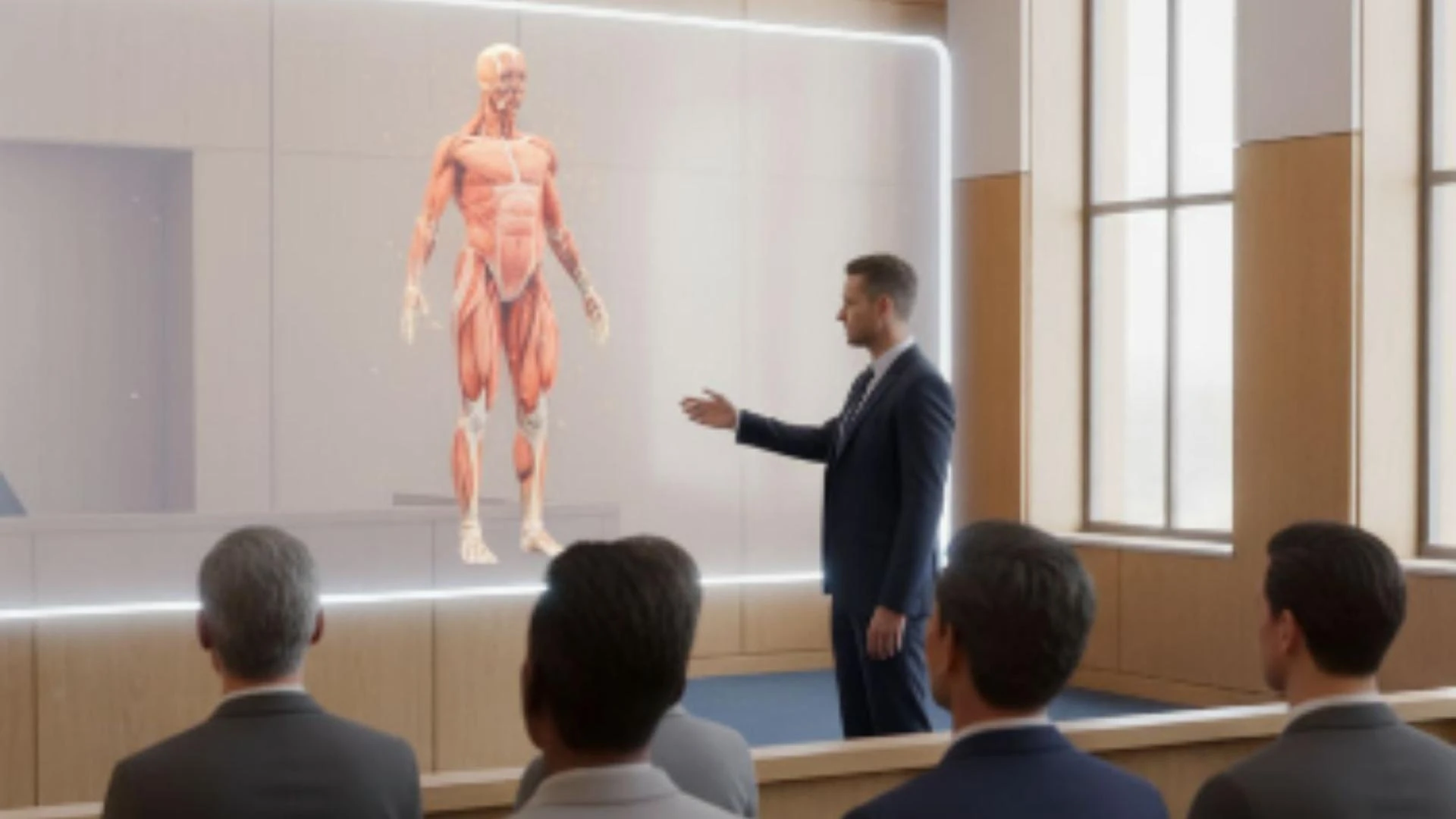
Manufacturing defect cases often involve highly technical details that can be difficult for juries and judges to understand. When a product fails, the explanation may include engineering concepts, mechanical processes, and accident reconstruction. Forensic Product Liability Animation helps simplify these complex details by visually demonstrating how a defect occurred and how it caused an injury or damage.
In modern litigation, visual evidence plays a critical role in presenting technical information clearly. Forensic animation allows legal teams, engineers, and expert witnesses to present a realistic reconstruction of product failures in a way that written reports and verbal testimony cannot achieve alone.
Understanding Manufacturing Defects in Product Liability Cases
A manufacturing defect occurs when a product deviates from its intended design during production. Even if the product was properly designed, mistakes in the manufacturing process can lead to dangerous failures.
Common examples include:
- Faulty assembly of mechanical components
- Weak materials used during production
- Defective electrical wiring
- Improper welding or fastening
- Contamination or material flaws
When accidents occur due to these defects, courts must determine exactly how the failure happened. Forensic Product Liability Animation helps illustrate the defect, showing the sequence of events that led to the incident.
Visualizing Product Failure for the Courtroom
Explaining mechanical failure through technical documents alone can be challenging. Jurors often have no background in engineering or industrial manufacturing. This is where forensic animation becomes essential.
A product failure animation recreates the event step by step. Using engineering data, inspection reports, and expert analysis, animators build a digital model of the product and simulate how the defect caused it to malfunction.
For example, an animation may show:
- A machine component breaking under stress
- A safety mechanism failing to activate
- A defective bolt causing structural collapse
- Electrical overheating that leads to fire
These visuals allow jurors to see the failure instead of trying to imagine it from complex descriptions.
Supporting Expert Witness Testimony
Expert witnesses such as engineers, accident reconstruction specialists, and safety professionals often testify in manufacturing defect cases. Their role is to explain how the defect occurred and whether it could have been prevented.
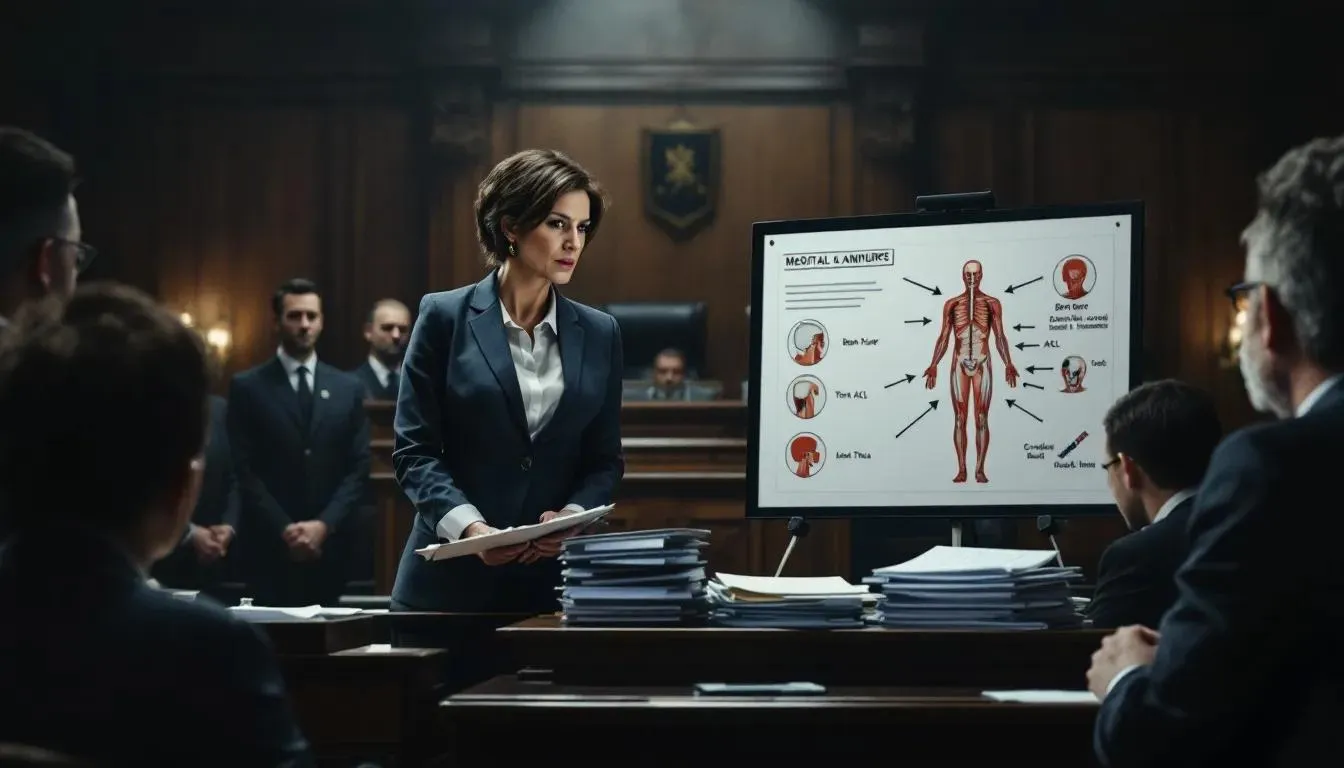
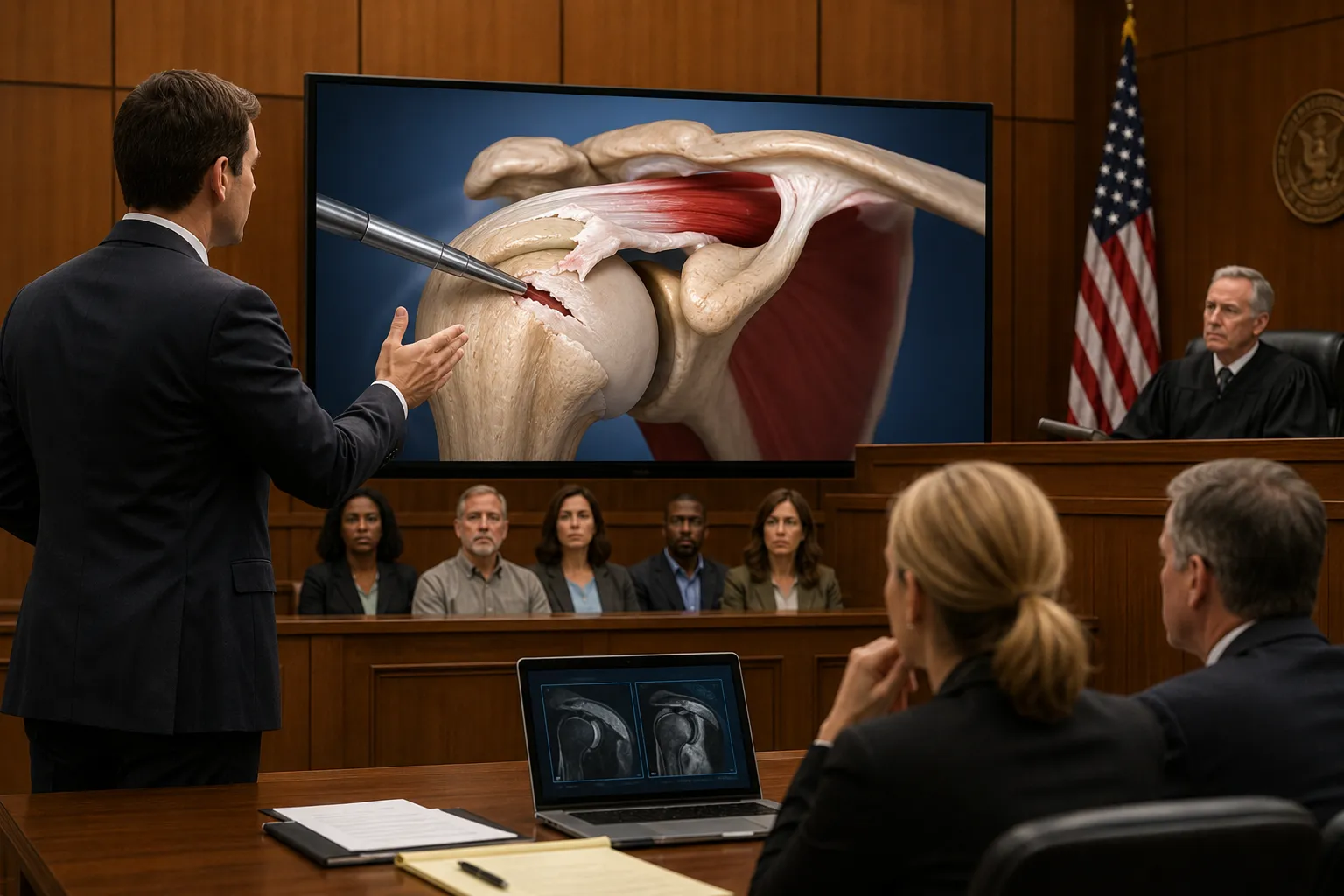
Forensic Product Liability Animation works as a powerful visual aid for these experts. Instead of relying solely on diagrams or technical terminology, experts can walk the jury through the animation while explaining each stage of the failure.
This approach improves clarity and strengthens the credibility of expert testimony. When jurors see the process unfold visually, they are more likely to understand and remember the expert’s explanation.
Reconstructing the Accident Sequence
In many product liability lawsuits, the key question is not only whether the product was defective, but also how the defect caused the accident.
Accident reconstruction animation helps answer this question. By combining physical evidence, testing data, and engineering simulations, the animation demonstrates the chain of events that led to the injury.
For instance, in a manufacturing defect case involving industrial machinery, the animation may show how a small component failure caused a larger system breakdown. This clear timeline helps legal teams present a logical and compelling argument.
Strengthening Legal Strategy and Case Preparation
Forensic animations are useful long before the trial begins. Attorneys often use them during case preparation, mediation, and settlement negotiations.
Visual reconstructions help legal teams analyze complex evidence, identify weak points in opposing arguments, and present clear explanations during negotiations. In many cases, a well-produced animation can help resolve disputes before they reach the courtroom.
Because Forensic Product Liability Animation makes technical evidence easier to understand, it becomes a valuable tool for both legal professionals and expert witnesses.
Conclusion
Manufacturing defect cases often involve complicated engineering concepts that are difficult to explain through words alone. Forensic Product Liability Animation transforms these technical details into clear visual demonstrations that jurors can easily understand.
By illustrating product failures, reconstructing accident sequences, and supporting expert witness testimony, these animations strengthen legal arguments and improve courtroom communication. In complex product liability litigation, visual clarity can make a significant difference in how evidence is presented and understood.























Sign in to leave a comment.