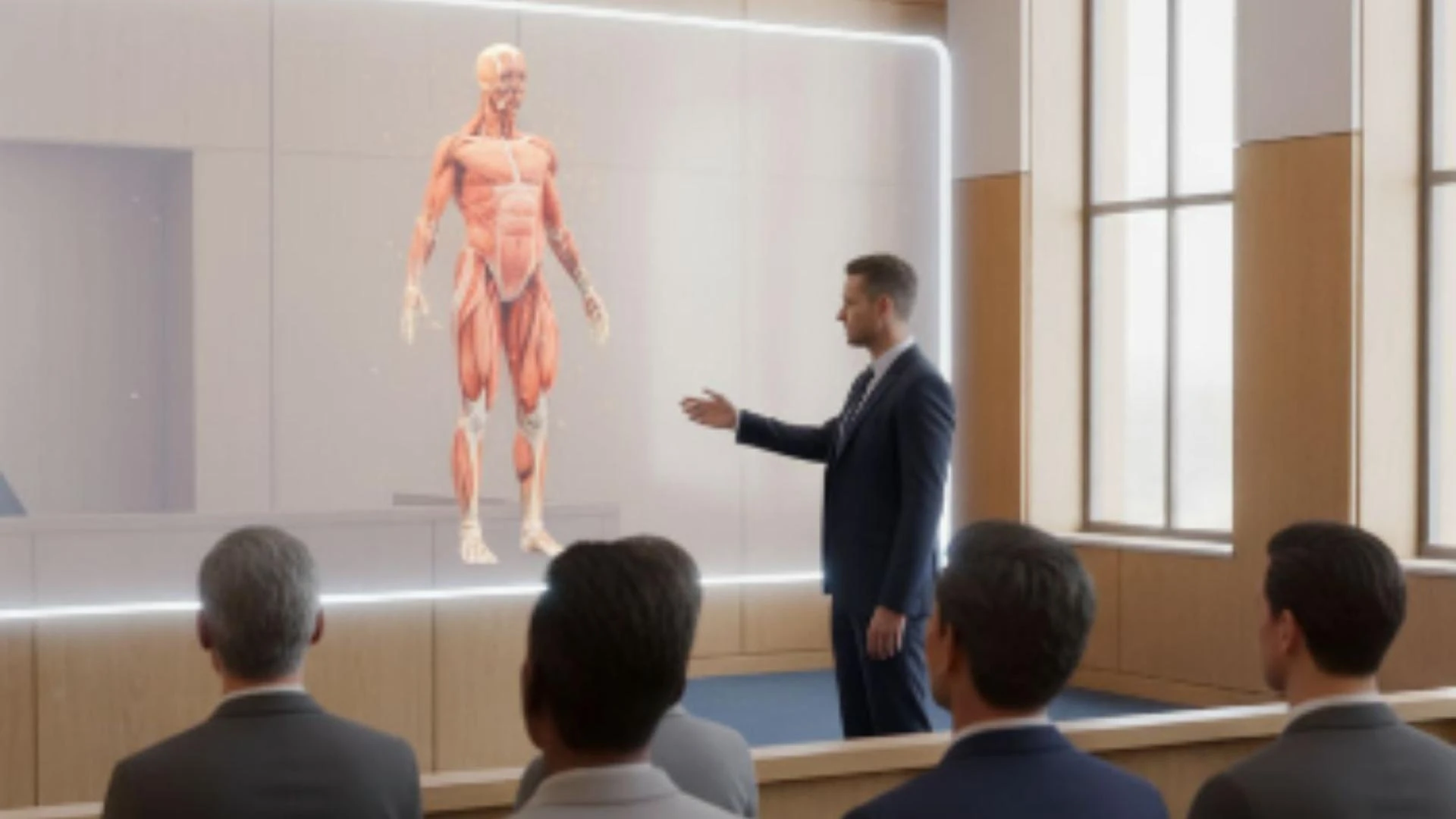

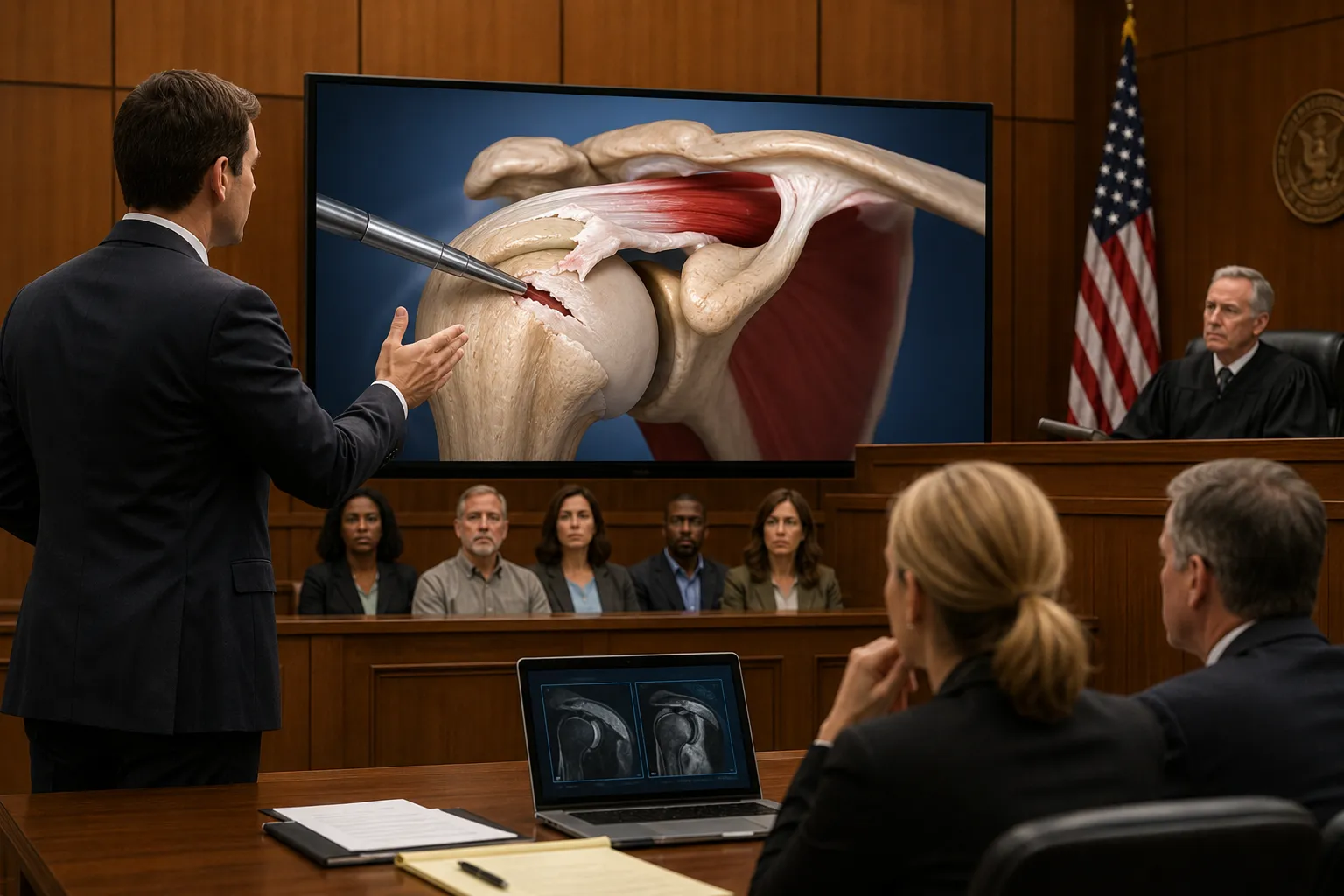
In today’s courtroom environment, Forensic Animations have emerged as one of the most impactful tools for explaining complex evidence to juries. Unlike static exhibits or spoken testimony alone, animations bring events to life, helping jurors visualize intricate sequences, accident dynamics, timelines, and causation factors. When legal teams use forensic animation effectively, they bridge the gap between technical data and human comprehension, empowering jurors to better follow the narrative and reach informed decisions.
Forensic animation refers to 3D reconstructions of real-world events based on factual data such as accident reports, engineering analyses, medical records, biomechanical studies, and expert witness testimony. These animations are not hypothetical cartoons; they are scientifically grounded visualizations designed to depict how events unfolded based on evidence. When prepared accurately, they bolster expert testimony and enhance juror engagement.
Why Visualization Matters in the Courtroom
Jurors are not medical professionals, engineers, or accident reconstructionists. Most legal decision-makers have limited experience interpreting complex diagrams, technical reports, or lengthy verbal explanations. This is where forensic animations offer distinct advantages:
- Clarifying Complex Evidence
A well-crafted animation translates complicated scientific and medical data into understandable visual sequences. Whether illustrating the kinematics of a car crash, the mechanism of an industrial accident, or the sequence of events in a slip and fall, animations make the technical accessible. By showing rather than telling, they help jurors grasp the mechanics of a case without getting lost in jargon.
- Improving Information Retention
Research shows that the human brain processes visual information faster and retains it longer than text or speech alone. In a trial setting, this means jurors are more likely to remember crucial details when they have seen them depicted in motion. Forensic animations reinforce key points from expert testimony, making critical facts easier to recall during deliberations.
- Humanizing Evidence
Static exhibits can feel detached or abstract. By contrast, animations create a narrative flow that contextualizes evidence in a way that resonates emotionally and cognitively with a jury. This narrative quality can support a more compelling overall story, helping jurors understand not just what happened but how and why it happened.
Best Practices for Using Forensic Animations
Forensic animations are most effective when they are grounded in sound methodology, aligned with expert testimony, and vetted for accuracy. Attorneys should work closely with qualified forensic animators and subject matter experts to ensure that every sequence reflects the underlying evidence without exaggeration or distortion.
Key steps in this process include:
- Gathering and analyzing all relevant factual data
- Collaborating with engineers, medical professionals, and accident reconstructionist
- Creating storyboards that map to expert testimony
- Reviewing animations with the witness to ensure accuracy and credibility
When forensic animations are developed this way, they do not replace expert witnesses but elevate their testimony by providing a visual context that complements and reinforces expert analysis.
Conclusion
Forensic Animations have transformed the way complex trial evidence is communicated. By breaking down technical concepts into intuitive visual narratives, they deepen jury understanding, increase engagement, and contribute to more informed verdicts. In legal disputes involving accidents, medical issues, or detailed sequences of events, animations can be the difference between confusion and clarity, supporting legal teams in presenting a powerful, persuasive case.























Sign in to leave a comment.