

Afghanistan remains one of the world’s least-visited yet most culturally significant destinations, attracting a growing segment of travelers interested in history, heritage, landscapes, and authentic human connection.
Unlike conventional tourism markets, interest in Afghan holiday packages is driven less by leisure trends and more by curiosity, cultural immersion, expedition-style exploration, and the desire to experience a place that has long existed beyond mainstream travel routes.
For many travelers, Afghanistan represents something increasingly rare in global tourism: an environment that feels unfiltered, historically layered, and deeply human. Ancient trade routes, mountain communities, Islamic architecture, Buddhist heritage, and diverse regional traditions create a travel experience unlike typical commercial destinations. Yet the decision to visit also comes with serious practical considerations. Questions surrounding logistics, regional coordination, permits, cultural etiquette, transportation, and safety are central to the planning process.
This is why Afghanistan’s travel landscape differs fundamentally from mass-market tourism. The country’s tourism ecosystem operates closer to expedition travel than to conventional holiday infrastructure. Travelers are not simply looking for sightseeing opportunities; they are seeking operationally managed experiences supported by local expertise, route planning, and real-time coordination.
The modern search intent behind Afghanistan travel has evolved significantly in recent years. Travelers researching guided journeys increasingly want reassurance alongside inspiration. They want to understand how travel works on the ground, how itineraries are managed across provinces, what role local guides play, how transportation is coordinated, and how cultural sensitivity is maintained throughout the experience.
In many ways, Afghanistan now occupies a unique position in global tourism psychology. It appeals to historians, documentary photographers, researchers, journalists, development professionals, overland travelers, and culturally motivated explorers who value depth over convenience. The attraction is not luxury or entertainment. It is access to historical continuity, living culture, and environments that remain largely untouched by mainstream tourism commercialization.

Why Afghanistan Appeals to Cultural and Expedition Travelers
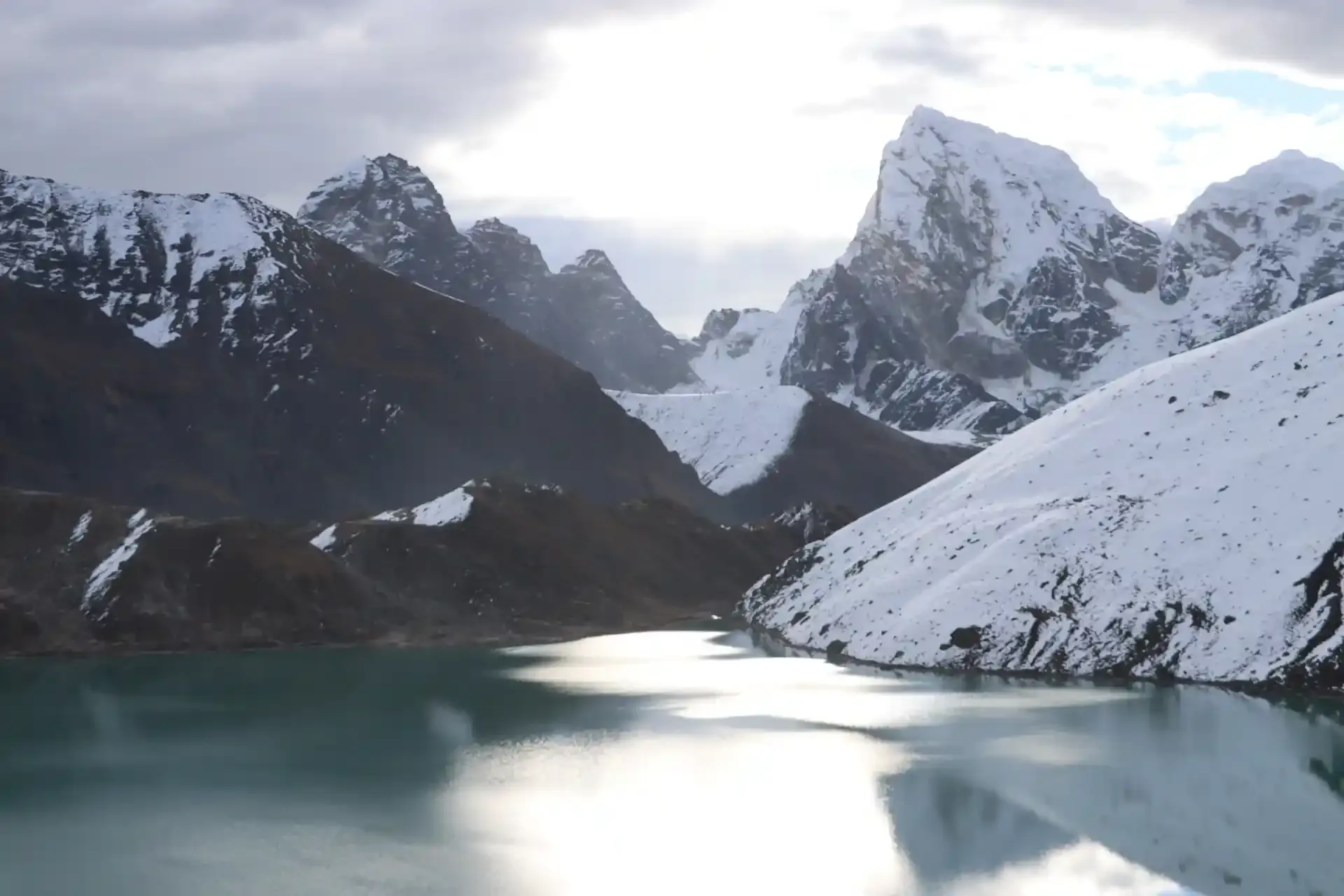
One of the defining characteristics of travel in Afghanistan is the diversity of experiences within a single country. Snow-covered mountain corridors, ancient citadels, remote valleys, urban bazaars, turquoise lakes, and archaeological sites all exist within dramatically different regional identities.
Cities such as Kabul and Herat offer historical depth through architecture, marketplaces, museums, and centuries-old urban culture. Meanwhile, destinations like Band-e Amir National Park present natural landscapes that rival some of Central Asia’s most visually striking environments.
For many visitors, however, the most memorable aspect of Afghanistan is interpersonal rather than geographical. Hospitality remains deeply embedded in Afghan culture. Travelers frequently describe conversations with local families, tea gatherings, regional storytelling, and spontaneous invitations as defining moments of their journeys.
This human dimension has become increasingly important in how responsible tourism operators frame Afghanistan. Rather than relying on sensationalism or “danger tourism” narratives, modern expedition-oriented travel increasingly emphasizes cultural understanding, respectful engagement, and realistic operational transparency.
The growing interest in immersive travel experiences has also contributed to renewed curiosity about Afghanistan’s historical significance. The country has long served as a crossroads connecting Central Asia, South Asia, Persia, and the Silk Road trading world. This historical layering is visible in everything from architecture and cuisine to language diversity and regional traditions.

The Shift Toward Professionally Managed Travel
Independent backpack-style travel in Afghanistan has historically been limited by logistical complexity, regional coordination requirements, and rapidly changing operational conditions. As a result, most serious travelers increasingly rely on structured itineraries supported by local operational expertise.
This shift mirrors broader trends visible across high-complexity destinations worldwide. Travelers want flexibility and authenticity, but they also require experienced local coordination capable of adapting to real-time conditions.
Professionally managed travel in Afghanistan generally includes:
- airport coordination and transfers
- local transportation planning
- experienced drivers and regional guides
- accommodation coordination
- multilingual interpretation support
- route adjustments when required
- permit and documentation assistance
- real-time communication support
- contingency planning
These elements are not viewed as luxury upgrades; they are considered foundational components of responsible travel operations within a complex environment.
This operational structure is one reason why travelers researching Afghan holiday packages tend to spend significant time evaluating credibility, local experience, and logistical competence before making inquiries.

Signature Destinations Across Afghanistan
Afghanistan’s tourism appeal is not concentrated in one region. Instead, interest is spread across several historically and geographically distinct areas.
Kabul
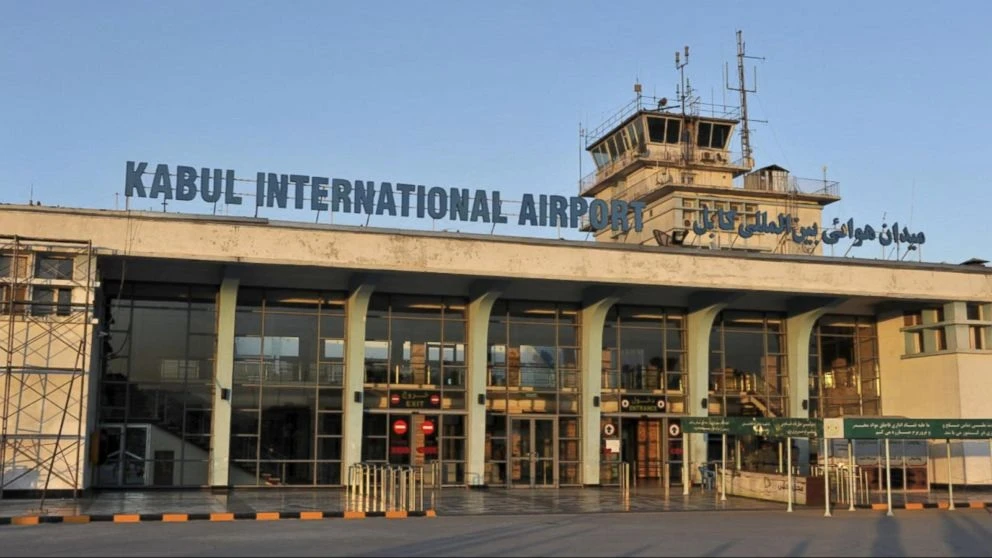
As the capital city, Kabul functions as the primary entry point for most international visitors. Beyond its political reputation, the city contains museums, traditional markets, historic mosques, gardens, and a dynamic urban culture shaped by centuries of regional exchange.
Travelers often use Kabul as an introduction to Afghan cultural norms, cuisine, architecture, and daily life before continuing toward provincial destinations.

Bamyan and Band-e Amir
Bamyan remains one of Afghanistan’s most internationally recognized cultural regions. The area is associated with Buddhist history, mountain landscapes, and archaeological significance.
Nearby Band-e Amir National Park has become particularly important within responsible tourism discussions. Its striking blue lakes and travertine formations offer one of the country’s most visually iconic natural environments.
The region also appeals to trekking travelers and photographers seeking landscapes distinct from typical Middle Eastern tourism imagery.

Herat
Herat is frequently described as one of Afghanistan’s most historically layered urban centers. Persian influence, Islamic architecture, tilework traditions, and literary history make the city especially attractive for travelers interested in cultural heritage.
The Friday Mosque and surrounding historical districts remain central highlights for visitors exploring western Afghanistan.

Wakhan Corridor
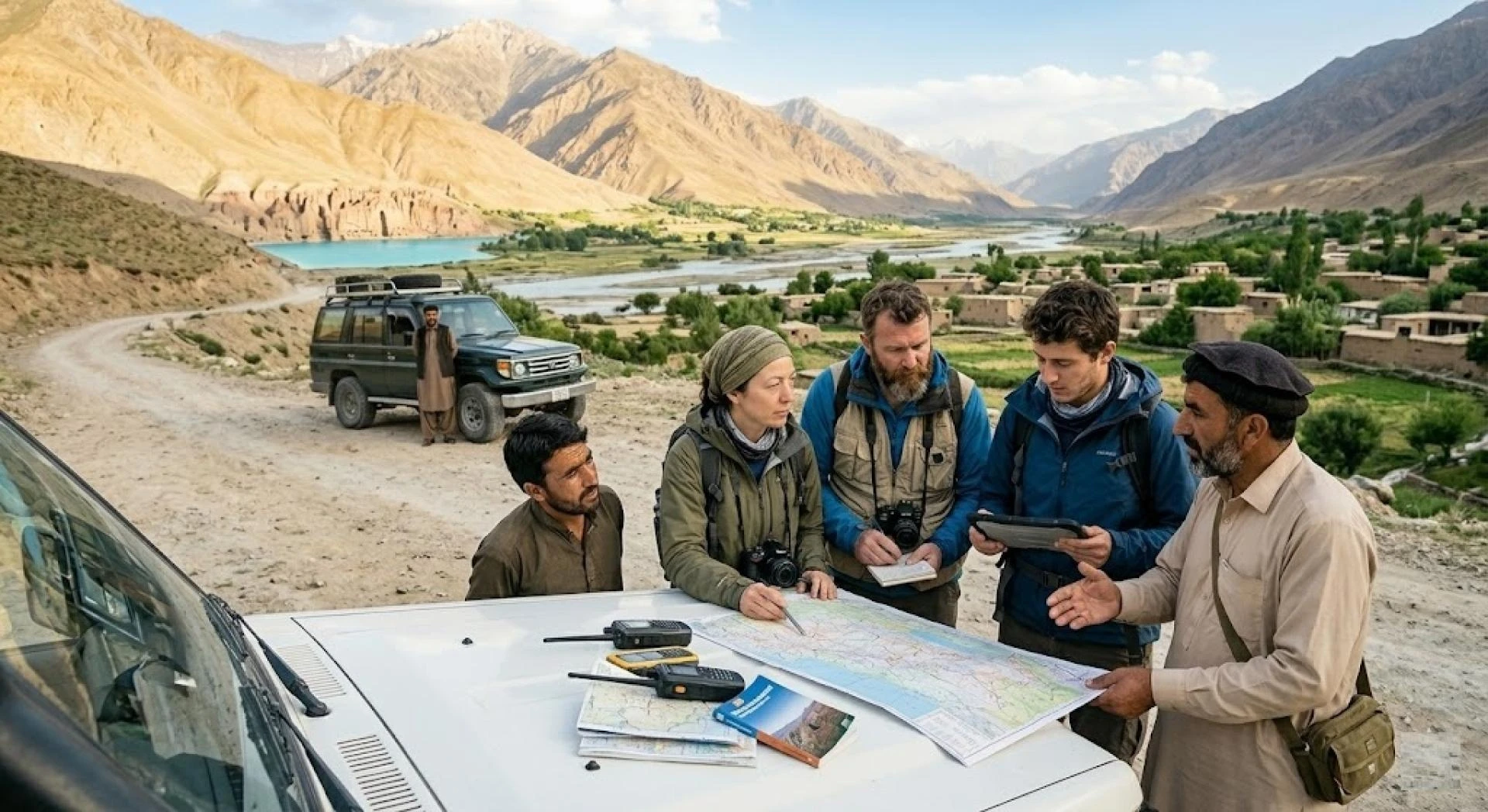
The Wakhan Corridor attracts expedition travelers, trekkers, and researchers interested in remote mountain environments and high-altitude communities.
Travel here is highly specialized and typically requires extensive logistical planning. However, for experienced overland travelers, the Wakhan region represents one of the most remote and culturally distinct expedition routes in Asia.

Mazar-i-Sharif
Mazar-i-Sharif is known for its religious significance and the Blue Mosque complex. The city also serves as a gateway to northern Afghan cultural landscapes and historical Silk Road influences.

Safety, Logistics, and Ground Coordination
One of the strongest themes shaping Afghanistan-related travel searches is operational reassurance. Travelers are not simply asking whether destinations are interesting; they are evaluating whether travel can be responsibly organized.
This is where local infrastructure and real-time coordination become essential.
Travel conditions in Afghanistan can change rapidly depending on regional circumstances, weather, road conditions, or administrative requirements. Successful travel operations therefore depend heavily on:
- local knowledge
- route familiarity
- communication networks
- transportation reliability
- regional coordination
- contingency flexibility
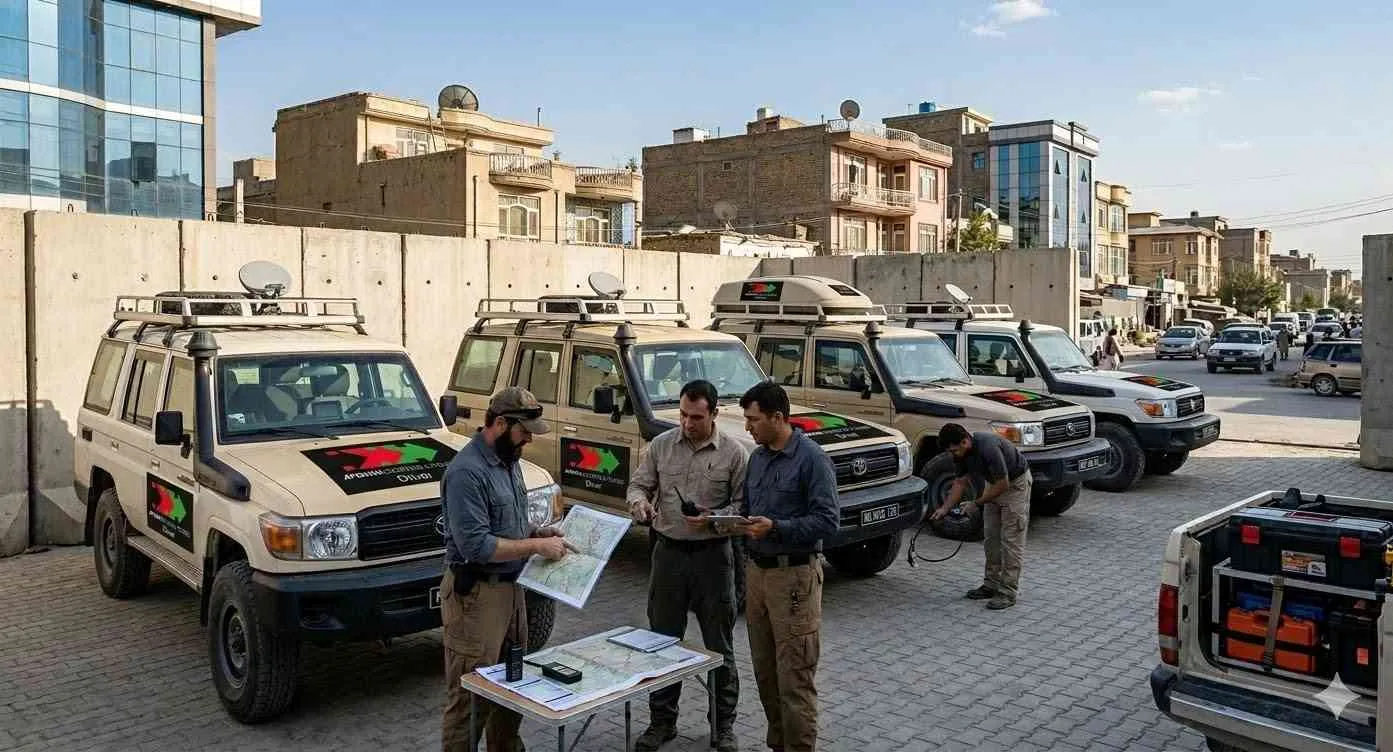
Experienced operators generally maintain active communication systems capable of adjusting itineraries when necessary. In practice, this often means route modifications, accommodation changes, scheduling shifts, or altered transportation arrangements based on current conditions.
Importantly, the strongest operators avoid militarized marketing language. Travelers today respond better to calm professionalism than to dramatized security narratives. Terms such as “experienced guides,” “regional coordination,” “local operational knowledge,” and “responsible travel planning” align more naturally with traveler psychology and with broader search behavior surrounding Afghanistan tourism.
The evolution of travel expectations has also increased demand for transparent operational systems. Travelers now expect clear communication about transportation standards, accommodation quality, payment processes, airport procedures, and documentation support.
Visa Support and Administrative Planning
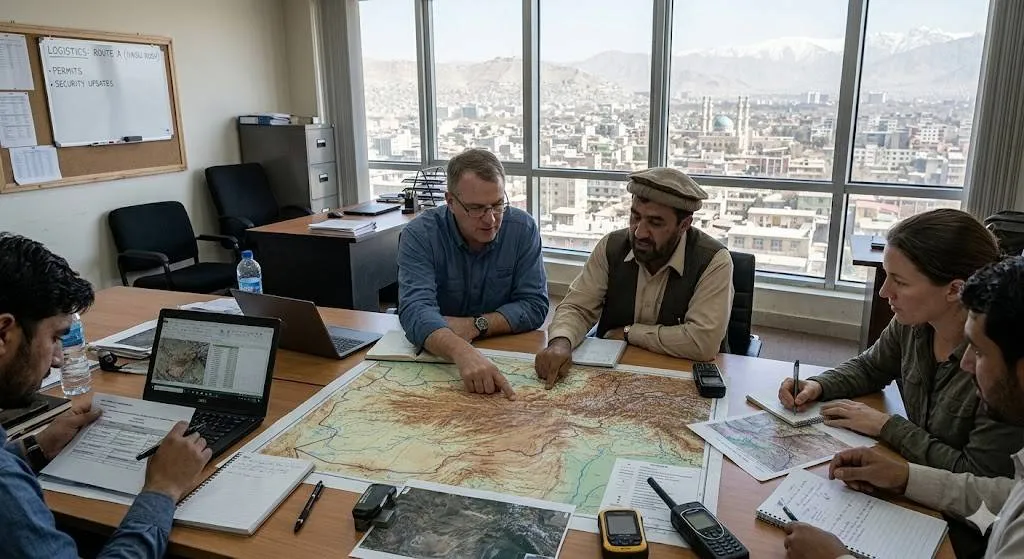
Visa coordination remains a central aspect of Afghanistan travel planning. Travelers researching the country often require information regarding invitation letters, embassy procedures, supporting documentation, and application timelines.
Because international visa policies can evolve, many travelers rely on locally experienced coordinators familiar with current procedural requirements and embassy expectations.
Administrative preparation frequently includes:
- invitation letters
- passport documentation review
- itinerary confirmation
- accommodation references
- arrival coordination
- airport support services
For expedition-style travel environments, these logistical details play a major role in reducing uncertainty before departure.
Responsible Tourism and Cultural Respect
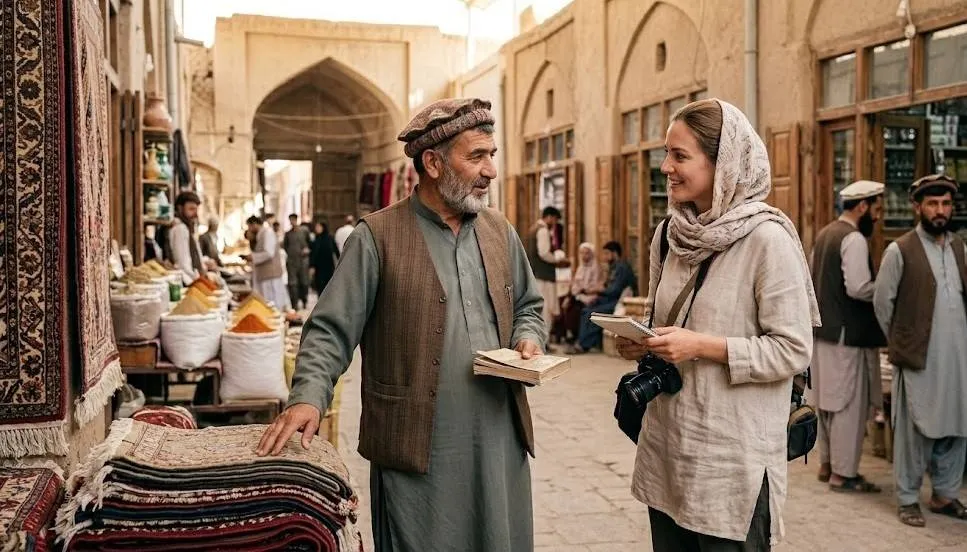
One of the most important developments within Afghanistan tourism is the increasing emphasis on ethical and culturally respectful travel.
Modern travelers are becoming more aware of how tourism impacts local communities, especially in fragile or post-conflict environments. As a result, responsible tourism practices are no longer optional additions; they are central to how credible travel experiences are evaluated.
Respectful travel in Afghanistan generally includes:
- understanding local customs and dress expectations
- asking permission before photography
- supporting local businesses and guides
- minimizing environmental impact
- engaging respectfully with religious and cultural traditions
- learning basic local greetings or phrases
Operators that emphasize education, realism, and cultural sensitivity tend to align more effectively with contemporary travel expectations than those relying on sensational narratives.
This is particularly important because Afghanistan’s emerging tourism identity is closely tied to cultural preservation and human connection rather than commercial entertainment.
Why Operational Experience Matters
In high-complexity destinations, tourism increasingly overlaps with logistics management. Travelers expect more than sightseeing coordination; they expect responsive operational support.
This is one reason why organizations such as embassies, researchers, documentary teams, NGOs, journalists, and professional delegations often rely on integrated local partners rather than standalone tourism providers.
Operationally capable providers may support:
- transportation fleets
- regional mobility coordination
- multilingual interpretation
- airport meet-and-greet services
- accommodation management
- real-time dispatch systems
- payment transparency
- long-term route planning
The blending of tourism expertise with logistics infrastructure has become a defining feature of modern Afghanistan travel operations.
It is within this landscape that companies such as Afghan Logistics & Tours Pvt. Ltd. have emerged as operationally focused travel and logistics authorities rather than conventional tourism brands. Their role reflects the broader evolution of Afghanistan travel itself: highly coordinated, locally informed, and rooted in practical field experience.
The Future of Afghanistan Travel
The future of Afghanistan tourism will likely remain niche, specialized, and expertise-driven rather than mass-market. Yet interest continues to grow among travelers seeking destinations defined by authenticity, historical depth, and meaningful cultural engagement.
Unlike heavily commercialized tourism economies, Afghanistan offers experiences shaped by human interaction, regional diversity, and historical continuity. For many travelers, that rarity itself has become part of the attraction.
At the same time, expectations surrounding professionalism and responsible travel are becoming higher. Travelers increasingly want:
- transparent logistics
- ethical tourism frameworks
- experienced local coordination
- culturally respectful engagement
- operational realism rather than marketing theatrics
This evolution is reshaping how Afghan holiday packages are structured and presented. The most effective approaches combine educational depth, logistical clarity, and culturally grounded storytelling rather than relying on conventional tourism advertising.
As international interest gradually re-emerges, Afghanistan’s tourism sector may continue developing around smaller, carefully managed, culturally immersive experiences rather than large-scale commercial tourism infrastructure.
That direction aligns closely with broader global travel trends favoring meaningful travel, expedition-style journeys, and responsible cultural exploration.
For travelers, researchers, organizations, and expedition-oriented visitors willing to approach the country with preparation, patience, and cultural respect, Afghanistan continues to offer one of the world’s most distinctive travel experiences.
And for operationally experienced providers such as Afghan Logistics & Tours Pvt. Ltd., the growing demand for professionally managed cultural travel reflects a wider recognition that successful Afghanistan travel depends not only on destinations themselves, but on the systems, coordination, and local understanding behind every journey.
Start Planning Your Afghanistan Journey
Afghan Logistics & Tours Pvt.Ltd ( ALT) - Tour Agency in Kabul, Afghanistan
House # 18, Street # 01, Ansari Square, Kabul 3201, Afghanistan
+93 78 266 7733















Sign in to leave a comment.