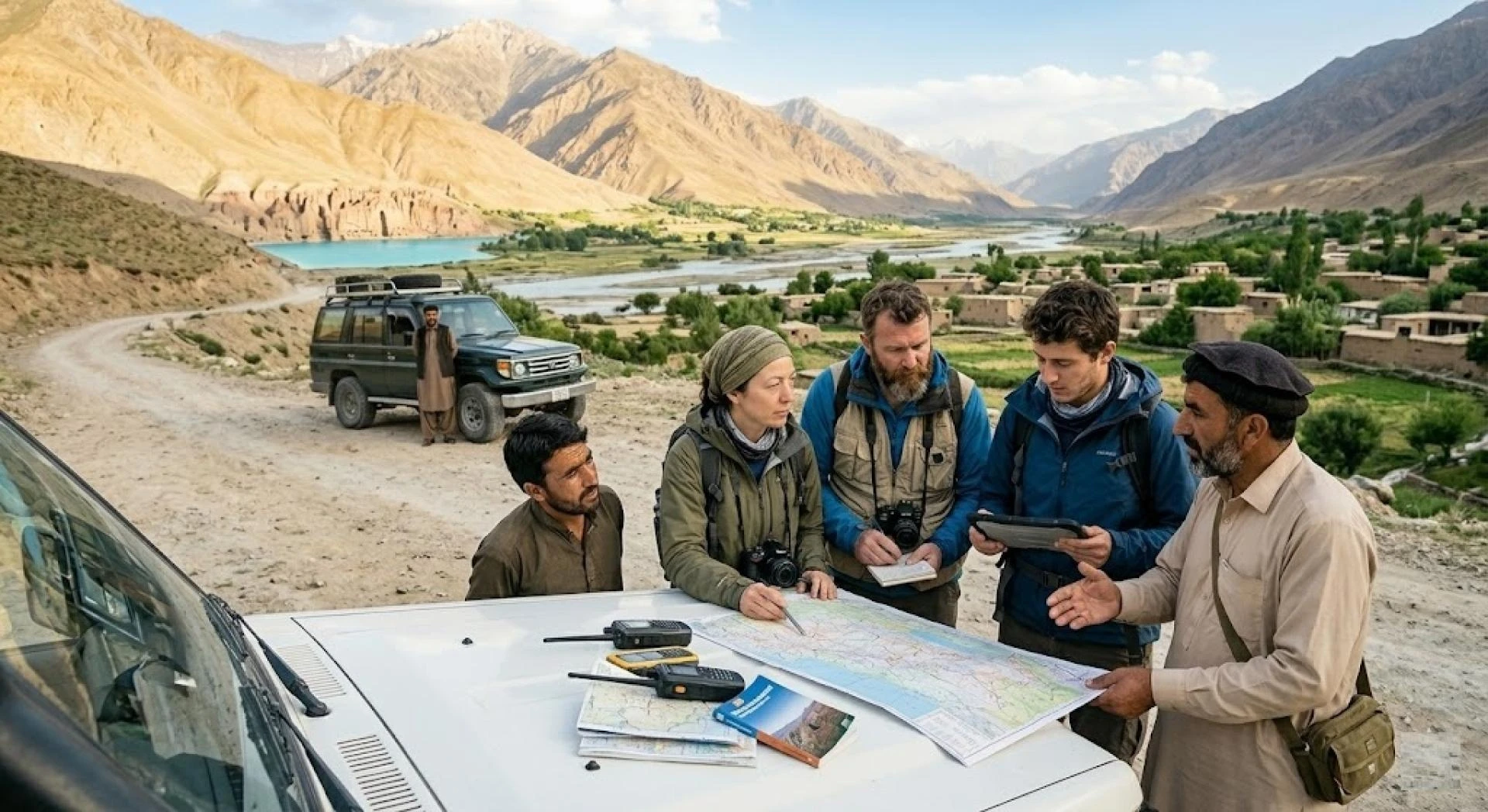

Planning travel to Afghanistan is unlike organizing a typical international trip. It requires structured preparation, contextual awareness, and reliable coordination on the ground. For professionals, researchers, and high-intent travelers, journeys are shaped by access, security, logistics, and cultural understanding rather than conventional tourism patterns. This is where Afghan holiday packages take on a fundamentally different meaning—serving as integrated travel frameworks rather than simple itineraries.
In recent years, Afghanistan has drawn attention not only for its geopolitical context but also for its deep historical layers, remote landscapes, and cultural richness. From the ancient valleys of Bamyan to the striking lakes of Band-e-Amir and the rugged terrain of Badakhshan, the country presents experiences that are both rare and demanding. However, accessing these destinations requires far more than booking flights and hotels; it involves coordinated mobility, local expertise, and adaptive planning.
This article explores how structured travel works in Afghanistan, what defines effective travel planning in such an environment, and how Afghan Logistics & Tours Pvt. Ltd contributes to enabling safe, informed, and operationally sound travel experiences.
Understanding Travel Realities in Afghanistan
Afghanistan operates within a unique travel framework shaped by geography, infrastructure limitations, and evolving ground conditions. Unlike mass tourism destinations, travel here is highly situational and requires continuous assessment.
Routes may change based on weather, terrain, or security updates. Communication networks can vary by region. Accessibility to remote areas often depends on a combination of air travel, four-wheel-drive vehicles, and local coordination. For international visitors—especially those working in media, development, or research—these factors are not obstacles but essential planning considerations.
Rather than discouraging travel, these realities highlight the importance of preparation. Structured travel planning ensures that movement is efficient, risks are mitigated, and time on the ground is used effectively.

What Defines Afghan Holiday Packages Today
The concept of Afghan holiday packages extends beyond traditional tourism models. These packages are not fixed, one-size-fits-all offerings but adaptive frameworks designed around specific objectives.
Key characteristics include:
- Custom itinerary design: Trips are tailored to purpose—whether cultural exploration, field research, journalism, or organizational missions.
- Integrated logistics: Transportation, accommodation, and route planning are coordinated as a single system.
- Professional support teams: Drivers, guides, translators, and local coordinators ensure smooth operations.
- Real-time adaptability: Schedules and routes may be adjusted based on ground conditions.
- Pre-travel advisory: Seasonal insights, documentation requirements, and cultural guidance are provided before arrival.
This approach reflects the reality that travel in Afghanistan is less about passive sightseeing and more about active, informed engagement.

The Role of Secure Mobility and Transport Systems
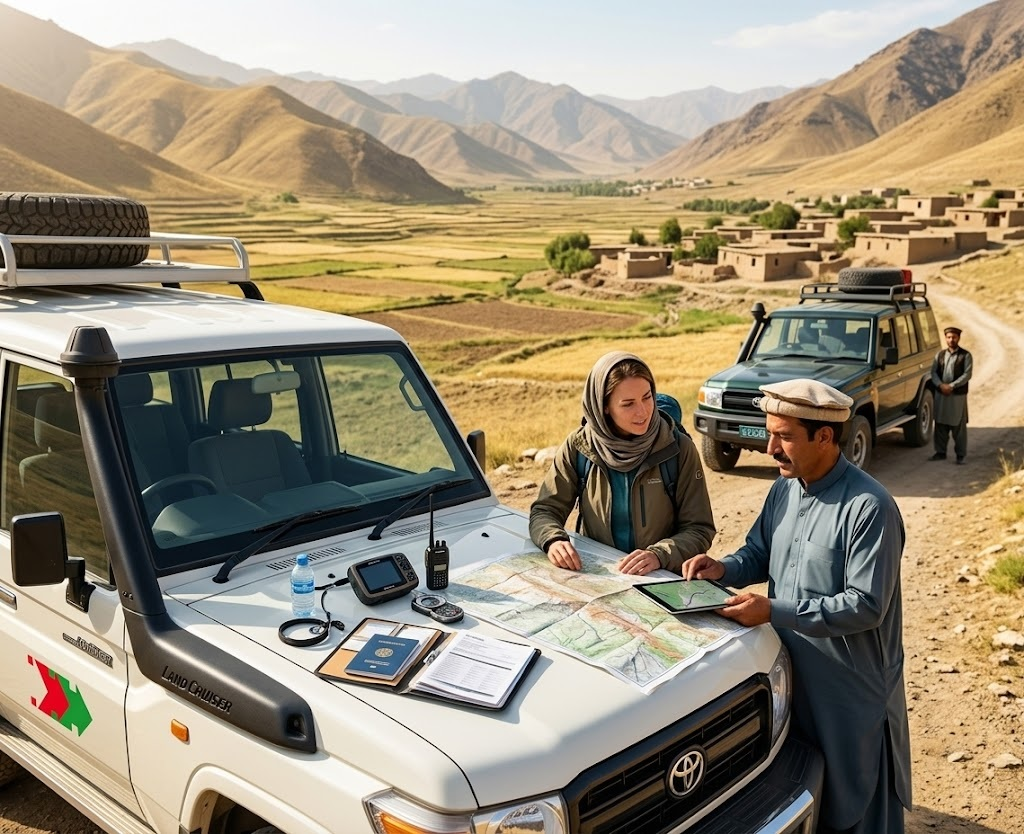
Mobility is one of the most critical components of travel in Afghanistan. Distances between locations can be significant, and terrain often requires specialized vehicles and experienced drivers.
Transport systems within structured travel packages typically include:
- Soft-skin vehicles for general mobility
- Armored vehicles for high-risk or sensitive assignments
- Professional drivers trained in local terrain and route planning
- Coordinated convoy or multi-vehicle movement when necessary
Beyond vehicles, mobility involves route intelligence, timing, and contingency planning. Travel is rarely linear; it is a managed process that prioritizes safety and efficiency.
Afghan Logistics & Tours Pvt. Ltd has developed extensive capabilities in this area, offering a fleet supported by maintenance systems, trained personnel, and real-time coordination—ensuring that mobility remains reliable even in complex environments.

Logistics Integration: The Backbone of Effective Travel
In Afghanistan, logistics is not a secondary function—it is central to the travel experience. Every movement, from airport arrival to remote field visits, depends on precise coordination.
Effective travel planning includes:
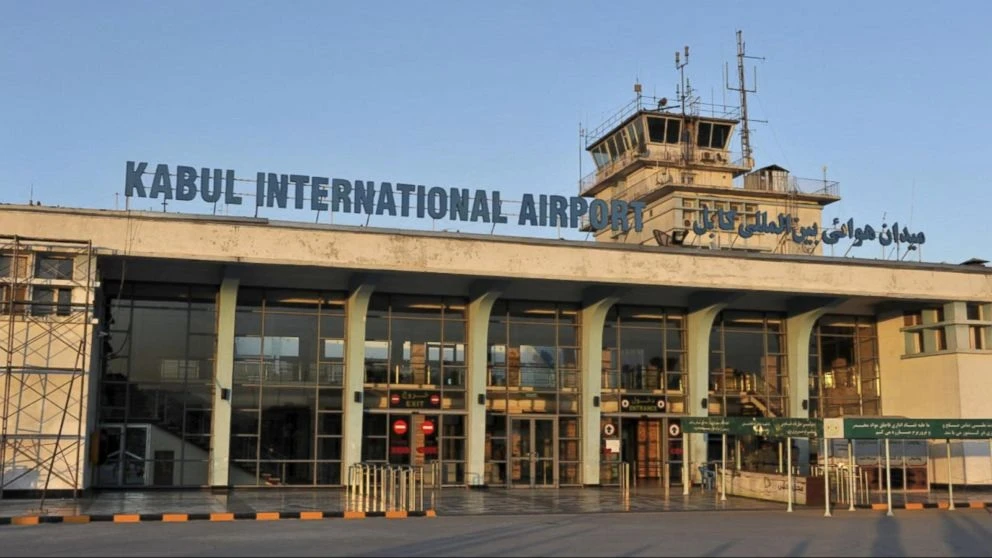
- Airport meet and greet services
- Accommodation arrangements across varying standards
- Internal transport scheduling
- Equipment and supply coordination for remote travel
- Communication systems for field operations
For organizations and professionals, these elements are essential for maintaining operational continuity. A well-structured travel plan ensures that objectives—whether reporting, research, or project implementation—are not disrupted by logistical gaps.
Cultural Intelligence and Responsible Travel
Afghanistan’s cultural landscape is deeply rooted in tradition, social values, and regional diversity. Understanding and respecting these elements is a critical aspect of travel.
Responsible travel practices include:
- Dressing in accordance with local norms
- Learning basic phrases in Dari or Pashto
- Seeking permission before photography
- Engaging respectfully with communities
- Minimizing environmental impact
Travelers who approach Afghanistan with cultural awareness often find richer, more meaningful experiences. Respect fosters trust, and trust enables access—both essential in a country where relationships matter.
Who Uses Afghan Holiday Packages?
The audience for structured travel in Afghanistan is distinct. It includes individuals and organizations operating in high-responsibility environments where precision and reliability are essential.
Typical users include:
- International journalists and media teams
- NGOs and development organizations
- Diplomatic missions and government delegations
- Academic researchers and historians
- Adventure travelers with specialized interests
For these groups, Afghan holiday packages are not leisure products but operational solutions. They provide the structure needed to navigate complex environments while maintaining focus on core objectives.
Technology and Coordination in Modern Travel
Technology plays an increasingly important role in facilitating travel in Afghanistan. From mobile booking systems to digital invoicing and real-time communication, modern tools enhance transparency and efficiency.
Key technological features often include:
- Vehicle tracking systems
- Digital payment solutions
- Automated invoicing and receipts
- Centralized communication platforms
These systems reduce uncertainty and provide accountability—both critical in environments where coordination must be precise.
ALT has integrated such technologies into its operations, enabling clients to manage travel logistics with clarity and confidence.
Flexibility as a Core Travel Principle
One of the defining features of travel in Afghanistan is the need for flexibility. Plans may change, and adaptability becomes a core strength rather than a compromise.
Travel frameworks are designed to:
- Adjust routes based on real-time information
- Modify schedules when necessary
- Provide alternative accommodation or transport options
- Ensure continuity despite changing conditions
This flexibility is not a sign of instability but a reflection of responsive planning. It allows travelers to maintain momentum while navigating a dynamic environment.
Key Destinations Within Structured Travel Plans
Afghanistan offers a range of destinations that attract travelers with specific interests:
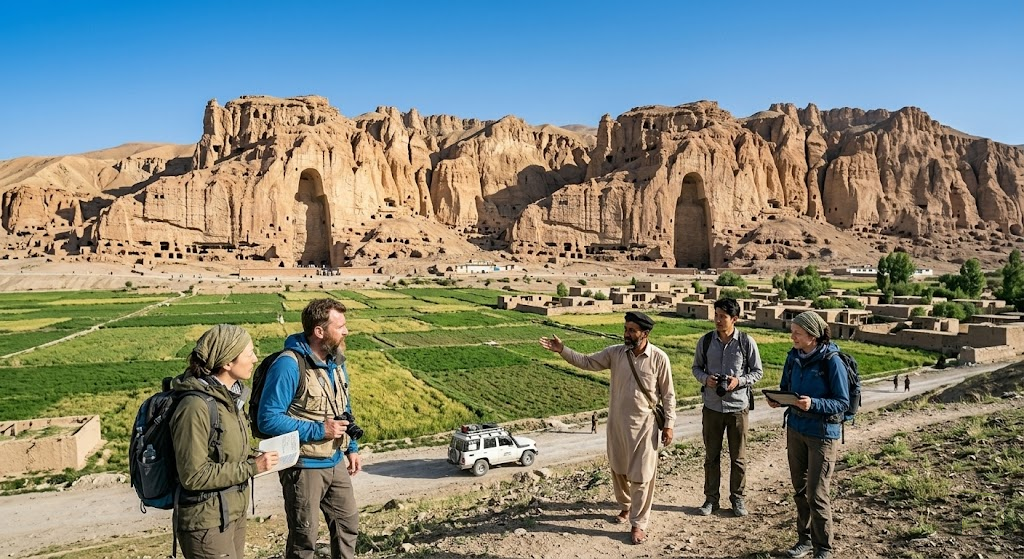
- Bamyan: Known for its historical significance and cultural heritage
- Band-e-Amir: A series of striking natural lakes set within dramatic landscapes
- Badakhshan and the Pamir Corridor: Remote regions ideal for trekking and exploration
- Kabul: A central hub for coordination, history, and cultural interaction
Accessing these locations requires careful planning, but the experiences they offer are distinctive and deeply rooted in history and geography.
Risk Awareness and Pre-Travel Preparation
Preparation is a critical stage in any Afghan travel plan. Travelers must be equipped with accurate information and realistic expectations.
Essential considerations include:
- Valid travel documentation and visas
- Travel insurance
- Health and safety precautions
- Awareness of local regulations and customs
- Coordination with experienced local partners
A well-prepared traveler is better positioned to navigate challenges and make the most of their time in the country.
The Value of On-Ground Expertise
Local knowledge is one of the most valuable assets in Afghan travel. Understanding regional dynamics, cultural nuances, and logistical realities requires experience that cannot be replicated remotely.
ALT operates with a deep understanding of the local environment, offering insights that enhance both safety and efficiency. Their approach emphasizes coordination, discretion, and responsiveness—qualities that are essential in complex travel scenarios.
Rather than functioning as a conventional travel provider, the company acts as an operational partner, supporting clients across multiple dimensions of travel and logistics.
Rethinking Travel Expectations
Travel in Afghanistan challenges conventional expectations. It is not defined by luxury or convenience but by authenticity, depth, and engagement.
For those prepared to approach it with the right mindset, the experience can be highly rewarding. It offers opportunities to explore regions that remain largely untouched by mass tourism and to engage with cultures that have maintained strong traditions over centuries.
Structured travel frameworks ensure that these experiences are accessible while maintaining safety and operational integrity.
Conclusion: A Different Kind of Travel Framework
Afghanistan requires a different approach to travel—one that prioritizes structure, awareness, and adaptability. Afghan holiday packages are best understood as integrated systems that combine logistics, mobility, cultural insight, and real-time coordination.
For professionals, organizations, and high-intent travelers, these frameworks provide the foundation needed to operate effectively in a complex environment. They transform uncertainty into managed processes and enable meaningful engagement with the country’s landscapes and communities.
With its combination of travel expertise, logistics capability, and on-ground experience, Afghan Logistics & Tours Pvt. Ltd plays a significant role in facilitating such journeys—bridging the gap between intention and execution in one of the world’s most unique travel environments.


















Sign in to leave a comment.