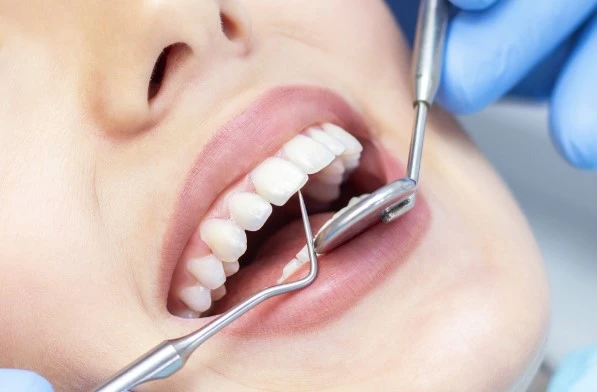

Access to a loan for dental work is expanding in remote Australian communities, helping residents cover urgent after-hours treatment costs. This shift is improving healthcare equity where traditional services remain limited.
In 2022–2023, 2.3 million people in Australia, or 17.6% of the population, delayed essential dental care because of the expense. The problem for isolated areas goes beyond money; it also involves timing, accessibility, and the fact that dental emergencies don't happen during regular business hours. Access to healthcare in rural areas is changing as a result of creative finance options spurred by this problem.
The Rural Dental Crisis: Understanding the Access Gap
Remote Australian communities face a dental care crisis that urban dwellers rarely comprehend. Close to 119,000 people lack access to general dental services within a 60-minute drive, according to the Australian Institute of Health and Welfare. This geographical barrier creates cascading health and financial problems that extend far beyond individual cases.
The Royal Flying Doctor Service provided 48,856 clinical dental services in 2022, nearly double the 25,300 services delivered in 2020. These statistics reveal increasing demand and expanding services while highlighting how many people previously went without essential care. The RFDS operates using fly-in, fly-out, mobile and outreach delivery models across three states, with their dental van covering networks from Broken Hill and Dubbo extending into communities across South Australia and Queensland.
Individual households are not the only ones affected economically. In major cities, the hospitalisation rate for avoidable dental diseases is 3.0 per 1,000 people; in isolated places, it is 4.8 per 1,000. Those who lived in extremely rural places had continuously higher rates than those who lived in big cities between 2016–17 and 2020–21. Every hospital stay entails both individual pain and high medical expenses that may have been avoided with prompt action.
Oral health issues are exacerbated in rural communities by structural disadvantages. They have increased smoking and dangerous drinking rates, decreased access to fluoridated drinking water, and raised the price of dental hygiene items and nutritious eating options. These socioeconomic factors create a complex web of barriers that simple financing solutions alone cannot address, though they represent a crucial first step.
The National Rural Health Alliance reports that rural communities need an additional 21,357 full-time equivalent healthcare personnel to match major cities on a per-population basis. This workforce shortage particularly affects specialist services, forcing patients to travel significant distances for complex procedures.
Breaking Down Barriers: New After-Hours Loan Access Options
The financing environment for dentistry is changing to accommodate the particular requirements of isolated areas. For those balancing employment obligations, long commutes, and family duties, traditional banking hours posed yet another challenge. For urgent dental needs, progressive lenders now provide after-hours application and approval procedures.
In this expansion, technology is essential. It is possible to handle digital applications outside of regular business hours, and computerised preliminary approvals offer instant comfort. Since health crises don't respect business schedules, some providers now provide weekend customer service exclusively for medical and dental emergencies.
Businesses that provide financial technologies are also meeting this demand. Platforms that specialise in personal loan solutions are developing streamlined application processes that can be completed remotely, addressing both the geographical and temporal barriers that remote Australians face when seeking dental financing.
Your Complete Guide to Dental Loan Options in Australia
When dental emergencies occur, Australians can make better judgments if they are aware of their funding options. The market for dental loans has grown considerably, providing better terms and greater flexibility than before, but borrowers still need to carefully weigh their options.
Traditional Bank Products
Personal loans ranging from $5,000 to $55,000 are available for dental work from major banks like NAB, ANZ, and Westpac. Generally, interest rates range from 6.99% to 24.99%, contingent on loan amounts and credit history. Although their qualifying requirements may be onerous for borrowers with complicated financial circumstances, these organisations frequently give money to accepted applicants within one business day.
Specialist Medical Lenders
Companies like Jacaranda Finance, Plenti, and Total Lifestyle Credit focus specifically on healthcare financing. They provide loans ranging from $3,000 to $65,000 and frequently accept candidates with a variety of credit histories. According to Jacaranda Finance, 40% of Australians put off getting dental care because of the expense, therefore their lenient approval standards are especially helpful in emergency cases.
Interest-Free Options
For dental care, qualified individuals can borrow up to $30,000 interest-free under the National Dental Plan. Dental clinics will be paid immediately while patients manage manageable repayments thanks to Centaur Software's cooperation with major payment providers. Borrowers must be aware, nevertheless, that if balances aren't paid off within allotted time, promotional rates frequently turn back to regular rates.
Loan Type
Amount Range
Interest Rate
Key Features
Major Banks
$5,000-$55,000
6.99%-24.99%
Fast approval, established lenders
Specialist Lenders
$3,000-$65,000
8.99%-25.9%
Flexible criteria, healthcare focus
Interest-Free Plans
Up to $30,000
0% (promotional)
No interest periods, practice partnerships
Alternative Platforms
$5,000-$50,000
Variable rates
Digital-first applications, remote processing
Government Support Options
Children ages 0–17 can receive up to $1,132 over two years from the Child Dental Benefits Schedule if their families qualify. Concession card members can also get public dental care from state and territory governments, albeit waiting lists may be months or years long. In Western Australia, residents in remote areas without access to private dentists can access public dental clinics, though those without concession cards must pay full costs.
Some Australians may access superannuation early for medically necessary dental work that causes financial hardship. This option requires careful consideration of long-term retirement impacts and approval from the Australian Taxation Office through established hardship provisions.
Smart Borrowing: Making Dental Loans Work for Your Budget
Realistic repayment capacities and an awareness of actual costs are the first steps towards responsible borrowing. When tooth pain arises, concentrating just on getting better right away without taking long-term financial effects into account might lead to further stress. When assessing financing possibilities for dental work, financial counselors advise taking a methodical approach.
Calculate Total Costs
- Check interest rates from several lenders, taking into account both comparison and advertising rates.
- Add in early repayment fees, monthly account fees, and startup expenses.
- Determine the total amount owed throughout the course of the loan.
- Consider insurance products that may be bundled with loans.
Repayment Strategy Recommendations
- Reduce interest costs by selecting the shortest term you can afford.
- To prevent late fines and preserve your credit, set up automated payments.
- When feasible, make additional repayments to lower the overall cost of interest.
- Inform lenders in advance if your financial situation changes.
Interest-free periods require particular attention. Many promotional rates revert to standard variable rates, often 25.9% annually, if balances aren't cleared within promotional periods. Monthly account fees may apply even during interest-free periods, affecting the true cost of financing.
Companies like CashLend are responding to these concerns by developing more transparent lending practices and clearer disclosure of all costs associated with personal loans, helping borrowers make fully informed decisions about their financial commitments.
Conclusion
For remote Australians facing dental challenges, expanding financing options represent more than convenience. They offer access to necessary medical care that was previously unavailable because of scheduling, location, or cost constraints. Although loans aren't the only way to address Australia's dental access issues, they are filling important gaps while more comprehensive healthcare reforms are being developed.
Dental care finance in remote Australia has changed over time, reflecting broader shifts in the way healthcare services adjust to economic and geographic constraints. Communities that were previously cut off from prompt dental care now have the means to handle dental crises as soon as they arise, rather than waiting for schedules or regular banking hours to allow it. This is due to the expansion of after-hours access to dental loans.
Although sustained improvement will require ongoing innovation and investment from the public and private sectors, this transition is a big step toward healthcare equity. CashLend continues to explore ways to support borrowers through simplified processes and clear communication, helping Australians from all walks of life access the dental care they need without delay.

































Sign in to leave a comment.