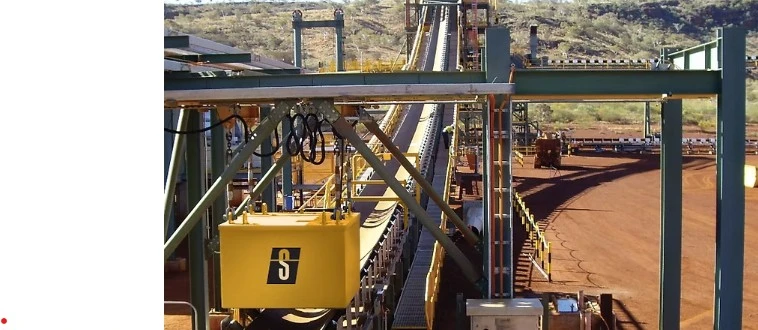

Efficient farm operations are no longer just a goal—they are a necessity. With rising demands, labor shortages, and the need for precision in modern agriculture, technology-driven solutions are redefining the way farmers handle crops and materials. One such innovation that has gained significant traction in recent years is the agricultural conveyor. These systems are designed to streamline operations, reduce manual labor, and improve overall productivity, making them indispensable for farms of all sizes.
Understanding Agricultural Conveyors
At its core, an agricultural conveyor is a mechanical device used to transport bulk materials or crops from one point to another. Unlike traditional manual methods, conveyors automate the movement of items, ensuring faster, safer, and more consistent handling. From grains and seeds to fruits and vegetables, these systems can be customized to meet diverse agricultural needs.
Modern conveyors come in various forms—belt conveyors, chain conveyors, screw conveyors, and pneumatic conveyors—each tailored for specific tasks. Belt conveyors, for instance, are ideal for transporting lightweight produce across short or medium distances, whereas screw conveyors excel in moving grains or semi-solid materials efficiently.
Advantages of Implementing Conveyor Systems in Agriculture
The adoption of conveyor systems in agriculture offers numerous benefits beyond simple automation. One of the most significant advantages is labor efficiency. Farms often rely heavily on manual labor, which can be physically taxing and time-consuming. Conveyors reduce the need for repetitive tasks, freeing workers for more skilled activities, which enhances overall farm productivity.
Another key benefit is consistency. Manual handling can lead to uneven processing or damage to crops, impacting quality and yield. Conveyors ensure smooth and uniform movement, reducing losses and maintaining the integrity of products.
Additionally, safety is a major concern in farm operations. Heavy lifting and repetitive manual work increase the risk of injuries. Conveyor systems minimize these hazards by automating the transport process, creating a safer working environment.
Types of Agricultural Conveyor Systems
When considering an agricultural conveyor, understanding the different types available is crucial to selecting the right system for your farm:
1. Belt Conveyors
Belt conveyors are the most widely used type in agricultural settings. They consist of a continuous belt supported by rollers or a flat surface, ideal for moving grains, vegetables, or packaged goods. Their simplicity, affordability, and adaptability make them suitable for both small-scale and industrial farms.
2. Screw Conveyors
Screw conveyors use a rotating helical screw blade to move granular or semi-solid materials. They are particularly effective for transporting grains, feed, or compost and are often enclosed to prevent spillage or contamination.
3. Chain Conveyors
Chain conveyors are designed for heavy-duty applications, capable of moving large loads over longer distances. They are commonly used in handling pallets of produce or large containers of harvested crops.
4. Pneumatic Conveyors
Pneumatic systems use air pressure to transport materials through tubes or pipelines. While more complex and costly, they are ideal for moving delicate items such as seeds or grains over long distances without physical contact, preserving quality.
Integrating Conveyor Systems into Farm Operations
Successful implementation of an agricultural conveyor requires careful planning and consideration of farm layout, crop type, and operational requirements. Start by assessing the volume of material to be moved daily and the distances involved. Selecting the appropriate conveyor type ensures optimal efficiency and minimal downtime.
Maintenance is another critical factor. Regular inspections, lubrication, and timely replacement of worn-out parts keep conveyor systems running smoothly. Many modern systems also offer modular designs, allowing easy expansion or reconfiguration as farm operations grow.
Real-World Applications of Agricultural Conveyors
Across the globe, farms are leveraging conveyors to streamline operations. In grain processing facilities, conveyors move harvested wheat, rice, and corn directly from storage bins to processing units, reducing time and labor costs. Fruit farms use belt conveyors to transport apples, oranges, and tomatoes from orchards to packing stations, ensuring minimal bruising and spoilage.
Even in greenhouse operations, small-scale conveyor systems help in moving seedlings, potted plants, and harvested vegetables efficiently, reducing manual handling and allowing workers to focus on cultivation and quality control.
Environmental and Economic Benefits
Beyond operational efficiency, conveyors contribute to sustainable farming practices. By reducing the need for fuel-powered vehicles and excessive manual labor, they lower carbon footprints and minimize environmental impact.
From an economic perspective, the investment in conveyor systems often pays off quickly. Reduced labor costs, minimized crop losses, and faster processing times translate into improved profitability and a stronger competitive edge in the agricultural market.
Future Trends in Agricultural Conveyors
Technology continues to evolve, and the future of agricultural conveyors looks promising. Automation, robotics, and IoT integration are set to make these systems even smarter. Sensors can monitor crop flow, detect blockages, and provide real-time performance data, allowing farmers to optimize operations with minimal human intervention.
Additionally, energy-efficient designs and solar-powered conveyors are emerging, enabling eco-friendly operations while lowering operational costs. These innovations are not only transforming farm efficiency but also making agriculture more sustainable and resilient.
Conclusion
The role of agricultural conveyors in modern farming cannot be overstated. By automating material handling, enhancing efficiency, ensuring safety, and preserving crop quality, these systems have become a cornerstone of productive and profitable farm operations. With various types and applications available, adopting the right conveyor systems can provide significant operational, economic, and environmental benefits.

For farms aiming to stay competitive, increase output, and streamline daily processes, investing in agricultural conveyors is no longer just an option—it is a strategic necessity. Embracing this technology today sets the foundation for a more efficient, sustainable, and profitable agricultural future.












Sign in to leave a comment.