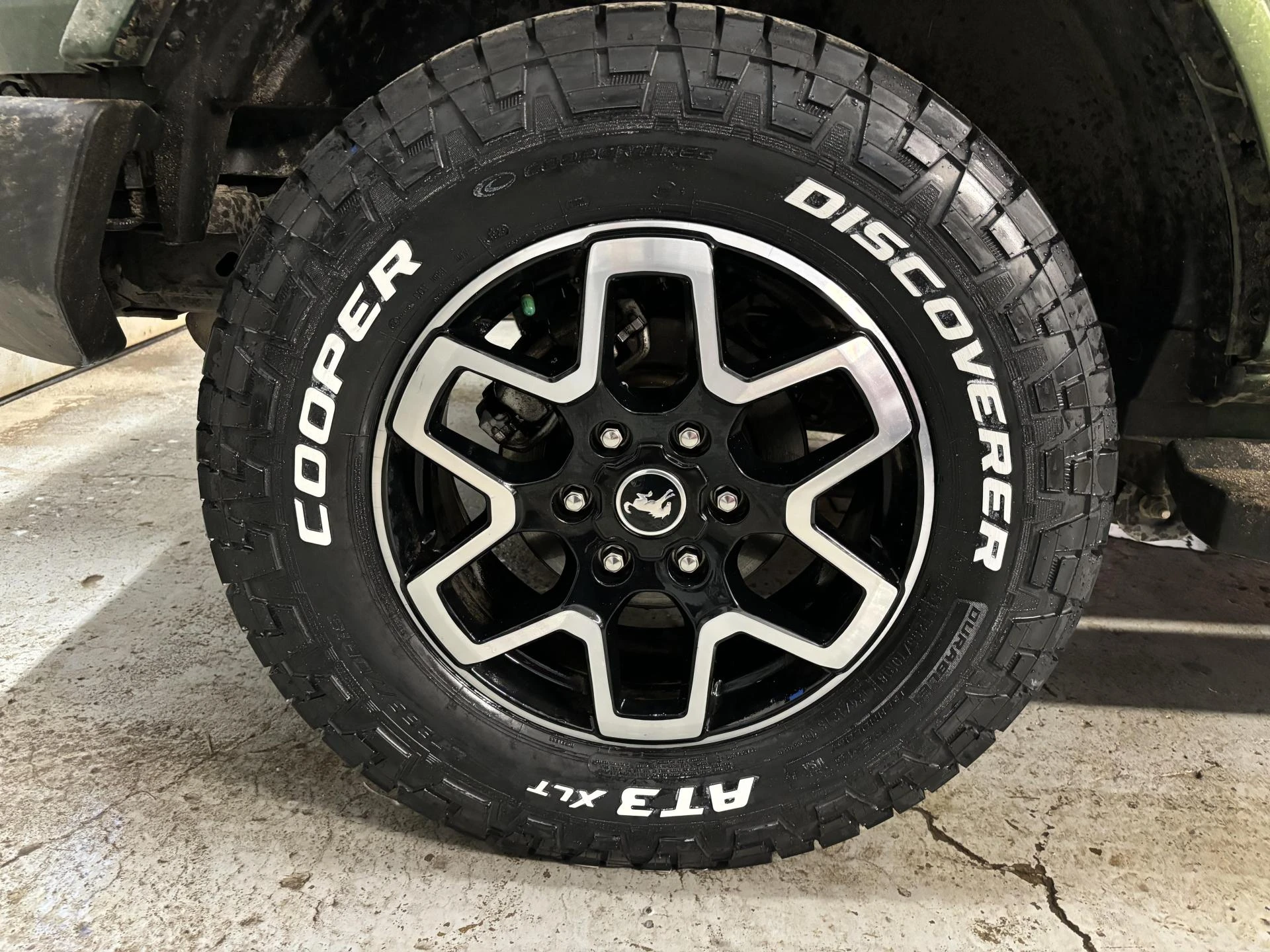

Simply driving carefully isn’t enough for Cooper tires. You need to check them regularly to prevent road wear, bad weather, and car issues. Cooper started making tires in 1914. They make them for city streets or rugged trails. Take their Discoverer line, for example. It has deep grooves that grip dirt or rocks. These tires can last 40,000 to 70,000 km if you maintain them properly. Without proper care, they wear unevenly, burn more fuel, and slip on rain or snow. Follow these easy tips from local tire experts. They help your tires last longer and keep drivers safe.
Know Your Cooper Tires
Get to know your tires first. That sets you up for good care. Cooper uses tough rubber and groove shapes for real jobs. The CS5 Grand Touring works fine on dry pavement or wet streets. It steers steady in puddles. The Discoverer AT3 bites into loose dirt or wet mud. It still feels okay on highways. Grooves have tiny slots for extra hold. Side parts stay strong against sharp stuff. Pick tires that fit your car and drive. Look at load numbers and top speed in your owner's book. Too much weight or speed grinds down the top and edges. Grooves have built-in bars. When the tread wears to 2/32 inch, it shows. Swap tires at this point to stop the water skid and hold the brakes well.
Check Tires Often
Pros say monthly visual and touch checks spot problems early. These checks add thousands of km to your Cooper tires. Do them before long trips, too. Look for cuts, bulges, or stuck objects that could lead to blowouts.
- Tread depth: Use a tread gauge or the penny test. Put a penny in the groove with the Queen's head down. If you see the full crown, the depth is under 2/32 inch. Replace the tires right away. Uneven tread means you need an alignment fix.
- Sidewalls: Check for cracks, bulges, or scrapes from curbs. Damage here weakens the whole tire structure.
- Valve stems: Make sure caps are tight with no leaks. Leaks cause slow air loss, extra heat buildup, and faster wear.
- Debris: Pick out rocks or nails from grooves. This stops uneven wear and small holes.
Make these checks a habit. They boost safety with better grip and handling.
Check Air Pressure Right
The right air pressure cuts wear, saves fuel, and improves your ride comfort. Low pressure causes rolling drag, extra heat, too much sidewall flexing, and fast wear. High pressure wears the center tread and makes the ride bumpy.
Check pressure on cold tires that have sat for 3 hours or more. Use a reliable gauge. Follow the PSI number on your driver's door sticker. Do not use the max PSI on the tire sidewall. Proper pressure adds up to 4,700 km based on industry tests.
- Tires lose about 1 PSI each month. They lose more in cold weather at 1 PSI per 5°C drop.
- Add a little air for heavy loads or highway drives. Stay under the max limit.
- Consider nitrogen fill. It holds pressure better than regular air and reduces rust on the wheel inside.
Rotate, Align, and Balance
These services even out wear and extend your Cooper tires. Pros recommend them often.
- Rotate every 8,000 to 13,000 km or at oil changes. Use a cross pattern for non-directional tires. Use front-to-rear for directional tires. This balances wear from the front steering and rear weight.
- Align wheels yearly or after hitting potholes. It keeps the wheels straight on the road. This stops pulling to one side or edge wear. Bad alignment can cut tire life by 20 percent.
- Balance every 8,000 km or with new tires. Technicians add small weights to rims. This fixes shakes and spot wear from uneven weight.
Get these done together for the best results and longer mileage.
Drive to Save Tires
Your daily driving habits affect Cooper tire life a lot. Rough moves wear the tread and rubber fast.
- Start and stop gently. Quick acceleration spins tires and wastes tread. Hard braking skids the surface.
- Stay under the tire's speed rating. High speeds build heat that breaks down rubber.
- Dodge potholes or slow down before them. Hard hits can bend inner belts.
- Enter corners at lower speeds. This reduces stress and scrubbing on the sidewalls.
These habits extend tire life, save fuel, and give better control for safer drives.
Handle Canadian Weather
Canada has cold winters, hot summers, and road salt. These hurt tires fast. Switch to Cooper Weather-Master winter tires when temps drop below 7°C. All-season rubber hardens in cold and loses grip.
- Winter care: Wash salt off tires often to stop rust. Check for cracks from ice.
- Summer care: Look for heat cracks in rubber. Make sure tread grips wet roads well.
- Check pressure more often. Heat makes it rise quickly.
- Rotate tires during season swaps. This lets you check wear patterns.
Store Tires Right
For off-season tires, clean them well. Remove dirt and brake dust first. Store in a cool spot at 10 to 20°C. Keep them dry and away from the sun or engines that make ozone.
- Stack them flat or hang them up. Never let them stand upright.
- Use protective bags.
- Inflate slightly to hold the shape.
Stored right, tires avoid flat spots, cracks, or bends. They perform like new next season.
Conclusion: Get More from Your Tires
Use these simple pro tips every day. Start with monthly checks, right air pressure, and rotations. Add good driving habits and weather care. Your Cooper tires will last longer, often up to 70,000 km. You save money on fuel and new tires. Most importantly, you stay safer on the road with better grip and control. For hands-on guidance, care, or purchasing a new pair of tires, stop by Lake City Performance today.



























Sign in to leave a comment.