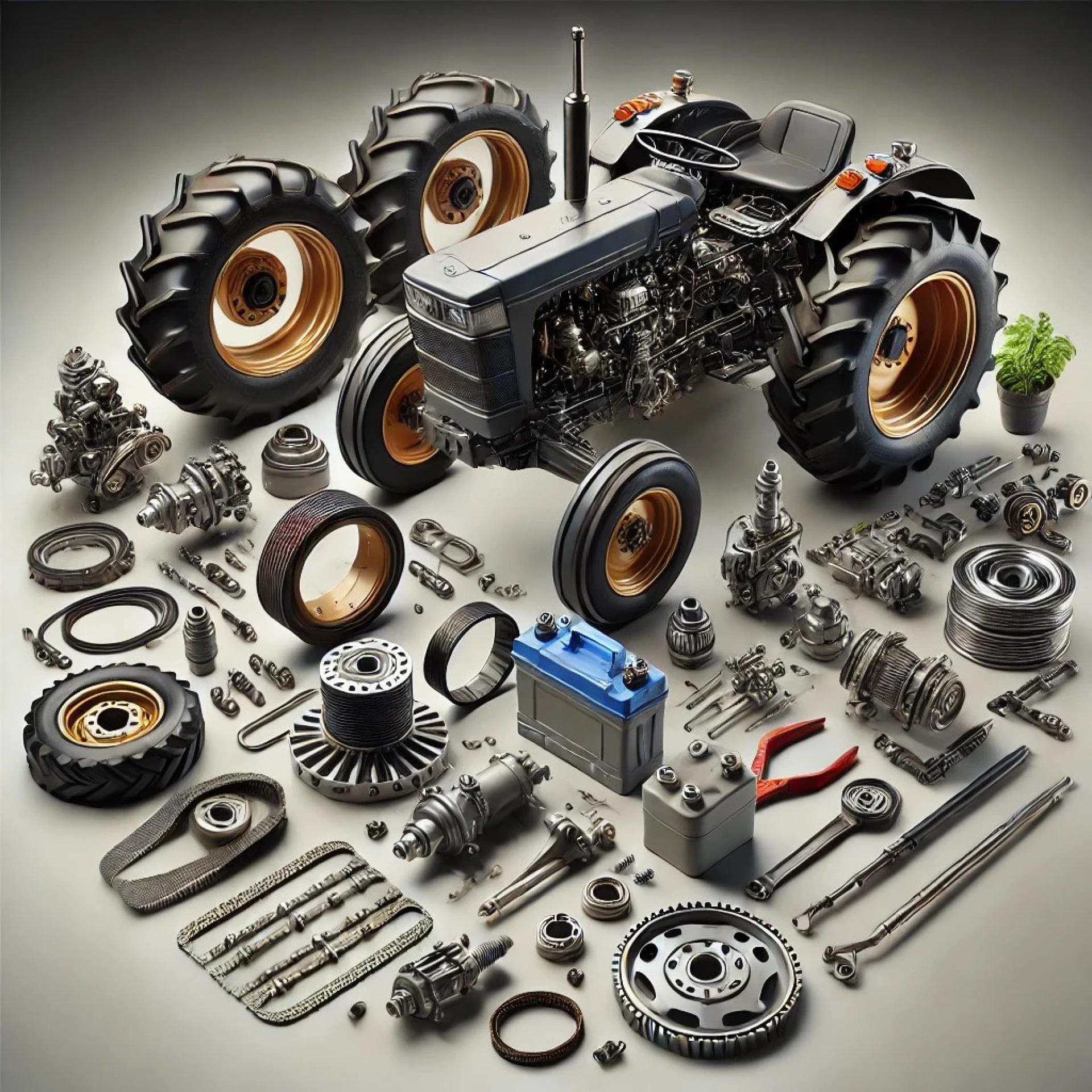
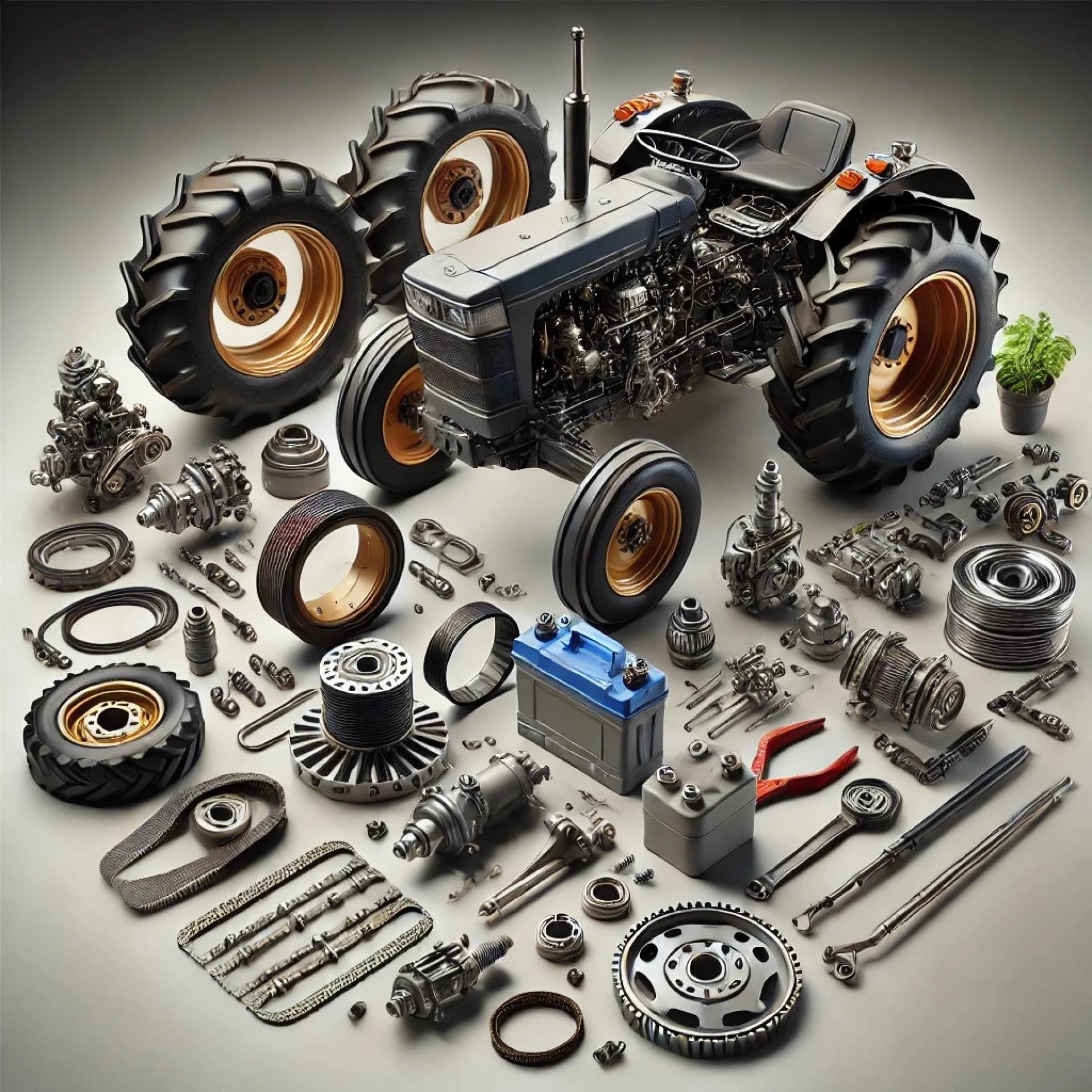
Farming equipment is vital for a productive agricultural life. Among the most essential tools are tractors, and keeping them running well depends heavily on the condition of their parts. Knowing when to repair or replace agricultural tractor parts can save you time, money, and stress.
Why Proper Maintenance Matters
Tractors face tough tasks every day—plowing, tilling, planting, and hauling. Each of these jobs wears down the machine bit by bit. To keep your tractor in good shape, regular inspection of key parts is necessary. Failing to catch early signs of damage can lead to bigger and more expensive problems later on.
Signs You May Need to Repair or Replace Parts
Instead of relying on a table, here are key signs to watch for:
- Unusual noises – Grinding or knocking sounds can mean worn-out gears or bearings.
- Reduced engine power – May indicate issues with the fuel filter, air filter, or engine valves.
- Hydraulic problems – Slow or unresponsive hydraulics often point to faulty pumps or fluid leaks.
- Vibrations or rough rides – Could mean problems with tires, axles, or steering components.
- Leaks – Oil or hydraulic fluid leaks can signal seal failure or worn gaskets.
Common Tractor Parts That Wear Out
Some parts wear out faster than others. Farmers should pay close attention to:
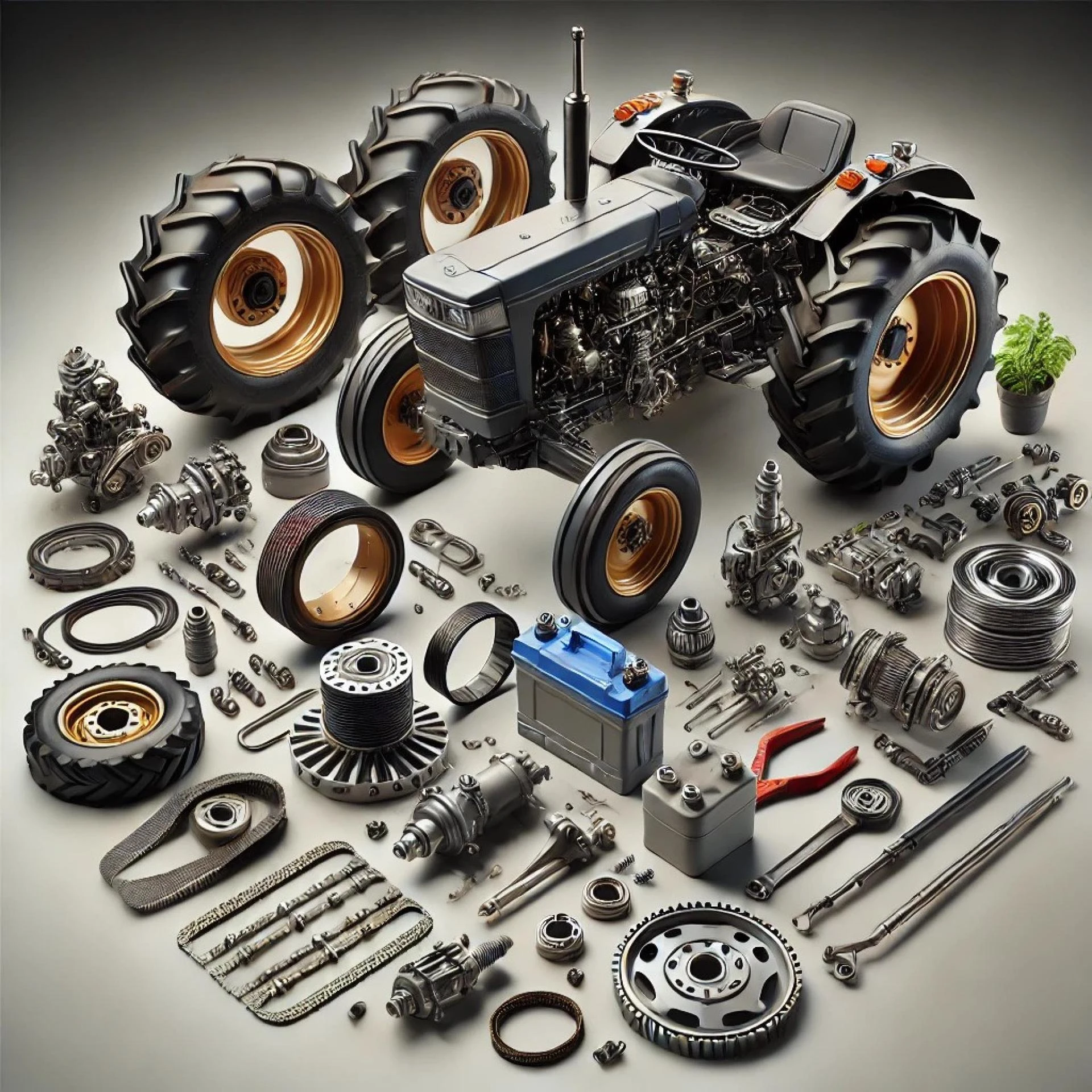
- Engine filters (air, oil, fuel)
- Hydraulic hoses and fittings
- Belts and pulleys
- Brake pads and linings
- Steering joints and linkages
- Battery and cables
Repair or Replace? How to Decide
Here’s how to know what action is best:
- Repair when the issue is small, like tightening loose bolts, replacing filters, or fixing hoses.
- Replace when the part is beyond its useful life, like cracked belts, worn-out tires, or damaged hydraulic cylinders.
Tips for Keeping Your Tractor in Good Shape
- Regularly inspect key parts – Set a schedule, either weekly or monthly, based on how often you use the tractor.
- Clean machinery after use – Dust and debris buildup can damage components.
- Lubricate moving parts – Reduces friction and wear, especially in gears and joints.
- Check fluids – Engine oil, transmission fluid, and hydraulic oil should be topped up and replaced as needed.
- Store under cover – Protect tractors from rain, sun, and moisture to prevent rust.
Budgeting for Repairs and Replacements
Repairing or replacing agricultural tractor parts doesn’t have to be expensive if planned right. Here are ways to stay ahead:
- Set aside a small fund monthly for parts.
- Keep a checklist of parts that were recently replaced.
- Buy parts during off-season sales when prices are lower.
Where to Get Reliable Parts
Not all parts are created equal. Always:
- Buy from trusted agricultural suppliers.
- Ask other farmers for recommendations.
- Avoid very cheap parts—they often wear out faster and may cost more in the long run.
Why It Pays to Act Early
Waiting too long to replace failing parts can lead to larger system failures. For example:
- A worn-out belt can snap and damage other engine parts.
- Faulty brakes may cause accidents, especially on slopes.
- Worn tires affect traction and increase fuel use.
By acting early, you protect both your investment and your work output.
Final Thoughts
Keeping your agricultural tractor parts in good shape is one of the most important things you can do to ensure smooth farm operations. With regular checks, smart repairs, and timely replacements, your tractor will serve you well for years. Don’t wait for a major breakdown—be proactive and stay ahead of problems.
Every farmer deserves reliable machinery. And with a little care, your tractor can remain strong and steady through every season.


























Sign in to leave a comment.