

The content business is gradually changing, or the right term is ‘evolving’, to become more conscious and in control. The erstwhile process of paraphrasing content after sifting through 5 blog posts on a specific keyword is outdated.
Now, the entire game is about AI content optimization. In simpler terms, making your content more readable by AI search engines. This approach leans on clarity, structure, citations, and intent. It also emphasizes the human touch: real insights, unambiguous answers, and accessible language.
In this article, we will look at how you can make your content stand out with AI content optimization and more. So, follow along.
What Does Content Optimization Entail?
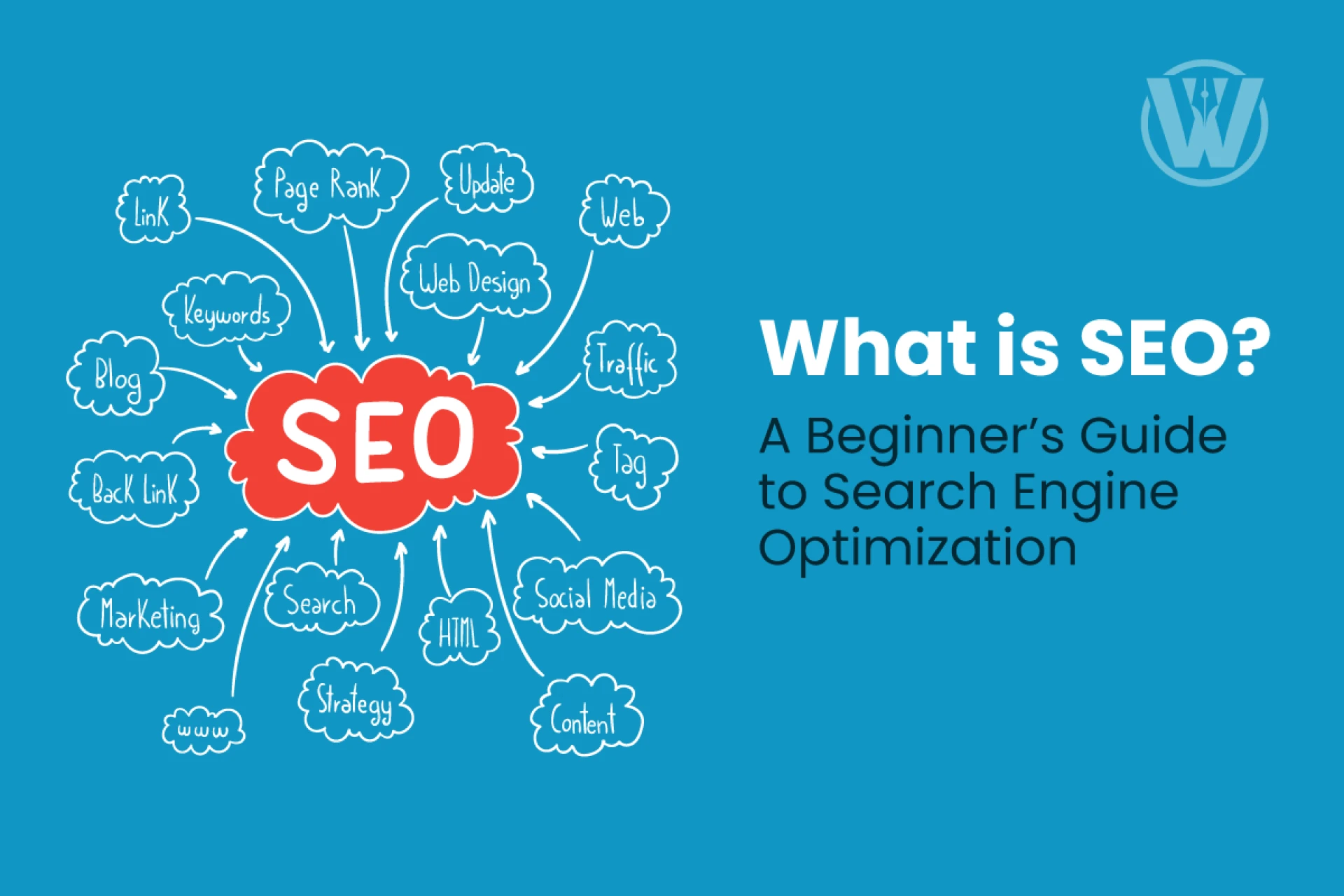
Content optimization is the deliberate process of improving how your writing is found, understood, and used by people and machines. In classic SEO terms, it means aligning topic, keywords, structure, and technical signals with searcher intent.
In the AI era, it additionally means making your content extractable: clear sections, direct answers, consistent terminology, and credible sourcing. When executed well, AI content optimization helps language models map your piece to common questions, pull correct snippets, and surface your work in conversational results.
Content Optimization Checklist You Must Follow
As it can be inferred, AI content optimization helps with visibility. It does so by making the content more crawlable and AI-friendly. However, it is an active process that needs addressing.
As a result, having a clear idea about the right means to ace it is very important. This is why we have curated a checklist you need to follow to optimize content for answer engines. Let us dive right in!
#1 Understand How AI Crawls
AI systems do not read words or sentences as a whole. They break it down into tokens, chunks, and patterns. Once the system breaks it down, it looks for coherent ‘chunks’ to summarize.
Therefore, structured content with short paragraphs, distinct headings, and minimal jargon is easier to parse and reuse. Always remember that AI-powered search models gravitate towards concise, high-confidence statements supported by citations.
They favor clarity, consistent terminology, and predictable formatting, all of which are central to AI content optimization.
#2 Target Real User-Centric Questions
Start with the questions people actually ask. Not only keyword phrases, but also the exact questions. Then map your content sections to those queries. This approach positions your piece for conversational search, answer engines, and dynamic overviews that synthesize multiple sources.
Build a short question bank for each post. Use it to guide your structure, subheadings, and conclusion. Reflect those questions in your language so the model can align queries to your answers. This is foundational to AI content optimization because it aligns form with intent, not just with the keyword.
#3 Answer Directly
Just as asking direct questions helps, answering directly also has its perks. In short, directness always wins. Open with a concise, definitive answer before elaborating. That upfront clarity improves your odds of being excerpted or summarized.
At the top of each section, include a one-sentence answer or takeaway. Then follow with context, nuance, and sources. Format also matters; therefore, use bold key statements, use lists for steps, and create contrast to make the answer stand out visually.
#4 Structure Your Content
One of the easiest ways to make your content AI-friendly is to follow a structure closely. When we say a structure, we mean following a header hierarchy. Here is a brisk rundown:
- H2 for major sections.
- H3 for sub-steps or examples.
- Bulleted lists for procedures and requirements.
- Tables sparingly for comparisons (ensure accessibility).
- Callouts for warnings or best practices.
This is absolutely important for content parsing, since it helps AI systems break the content into smaller sections that they can crawl individually. Therefore, keep consistent formatting. Avoid decorative headings that hide intent. If the section explains “Use Schema Markup,” say exactly that in the heading.
#5 Use Simple Language
One of the most novice mistakes that one can commit is not use simple language. This is most evident in the writings of newer writers who are trying to prove something. Technical jargon is great, but it often leaves room for misinterpretation.
Therefore, do not overuse jargon or words that you have a limited understanding of. Moreover, favor short sentences, active voice, and familiar words. Explain acronyms by mentioning the fullform and then using the abbreviation.
If a sentence exceeds 20 words, see if it can be split without losing meaning. Simplicity is a pillar of AI content optimization because it strengthens signal over noise.
Optimizing Content The Right Way
AI content optimization is not a luxury. It is a way of formulating your content into something readable, simple, yet comprehensive enough to cover all the points. This is a very important metric for enhanced crawlability and understanding.
For better results, the next time you publish your post, run it against this checklist. If you can honestly check most boxes, you’re likely ready. Not just for search engines, but for the AI systems that summarize, compare, and recommend what you write.





























Sign in to leave a comment.