
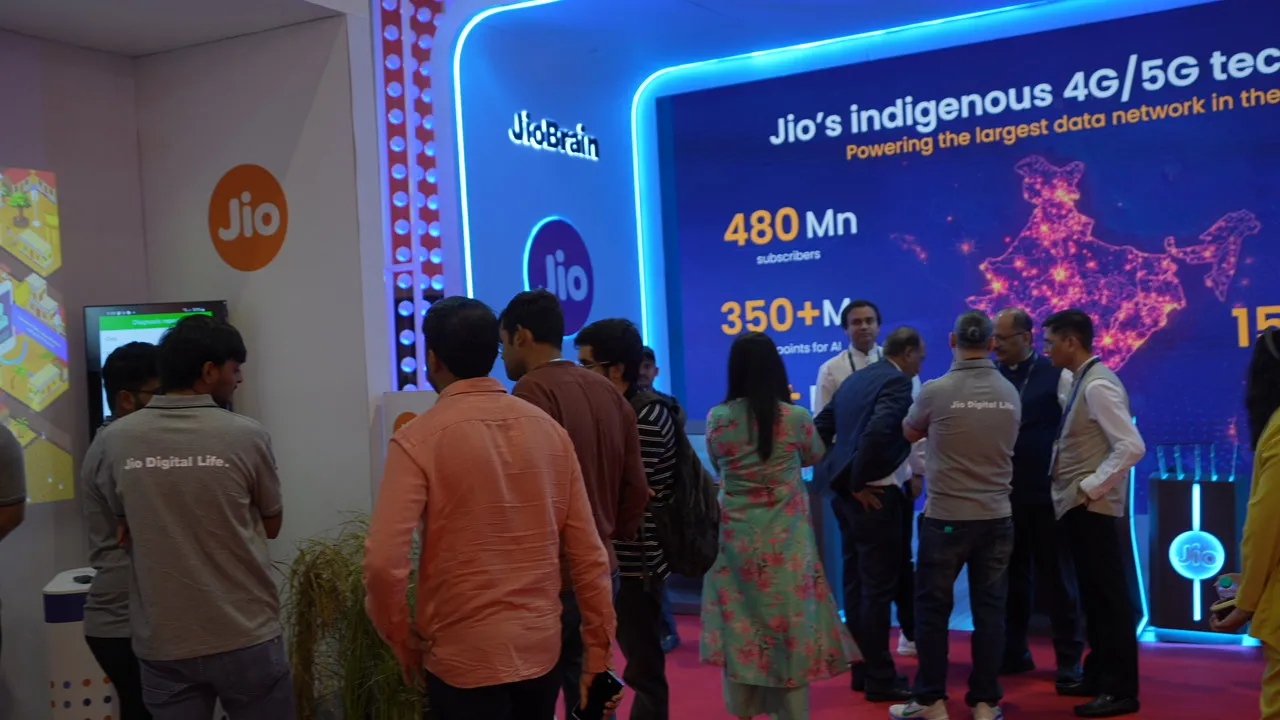
There's a moment that stays with every technologist who walked through Reliance Jio's pavilion at the 2024 India Mobile Congress. You picked up a small acrylic placard, placed it on a kiosk, and suddenly — the massive LED wall behind it came alive. Animations cascading. A story unfolding. An entire vision of rural India powered by 5G intelligence, right there in front of you.
That is what ai in experiential marketing feels like when it stops being a talking point and starts being a memory.
India's retail and enterprise event space has a real problem. Brands pour crores into experiences that people scroll past in 15 seconds. The booth looks spectacular. The brochure is glossy. The presentation is polished. But nothing sticks. And when the conversation moves to ROI, the numbers are always a little vague.
The shift happening right now is not about better displays or louder activations. It is about intelligence — experiences that respond, adapt, and feel genuinely personal to the person standing in front of them.

Why Traditional Experience Centers Hit a Wall
Walk into most corporate experience centers or exhibition pavilions and the format is predictable: video wall, product demo, a person explaining things, maybe a VR headset in the corner.
These formats have a shelf life. After the third time a visitor has seen projection mapping on a building facade, the wonder is gone. What they remember is not the light — they remember whether the experience made them feel something, understand something, or do something.
The core challenge: complex ideas resist passive formats. Whether you are Jio explaining JioBrain's AI model to industry delegates, or Deloitte walking retail clients through a transformation roadmap, the real bottleneck is comprehension, not content.
This is precisely where purpose-built ai development solutions change the equation.
Inside the Jio IMC 2024 Experience — What IIC Actually Built
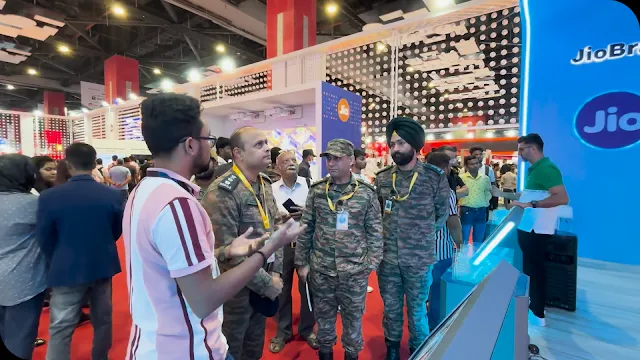
When Reliance Jio approached IIC (Ink In Caps) for India Mobile Congress 2024, the brief was ambitious: help over 170,000 global visitors genuinely understand two things — JioBrain, Jio's proprietary AI model, and their 5G Intelligent Village initiative.
Not explain it. Not show it. Make people understand it.

The JioBrain Kiosk Experience
IIC designed a multi-kiosk interaction system built around physical acrylic placards — each one representing a real industry application of JioBrain.
The user flow was deliberately intuitive:
- Visitor picks up an industry-specific placard (agriculture, healthcare, education, governance)
- Places it on the NFC-enabled surface
- The kiosk display illuminates with custom 2D and 3D animations
- The main LED wall syncs simultaneously — expanding the story to a larger canvas
- The problem statement for that industry appears, then JioBrain's solution
No instructions needed. No staff required. The technology responded to the human, not the other way around.
Under the hood, this ran on NFC cards embedded in each placard, a custom Unity application managing interaction flows, and synchronized multi-screen playback. Getting NFC readers to handle IMC's crowd volumes, debugging recognition issues live, and managing a near-crisis when an LED panel failed minutes before Anant Ambani's visit — these required the IIC team to work through sleepless nights before inauguration day.
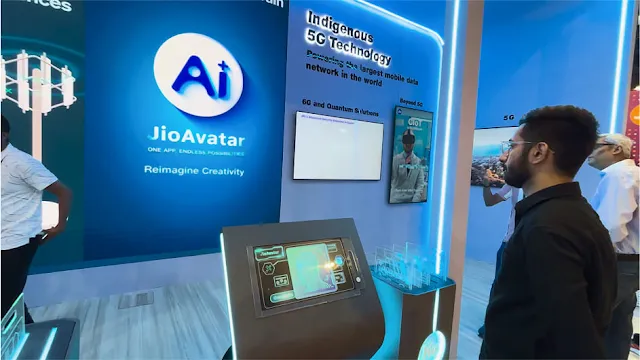
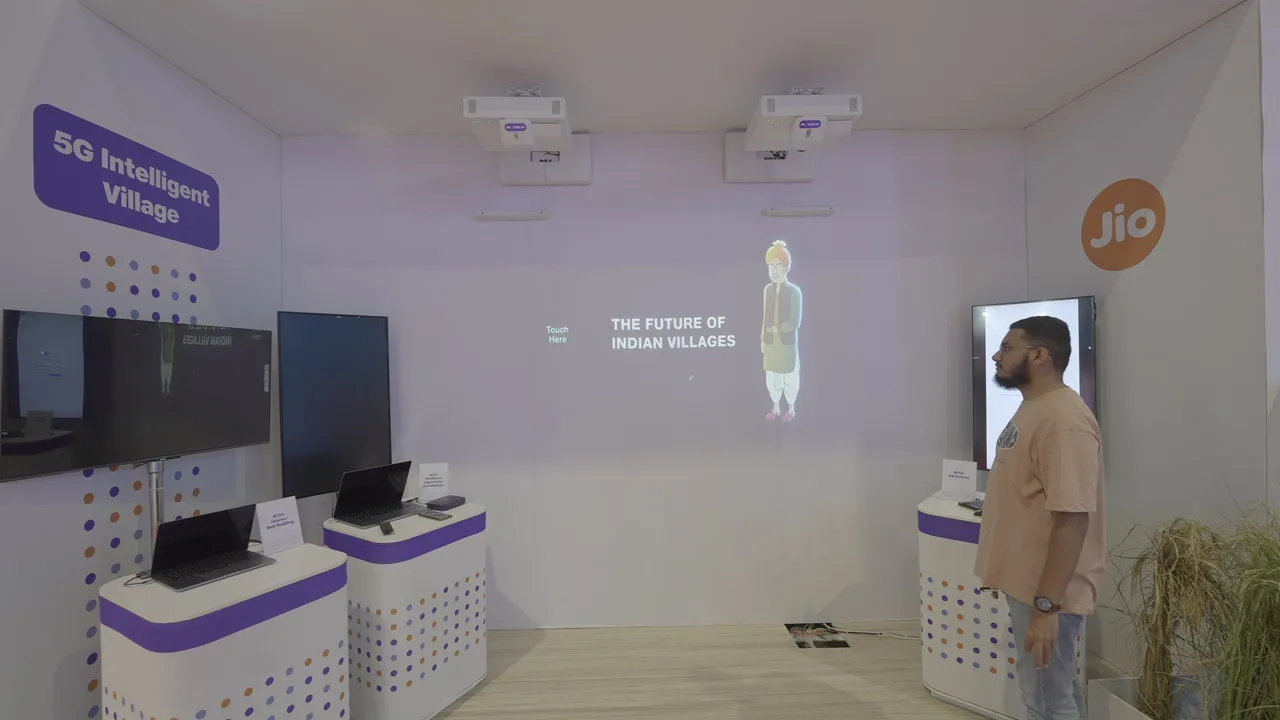
The 5G Intelligent Village
Instead of a flat 2D map, IIC built a 2.5D isometric village — giving the projection wall spatial depth and a sense of real place. Visitors could touch any area of the village — a farm, a school, a health center, a panchayat building — and watch animated stories of 5G integration play out.
The four pillars: Smart Agriculture, Smart Healthcare, Smart Education, Smart Panchayat.
Abstract policy language became visible, tangible human outcomes.
The Numbers Behind the Experience
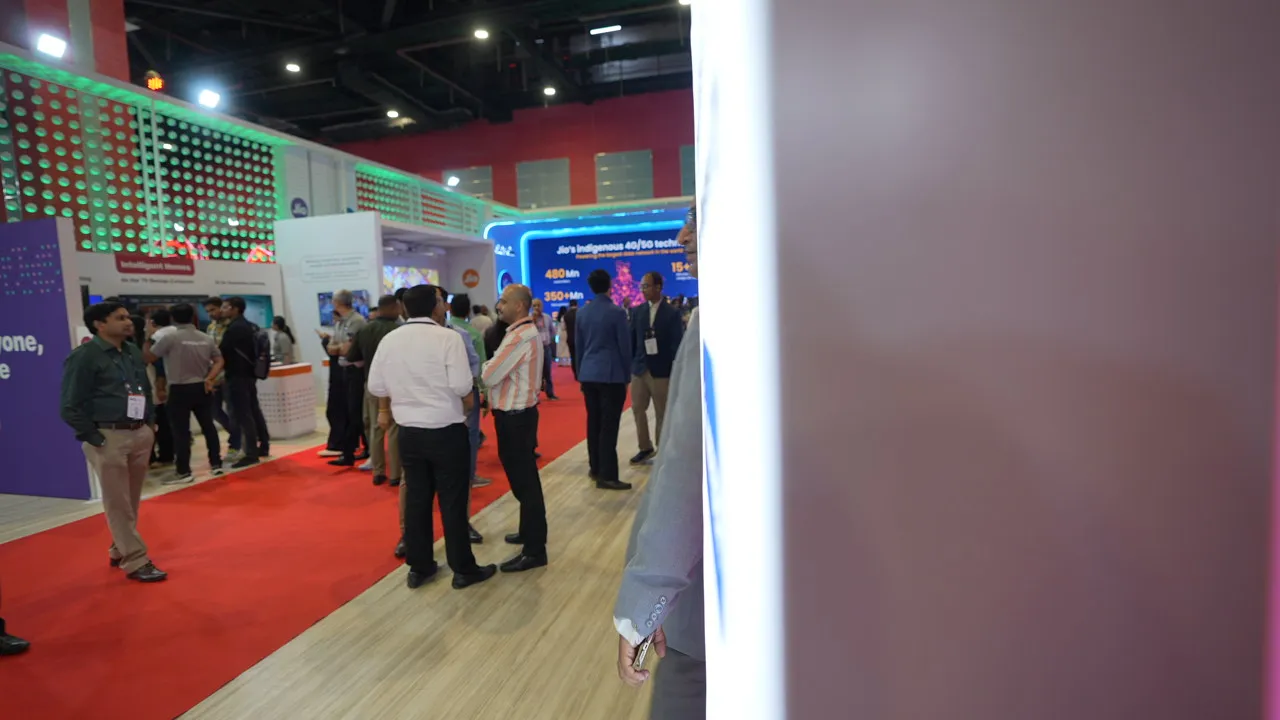
The IMC 2024 showcase attracted over 170,000 global visitors. The JioBrain and 5G Intelligent Village presentation became one of the flagship innovation highlights of the entire event.
But perhaps the most meaningful result was qualitative: Anant Ambani's delegation found the experience fully operational — despite a major technical failure having occurred minutes earlier. That is what quality ai development services built for high-stakes environments actually means.
What This Means for Retail and Enterprise Experience Centers
When you replace a passive video loop with a touch-responsive, NFC-triggered, AI-coordinated experience, three things happen:
- Dwell time increases — visitors stay longer because they are doing something, not watching something
- Comprehension deepens — physical interaction with a concept creates retention that a slide never can
- Recall converts — what people remember, they talk about
For brands investing in experience centers, flagship retail spaces, or enterprise showrooms, the question is no longer whether to integrate AI and interactive technology. The question is how to do it in a way that serves a specific communication and conversion objective.
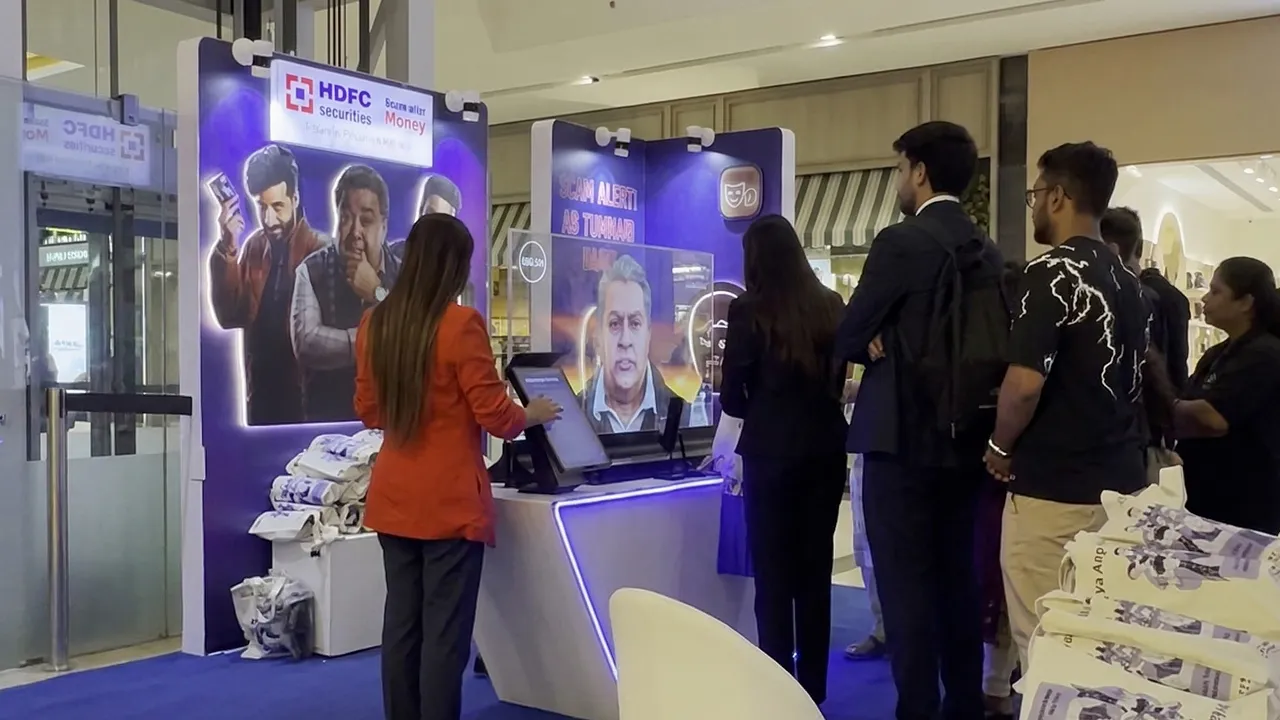
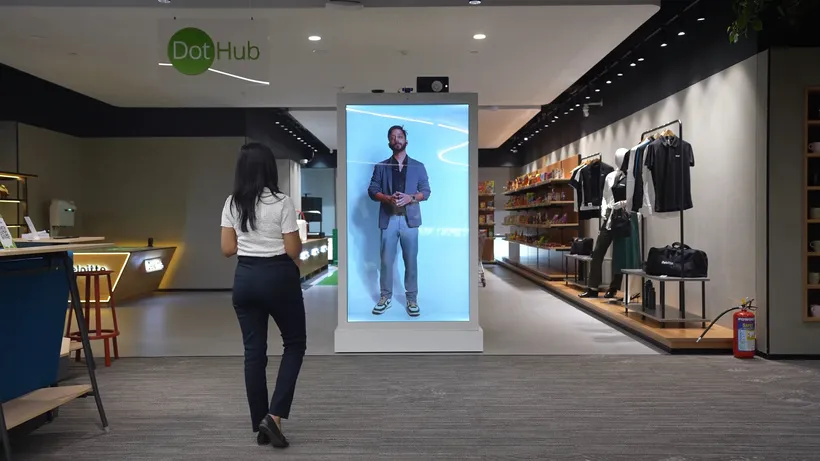
IIC's work across Jio, Deloitte, HDFC, and BMW consistently starts from that strategic question — not from the technology. If you want to see how IIC has approached ai development solutions for retail and enterprise environments, or explore what they built for HDFC's scam awareness campaign using a live AI avatar, take a look at the HDFC Securities interactive avatar case study.
The global AI in retail market was valued at approximately $7.14 billion in 2023 and is projected to cross $45 billion by 2032. Brands that build this capability now are not early adopters — they are simply ahead of the inevitable.























Sign in to leave a comment.