
Manufacturers are integrating artificial intelligence into production processes to improve efficiency and reduce operational costs. The global smart manufacturing market is projected to reach $658.41 billion by 2029 (Fortune Business Insights), driven by advancements in automation, IoT, and AI-powered analytics.
By leveraging product engineering services, manufacturers can enhance predictive maintenance, streamline production workflows, and improve quality control. The adoption of AI in product engineering solutions is revolutionizing factory operations, making them more agile and cost-effective.
Optimizing Production Workflows with AI
1. Intelligent Automation and Robotics
AI-powered automation is transforming assembly lines, reducing manual effort and enhancing precision.
- Smart factories using AI-driven automation experience a 30% increase in productivity (McKinsey).
- Robotics integrated with AI reduce defects by up to 90%, improving overall manufacturing quality.
With product engineering services in retail and industrial sectors, manufacturers implement AI-driven automation to optimize workflows and enhance output quality.
2. Real-Time Data Analytics for Decision-Making
AI analytics provide real-time insights that improve operational decision-making and efficiency.
- AI-driven analytics help factories reduce downtime by 20-40% (Boston Consulting Group).
- Manufacturers using AI-based monitoring see a 15% improvement in resource utilization (Deloitte).
By integrating product engineering solutions, businesses gain access to AI-powered insights that refine manufacturing strategies and enhance overall efficiency.
Predictive Maintenance and Equipment Optimization
3. AI-Based Predictive Maintenance
Traditional maintenance strategies often lead to unexpected downtime and high repair costs. AI-driven predictive maintenance reduces these risks by analyzing equipment performance in real-time.
- Predictive maintenance lowers maintenance costs by up to 25% and reduces equipment failures by 70% (PwC).
- Smart factories using AI-driven maintenance achieve a 20-30% increase in equipment lifespan (Statista).
With product engineering services, manufacturers can deploy AI-based monitoring systems to predict potential failures and schedule timely interventions.
4. Digital Twin Technology for Process Optimization
Digital twin technology, powered by AI, creates virtual replicas of production lines to optimize performance and test improvements before implementation.
- AI-driven digital twins improve operational efficiency by up to 35% (Gartner).
- Companies using digital twins see a 20% reduction in production defects and faster troubleshooting.
Product engineering solutions integrate digital twin models to enhance production planning and reduce waste in manufacturing.
Enhancing Quality Control with AI
5. AI-Powered Visual Inspection Systems
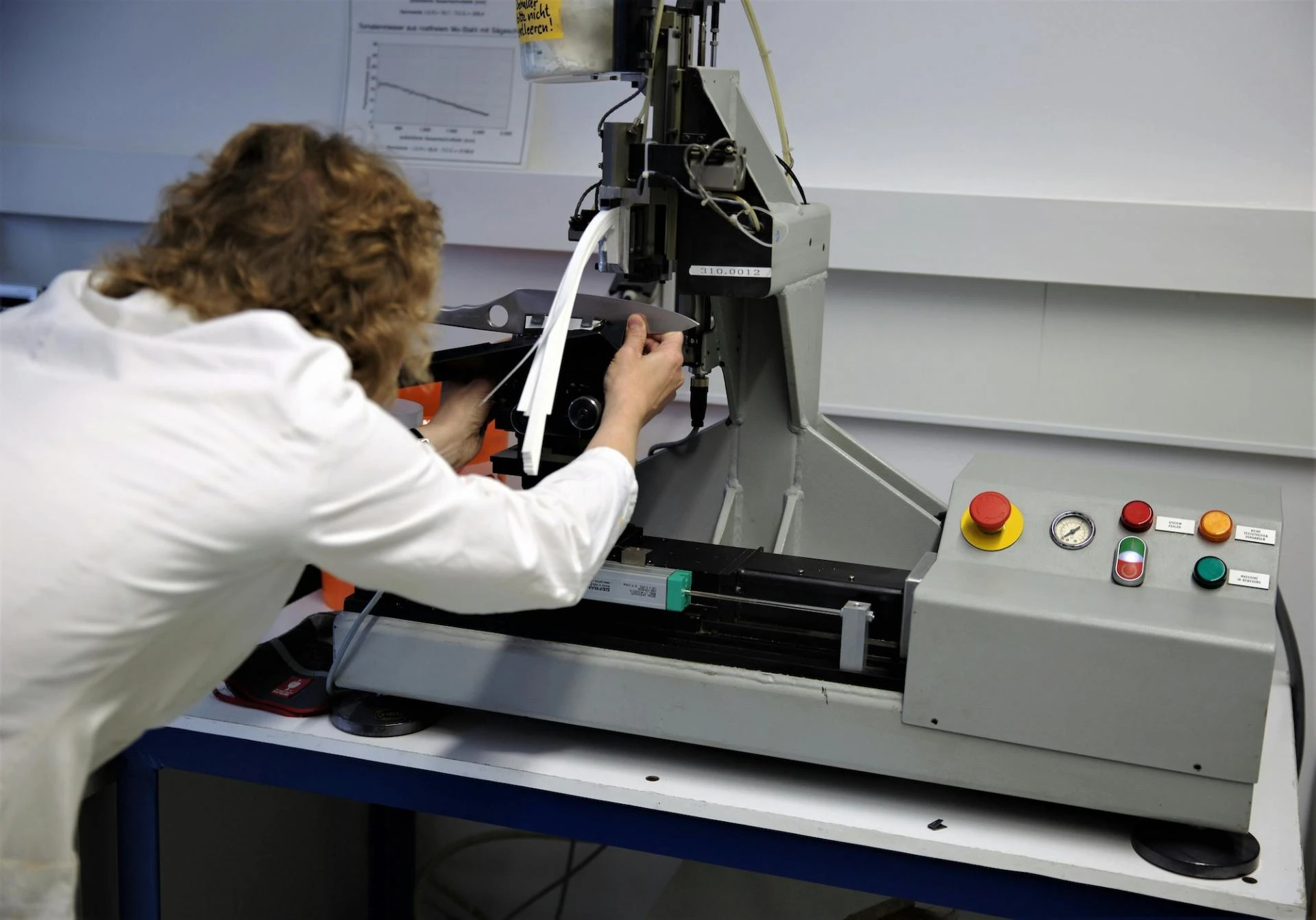
AI-powered vision systems detect defects with greater accuracy than human inspection, ensuring consistent quality control.
- AI-driven quality control reduces manufacturing defects by up to 90%, increasing product reliability (Forbes).
- Smart factories using AI-based vision systems improve inspection speed by 30-40% (McKinsey).
By adopting product engineering services in retail and industrial manufacturing, businesses enhance quality assurance through AI-driven precision.
6. Supply Chain Optimization with AI
AI enhances supply chain efficiency by predicting demand fluctuations and optimizing inventory management.
- AI-driven supply chain solutions reduce excess inventory by 20-50% and improve order fulfillment rates (Harvard Business Review).
- Smart supply chains leveraging AI increase overall logistics efficiency by 25% (Capgemini).
Product engineering solutions provide AI-driven supply chain optimization, ensuring smoother operations and improved customer satisfaction.
Future of AI-Driven Smart Factories
7. Sustainable Manufacturing with AI
Sustainability is a growing focus for modern manufacturing, and AI helps optimize energy consumption and waste reduction.
- AI-powered energy management systems cut energy consumption by 15-20% (World Economic Forum).
- AI-driven material optimization reduces production waste by 30-40%, supporting eco-friendly practices.
With product engineering services, manufacturers can implement AI-driven sustainability initiatives that reduce costs and environmental impact.
8. Human-AI Collaboration in Smart Factories
The future of manufacturing is not about replacing workers but enhancing their capabilities through AI-driven assistance.
- AI-assisted workers improve efficiency by 20-35% by automating repetitive tasks (MIT Technology Review).
- Smart factories with AI-enabled collaboration tools see a 40% increase in workforce productivity (Accenture).
Manufacturers utilizing product engineering services in retail and industrial production create intelligent work environments that maximize human potential while leveraging AI advancements.
Conclusion
AI-driven product engineering is transforming smart manufacturing by optimizing production workflows, enabling predictive maintenance, and enhancing quality control. By implementing product engineering solutions, manufacturers can improve efficiency, reduce operational costs, and drive sustainable growth.
The adoption of AI in smart factories continues to expand, empowering businesses to achieve higher precision, better resource management, and competitive advantages in the evolving industrial landscape.























Sign in to leave a comment.