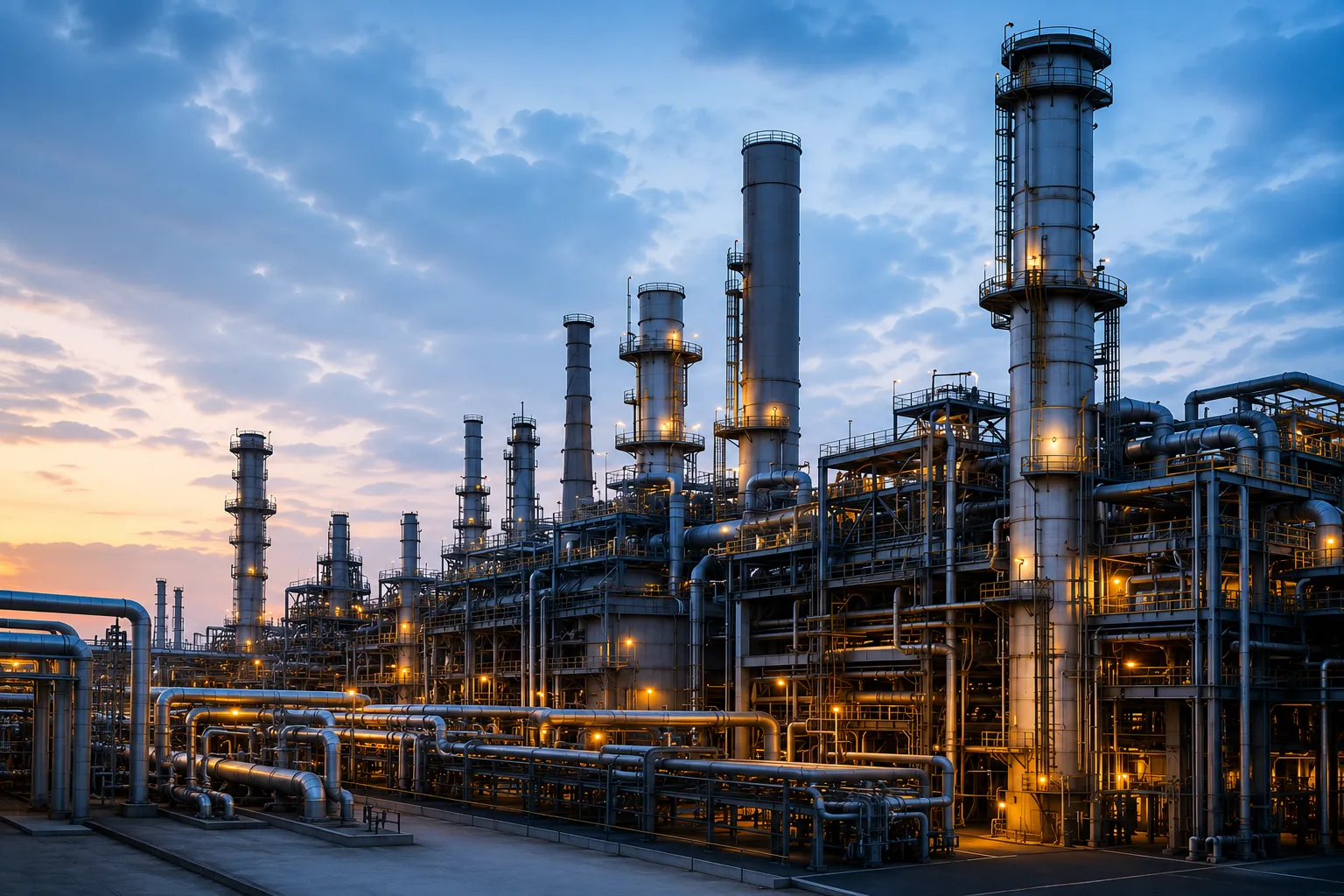

Mining operations generate large volumes of information every day. Production figures, equipment inspections, maintenance records, reagent consumption, safety observations and environmental measurements may be collected by different teams using separate systems. When this information remains fragmented, decision-making becomes slower and operational problems are harder to identify.
Mine digital reporting creates a structured method for collecting and presenting operational information. When it is combined with mine optimization and a reliable Mine digital asset management strategy, mining companies can improve productivity, equipment availability and long-term asset performance.
What Is Mine Digital Reporting?
Mine digital reporting is the use of digital platforms to collect, organise, analyse and communicate information from mining operations. It replaces paper forms, disconnected spreadsheets and manually prepared reports with consistent digital workflows.
A digital reporting platform can capture information from:
- Production and processing activities
- Equipment inspections
- Maintenance work orders
- Shift handovers
- Safety observations
- Reagent consumption
- Energy and water usage
- Environmental monitoring
- Equipment failures and downtime
The information can then be presented through dashboards, automated reports and performance alerts.
Why Is Digital Reporting Important for Mining Operations?
Mining sites often operate across large areas with multiple teams, contractors and equipment types. Delays in reporting can prevent management from understanding what is happening across the operation.
Digital reporting provides faster access to reliable information. Supervisors can identify missed production targets, repeated equipment failures or unusual chemical consumption without waiting for manual reports.
It also improves traceability because each observation, action and approval can be recorded with a date, location and responsible person.
How Does Mine Optimization Improve Performance?
Mine optimization is the process of improving mining and mineral-processing activities by analysing production, equipment and operational information.
The objective is to achieve the required output while controlling cost, energy use, equipment wear and operational risk.
Optimization opportunities may include:
- Improving equipment utilisation
- Reducing unplanned downtime
- Adjusting production schedules
- Optimising reagent dosage
- Improving plant recovery
- Reducing fuel and energy consumption
- Improving maintenance intervals
- Managing haulage and material movement
- Reducing process bottlenecks
For example, data may show that a processing plant experiences reduced recovery whenever feed characteristics and reagent dosage change together. Engineers can investigate the relationship and adjust operating conditions accordingly.
What Data Is Needed for Mine Optimization?
Effective optimization requires accurate and connected information. Important data may include:
- Ore grade and mineral composition
- Production volume
- Equipment availability
- Processing recovery
- Reagent consumption
- Energy usage
- Maintenance history
- Failure records
- Operator observations
- Environmental performance
Historical data helps identify recurring patterns, while live data supports faster operational decisions.
What Is Mine Digital Asset Management?
Mine digital asset management is the structured digital control of equipment, infrastructure and technical information throughout the mining asset lifecycle.
It provides a complete view of assets such as crushers, conveyors, pumps, flotation equipment, haul trucks, pipelines and storage facilities.
A digital asset-management system may contain:
- Asset registers
- Equipment hierarchy
- Technical specifications
- Inspection records
- Maintenance history
- Criticality rankings
- Spare-parts information
- Failure modes
- Risk assessments
- Remaining-life data
This enables engineering and maintenance teams to understand which assets are most important and what work is required to keep them operating reliably.
How Does Digital Asset Management Support Maintenance?
When asset information is organised correctly, maintenance teams can prioritise work according to equipment criticality and condition.
A critical production pump with repeated failures may require detailed investigation, condition monitoring or a revised maintenance strategy. A low-risk asset may be managed through a simpler maintenance approach.
Digital systems can also connect equipment records with maintenance tasks, inspection findings and spare-parts requirements.
Connecting Reporting, Optimization and Asset Management
The strongest results are achieved when Mine digital reporting, mine optimization and Mine digital asset management operate as one connected process.
A practical workflow may include:
- Collect operational and equipment data
- Validate the quality of the information
- Compare performance against targets
- Identify abnormal trends
- Investigate technical causes
- Assign corrective actions
- Monitor implementation
- Measure the results
- Update operating or maintenance strategies
For example, digital reports may identify increasing conveyor downtime. Asset data may show repeated bearing failures, while optimization analysis may reveal that loading conditions are contributing to the problem.
The organisation can then improve operating practices, maintenance tasks and component selection rather than repeatedly replacing failed parts.
Benefits of Digital Mining Management
An integrated digital approach can provide:
- Faster operational reporting
- Improved production visibility
- Better equipment availability
- Reduced reporting errors
- More effective maintenance planning
- Improved resource utilisation
- Stronger action tracking
- Better management decisions
- Clearer audit records
- Reduced dependence on spreadsheets
Digital platforms also help teams communicate consistently across different mines, processing plants and management locations.
Frequently Asked Questions
Can Digital Reporting Be Used at Remote Mine Sites?
Yes. Digital reporting platforms can support mobile devices, offline data entry and synchronisation when connectivity becomes available.
Does Mine Optimization Require Artificial Intelligence?
Not always. Optimization can begin with accurate reporting, trend analysis and engineering review. Advanced analytics and artificial intelligence can be added when suitable data is available.
What Is the Main Purpose of Digital Asset Management?
The main purpose is to provide reliable information about asset condition, risk, maintenance requirements and lifecycle performance.
Conclusion
Modern mining performance depends on accurate information and coordinated decision-making. Mine digital reporting gives teams faster access to production, maintenance and safety information.
Mine optimization uses this information to improve productivity, recovery and resource utilisation, while Mine digital asset management ensures that critical equipment and infrastructure remain properly monitored throughout their lifecycle.
By integrating these capabilities, mining organisations can reduce operational uncertainty, improve asset reliability and create a more efficient, data-driven approach to long-term performance.
























Sign in to leave a comment.