
As technology propels us into an era of unprecedented innovation, search engine optimization (SEO) is evolving to meet the demands of a digitally savvy audience. Artificial intelligence (AI) is at the forefront of this transformation, reshaping SEO into a dynamic, predictive, and highly personalized discipline. This article explores AI-driven SEO from a future-oriented perspective, highlighting its advancements, unique capabilities, and the roadmap for its continued evolution.
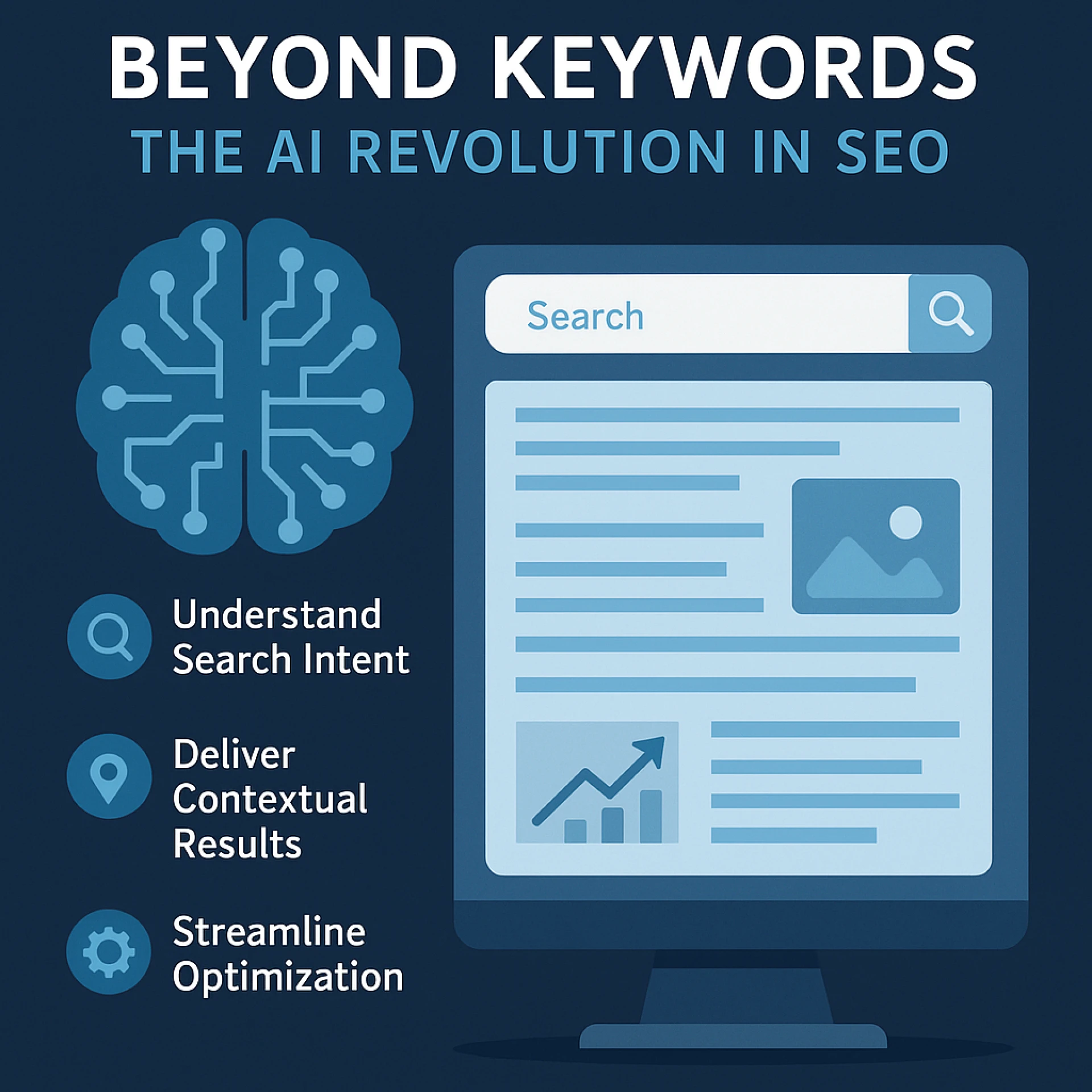
Beyond Keywords: The AI Revolution in SEO
Traditional SEO relied heavily on manual processes like keyword placement and backlink building. With AI, SEO has moved beyond these basics, incorporating machine learning, natural language processing (NLP), and advanced analytics to revolutionize how websites are optimized for search engines. AI enables marketers to:
Understand Search Intent: AI interprets the nuances of user intent, ensuring content aligns with what users truly seek.
Deliver Contextual Results: By analyzing user behavior and preferences, AI helps create content that resonates on a deeper level.
Streamline Optimization: Automation of tasks like meta-tag generation, image optimization, and content audits accelerates efficiency.
Emerging Trends Shaping the Future of AI-Driven SEO
1. Conversational AI and Voice Search
The proliferation of voice assistants like Alexa and Google Assistant is transforming search behavior. AI driven SEO tools are now optimizing content for natural, conversational queries. This shift emphasizes:
- Long-tail keywords reflecting everyday speech patterns
- Structuring content to answer direct questions, enhancing voice search discoverability.
2. AI-Enhanced Content Ecosystems
Content is no longer limited to text. AI integrates multimedia elements—video, audio, and interactive infographics—into cohesive ecosystems. For instance:
- Algorithms suggest multimedia formats based on user preferences.
- AI-generated content adapts in real time to reflect trending topics and audience engagement metrics.
3. Predictive and Real-Time Analytics
Future SEO strategies will increasingly rely on predictive analytics. AI tools analyze historical data and current trends to anticipate shifts in search behavior, enabling businesses to:
- Preemptively optimize content for emerging keywords.
- Respond dynamically to algorithm updates and user demand fluctuations.
4. Hyper-Personalization
AI excels in creating tailored user experiences. By analyzing detailed user data, it crafts content, recommendations, and search results that cater to individual preferences. In the near future, this could extend to:
- Geo-specific content targeting based on real-time location data.
- Adaptive websites that customize layouts and navigation based on user profiles.
- AI-Powered Tools Redefining SEO Strategies
The arsenal of AI-driven SEO tools is expanding rapidly, offering capabilities that redefine optimization:
AI-Powered Analytics Platforms: Tools like BrightEdge and MarketMuse provide actionable insights, highlighting content gaps and optimization opportunities.
Technical SEO Automation: AI identifies and resolves issues like broken links, duplicate content, and slow-loading pages with precision and speed.
Challenges in AI-Driven SEO
While the future of AI in SEO is bright, challenges remain:
Algorithmic Volatility: Search engine updates can disrupt even the most sophisticated AI strategies, requiring constant vigilance and adaptability.
Ethical Considerations: The use of personal data for hyper-personalization must adhere to privacy standards, ensuring compliance with regulations like GDPR and CCPA.
Dependence on Technology: Over-reliance on AI risks sidelining human creativity and intuition, which are critical for crafting unique, authentic content.
The Future: AI and SEO in the Web 3.0 Era
As we transition toward Web 3.0, AI-driven SEO will evolve to meet the demands of decentralized, user-centric digital ecosystems. Key developments include:
Blockchain Integration: Ensuring transparency and authenticity in content ranking.
Semantic Search Advancements: Leveraging AI to interpret complex queries and deliver precise, context-aware results.
Immersive Search Experiences: Optimizing for augmented and virtual reality platforms, where users interact with 3D content in real-time.
Sustainable SEO Practices: AI optimizing energy-intensive tasks to align with green computing initiatives.
A Balanced Approach to AI-Driven SEO
While AI offers remarkable efficiencies, human oversight remains indispensable. The most effective SEO strategies blend AI’s analytical power with human creativity, empathy, and ethical judgment. As AI tools become more sophisticated, businesses must strike a balance, ensuring technology serves as an enabler rather than a replacement for authentic engagement.
Conclusion
AI-driven SEO represents a bold step forward in digital marketing, offering tools and insights that redefine what’s possible. By embracing these advancements, businesses can unlock new opportunities to connect with audiences, stay ahead of trends, and thrive in an increasingly competitive landscape. The future of SEO is here, and it’s powered by AI—an indispensable ally in navigating the complexities of the digital age.











Sign in to leave a comment.