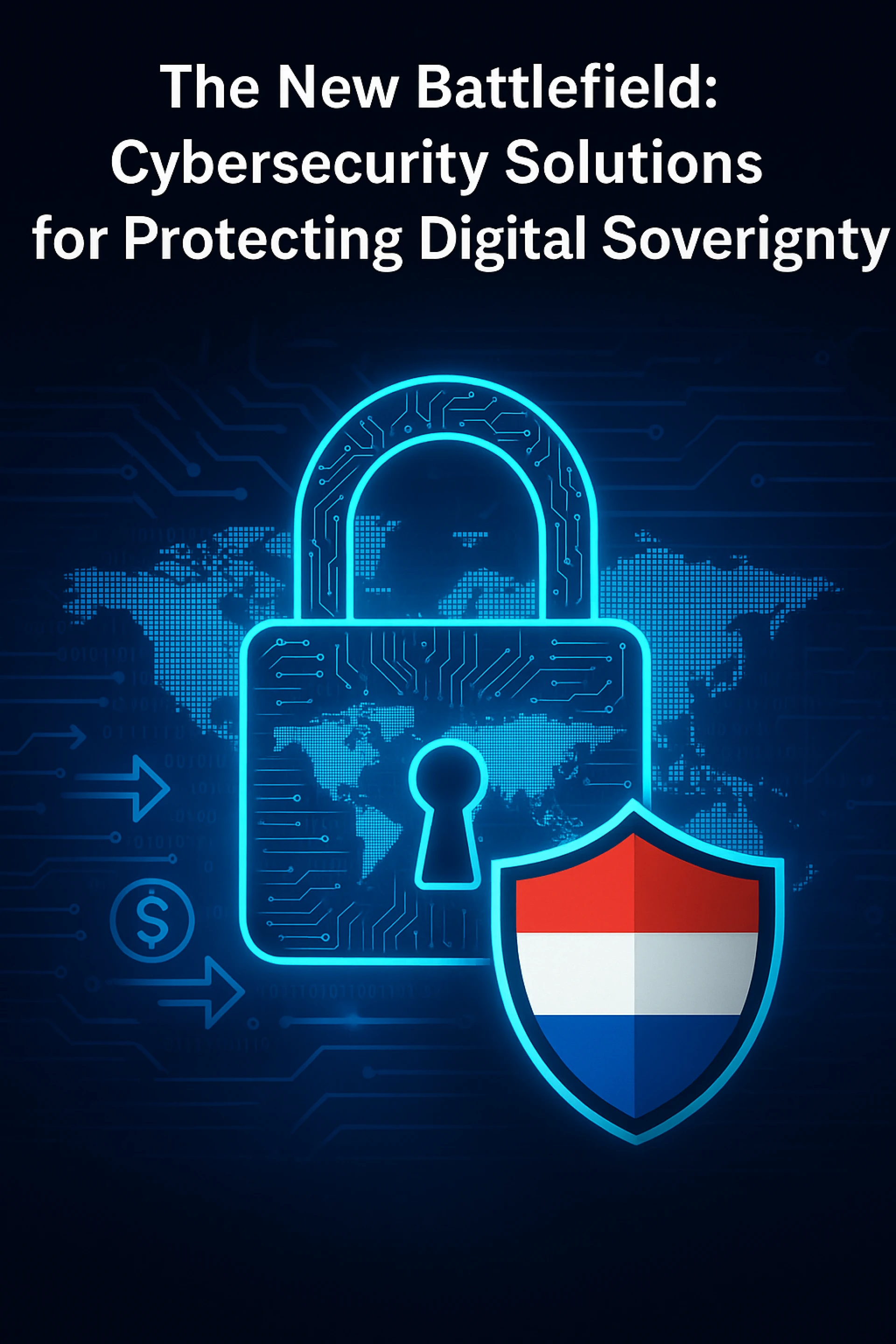

In today’s hyper-connected world, national sovereignty has transcended beyond physical borders into the digital realm. As nations rely increasingly on digital infrastructure, the protection of digital sovereignty has become a top priority. From critical infrastructure to personal data, everything is vulnerable to cyberattacks that could compromise a nation's autonomy. The digital battlefield is now a central focus for governments, businesses, and individuals alike, and ensuring digital sovereignty has never been more vital.
What is Digital Sovereignty?
At its core, digital sovereignty refers to the ability of a nation to maintain control over its digital assets, data, and infrastructure, free from external influence. The idea is that a country should govern and protect its digital infrastructure, ensuring that data collected within its borders stays within its borders, and that foreign powers cannot exploit vulnerabilities within that infrastructure. In this digital age, every action that takes place online — from the sending of a text message to the operation of critical infrastructure — can be a potential target for cybercriminals or even state-sponsored hackers.
The Rise of Cyber Threats to Digital Sovereignty
The rise of cyber threats is pushing nations to rethink how they defend their digital borders. The threats we face today are diverse, sophisticated, and more dangerous than ever. Governments and organizations are dealing with:
Cyber-Espionage: State-sponsored cyber-attacks are increasingly common, where foreign governments infiltrate digital systems to steal sensitive data, including classified information, intellectual property, and trade secrets. These breaches can undermine a nation's security and economic standing.
Ransomware: Cybercriminals are increasingly targeting critical sectors like healthcare, education, and infrastructure. They lock access to systems and demand ransom, disrupting services that are vital for citizens and the economy.
Supply Chain Attacks: Attackers gain access to a country's network by compromising less secure third-party software or services. This can have far-reaching consequences as vulnerabilities in supply chains can open the door for broader network infiltrations.
Foreign Influence Campaigns: The misuse of digital platforms to spread misinformation and manipulate political processes is another emerging threat. Foreign interference, especially during elections, has become a concerning issue for countries worldwide.
Data Theft and Privacy Violations: Breaches in data privacy can affect millions of citizens. Unauthorized access to personal and sensitive data like health records, financial details, and national security information can have catastrophic effects.
Cybersecurity Solutions for Safeguarding Digital Sovereignty
The need for robust cybersecurity solutions has never been more critical in defending against these multifaceted threats. To protect digital sovereignty, nations and organizations must move beyond conventional cybersecurity measures and embrace advanced, dynamic solutions tailored to the complex landscape of today’s threats.
Data Localization and Encryption
One of the foundational strategies for protecting digital sovereignty is data localization. Data must remain within national borders, ensuring that foreign powers do not have unfettered access. While this is a legal and regulatory issue, it is also a technical challenge. With vast amounts of data being exchanged across the globe, ensuring its security during transit and storage becomes paramount.
Data encryption plays a pivotal role in this protection. By encrypting data both in transit and at rest, nations ensure that even if hackers manage to infiltrate their systems, the stolen data remains unreadable without the appropriate decryption keys. Using end-to-end encryption methods ensures that data sent across the internet remains secure from unauthorized access, even from foreign adversaries.
Zero Trust Security Framework
Traditional security models, which relied on perimeter defenses (like firewalls), are increasingly ineffective as threats become more sophisticated. The Zero Trust security framework is based on the principle of "never trust, always verify." This model is designed for the digital landscape where borders are porous, and threats can originate from anywhere.
Zero Trust requires that every user, device, and application be authenticated before being granted access to network resources. This means that even if an intruder gains access to a network, they cannot move laterally within it without constant authentication at every level. It’s a robust approach that minimizes the risk of insider threats and limits the potential damage caused by external attacks.
AI-Powered Threat Detection and Response
As cyber threats become more advanced, manual monitoring and response are no longer sufficient. Artificial intelligence (AI) and machine learning (ML) are now integral components of cybersecurity solutions. These technologies can rapidly analyze massive amounts of data, identifying patterns, anomalies, and potential vulnerabilities.
AI-powered systems are capable of detecting unknown threats, responding to them in real time, and even predicting future attack vectors based on historical data. This makes cybersecurity defenses not just reactive but proactive — an essential characteristic when defending against the rapidly evolving cyber threat landscape.
Securing Critical Infrastructure
Digital sovereignty is directly tied to the protection of critical national infrastructure. Energy grids, financial systems, healthcare services, and government networks are all primary targets for cyberattacks. If these systems are compromised, the consequences can be catastrophic, not only for the economy but also for national security.
To safeguard these essential services, governments need to deploy advanced cybersecurity solutions like Intrusion Detection Systems (IDS), Intrusion Prevention Systems (IPS), and Endpoint Detection and Response (EDR) systems. These tools can help detect unusual activity, block potential attacks, and contain them before they spread across the network. Additionally, Industrial Control Systems (ICS) security should be reinforced to protect vital infrastructure such as power plants and water systems from malicious intrusions.
National Firewalls and Digital Borders
One of the most effective ways to protect digital sovereignty is by establishing robust national firewalls. These digital borders can block malicious traffic from entering a country’s network, monitor cross-border data transfers, and ensure that foreign influence campaigns do not compromise domestic platforms.
National firewalls allow countries to selectively restrict access to external networks, thereby reducing the chances of cyberattacks originating from foreign adversaries. They also make it harder for attackers to move between countries or exploit global networks for malicious purposes.
Cybersecurity Regulations and International Cooperation
To truly protect digital sovereignty, governments must establish comprehensive cybersecurity regulations that ensure businesses and organizations within their borders adhere to strict security standards. These regulations should mandate that critical sectors implement robust defenses, engage in regular cybersecurity audits, and comply with data protection laws.
At the same time, international cooperation is necessary to combat transnational cyber threats. Cybersecurity is a global issue, and governments must share threat intelligence, collaborate on digital defense initiatives, and set international standards for cybersecurity practices.
The Future of Digital Sovereignty
As digital technologies continue to advance, so too will the challenges related to cybersecurity. Governments must remain vigilant, constantly evolving their security strategies to meet emerging threats. The development of quantum computing, the growing sophistication of artificial intelligence, and the increasing interconnectedness of IoT devices will all present new hurdles.
In this ongoing battle for digital sovereignty, cybersecurity solutions must remain dynamic, innovative, and agile. A proactive, multi-layered defense strategy will be essential in protecting national interests and ensuring the digital future remains secure.
Conclusion
Digital sovereignty is no longer an abstract concept; it is a reality that every nation must safeguard. As cyber threats continue to evolve, so too must the strategies to protect them. By adopting advanced cybersecurity solutions, including data localization, Zero Trust, AI-driven defenses, and securing critical infrastructure, nations can protect their digital borders. As the battlefield shifts online, the battle for digital sovereignty will determine the future of global power, security, and privacy.










Sign in to leave a comment.