
Artificial Intelligence (AI) has been one of the most transformative technologies in recent years, and its impact is being felt across various industries. The automotive industry is no exception, as AI is changing the way vehicles are designed, manufactured, and used. In this article, we will explore the impact of AI on the automotive industry and how it is transforming the future of transportation.
AI in Design and Manufacturing
The use of AI in design and manufacturing is revolutionizing the automotive industry. It has enabled manufacturers to improve the efficiency and precision of their manufacturing processes while reducing costs. One way AI is being used is through virtual simulations, which allow designers to test and evaluate the performance of a vehicle before it is even built. This helps to reduce the time and costs associated with physical testing, making the process more efficient and cost-effective.
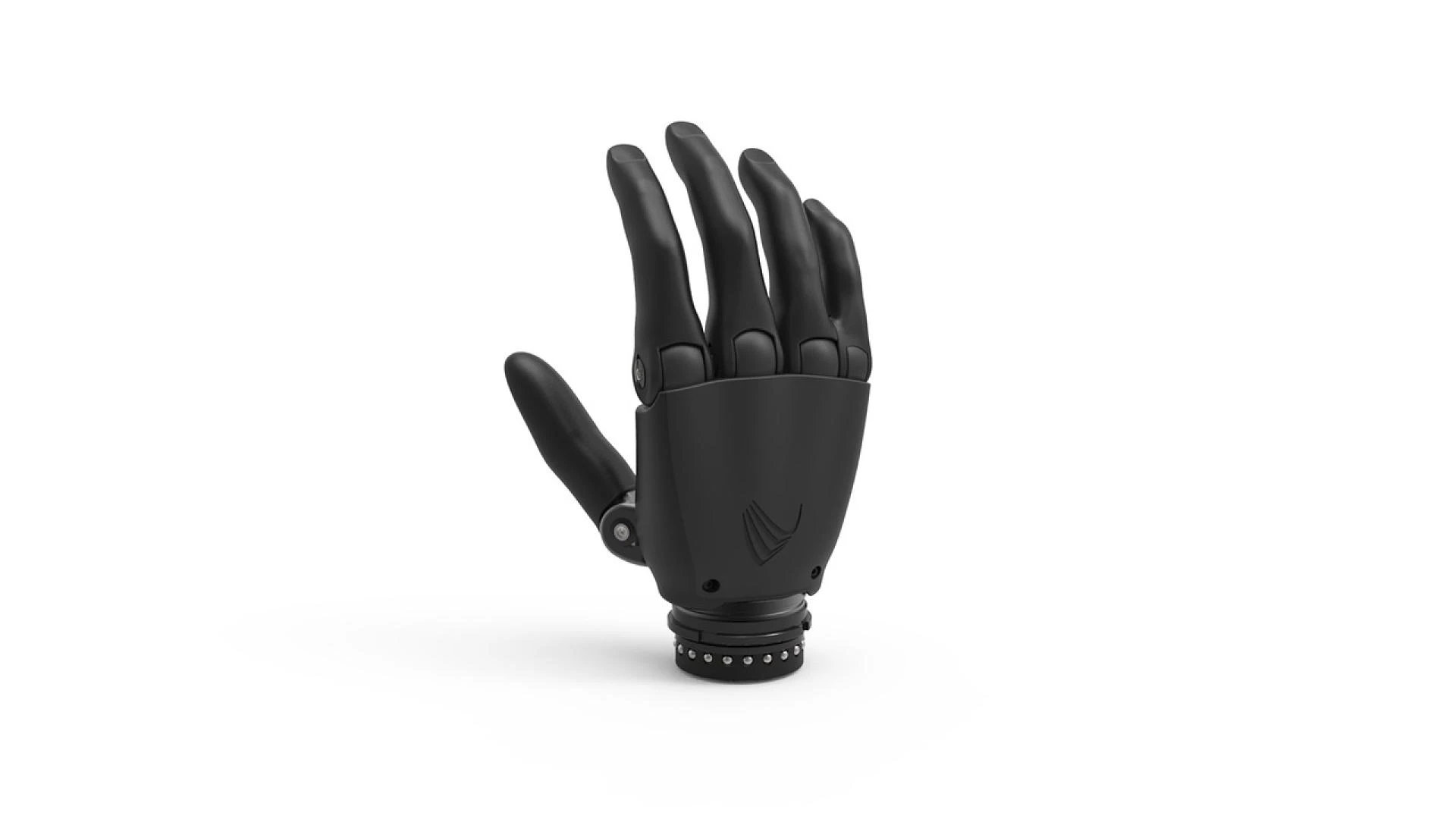
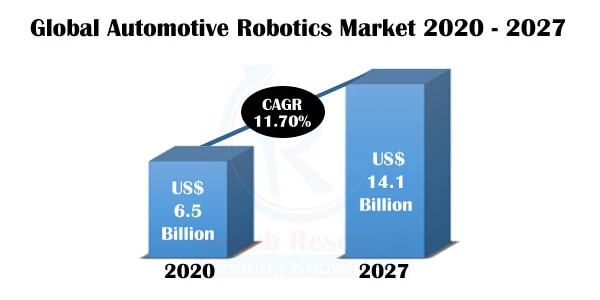
AI is also being used to improve the safety of vehicles. For example, AI-powered sensors can detect potential safety hazards on the road and provide alerts to the driver. This helps to prevent accidents and improve overall safety on the road. Additionally, AI-powered manufacturing robots can perform tasks that are too dangerous or difficult for human workers, such as welding or painting.
AI in Vehicle Maintenance
AI is also transforming the way vehicles are maintained. AI-powered sensors can monitor the performance of a vehicle and detect potential issues before they become major problems. This helps to prevent breakdowns and reduces the need for costly repairs. Additionally, AI can help to optimize the maintenance schedule of a vehicle, ensuring that it is serviced at the most appropriate time based on its usage patterns.
AI in Autonomous Vehicles
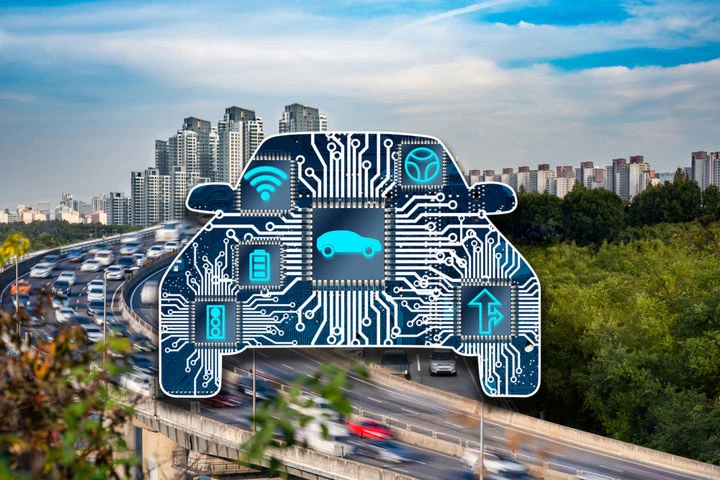
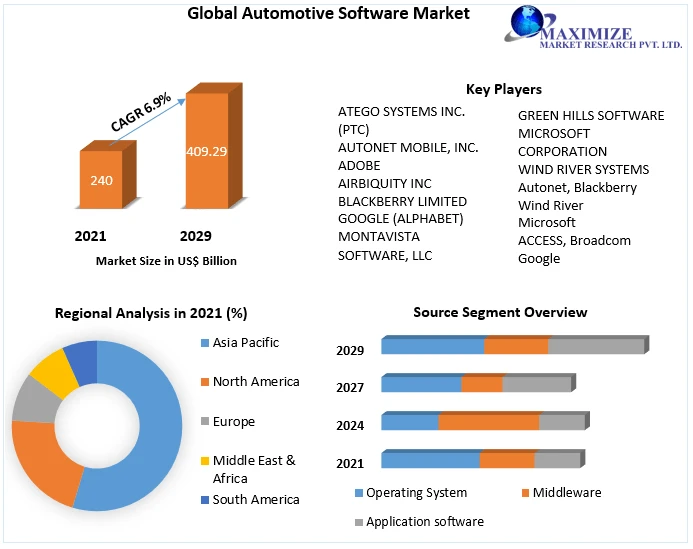
Perhaps the most significant impact of AI on the automotive industry is in the development of autonomous vehicles. Self-driving cars are no longer a thing of the future, as many companies are already testing them on public roads. The use of AI is crucial to automotive software development, as it allows them to perceive their surroundings, make decisions, and take action based on that information.
AI-powered sensors and cameras can detect obstacles, pedestrians, and other vehicles on the road, allowing the autonomous vehicle to make informed decisions about how to navigate its surroundings. Additionally, AI can help to optimize the route taken by the vehicle, taking into account traffic






Sign in to leave a comment.