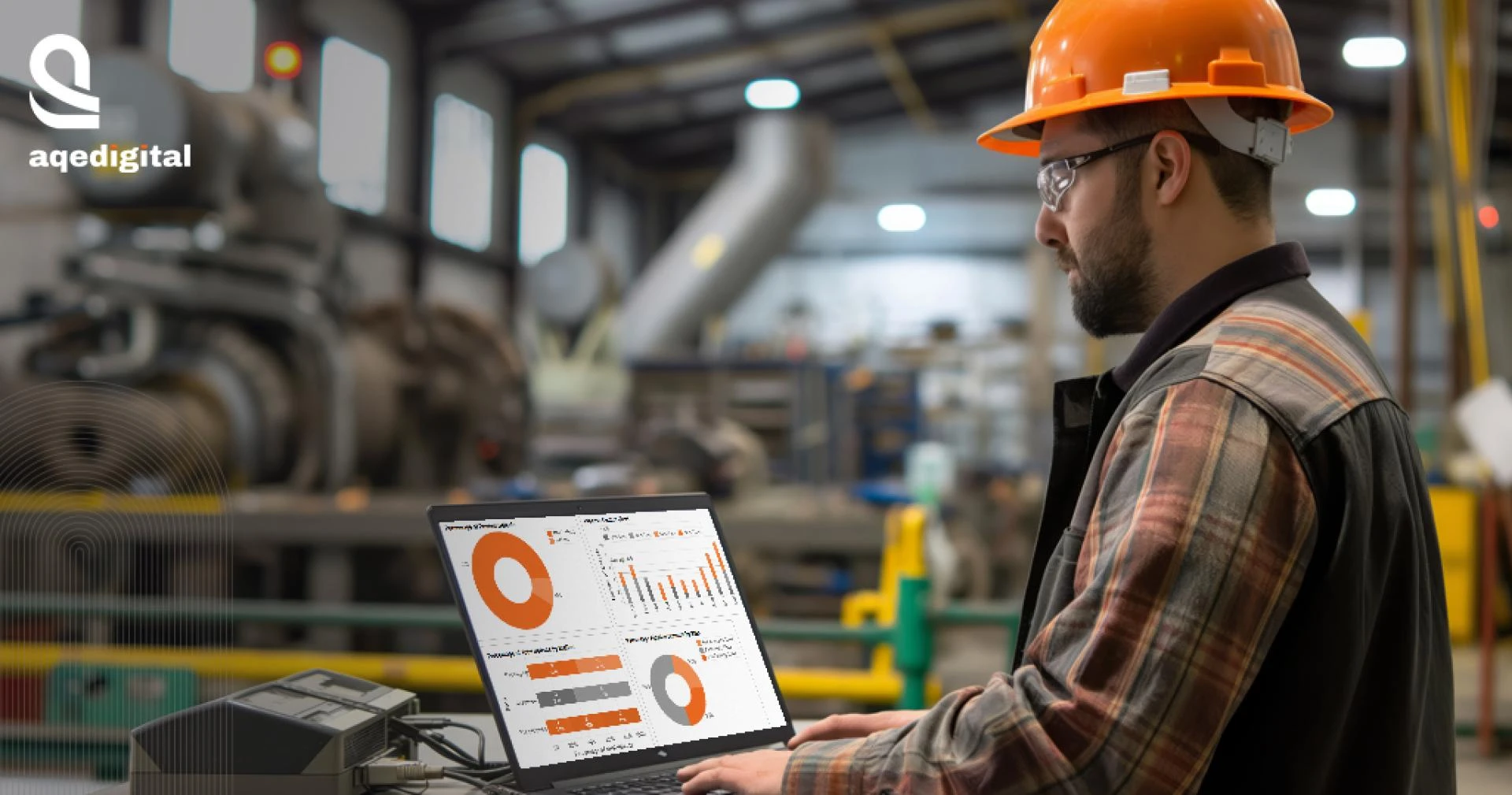

Walk into any factory today, and you’ll see a common challenge—how to keep production running smoothly while juggling fluctuating demand, labor shortages, supply chain hiccups, and rising costs. Traditional scheduling and manual planning just can’t keep up with this complexity anymore.
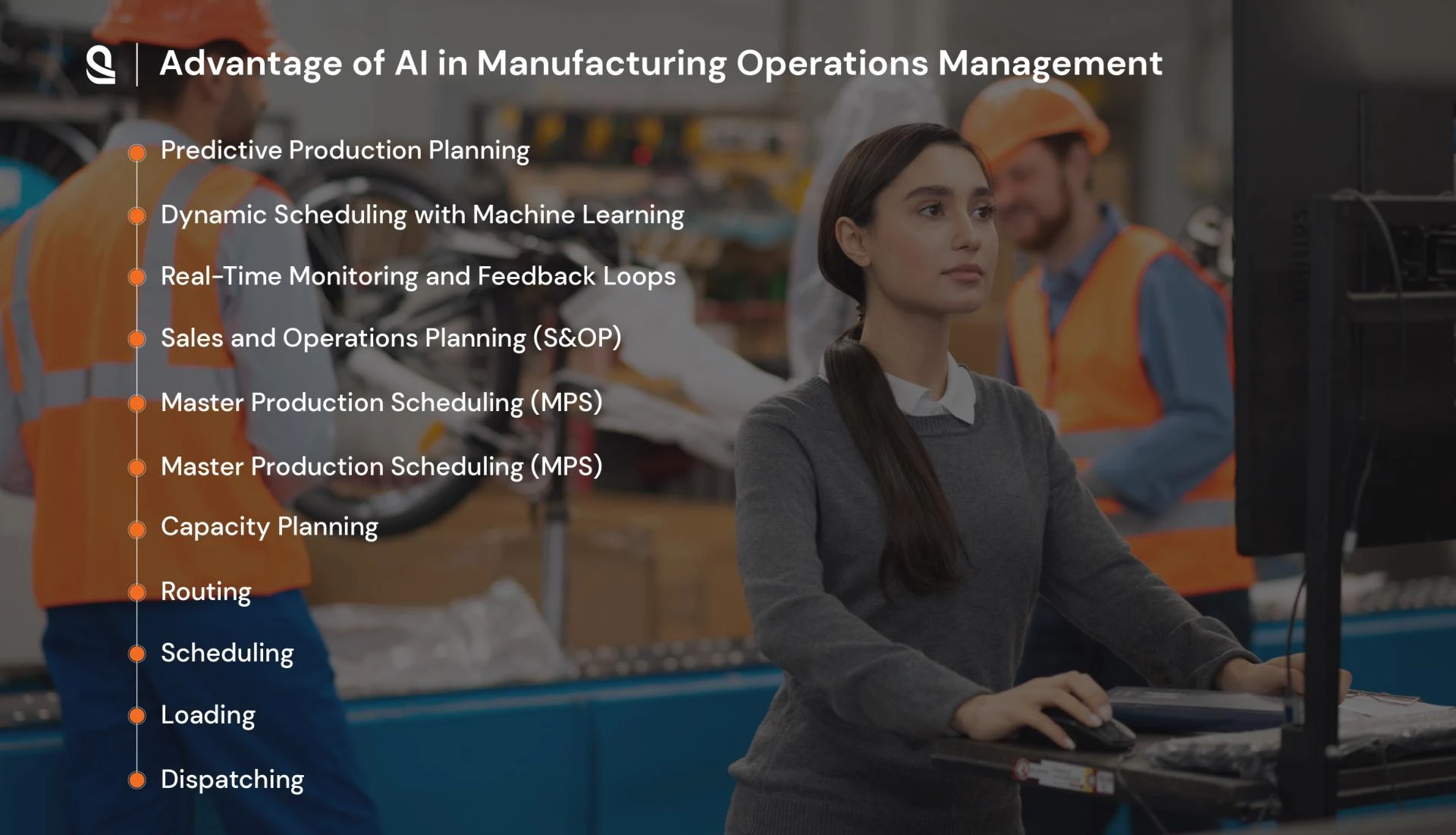
That’s exactly where AI-powered Manufacturing Operations Management steps in.
According to Fortune Business Insights, the AI in manufacturing market is expected to skyrocket to $695.16 billion globally by 2032. No surprise there—factories worldwide are investing in AI for predictive planning, dynamic scheduling, and closed-loop quality that helps them stay competitive in an unpredictable market.
What Exactly Is Manufacturing Operations Management?
Think of Manufacturing Operations Management (MOM) as the digital backbone of a factory. It’s the system that connects planning, scheduling, execution, and quality monitoring into one ecosystem. Traditionally, this meant juggling multiple spreadsheets, disconnected tools, and endless meetings. With AI added to the mix, MOM becomes smarter, faster, and adaptive.
How AI Is Transforming Manufacturing Operations Management
🔹 Predictive Production Planning
AI forecasts demand, spots potential supply chain disruptions, and adjusts production schedules before bottlenecks hit. Instead of reacting to problems, factories can proactively plan around them.
🔹 Dynamic Scheduling
AI-powered scheduling tools evaluate thousands of variables—machine availability, workforce skills, material flow—to create the most efficient plan in real time. When a machine goes down, AI automatically reshuffles tasks to keep production moving.
🔹 Closed-Loop Quality Control
AI doesn’t just monitor output—it learns from it. By analyzing data from sensors, machines, and inspections, AI identifies quality issues early and suggests fixes before products leave the line.
🔹 Reduced Downtime & Higher Efficiency
From predictive maintenance to real-time monitoring, AI keeps machines running longer and reduces unplanned downtime, boosting productivity without massive capital investments.
Why This Matters for the Future of Manufacturing
The factories that adopt AI-driven Manufacturing Operations Management will be the ones leading the industry in the next decade. Instead of firefighting daily problems, plant managers can focus on scaling operations, improving customer satisfaction, and driving sustainable growth.
AI doesn’t replace human expertise—it amplifies it. Engineers, planners, and operators gain insights they couldn’t see before, helping them make faster, smarter, and more confident decisions.
Final Takeaway
AI isn’t just another tech trend—it’s becoming the future of Manufacturing Operations Management. With global market potential heading toward $695 billion by 2032, companies that embrace AI for smarter planning, scheduling, and quality will set the benchmark for efficiency and resilience in manufacturing.
👉 Curious about where to start? Learn more in our detailed guide: Manufacturing Operations Management.























Sign in to leave a comment.