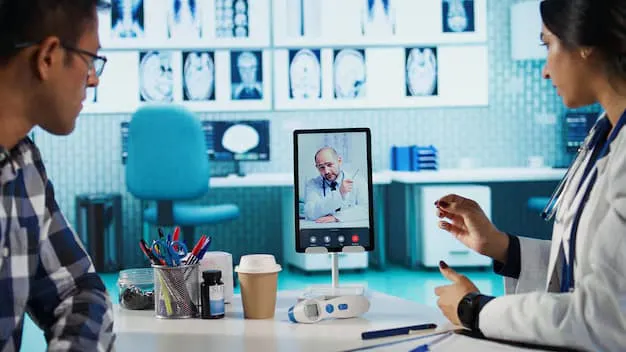

The healthcare industry has undergone a major transformation with the rise of digital technologies, and one of the most significant shifts is in documentation practices. Medical transcription, which involves converting voice-recorded medical reports into written text, has evolved from entirely human-driven processes to increasingly automated solutions. The emergence of ai powered medical transcription has sparked an ongoing debate about its effectiveness compared to traditional human transcription.
Both approaches offer distinct advantages and limitations, and understanding these differences is essential for healthcare providers, administrators, and organizations aiming to improve efficiency while maintaining accuracy. This article explores how these two methods compare across various factors such as accuracy, speed, cost, scalability, and compliance.
Understanding AI Powered Medical Transcription
What is AI Powered Medical Transcription
AI powered medical transcription refers to the use of artificial intelligence technologies such as speech recognition, natural language processing, and machine learning to convert spoken medical information into written documentation. These systems are trained on large datasets of medical terminology, accents, and speech patterns to improve their performance over time.
Unlike traditional transcription, AI systems can process audio recordings in real time or near real time. This capability allows healthcare professionals to receive documentation much faster, which can significantly enhance workflow efficiency in busy clinical environments.
How AI Technology Works in Transcription
AI transcription systems rely on sophisticated algorithms that analyze audio input and identify patterns in speech. Natural language processing helps the system understand context, grammar, and medical terminology. Machine learning models continuously improve as they process more data, allowing them to adapt to different accents, specialties, and speaking styles.
The integration of voice recognition with electronic health records further enhances usability. Clinicians can dictate notes directly into systems, and the AI instantly converts them into structured text, reducing the need for manual intervention.
Understanding Human Medical Transcription
Role of Human Transcriptionists
Human medical transcription involves trained professionals who listen to recorded dictations and convert them into written reports. These individuals are skilled in medical terminology, grammar, and formatting standards, ensuring that documentation is both accurate and contextually appropriate.
Human transcriptionists often work closely with healthcare providers to clarify unclear dictations or correct inconsistencies. Their expertise allows them to interpret nuances in speech that automated systems may struggle to understand.
Strengths of Human Expertise
Human transcriptionists bring critical thinking and contextual understanding to the process. They can identify errors in dictation, correct grammatical issues, and ensure that the final document aligns with medical standards. Their ability to understand complex medical scenarios makes them particularly valuable in specialized fields.
Additionally, human transcriptionists can adapt to unique requirements and provide customized outputs. This flexibility is often essential for healthcare organizations with specific documentation standards or preferences.
Accuracy Comparison
AI Accuracy in Medical Contexts
AI powered medical transcription has made significant advancements in accuracy, particularly with improvements in speech recognition technology. In controlled environments with clear audio and standard terminology, AI systems can achieve high levels of precision. However, challenges remain when dealing with accents, background noise, or complex medical jargon.
Despite continuous improvements, AI systems may occasionally misinterpret words or phrases, especially in cases where context is crucial. This limitation can lead to errors that require manual review and correction.
Human Accuracy and Contextual Understanding
Human transcriptionists excel in accuracy due to their ability to understand context and apply critical thinking. They can distinguish between similar sounding words, interpret unclear dictations, and ensure that the final document reflects the intended meaning.
Their experience allows them to handle complex cases with greater reliability. While humans are not immune to errors, their ability to review and edit content reduces the likelihood of significant mistakes.
Speed and Efficiency
Speed of AI Transcription
One of the most notable advantages of ai powered medical transcription is its speed. AI systems can process audio files almost instantly, providing near real time results. This rapid turnaround is particularly beneficial in emergency situations or high volume environments where timely documentation is critical.
The ability to generate immediate transcripts helps healthcare providers make faster decisions and improves overall workflow efficiency. This speed advantage is a key reason why many organizations are adopting AI solutions.
Human Transcription Turnaround Time
Human transcription typically takes longer than AI processing due to the manual nature of the work. Transcriptionists must listen to recordings, type the content, and review the document for accuracy. Depending on the length and complexity of the audio, this process can take several hours or even days.
While slower, human transcription offers a level of thoroughness that can be valuable in ensuring high quality documentation. The trade off between speed and precision is an important consideration for healthcare providers.
Cost Considerations
Cost Efficiency of AI Solutions
AI powered medical transcription can be more cost effective in the long run, especially for organizations with high volumes of transcription work. Once implemented, AI systems can handle large amounts of data without the need for additional personnel, reducing labor costs.
The scalability of AI also contributes to cost savings. Organizations can process more data without significantly increasing expenses, making it an attractive option for growing healthcare facilities.
Costs Associated with Human Transcription
Human transcription involves ongoing labor costs, including salaries, training, and management. These expenses can add up, particularly for organizations with extensive documentation needs. However, the investment in skilled professionals often results in higher quality outputs.
For smaller practices or those requiring highly specialized transcription, human services may still be a worthwhile investment despite the higher costs.
Scalability and Flexibility
AI Scalability
AI systems are highly scalable and can handle increasing workloads without significant changes to infrastructure. This capability makes them ideal for large healthcare organizations that need to process vast amounts of data efficiently.
The flexibility of AI also allows for integration with other digital systems, enhancing overall functionality. As demand grows, AI solutions can adapt quickly without compromising performance.
Human Workforce Limitations
Scaling human transcription services requires hiring and training additional staff, which can be time consuming and costly. This limitation can pose challenges for organizations experiencing rapid growth or fluctuating workloads.
However, human transcriptionists offer flexibility in terms of customization and adaptability. They can adjust to specific requirements and provide personalized services that AI systems may not fully replicate.
Compliance and Security
AI and Data Security
AI powered medical transcription systems must comply with strict data security and privacy regulations. Advanced encryption and secure storage solutions are often used to protect sensitive patient information. However, reliance on digital systems also introduces potential risks such as data breaches or cyberattacks.
Organizations must ensure that their AI solutions meet all regulatory requirements and implement robust security measures to safeguard data.
Human Role in Maintaining Compliance
Human transcriptionists are trained to follow confidentiality protocols and maintain compliance with healthcare regulations. Their awareness of privacy standards helps ensure that patient information is handled responsibly.
While human involvement reduces certain technological risks, it also requires careful management to prevent unauthorized access or errors in data handling.
The Hybrid Approach
Combining AI and Human Expertise
Many healthcare organizations are adopting a hybrid approach that combines ai powered medical transcription with human oversight. In this model, AI handles the initial transcription, and human professionals review and edit the output for accuracy.
This combination leverages the speed of AI and the precision of human expertise. It provides a balanced solution that addresses the limitations of both approaches while maximizing their strengths.
Benefits of a Hybrid Model
The hybrid approach improves efficiency without compromising quality. It reduces turnaround times while ensuring that documentation meets high standards of accuracy and compliance. This model is particularly effective in complex medical environments where both speed and precision are essential.
By integrating AI with human expertise, healthcare providers can achieve better outcomes and enhance overall productivity.
Future of Medical Transcription
The future of medical transcription is likely to be shaped by continued advancements in artificial intelligence. As AI systems become more sophisticated, their accuracy and reliability will improve, making them an even more integral part of healthcare documentation.
However, human expertise will remain valuable, especially in complex and specialized cases. The collaboration between technology and human professionals will define the next phase of transcription services.
Healthcare organizations must carefully evaluate their needs and choose solutions that align with their goals. Whether adopting AI, human transcription, or a hybrid model, the focus should always be on improving efficiency, accuracy, and patient care.
Conclusion
The comparison between ai powered medical transcription and human transcription highlights the strengths and limitations of both approaches. AI offers speed, scalability, and cost efficiency, while human transcription provides accuracy, contextual understanding, and adaptability. The choice between the two depends on the specific needs and priorities of healthcare organizations.
In many cases, a hybrid approach delivers the best results by combining the advantages of both methods. As the industry continues to evolve, solutions that integrate advanced technology with human expertise will become increasingly important. For organizations seeking reliable and efficient transcription services, PrismaScribe represents a forward thinking approach in this rapidly changing landscape.






























Sign in to leave a comment.