

Why Shifting Your AI Search KPIs from Position to Inclusion Is Critical Today
With AI-powered search engines redefining how users discover content, the traditional obsession with ranking positions is losing its relevance. Instead, website owners, bloggers, and businesses need to recalibrate their key performance indicators (KPIs) to prioritize inclusion—whether their content is being served across a diverse range of search intents and user contexts—rather than just chasing top spots on the SERP. This shift is not theoretical; it’s a practical necessity driven by evolving search algorithms and user behavior, as highlighted in a recent Search Engine Land analysis.
Understanding the AI-Driven Search Landscape
From Rank-Centric to Contextual Inclusion
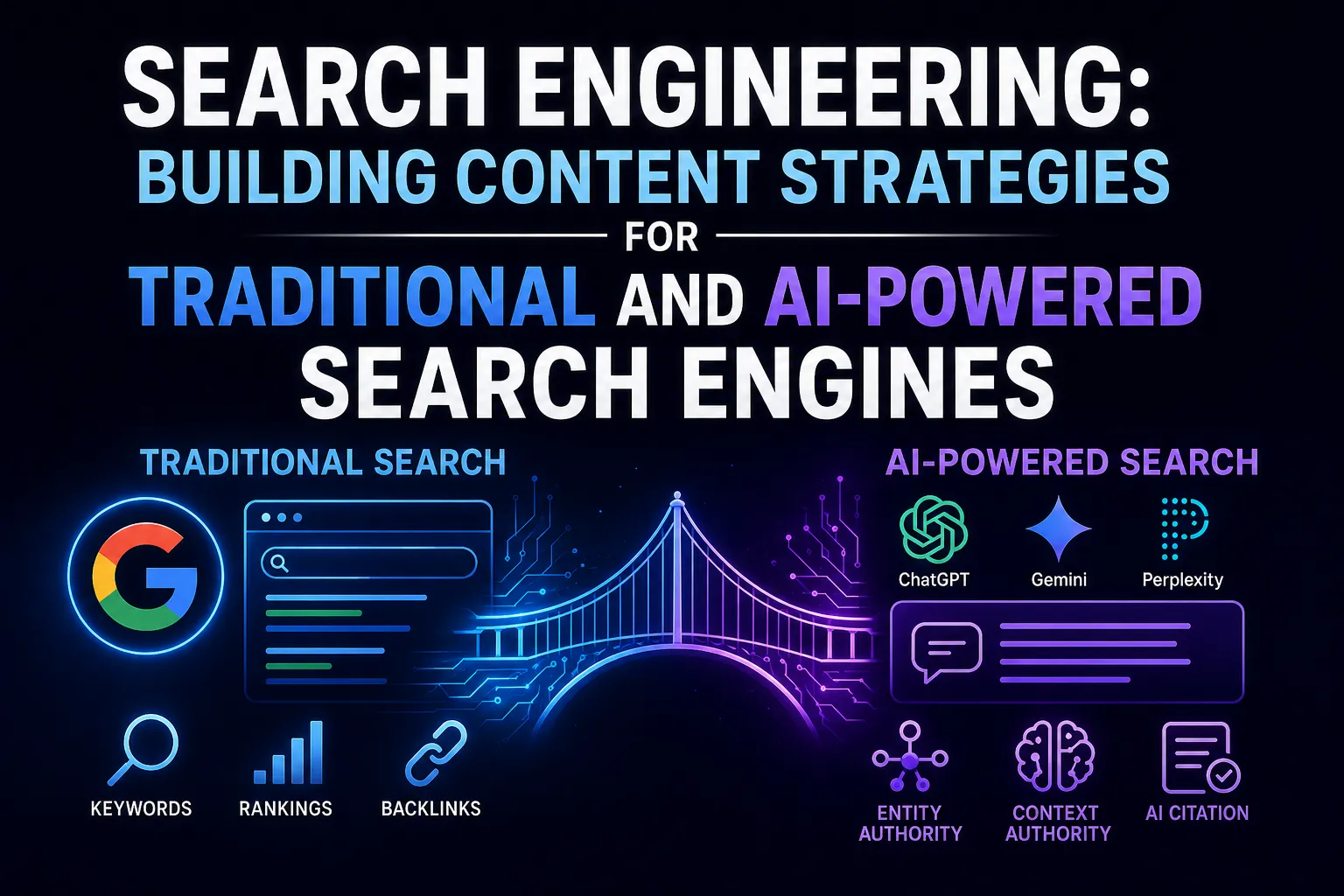
Traditional SEO metrics have long fixated on ranking positions—#1 spot, top 3, or page 1 visibility. However, AI search engines like Google’s latest MUM-powered updates and Bing’s AI integrations prioritize understanding user intent, context, and diversity of results over static rankings. This means your content might appear in multiple places within a search journey: featured snippets, related question boxes, image packs, or conversational AI responses, none of which necessarily correspond to traditional ranks.
As Google’s John Mueller recently noted, search is moving toward a more holistic understanding of content relevance across various formats and user queries, not a rigid “one spot” ranking. Thus, the key question shifts from “What position do I hold?” to “Am I included, and how consistently, in the diverse touchpoints where users engage?”
Inclusion Metrics: What Are They?
Inclusion KPIs cover a broad spectrum of metrics that indicate how widely your content is represented in AI search outputs. These include:
- Result Type Appearances: Frequency of your content appearing in featured snippets, knowledge panels, People Also Ask, or voice search responses.
- Query Coverage: The breadth of related search queries for which your content is surfaced, showing how well you address various user intents.
- Engagement Beyond Clicks: Metrics like time spent on page from AI-driven journeys, interactions with rich results, or voice queries that don’t trigger clicks but indicate content consumption.
- Impression Share in AI-Driven Interfaces: Share of impressions within new search interfaces, such as chatbots or AI-powered mobile assistants.
These KPIs reflect the multi-dimensional nature of modern search, emphasizing inclusion and user engagement over simplistic rank chasing.
Why Traditional Position KPIs Are Losing Their Effectiveness
The Illusion of Position as Success
Ranking number one on Google for a head term is still valuable, but it no longer guarantees visibility or traffic due to diversified search results. For example, a page ranking #3 might be featured in a People Also Ask box, while the #1 result is bypassed in favor of a featured snippet or a direct answer card. This fragmentation dilutes the impact of position-based KPIs.
Search engines now tailor results heavily based on user context, device, location, and intent. Thus, a single "position" metric aggregates very little about actual visibility or user engagement. According to Search Engine Land, the focus should shift toward inclusion to measure how broadly your content is represented across AI-driven search experiences.
Position KPIs Can Lead to Misguided Strategy
Overemphasis on position encourages content creators to optimize narrowly for specific keywords and ranking tactics, often at the cost of content breadth and diversity. This can hurt long-term SEO health by limiting your content’s ability to satisfy a variety of user intents and appear in evolving AI search formats.
Additionally, rank fluctuations in AI-driven search environments are more volatile and less meaningful. Instead of reacting to position drops, focusing on inclusion KPIs encourages a more strategic and resilient approach to content optimization.
What This Means for You: Actionable Steps to Refocus Your AI Search KPIs
1. Expand Your KPI Framework Beyond Rank
Start by auditing your current SEO reporting to identify over-reliance on ranking positions. Integrate metrics that measure:
- Presence in featured snippets, knowledge graphs, and People Also Ask
- Impressions and engagement metrics from AI-driven search channels and interfaces
- Diversity of queries leading to your content
Tools like SEMrush, Ahrefs, and Google Search Console now provide enhanced data on rich results and query coverage that you can leverage.
2. Optimize for Content Inclusion Across Multiple Formats
To increase inclusion, diversify your content formats: create clear, concise answers for featured snippets, structured data for knowledge panels, and conversational content for voice search. Be sure your content addresses multiple related user intents, not just exact-match keywords.
This approach aligns with findings in our analysis of KPIs for luxury brands, where broad audience inclusion over narrow targeting yields greater long-term brand visibility and engagement.
3. Measure Engagement Beyond Clicks
Traditional click-through rate (CTR) alone no longer captures the full user interaction with your content. Monitor metrics such as:
- Time on page from AI-driven traffic
- Scroll depth and interaction with interactive elements
- Voice query feedback loops (where available)
This mirrors recommendations from our PR KPI guidance, emphasizing qualitative engagement over mere quantitative metrics.
4. Prioritize Accessibility and Inclusive Design
Inclusion is not just about appearing in more search results—it’s about being accessible to diverse audiences, including users with disabilities. Incorporate accessibility best practices such as semantic HTML, ARIA roles, and compliant color contrast to enhance your content’s reach.
Refer to our guide on ADA-compliant web accessibility for practical steps to ensure your content is discoverable and usable by all users, which AI search increasingly favors.
5. Use AI and Analytics to Identify Content Gaps
Leverage AI-powered tools like ChatGPT-enabled keyword research, topic modeling, and content gap analysis to find areas where your content can fill in missing user intents or emerging queries. By broadening your content’s thematic coverage, you increase your inclusion footprint.
Looking Ahead: What to Watch in AI Search KPIs
As AI continues to shape search engines, expect further evolution in how KPIs must be defined and tracked. Here are trends to monitor:
- Integrated AI Analytics Dashboards: Platforms will increasingly offer unified views that combine traditional SEO metrics with AI-specific inclusion data, simplifying the KPI shift.
- Personalization Metrics: Metrics that reflect how well your content personalizes to different user segments and contexts will become more prominent.
- Conversational Search Metrics: As voice and chat-based search grow, new KPIs measuring conversational engagement and satisfaction will emerge.
- Cross-Channel Inclusion: Tracking your content’s presence not only in search but across AI-driven recommendations on social, commerce, and app ecosystems will be crucial.
To stay competitive, businesses and content creators must embrace this KPI evolution proactively rather than reactively. Those who adapt their measurement frameworks to prioritize inclusion and user engagement will capture greater visibility and sustainable growth in the AI search era.
For more insights on KPIs that drive meaningful business outcomes beyond SEO, see our ecommerce marketing KPI guide and PR KPI strategies.
Final Takeaway
Chasing rank positions is no longer the smartest or most effective SEO strategy in an AI-driven search landscape. Instead, focus on inclusion—ensuring your content is present wherever and however users seek answers. This means broadening your content scope, optimizing for multiple AI search features, measuring engagement beyond clicks, and embracing accessibility. This recalibration of KPIs will better reflect the realities of modern search and position your site for sustained success.
Frequently Asked Questions
Why should I shift my SEO focus from ranking positions to inclusion?
Shifting your focus from ranking positions to inclusion is essential because AI-powered search engines prioritize user intent and diverse content formats over static rankings. This means that merely ranking high does not guarantee visibility or traffic, as users may find answers from other sources like featured snippets or knowledge panels.
What are inclusion metrics and why are they important?
Inclusion metrics assess how widely your content appears across various AI search outputs, including featured snippets and voice search responses. These metrics are important because they reflect the multi-dimensional nature of modern search, emphasizing engagement and relevance rather than just rank.
How can I measure engagement beyond clicks?
To measure engagement beyond clicks, consider metrics such as time spent on your page, scroll depth, and interactions with rich results. These indicators provide a more comprehensive view of how users are interacting with your content, especially in an AI-driven search landscape.
What actionable steps can I take to improve my AI search KPIs?
You can start by expanding your KPI framework to include diverse metrics like impression share and query coverage. Additionally, optimize your content for inclusion across multiple formats, measure qualitative engagement, and ensure accessibility to cater to a broader audience.
Why are traditional position KPIs becoming less effective?
Traditional position KPIs are becoming less effective because search engines now deliver results based on user context and intent rather than just ranking. This means that a high rank does not necessarily equate to visibility, as users may find content through various AI-driven formats that bypass traditional rankings.
What tools can I use to track inclusion metrics?
Tools like SEMrush, Ahrefs, and Google Search Console can help you track inclusion metrics by providing data on rich results and query coverage. These tools enable you to assess how well your content is performing across different search interfaces and user intents.
How does accessibility play a role in content inclusion?
Accessibility is crucial for content inclusion as it ensures that your content is discoverable and usable by a diverse audience, including those with disabilities. By following best practices for web accessibility, you can enhance your content's reach and align with the AI search algorithms that favor inclusive content.

































Sign in to leave a comment.