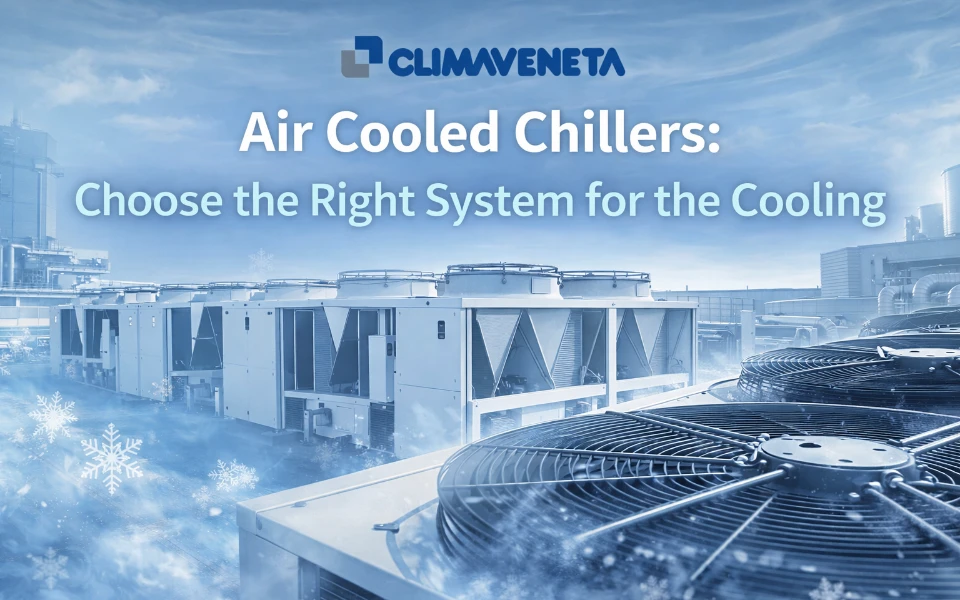

Cooling systems are no longer just a comfort feature—they are critical infrastructure for businesses, industrial operations, and data centers. Among the many options available, air cooled chillers have emerged as a versatile and efficient solution. Their simplicity, adaptability, and relatively low maintenance make them suitable for a wide range of applications, from small commercial spaces to large industrial setups.
But choosing the right air cooled chiller involves more than picking a size off a brochure. Understanding how these systems operate, the types of compressors they use, and their practical benefits is key to making a decision that balances performance, efficiency, and long-term operational cost.
How Air Cooled Chillers Work
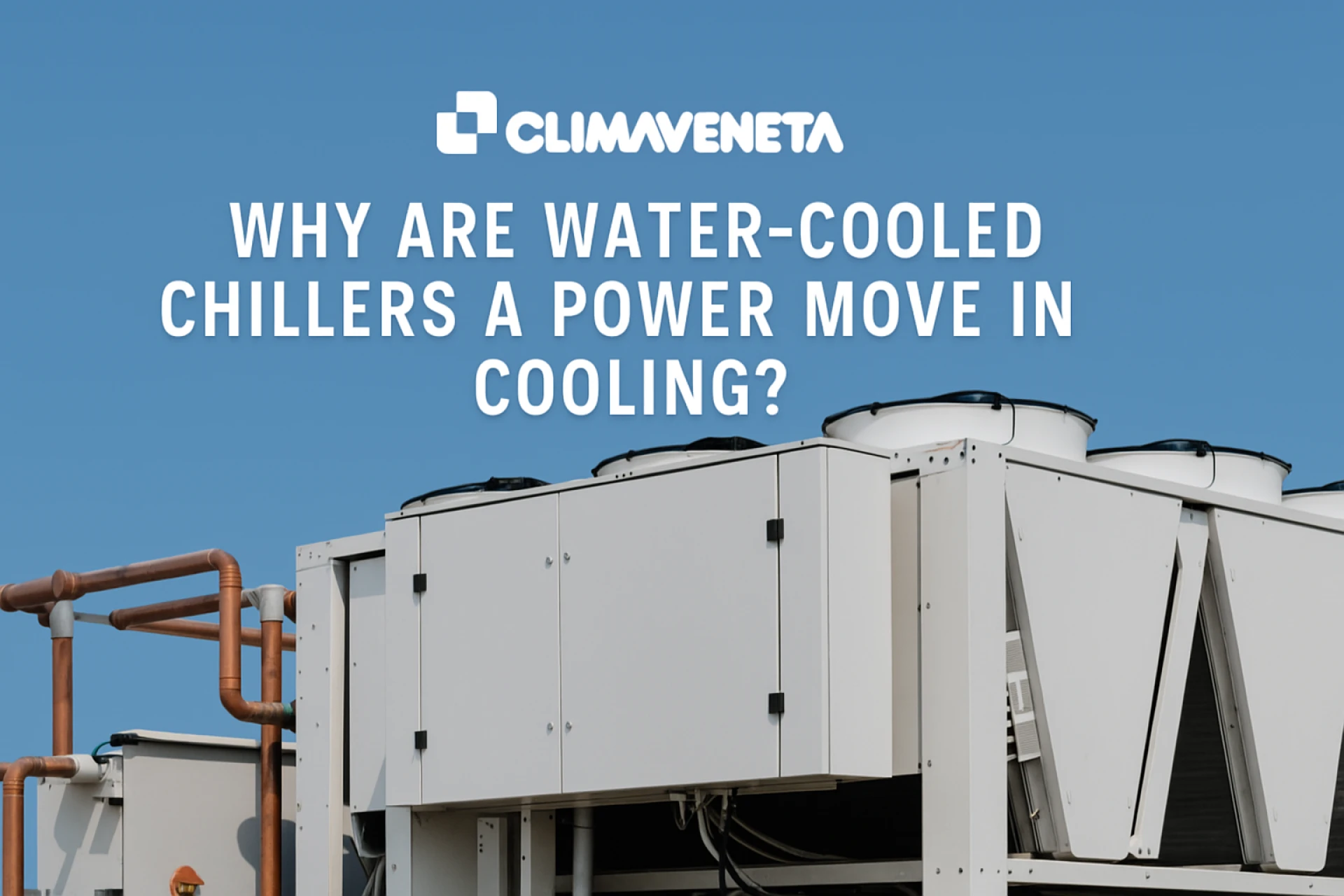
At the core, an air cooled chiller removes heat from a liquid—usually water or a water-glycol mix—by transferring it to the ambient air. The chilled water is then circulated through fan coils or precision air conditioners to cool a building, process, or equipment. Unlike water cooled chillers, air cooled chillers reject heat directly to the surrounding air without requiring a cooling tower. This makes them ideal for locations where water availability is limited or where simplicity is prioritized.
The main components of an air cooled chiller include:
- Compressor: Pressurizes the refrigerant and drives the cooling cycle.
- Condenser: Releases heat from the refrigerant into the surrounding air.
- Evaporator: Absorbs heat from the chilled water circuit.
- Expansion Valve: Controls the flow of refrigerant into the evaporator.
The choice of compressor type significantly impacts the chiller’s efficiency, noise levels, and capacity range.
Popular Compressor Types in Air Cooled Chillers
Air cooled chillers use different compressor technologies depending on the cooling load, efficiency requirements, and budget.
- Scroll Compressors
Scroll chillers’ compressors are compact, reliable, and known for quiet operation. They are often preferred in small to medium capacity chillers because they maintain stable performance even at part load. Their simplicity reduces the risk of mechanical failure, making maintenance straightforward.
- Screw Compressors
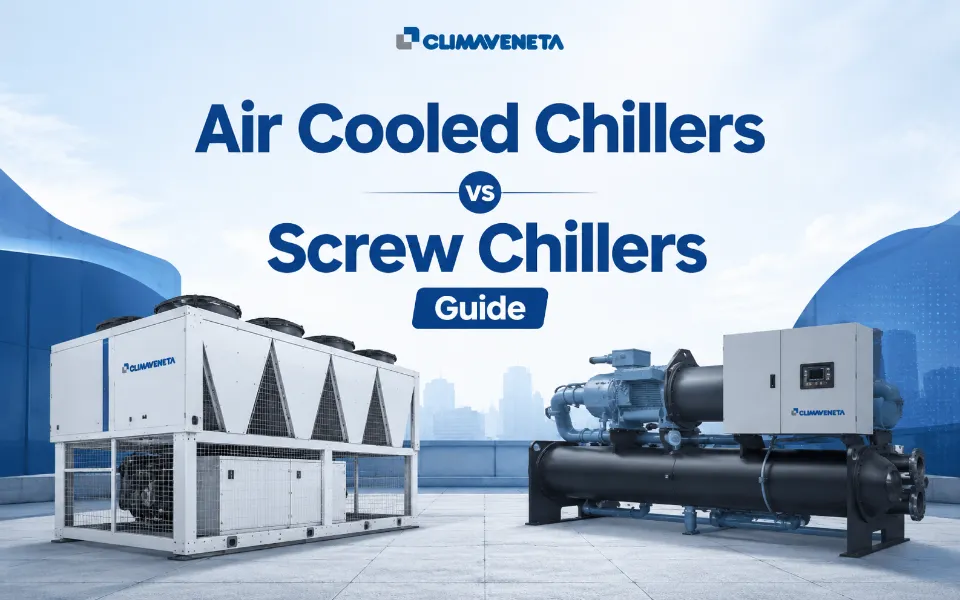
Screw compressors are designed for higher capacity chillers. They offer smooth performance, excellent efficiency across a wide load range, and the ability to handle larger refrigerant volumes. This makes them ideal for industrial applications or large commercial spaces where energy savings and continuous operation are critical.
- Centrifugal Compressors
Centrifugal compressors are commonly used in very large chillers, such as those in high-rise buildings or process cooling environments. They are highly efficient at full load and can move significant volumes of refrigerant, but they require careful maintenance and monitoring to sustain performance over time.
By understanding these options, businesses can select a chiller that aligns with their operational needs and budget without overengineering the system.
Advantages of Air Cooled Chillers
1. Easy Installation and Flexibility
Air cooled chillers are self-contained units that reject heat directly to the surrounding air. They do not require a cooling tower or extensive water piping, simplifying installation and reducing civil work costs. This flexibility allows them to be placed on rooftops, outdoor pads, or even within equipment rooms, depending on space availability.
2. Lower Maintenance Requirements
Because they avoid water circuits, air cooled chillers are less susceptible to corrosion, scaling, and waterborne contamination. Routine maintenance focuses on cleaning the condenser coils, checking refrigerant levels, and servicing compressors. Their relatively simple design translates to lower operating costs and less downtime.
3. Energy Efficiency
Modern air cooled chillers are equipped with variable speed fans and advanced controls that optimize performance at partial loads. Compressors such as scroll chillers and screw types contribute to energy savings by maintaining consistent cooling without frequent cycling. Over time, these efficiency gains significantly reduce operational costs.
4. Scalability
Air cooled chillers can be deployed in modular configurations to meet growing cooling demands. Smaller units can be added to handle increased load, or larger units with higher capacity compressors can be installed from the outset. This scalability makes them suitable for both expanding commercial spaces and dynamic industrial operations.
5. Environmental Adaptability
These chillers are well-suited for locations where water supply is limited or environmental regulations restrict water discharge. With proper design, air cooled chillers can operate efficiently in a range of ambient temperatures, making them a flexible choice across geographies.
Choosing the Right Chiller for Your Application
Selecting an air cooled chiller requires a combination of technical understanding and operational foresight. Key factors to consider include:
- Cooling Capacity: Determine your peak load and average load requirements to select the right compressor type and unit size.
- Ambient Conditions: Consider how extreme temperatures will affect efficiency and cooling performance.
- Maintenance Capabilities: Evaluate whether your team can manage the routine maintenance of screw or centrifugal compressors, or whether simpler scroll-based units are preferable.
- Energy Efficiency Goals: Choose units with variable speed fans and optimized compressor performance to minimize energy costs.
- Integration Needs: Ensure the chiller can interface with existing monitoring or building management systems for real time visibility and operational control.
By assessing these factors, businesses can invest in a system that balances upfront cost, operational efficiency, and long-term reliability.
Conclusion
Air cooled chillers are a versatile, efficient, and low-maintenance solution for commercial and industrial cooling needs. Understanding the differences in compressor types, including scroll chillers, screw, and centrifugal compressors chillers, helps businesses select the right unit for their capacity and operational requirements.
Whether it’s a small commercial office relying on scroll compressors or a large industrial facility with screw or centrifugal units, air cooled chillers provide a reliable backbone for temperature control, energy efficiency, and long-term operational stability.
Investing in the right air cooled chiller is not just about meeting today’s cooling requirements—it’s about ensuring predictable performance, reducing maintenance risks, and optimizing energy consumption for years to come.
Looking for the best air cooled chiller? Climaveneta’s air cooled chillers deliver reliable, energy-efficient cooling with advanced compressor options, including scroll and screw types, ensuring precision performance, seamless integration, and long-term operational efficiency for any facility.



























Sign in to leave a comment.