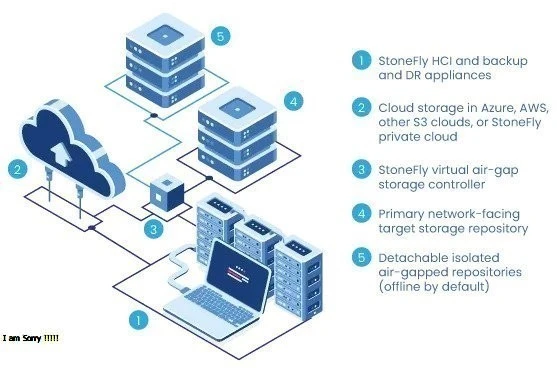

Air Gapped Network: Protecting Your Data with Security
Air Gapped networks are the latest in secure IT infrastructure designed to protect sensitive data and ensure that it remains isolated from malicious actors. With air gapping, a physical or logical separation is created between two or more computers, servers, or networks. This helps to prevent unauthorized access by preventing communication from traversing through an unsecured. By utilizing this type of network, organizations can ensure that their data is kept safe and secure from potential cyber threats.
Define Air Gapped?
An air gapped network is an isolated, secure system that does not have any connections to the internet or other external networks. This type of system is designed to provide a high level of security by preventing hackers from accessing Data and systems through traditional means such as hacking or infiltration. Air Gapped networks are typically used in sensitive industries such as financial institutions, government agencies, and large enterprises.
Types of Air Gapped?
There are four main types of Air Gapped networks:
Physically Air Gapped:
Physically air gapping a computer or network requires that the systems are kept physically separated from any other computers or networks. This type of system is more secure than traditional networks, as it provides isolation from external threats such as hackers, malware, and viruses.
Logically Air Gapped:
Logically air gapping a computer or network requires that the systems are not connected to any external networks or resources. This type of air gapped system is designed to provide a greater level of security by preventing unauthorized access to data and resources.
Network Air Gapped:
Network air-gapping involves placing two or more computers, servers, or networks on a single isolated network. This helps protect sensitive information by preventing unauthorized access to the systems and data.
VPN Air Gapped:
VPN air-gapping involves using a Virtual Private Network (VPN) to securely connect two or more computers, servers, or networks on an isolated network. This helps protect sensitive information from outside threats by providing an encrypted tunnel through which communication can travel, while still allowing authorized users to access the data.
Implementation of Air Gapped: Step-By-Step Guide
Identify and analyze the security needs of your organization:
Identifying and analyzing the security needs of your organization will help you determine what type of air gapped network is most suitable for your needs. Consider factors such as data types, access requirements, number of users, threat level, budget constraints, and more.
Develop an air gapped network plan:
Develop an air gapped network plan that outlines the steps necessary to implement a secure air gapped system. This should include details such as what type of air gap is required, components needed, and any additional security measures that need to be taken.
Configure the hardware and software for your air gapped network:
Configure the necessary hardware and software components required for your air gapped network. This includes purchasing and installing appropriate firewalls, switches, routers, modems, and more.
Deploy the hardware and software on the network:
Once the hardware and software components have been configured, you can deploy them onto your air gapped network. Ensure that all components are properly configured and tested before proceeding with the deployment.
Monitor your air gapped network:
Monitor your air gapped network for any potential security threats or vulnerabilities. Regularly update your security measures to ensure that the system remains secure.
Key Benefits
Greater Security:
Air gapped networks provide an extra layer of security by preventing unauthorized access and data leakage.
Isolation from the Public Internet:
Air gapping provides complete isolation from public internet, allowing organizations to protect their sensitive data from malicious actors.
Reduced Risk of Attack:
By isolating a network, organizations can greatly reduce the risk of attack from malicious actors, such as hackers or malware.
Improved Performance:
Air gapped systems can improve the performance of a network by reducing latency and increasing bandwidth.
Increased Compliance:
Air gapping can help organizations comply with industry regulations and standards for data security.
Improved Cost Efficiency:
Air gapping can help organizations save money on IT expenses by reducing maintenance costs.
Reduced Risk of Data Loss:
By isolating data, organizations can reduce the risk of losing data due to a malicious attack or accidental deletion.
Greater Scalability:
Organizations can add new equipment and systems without having to worry about compatibility or security issues.
Increased Privacy:
Air gapping can provide increased privacy for organizations that need to protect sensitive information from unauthorized access.
Improved Reliability:
Organizations can be sure that their systems will remain reliable even if there is an issue with the public internet.
Increased Availability:
Organizations can be sure that their systems will remain available even if there is an issue with the public internet.
Improved Control:
Organizations can have greater control over their system by being able to easily monitor and manage it.
Improved Productivity:
Air gapping can help organizations increase productivity by reducing network downtime and improving system performance.
Increased Network Visibility:
Organizations can gain greater visibility into their network by monitoring traffic and activity.
Improved Data Integrity:
Air gapping can help organizations ensure that data is not corrupted or manipulated by unauthorized users.
Conclusion
Air Gapped networks offer organizations a secure and reliable method for protecting sensitive data and resources. By isolating the system from external threats, organizations can improve security, reduce risk of attack, improve compliance, and increase productivity. Implementing an air gapped system requires careful planning and consideration of the organization's needs and budget constraints. Once implemented, organizations should continue to monitor and update their security measures to ensure the system remains secure.
FAQs
What is an air gapped network?
An air gapped network is a computer or network that has been isolated from any external networks or resources. This type of system provides a greater level of security by preventing unauthorized access to data and resources.
How do I implement an air gapped system?
Implementing an air gapped system requires careful planning and consideration of the organization's needs and budget constraints. The process typically includes identifying and analyzing security needs, developing an air gapped network plan, configuring hardware and software components, deploying them onto the network, monitoring the system for any potential threats or vulnerabilities, and updating security measures on a regular basis.
What are the benefits of an air gapped network?
The benefits of an air gapped network include greater security, isolation from the public internet, reduced risk of attack, improved performance, increased compliance, cost efficiency, reduced risk of data loss, scalability, increased privacy and reliability, availability, control over the system, improved productivity and visibility into the network. Additionally, organizations can benefit from improved data integrity.
What type of organizations should consider an air gapped network?
Organizations that need to protect sensitive data and resources from malicious actors, such as hackers or malware, should consider implementing an air gapped system. Additionally, organizations that are subject to industry regulations and standards for data security may also benefit from this approach.
Are there any risks associated with air gapped networks?
Although air gapped networks provide a higher level of security, they can also create unique challenges and risks. In particular, it is important to ensure that the system remains secure and up-to-date to prevent potential malicious actors from exploiting any vulnerabilities or weaknesses in the system.




Sign in to leave a comment.