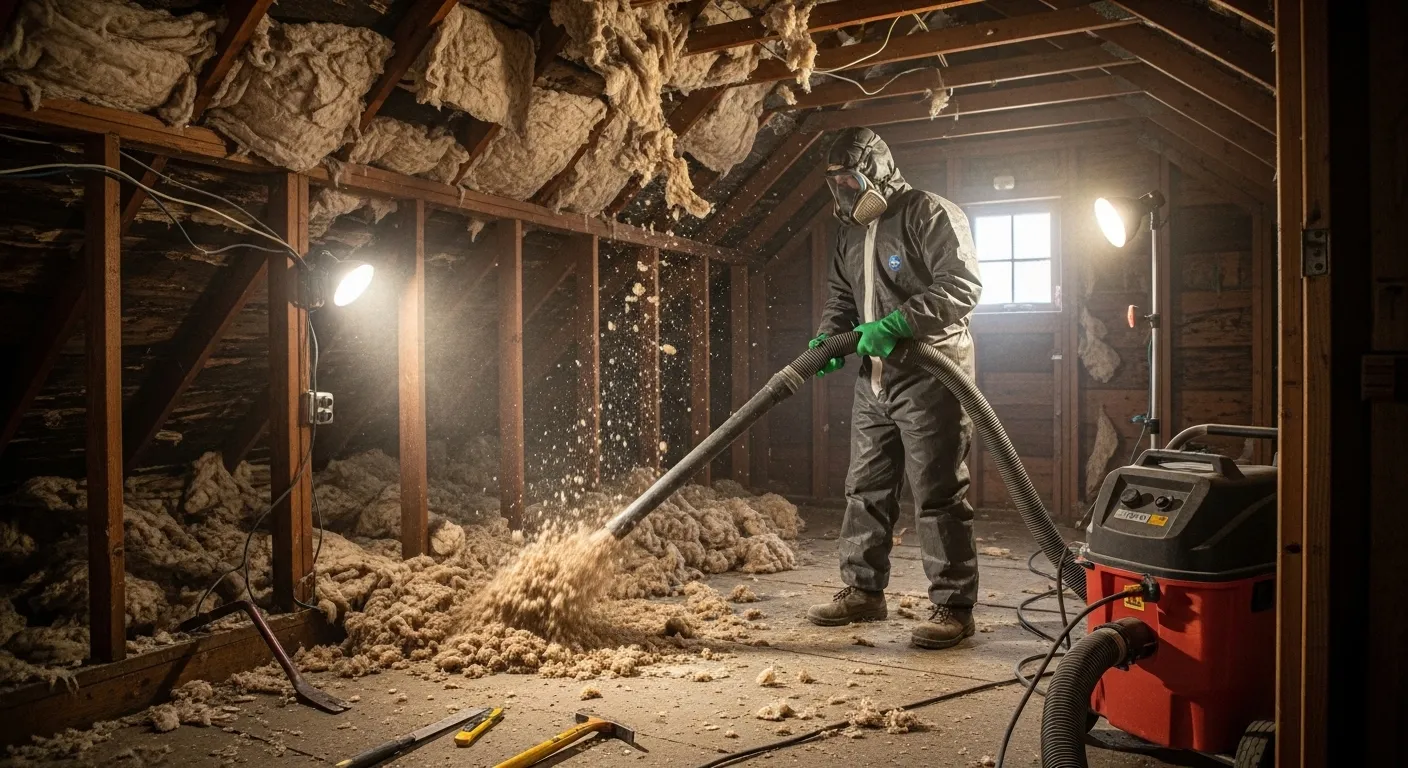

Air leakage represents a major issue for residential comfort and energy efficiency in the Austin area. Many homes suffer from hidden gaps that allow conditioned air to escape while drawing in humid, outside air. Open-cell spray foam acts as an air barrier that fills these gaps, stopping leaks and reducing the workload on your heating and cooling systems.
The regional climate in Central Texas makes a tight building envelope necessary for maintaining consistent indoor temperatures. This article explains how these leaks develop and why open-cell foam offers a practical remedy for homeowners. The information provided comes from years of field experience in building science and residential thermal performance.
Why Austin Homes Experience Air Infiltration
Austin homes face a unique set of pressures due to intense summer heat and fluctuating seasonal humidity. When your home lacks proper sealing, the mechanical systems struggle to keep up with the demands of the environment. Air leakage happens through various points in the building structure.

Common areas for leaks include:
- Recessed lighting fixtures in the top-floor ceilings
- Gaps around the window and door frames
- Spaces where plumbing and electrical lines penetrate the wall plates
- Attic access hatches that lack proper weatherstripping
- Junctions where exterior walls meet the roofline
Warm, moist air from the outside infiltrates these small gaps. Your air conditioner then works harder to remove that extra moisture and heat. This process forces your HVAC unit to run for longer cycles, which burns more electricity and wears down internal parts faster.
The Characteristics of Open Cell Spray Foam
Open-cell spray foam is a low-density insulation material that expands rapidly upon application. It contains microscopic, open pockets that allow it to remain flexible once it cures. This flexibility proves helpful in homes that experience minor settling over time.
Because it fills cavities, it creates a custom-fitted seal that fiberglass batts cannot match. The material expands to reach corners and around irregular framing members. This total coverage prevents air movement through the insulated space.

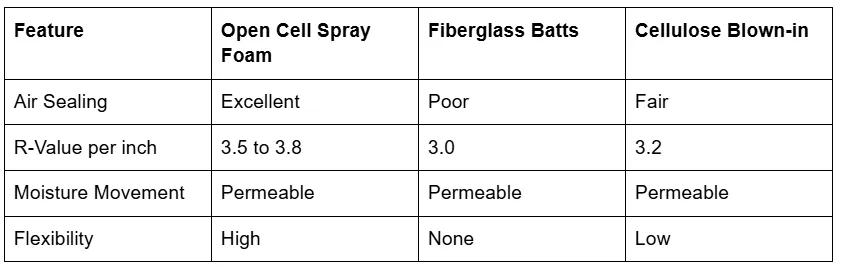
The following table compares the typical performance of open-cell foam against traditional insulation materials.
How Spray Foam Stops Energy Loss
Energy loss occurs primarily through air movement rather than heat transfer alone. Even if your walls have thick insulation, air passing through the material renders it much less effective. This phenomenon is known as convective heat loss.
When you install open-cell foam, you eliminate the path for air to flow. Your interior space becomes a sealed container, allowing the HVAC system to control the air quality and temperature with high precision. This results in more stable comfort throughout your home.
Bonus Tip: Focus on the attic floor and knee walls first, as these areas often account for the highest percentage of total household air leakage.
Things to Consider Before Starting Your Project
Before deciding on an insulation upgrade, look at your home with a critical eye. You need to ensure the structure remains safe and healthy throughout the process. Proper ventilation and moisture management are two factors that require attention.
Consider these pre-decision factors:
- Existing roof health: Ensure your roof has no leaks before sealing the attic, as foam hides issues that might otherwise show up as water stains.
- Indoor air quality: When you tighten a home significantly, you might need to check if your mechanical ventilation is adequate to move stale air out.
- Electrical and plumbing status: If you plan on updating your wiring or pipes, do that before the foam application, as the material locks everything into place.
- Budget and long-term goals: Calculate the expected energy savings to understand your return on investment over time.
Practical Steps to Achieve a Tighter Home
Applying foam requires precision and proper safety equipment. Professionals use specialized rigs to mix the chemicals at the correct ratio. The timing of the application is also important to ensure the foam cures correctly in the local climate.
Follow these steps for a successful installation:
- Conduct an energy audit to identify specific air leak locations.
- Clean all surfaces to ensure the foam adheres to the framing and decking.
- Apply the foam in consistent, measured layers to reach the desired thickness.
- Inspect the installation for any missed spots or uneven application.

Bonus Tip: Ask your installer to provide a blower door test before and after the job. This gives you concrete data on how much the air leakage rate improved.
How to Evaluate Your Home for Insulation Needs
If you notice your energy bills spiking during the peak of summer, your insulation likely needs attention. You can perform a simple check yourself to see if you have problems. Take a stick of incense or a thin piece of tissue paper to areas near outlets and windows on a windy day.
If the smoke or the paper moves, air is passing through. This indicates a breach in your building envelope. Consistent indoor humidity issues or cold spots in the floor also serve as red flags. If you live in an older home in Austin, the insulation may have settled or degraded over the last few decades.
Conclusion
Addressing air leakage represents one of the most effective ways to manage your home comfort. By sealing gaps, you lower energy consumption and improve the lifespan of your mechanical systems. Open-cell spray foam offers a proven method for creating a consistent barrier against the outside environment. Evaluate your current insulation, identify the primary sources of air loss, and reach out to experts to discuss your options. Planning your project carefully ensures you reach your comfort goals while maximizing the efficiency of your home.
How Can You Get Professional Assistance for Your Insulation Goals
If you want to address air leakage in your property, consider reaching out to Stellrr Insulation & Spray Foam for a consultation. They possess extensive knowledge of how Austin houses respond to humidity and heat. They focus on proper installation techniques to ensure your home stays comfortable throughout the year. You can reach their team at [email protected] or call them at (512) 710-2839 to discuss your specific needs and receive a free quote for your project. They help you determine if open-cell foam is the right choice for your specific situation.
Frequently Asked Questions
Does open-cell spray foam cause mold?
Open-cell foam does not cause mold on its own. If the installation allows for proper moisture management and your home has adequate ventilation, the material remains inert and safe.
Is open-cell foam safe for my health?
Once cured, the foam is stable and does not off-gas harmful substances. During the installation process, the area must remain vacated while the chemicals cure and the space is ventilated.
Will I need to move out during the installation?
Most projects require you to stay out of the house for 24 hours while the foam cures and the installers finish the necessary cleanup.
How does spray foam compare to traditional fiberglass?
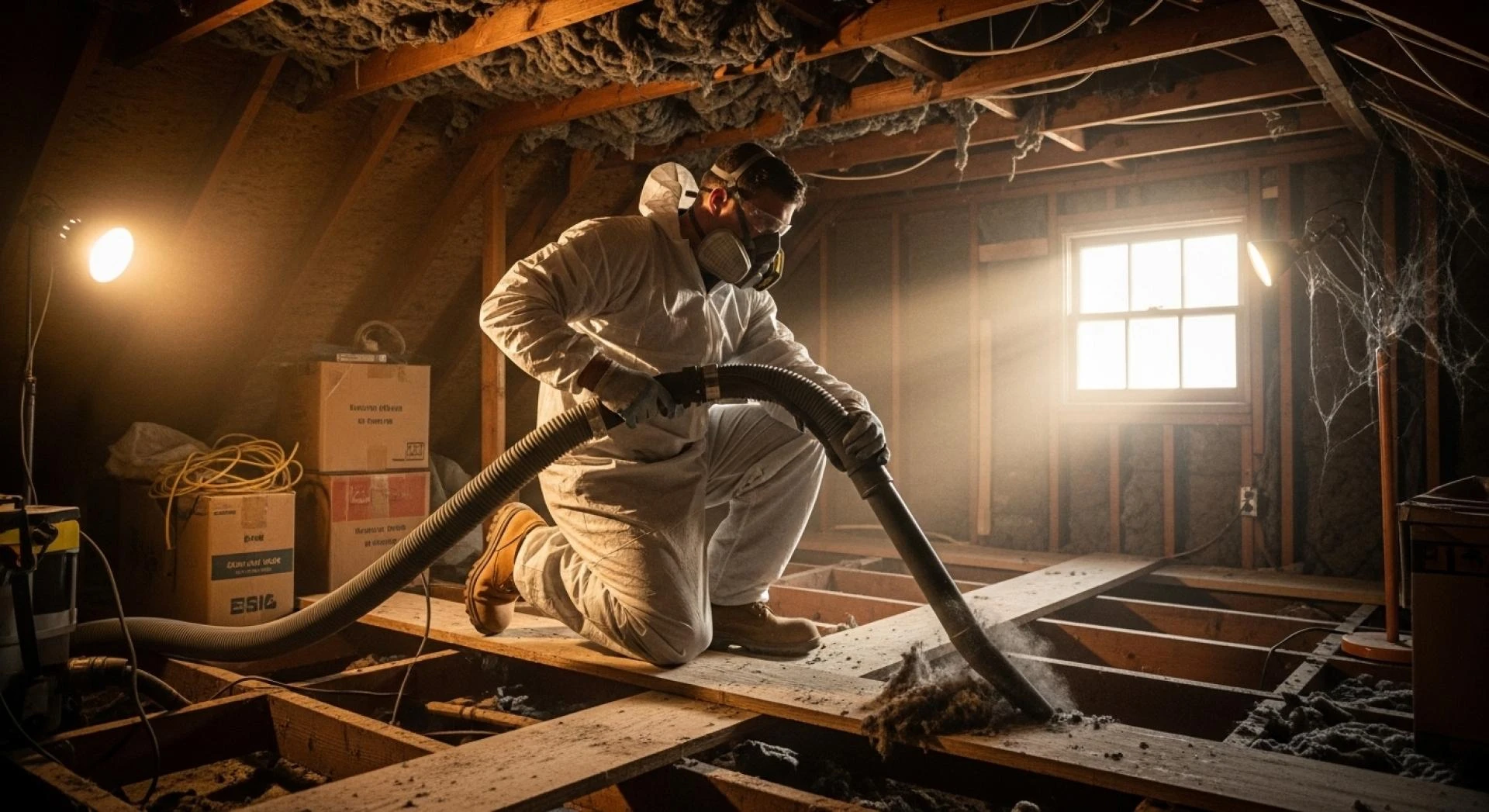
Spray foam seals air gaps completely, whereas fiberglass acts as a filter, allowing air to pass through. This makes spray foam superior for controlling temperatures and humidity levels.
How long does the insulation last?
Open-cell spray foam is designed to last the life of the building. Because it does not settle or shrink like loose-fill insulation, it stays effective for decades.

























Sign in to leave a comment.