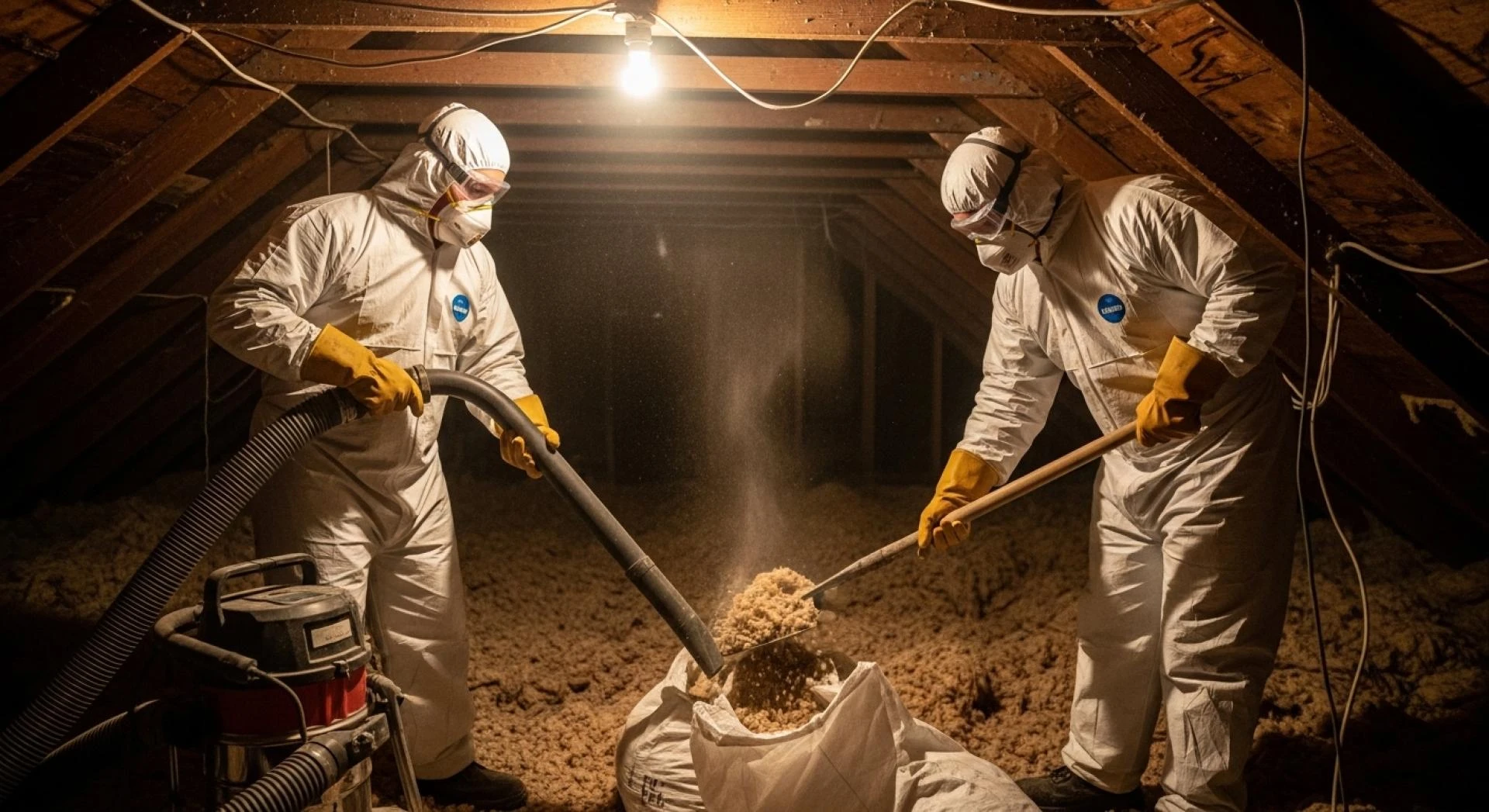

Allergy symptoms often worsen inside the home, not outside. Old or damaged insulation can trap dust, pollen, mold spores, and pest waste for years. When air moves through walls or attics, it carries those particles into living spaces. Insulation Removal helps stop this cycle by removing contaminated material and restoring clean indoor air.
For allergy sufferers, this step is not optional. It can reduce constant sneezing, itchy eyes, and breathing issues. This article explains why removal matters, how it works, and what homeowners should know before hiring Insulation Removal services.
How Old Insulation Triggers Allergy Symptoms
Many homeowners do not see what sits above their ceiling. Insulation may look harmless, yet it can hold years of trapped debris.
When insulation breaks down, it releases fine particles. HVAC systems and natural airflow spread them through the house. Allergy sufferers feel the impact quickly.
Dust And Pollen Buildup
Attics are not sealed spaces. Outdoor air enters through vents. Over time, insulation absorbs:
- Dust from roofing materials
- Pollen from trees and grass
- Fibers from aging materials
- Dirt carried by wind
Once disturbed, these particles move into bedrooms and living areas.
Mold Growth In Damp Areas
Moisture from roof leaks or high humidity creates the right setting for mold growth. According to industry data, nearly 50 percent of U.S. homes have some form of dampness that can lead to mold.
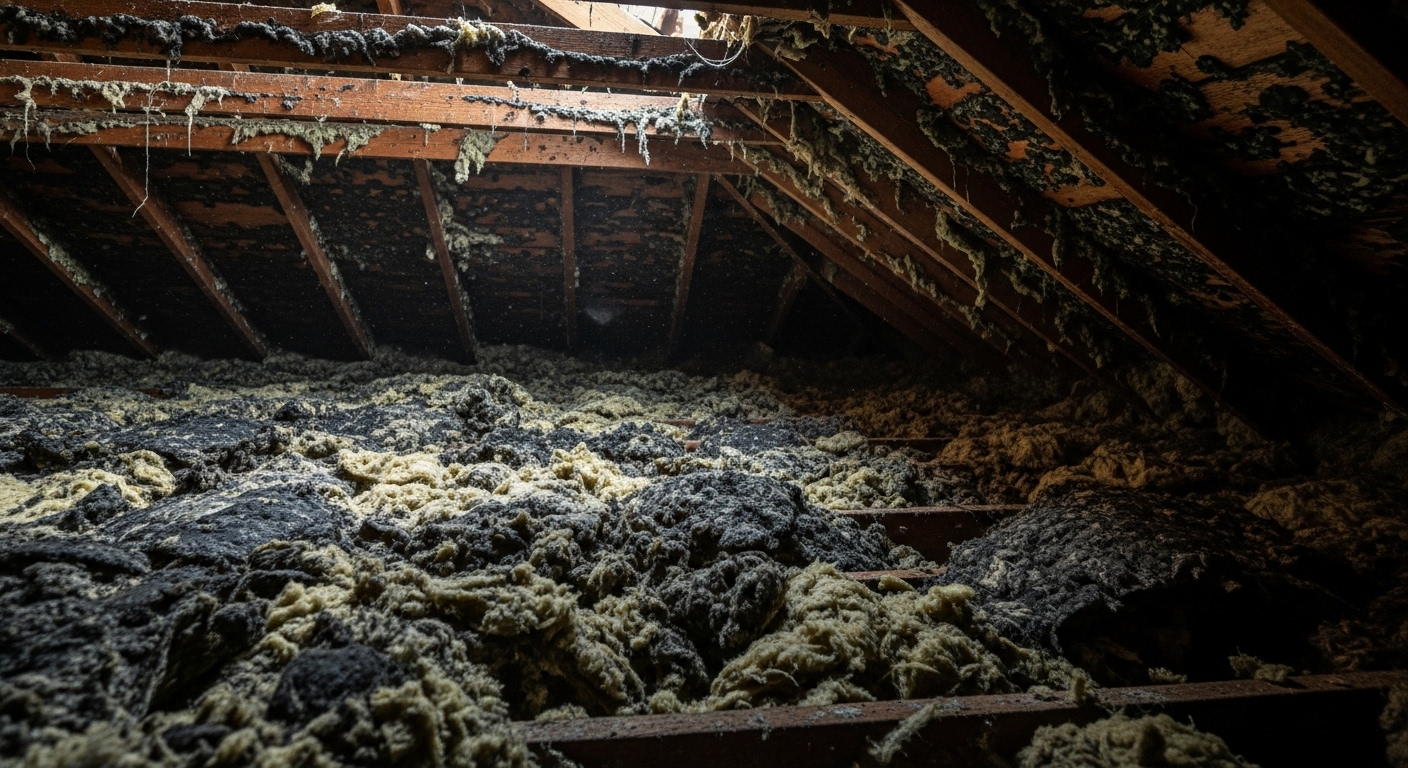
Mold spores spread easily through air currents. Removing moldy insulation is often the only safe solution.
Pest Contamination
Rodents and insects nest in attic insulation. Their droppings and urine soak into the material. Even after pests are gone, allergens remain.
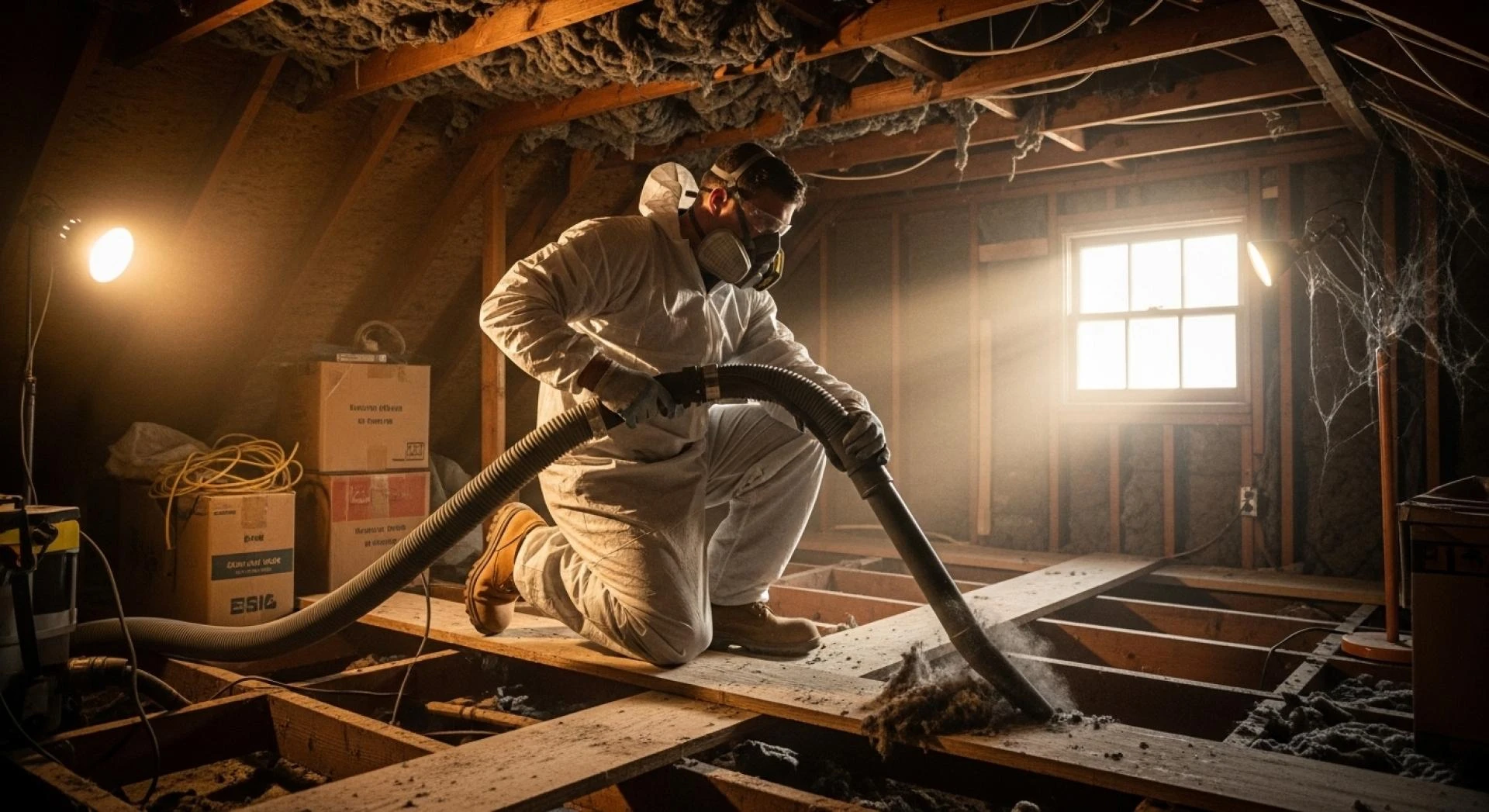
This is where trained Insulation Removal experts make a difference. They use sealed equipment to extract contaminated insulation without spreading debris.
What Happens During Insulation Removal
Many people assume removal is simple. In reality, it requires proper containment and disposal.
Professional Insulation Removal services follow a clear process to protect indoor air.
Step By Step Process
Inspection And Testing
They inspect the attic or crawl space for mold, moisture, and pest activity. Moisture levels and ventilation are checked.
Containment Setup
Plastic barriers and negative air machines prevent particles from spreading.
Safe Extraction
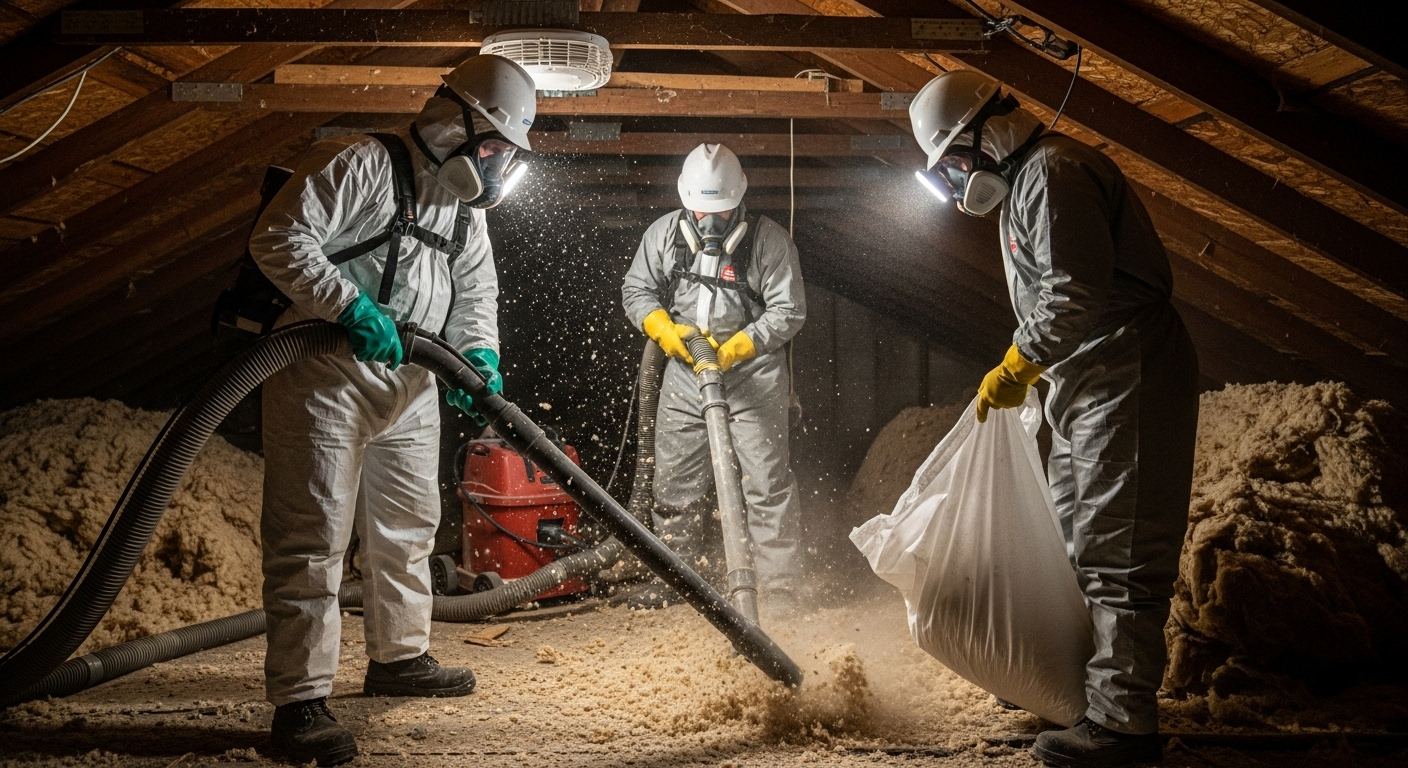
Special vacuums remove old insulation in bulk. This limits airborne dust.
Cleaning And Sanitizing
After removal, surfaces are cleaned. Odor treatments may be applied if needed.
Comparing Old Insulation And Clean Replacement
Below is a simple comparison of contaminated insulation versus properly removed and replaced material.
| Feature | Old Contaminated Insulation | After Professional Removal |
|---|---|---|
| Air Quality | Dust and allergens circulate | Cleaner indoor air |
| Mold Risk | High if moisture present | Reduced after cleanup |
| Energy Efficiency | Often reduced due to settling | Restored performance |
| Odor Issues | Possible musty smell | Odors minimized |
| Pest Impact | Droppings and nesting debris | Area sealed and cleaned |
Energy studies show that up to 90 percent of U.S. homes lack proper insulation levels. Poor insulation not only wastes energy but can also hold pollutants.
Climate And Regional Factors That Increase Risk
Homes in humid regions face higher mold risk. Southern states like Texas and Florida deal with high attic temperatures and moisture buildup.
Cold climates face different issues. Ice dams and roof leaks soak insulation during winter. Once wet, fiberglass and cellulose lose performance and become allergen traps.
In coastal areas, salt air and humidity speed up material breakdown. In dry regions, wind driven dust fills attic spaces quickly.
These regional factors make Insulation Removal more urgent in certain climates.
Things To Consider Before Making A Decision
Homeowners should not rush into removal without proper review. A few factors matter.
Age Of The Home
Homes built over 15 to 20 years ago may contain insulation that has settled or absorbed contaminants.
History Of Water Damage
Roof leaks, storm damage, or plumbing issues increase mold risk.
Allergy Severity
If residents experience year round symptoms indoors, attic inspection is worth considering.
Budget And Scope
Full removal may not always be needed. A professional Insulation Removal contractor can assess whether spot removal or full extraction is required.
Health And Energy Benefits Go Hand In Hand
Removing contaminated insulation often improves comfort and lowers utility bills.
The U.S. Department of Energy estimates homeowners can save up to 15 percent on heating and cooling costs by sealing and insulating properly.
Clean insulation also supports balanced airflow. That reduces dust movement inside the home.
Replace Insulation With Low Dust Materials
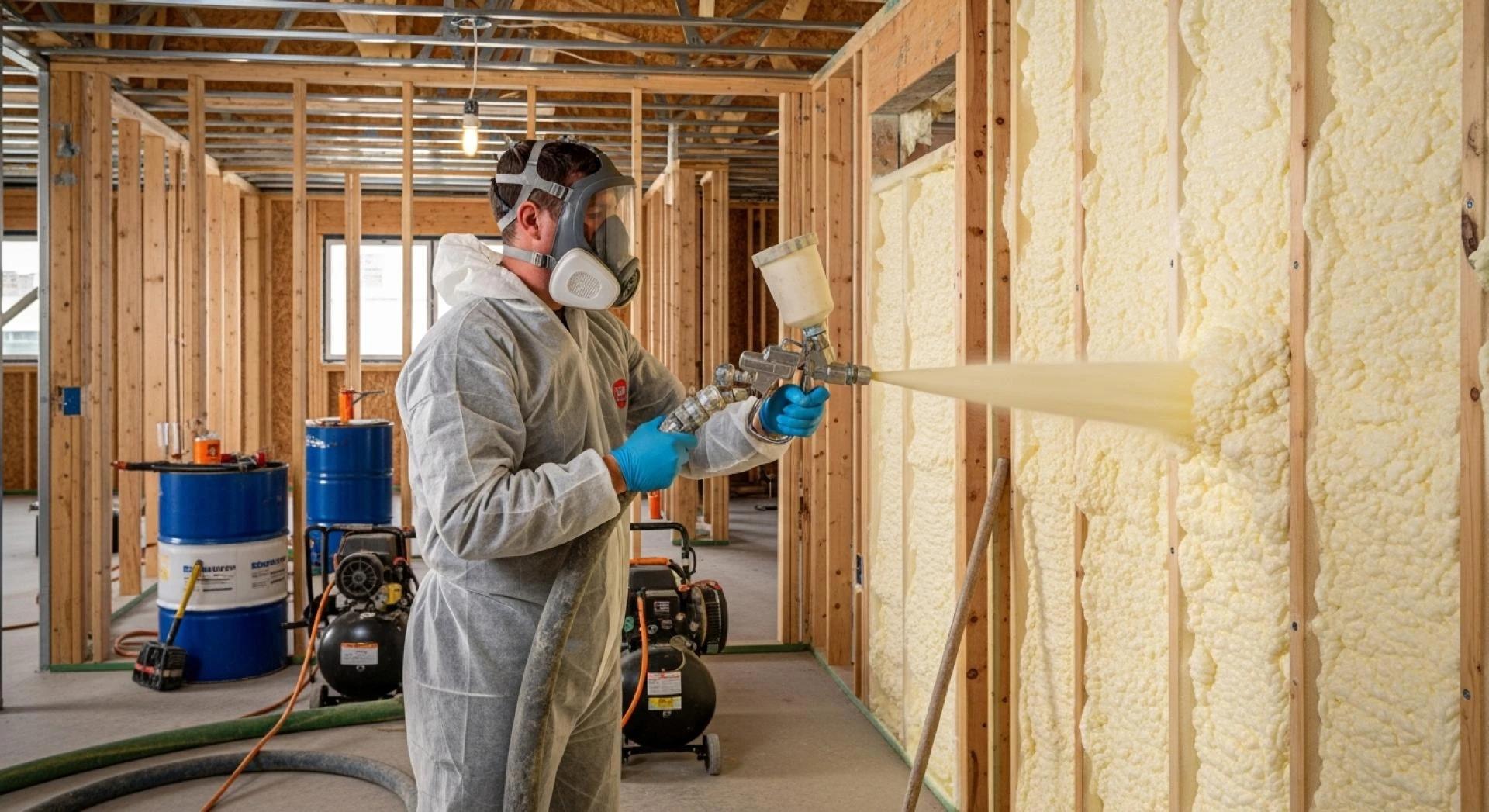
Blown in fiberglass or spray foam options reduce loose particle movement.
Seal Air Leaks Before Installing New Insulation
Air sealing around vents and attic hatches limits allergen entry.
Schedule Annual Attic Checks
Routine inspections catch moisture issues early.
Clean Insulation Supports Better Living
Allergy sufferers often focus on air filters and medications. Yet the root cause may sit above their ceiling. Removing contaminated insulation reduces dust, mold spores, and pest debris.
Homeowners should evaluate attic conditions, moisture history, and symptom patterns. A professional assessment helps determine the right approach for long term indoor comfort.
Speak With A Trusted Insulation Team
Homeowners who suspect attic contamination can contact Stellrr Insulation and Spray Foam for guidance. Their team evaluates insulation condition and recommends safe Insulation Removal services when needed. They focus on lasting solutions that improve air quality and energy use.
For more information, readers may reach them at [email protected] or call (512) 710-2839. A qualified Insulation Removal company can help determine whether removal is the right step for allergy relief.
Questions People Ask About Insulation Removal
How do homeowners know if insulation is causing allergies?
Persistent indoor symptoms, musty smells, and visible attic dust are common signs. A professional inspection confirms the source.
Is insulation removal messy?
When handled by trained Insulation Removal experts, containment systems prevent dust spread. DIY removal often creates more airborne debris.
How long does insulation removal take?
Most attic projects take one to two days, depending on size and contamination level.
Can moldy insulation be cleaned instead of removed?
Heavily affected insulation usually needs full removal. Surface cleaning rarely fixes deep contamination.
Will new insulation stop allergies completely?
It reduces airborne triggers linked to old materials. Other factors like carpets and ducts should also be checked.
Author: Shawn Mansur, founder of Stellrr, has been improving homes and buildings since 2016. He believes in fixing problems the right way, with lasting solutions, not temporary fixes. Through Stellrr, Shawn and his team provide insulation and energy-efficient upgrades for both residential and commercial properties, ensuring every project delivers real, long-term results.
Reviewer: Sophia White has 8 years of experience in spray foam insulation. She reviewed this post and gave clear guidance on aligning business messaging with what customers actually care about.



























Sign in to leave a comment.