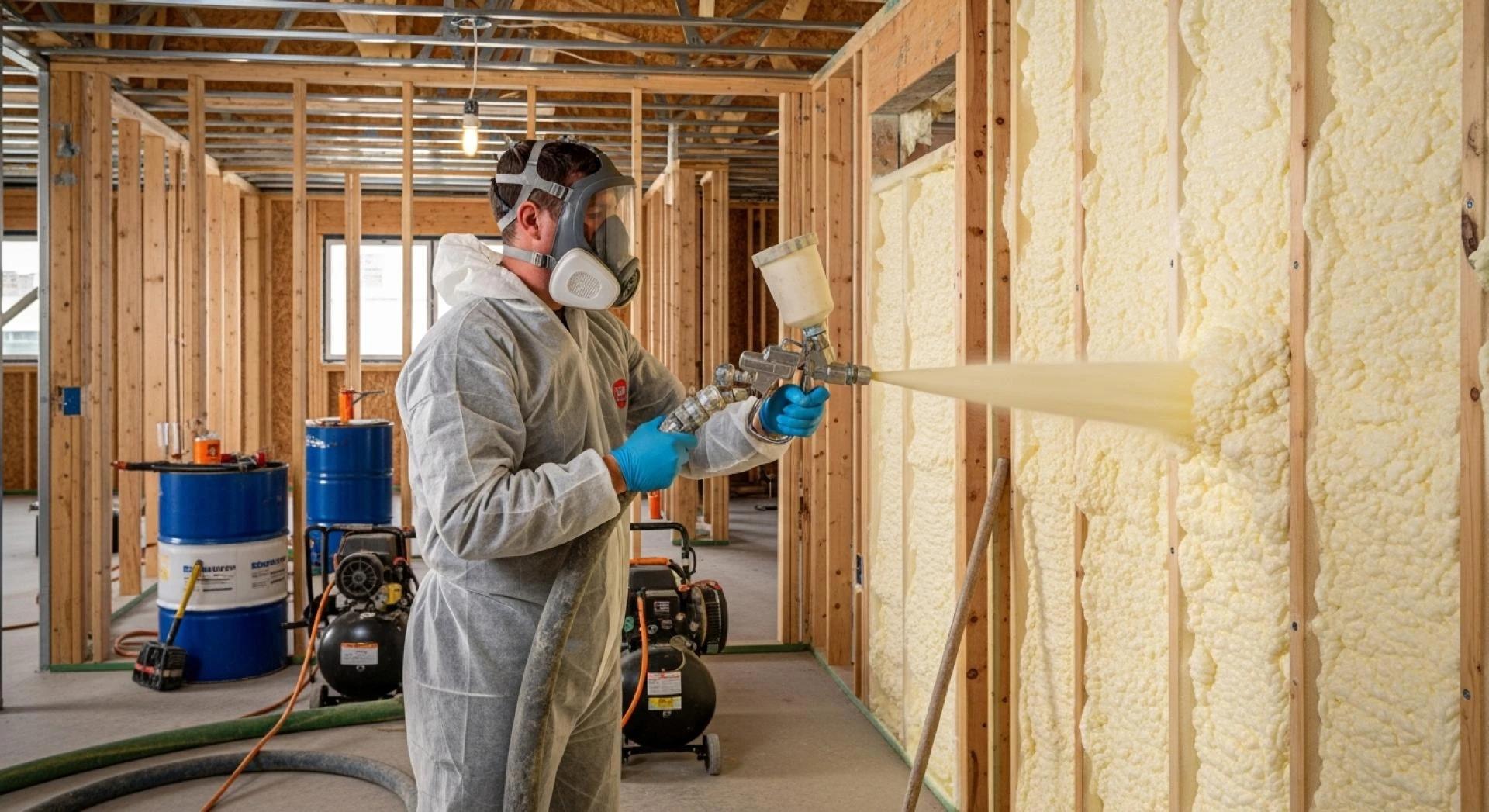

Closed-cell insulation can significantly reduce the risk of ice dams on roofs when installed correctly. By creating a continuous thermal barrier, it minimizes heat loss through the attic and prevents warm air from melting snow unevenly. However, insulation alone is not a complete solution, proper ventilation, roof design, and moisture management are also essential to fully prevent ice dams.
Homeowners who combine Closed-Cell Insulation services with professional attic ventilation strategies often see the most reliable results. This approach reduces costly roof damage, protects gutters, and preserves shingles.
Stellrr Insulation & Spray Foam has been providing Closed-Cell Insulation experts since 2016, ensuring long-term solutions that address both energy efficiency and structural protection. Their experience highlights the importance of precision installation to maximize performance.
How Ice Dams Form on Roofs
Understanding ice dam formation helps clarify why insulation is vital. Ice dams occur when snow on the roof melts unevenly due to heat escaping from the attic. Melted water flows down and refreezes at the roof edge, creating a dam that can back up under shingles and cause leaks.
Key contributing factors include:
- Poor attic insulation
- Warm air escaping from the living space
- Inadequate roof ventilation
- Cold exterior temperatures combined with heavy snowfall
Even homes in milder climates can experience ice dams if insulation or ventilation is inconsistent.
How Closed-Cell Insulation Helps
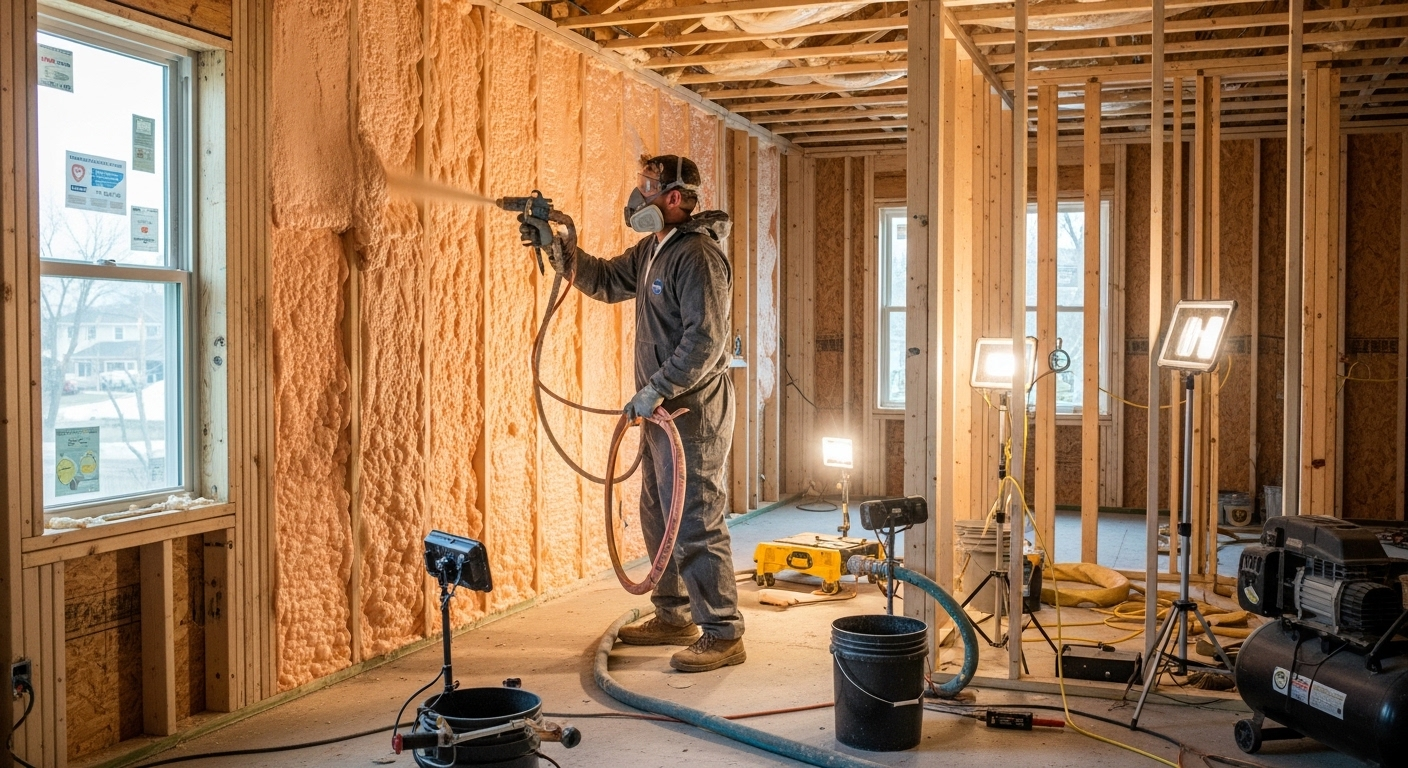
Closed-cell insulation acts as both an air barrier and a thermal barrier, sealing gaps where warm air might escape. Its dense structure resists moisture and provides higher R-values per inch compared to other insulation types.
Benefits for Ice Dam Prevention
- Minimizes heat transfer from living spaces to attic
- Reduces condensation that can accelerate ice formation
- Provides structural support to the roof deck
- Seals leaks and gaps around plumbing or wiring penetrations
| Feature | Closed-Cell Insulation | Fiberglass/Other Insulation |
|---|---|---|
| R-value per inch | 6–7 | 2.5–3.5 |
| Moisture resistance | High | Low |
| Air sealing | Excellent | Poor |
| Structural support | Adds strength | None |
This table highlights why Closed-Cell Insulation services often outperform traditional options for ice dam prevention.
Things to Consider Before Making a Decision
Before choosing a Closed-Cell Insulation contractor, consider the following:
- Roof ventilation: Proper airflow is crucial to prevent ice dams, even with insulation.
- Attic sealing: Identify gaps, leaks, and penetrations that need attention.
- Local climate: Regions with heavy snowfall require higher insulation R-values.
- Budget vs. longevity: Closed-cell insulation has a higher upfront cost but offers long-term savings.
- Professional installation: Incorrect application reduces effectiveness and may trap moisture.
Bonus Tips
- Pair insulation upgrades with ridge vents or soffit vents for maximum protection.
- Inspect your attic annually to check for gaps or moisture accumulation.
Installation Best Practices
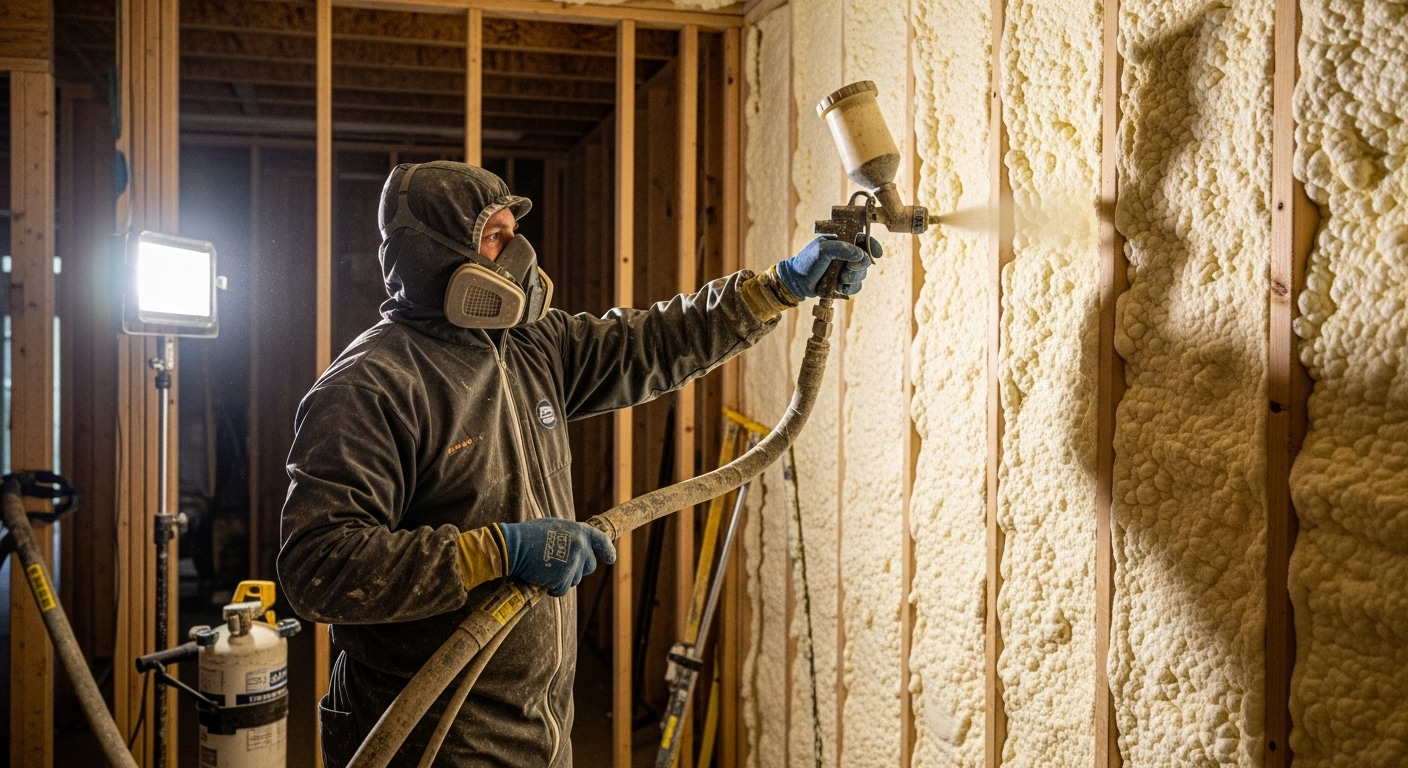
Proper installation determines the effectiveness of Closed-Cell Insulation experts. Key steps include:
- Clean and dry surfaces before application
- Apply consistent thickness without voids
- Seal all gaps around chimneys, vents, and electrical wiring
- Combine with air barriers or vapor retarders if recommended
Bonus Tip
Avoid cutting corners by layering thin coats to ensure full coverage. Uneven application can leave thermal bridges that promote ice dams.
Regional Guidance
In northern states with frequent snow, a higher density and thicker application are essential. In southern or milder regions, Closed-Cell Insulation services still improve energy efficiency but may require less thickness. Homeowners should tailor the approach to local weather patterns for optimal results.
Questions People Ask About
How thick should closed-cell insulation be to prevent ice dams?
A minimum of 3–4 inches is generally recommended, but local climate and roof design may require more to achieve the proper R-value.
Can I install it myself?
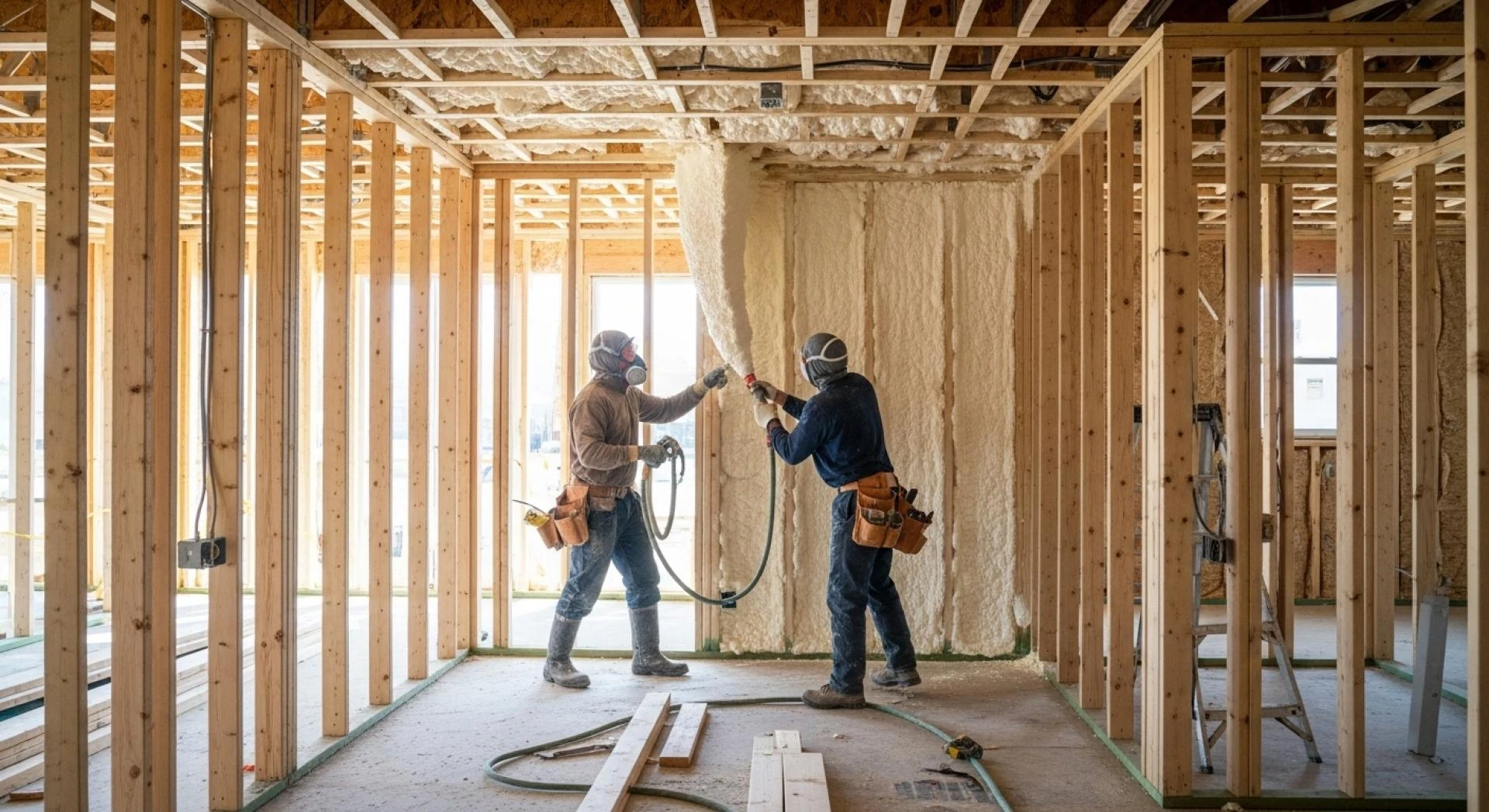
DIY installation is risky. Professionals ensure consistent coverage, correct thickness, and proper sealing to prevent moisture issues.
Does it replace ventilation?
No. Insulation and ventilation work together. Proper airflow must still be maintained to manage roof temperature and moisture.
How long does closed-cell insulation last?
When installed correctly, it can last 20–30 years without losing effectiveness, maintaining its air-sealing and thermal properties.
Will it reduce energy bills?
Yes. Its high R-value and air-sealing properties reduce heat loss in winter and heat gain in summer, lowering heating and cooling costs.
Summary of Key Takeaways
Closed-Cell Insulation reduces ice dams by limiting heat loss and sealing air leaks. Success requires professional installation, proper attic ventilation, and consideration of local climate. Homeowners should combine insulation upgrades with moisture management and roof maintenance for long-term protection. Evaluating specific roof needs ensures both energy efficiency and structural safety.
Next Steps for Ice Dam Prevention
For homeowners seeking expert guidance, Stellrr Insulation & Spray Foam offers thorough Closed-Cell Insulation services tailored to residential and commercial properties. They can assess roof conditions, recommend optimal insulation thickness, and coordinate proper ventilation.
Contact Stellrr at [email protected] or call (512) 710-2839 for more information on improving attic performance and reducing ice dam risks.
Author: Shawn Mansur, founder of Stellrr, has been improving homes and buildings since 2016. He focuses on lasting solutions with insulation and energy-efficient upgrades for residential and commercial properties.
Reviewer: Sophia White has 8 years of experience in spray foam insulation. She reviewed this post and provided guidance to ensure messaging aligns with customer priorities.

























Sign in to leave a comment.