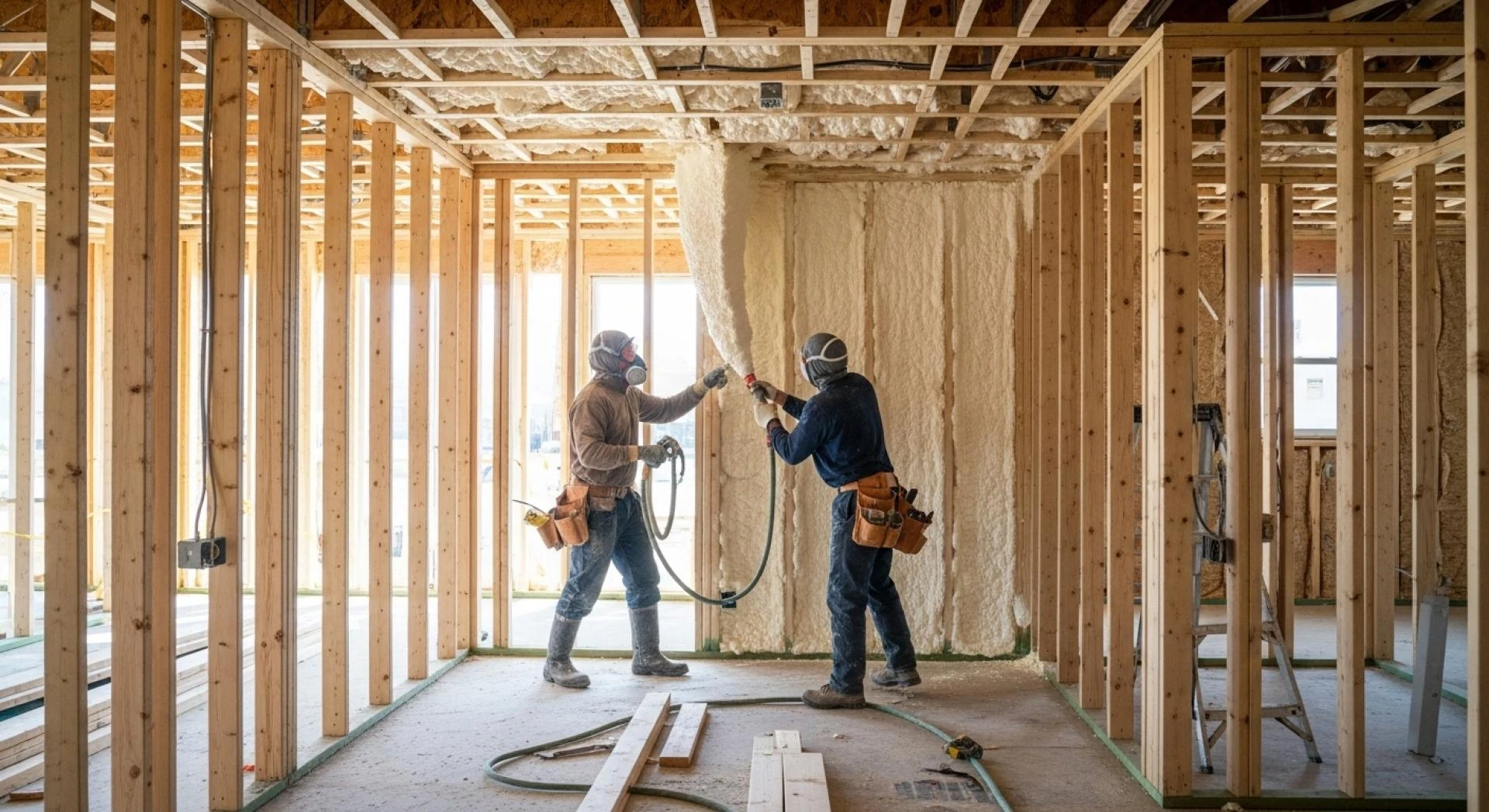

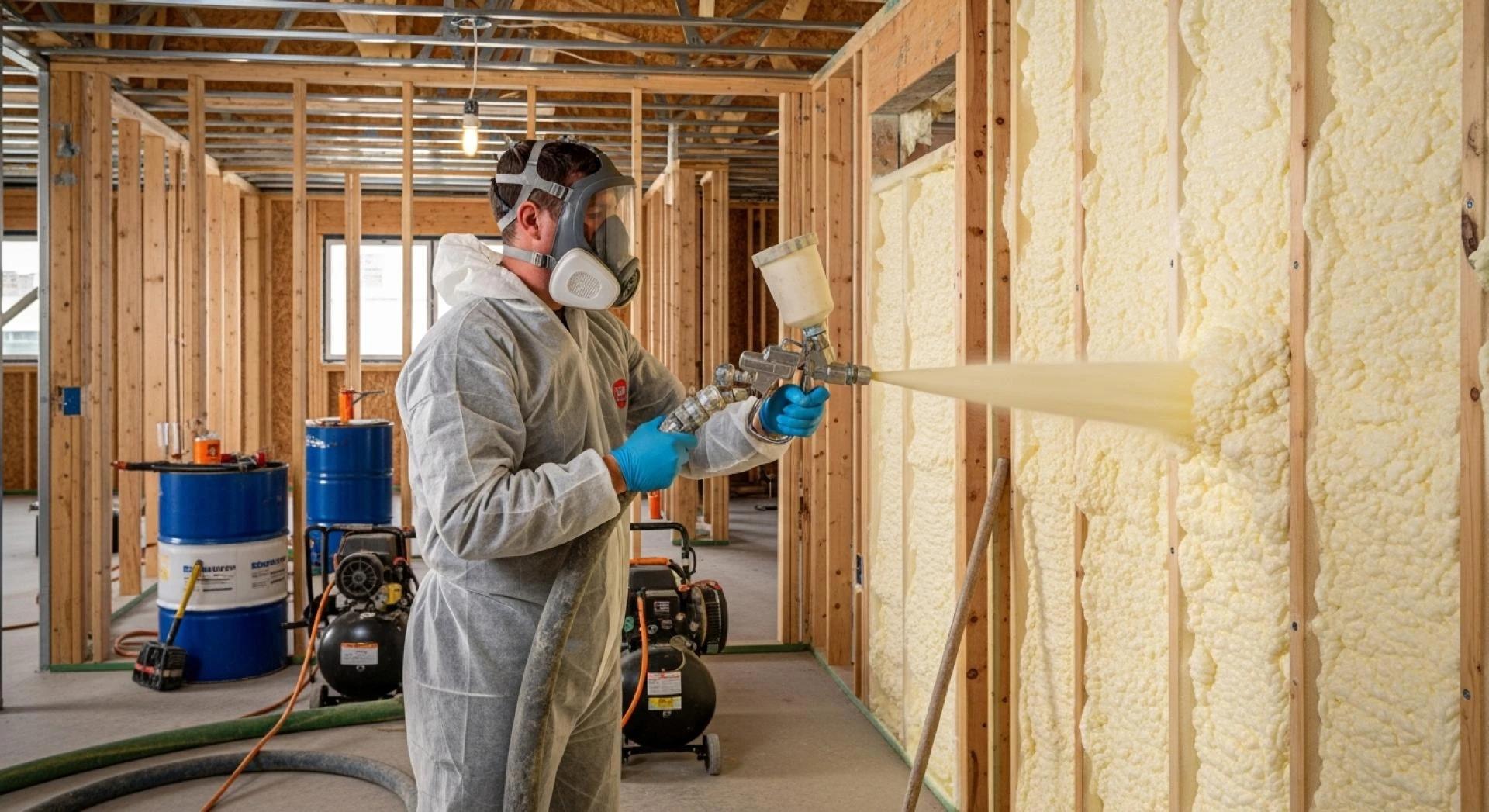
Closed-cell insulation is dense and expands to fill cavities, creating a tight barrier that can limit access points for pests. While it does not chemically repel insects or rodents, its structure makes it much harder for them to penetrate walls compared to traditional insulation types. Proper installation by experienced Closed-Cell Insulation experts ensures minimal gaps and maximizes the material’s effectiveness in preventing unwanted intrusions.
Understanding how closed-cell insulation interacts with building materials and potential entry points is essential for property owners looking to reduce pest problems while improving energy efficiency.
This article explores the role of closed-cell insulation in pest prevention, practical application strategies, and considerations for both new and older homes in different climates.
Professionals in the insulation field consistently note that well-installed closed-cell insulation provides structural benefits, moisture control, and a significant reduction in common pest access points, making it a valuable component of a comprehensive pest prevention plan.
How Closed-Cell Insulation Blocks Pests
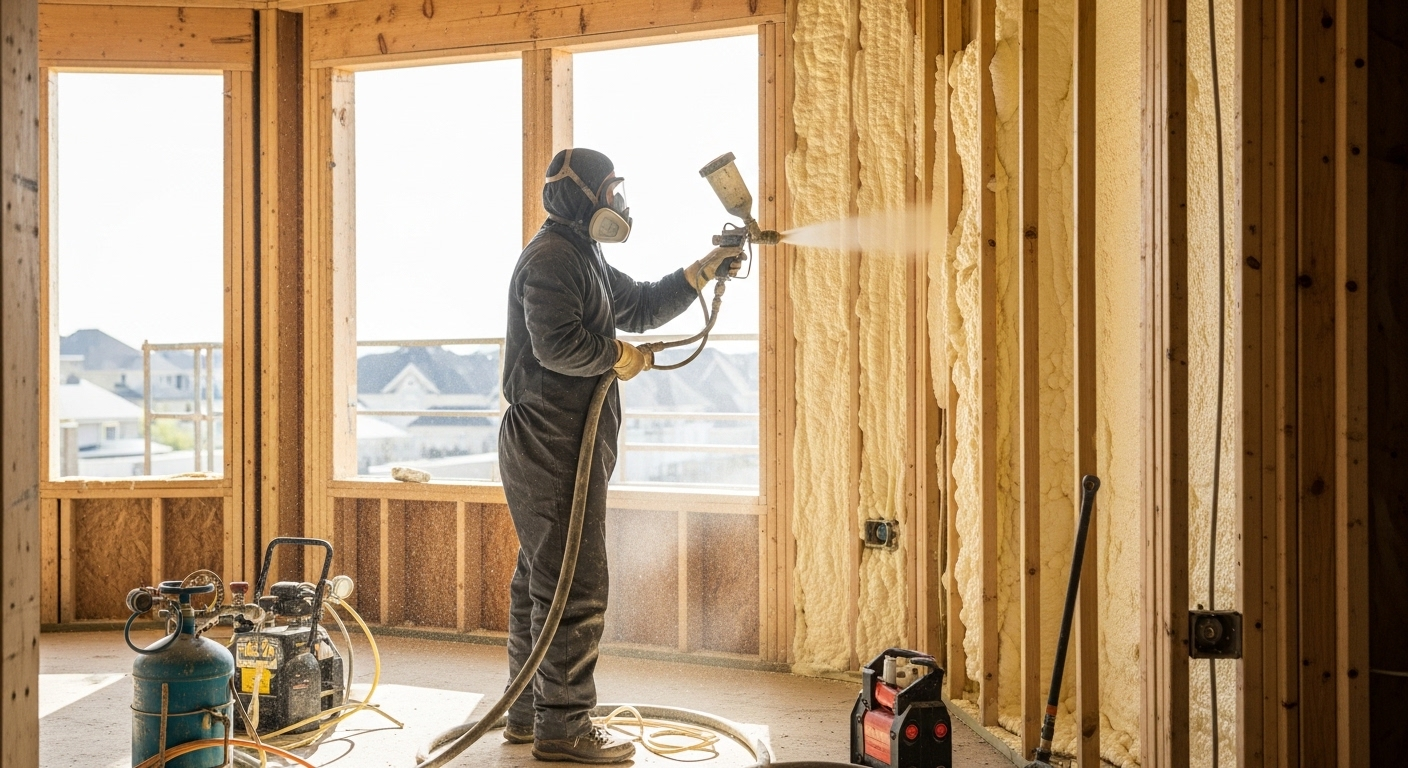
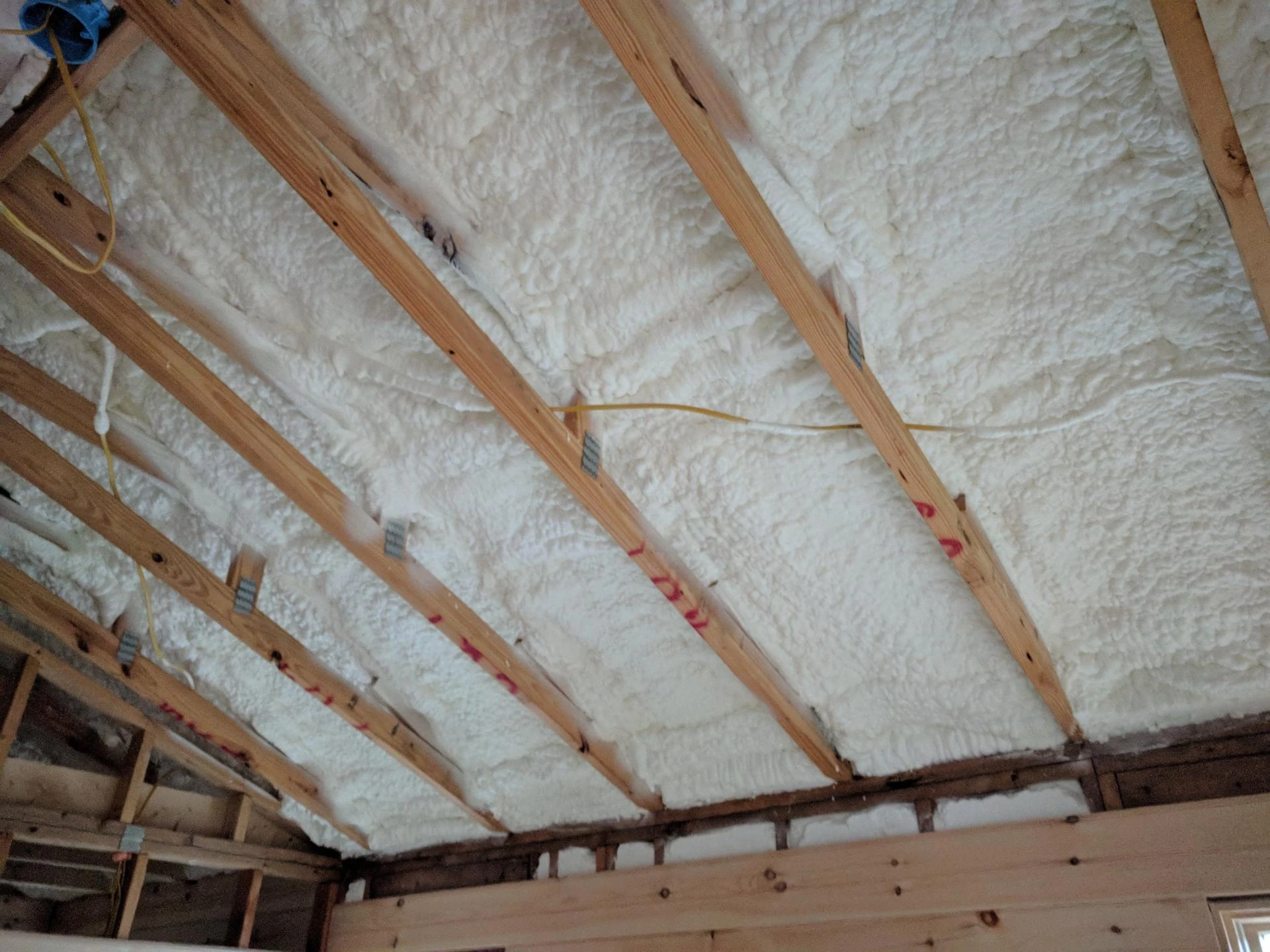
Closed-cell insulation expands on application, filling cracks, seams, and gaps in walls. This expansion creates a continuous barrier that makes it difficult for insects and rodents to enter.
Benefits for Pest Control
- Fills small gaps around pipes, wiring, and vents
- Hard, dense material discourages chewing and nesting
- Supports structural integrity, reducing openings that develop over time
Limitations to Consider
While closed-cell insulation blocks many entry points, it is not a standalone pest control solution. Rodents may still find entry through exterior gaps, vents, or doors. Combining insulation with sealing of these external openings provides the most reliable protection.
Bonus Tips
- Inspect attics and basements for signs of previous pest activity before installation.
- Pair insulation with weatherstripping or caulking around entry points for enhanced protection.
Comparing Insulation Types for Pest Prevention
Not all insulation materials offer the same level of resistance to pests.
| Feature | Closed-Cell Insulation | Fiberglass | Cellulose |
|---|---|---|---|
| Density | High | Low | Medium |
| Air Barrier | Yes | Limited | Moderate |
| Moisture Resistance | Excellent | Poor | Fair |
| Pest Resistance | Strong | Weak | Moderate |
| Installation Flexibility | Medium | High | High |
Closed-cell insulation performs best where both pest resistance and moisture control are priorities, making it a preferred choice in areas prone to rodent or insect intrusion.
Things to Consider Before Making a Decision
Property owners should evaluate several factors before choosing closed-cell insulation:
- Property age and construction type to determine potential gaps or weaknesses
- Local pest prevalence including rodents, termites, and insects common in the area
- Climate conditions that affect moisture and mold risk
- Budget and material performance balancing upfront costs with long-term benefits
- Professional expertise ensuring proper application and minimal gaps
Bonus Tips
- Use professional Closed-Cell Insulation services to verify coverage in hard-to-reach areas.
- Conduct regular inspections after installation to ensure no new gaps have formed.
Practical Applications
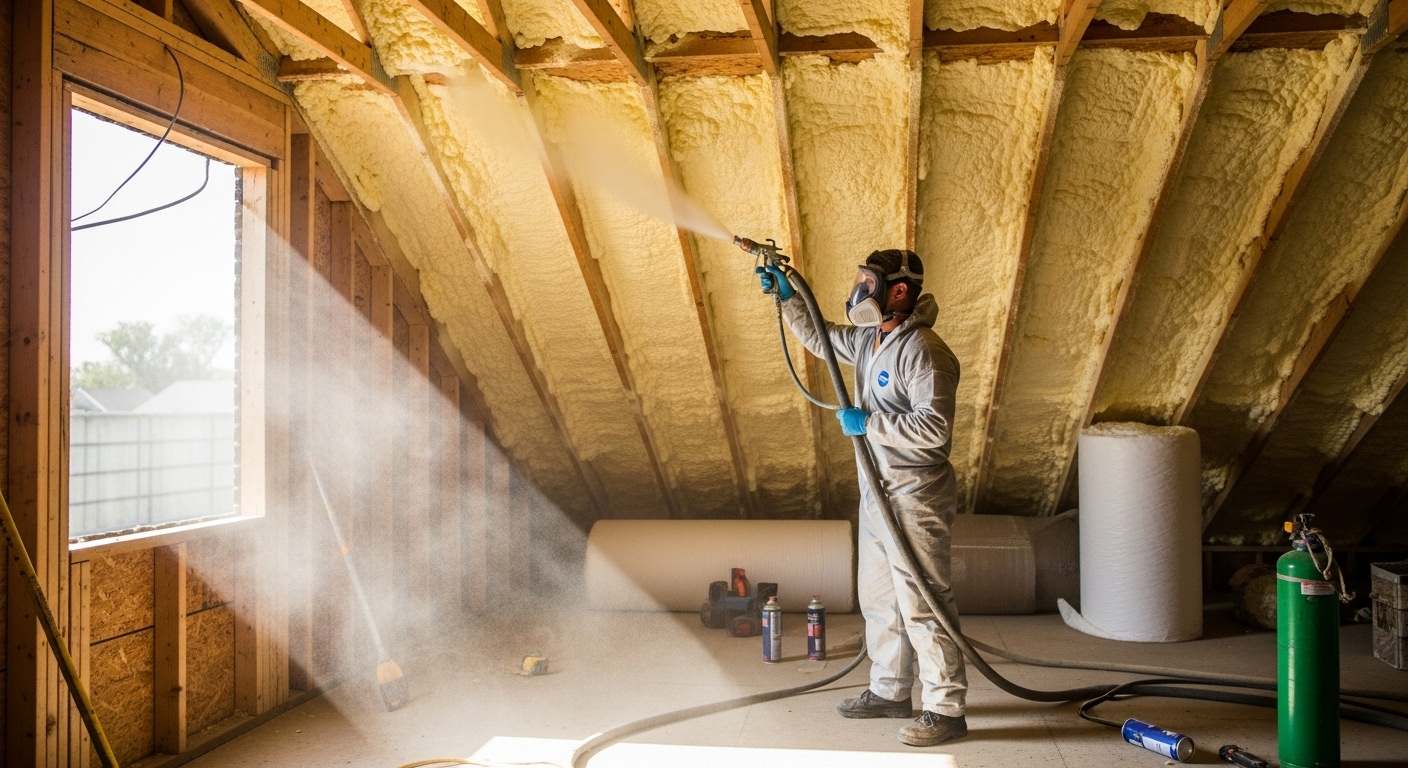
Closed-Cell Insulation experts often recommend this material for areas where both energy efficiency and pest prevention are critical:
- Wall cavities in both new and older homes
- Attics and crawlspaces where gaps commonly allow entry
- Around plumbing, HVAC ducts, and electrical penetrations
Combined with proper sealing of external entry points, closed-cell insulation significantly reduces the likelihood of pests nesting within walls.
Questions People Asks About Closed-Cell Insulation
Can closed-cell insulation completely stop rodents?
It limits access but does not fully eliminate the risk. External openings must also be sealed for full protection.
Is it safe for indoor air quality?
Yes, once cured, closed-cell insulation is inert and does not emit harmful chemicals.
Can it be added to existing walls?
Yes. Closed-Cell Insulation services can retrofit walls in older homes using injection or foam-in-place techniques.
How does moisture affect pest prevention?
Closed-cell insulation resists moisture, which deters mold and reduces conditions that attract pests.
Is closed-cell more expensive than other types?
Yes, but its density, air sealing, and moisture resistance provide long-term energy and maintenance savings.
Conclusion
Closed-cell insulation is a strong barrier against pests, especially when combined with proper sealing of external entry points. It enhances energy efficiency, structural integrity, and moisture resistance while reducing potential nesting areas for insects and rodents. Property owners should evaluate building type, climate, and pest prevalence to ensure the right installation strategy.
Take Action
Homeowners seeking expert guidance on pest-resistant insulation can contact Stellrr Insulation & Spray Foam. Their team provides professional Closed-Cell Insulation services, ensuring walls and attics are properly sealed and protected. For more information, email [email protected] or call (512) 710-2839 to discuss options and schedule an assessment.
Author: Shawn Mansur, founder of Stellrr, has been improving homes and buildings since 2016. He focuses on durable insulation solutions and energy-efficient upgrades that deliver long-term results.
Reviewer: Sophia White has 8 years of experience in spray foam insulation. She reviewed this post to ensure recommendations align with practical application and customer priorities.























Sign in to leave a comment.