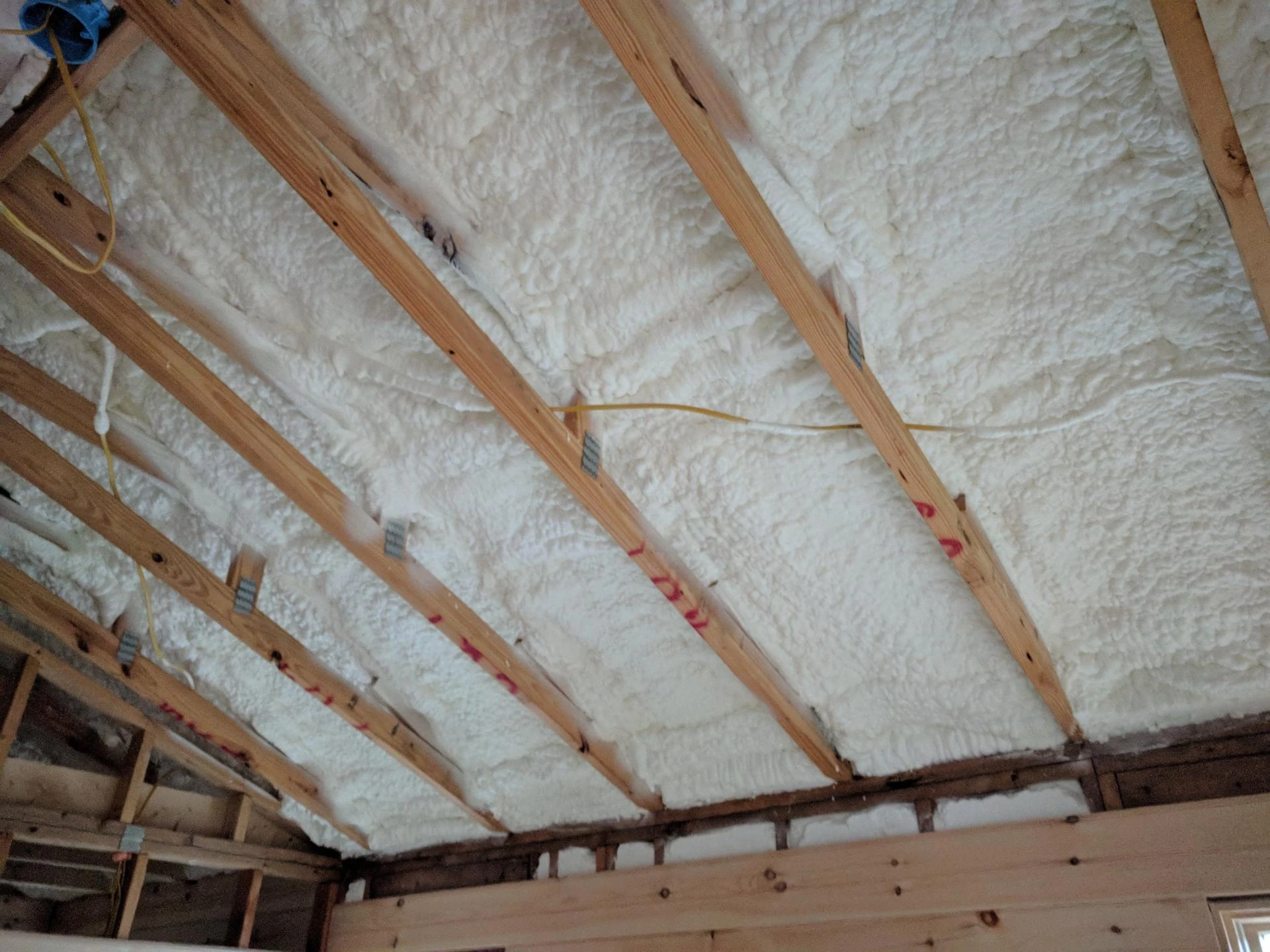

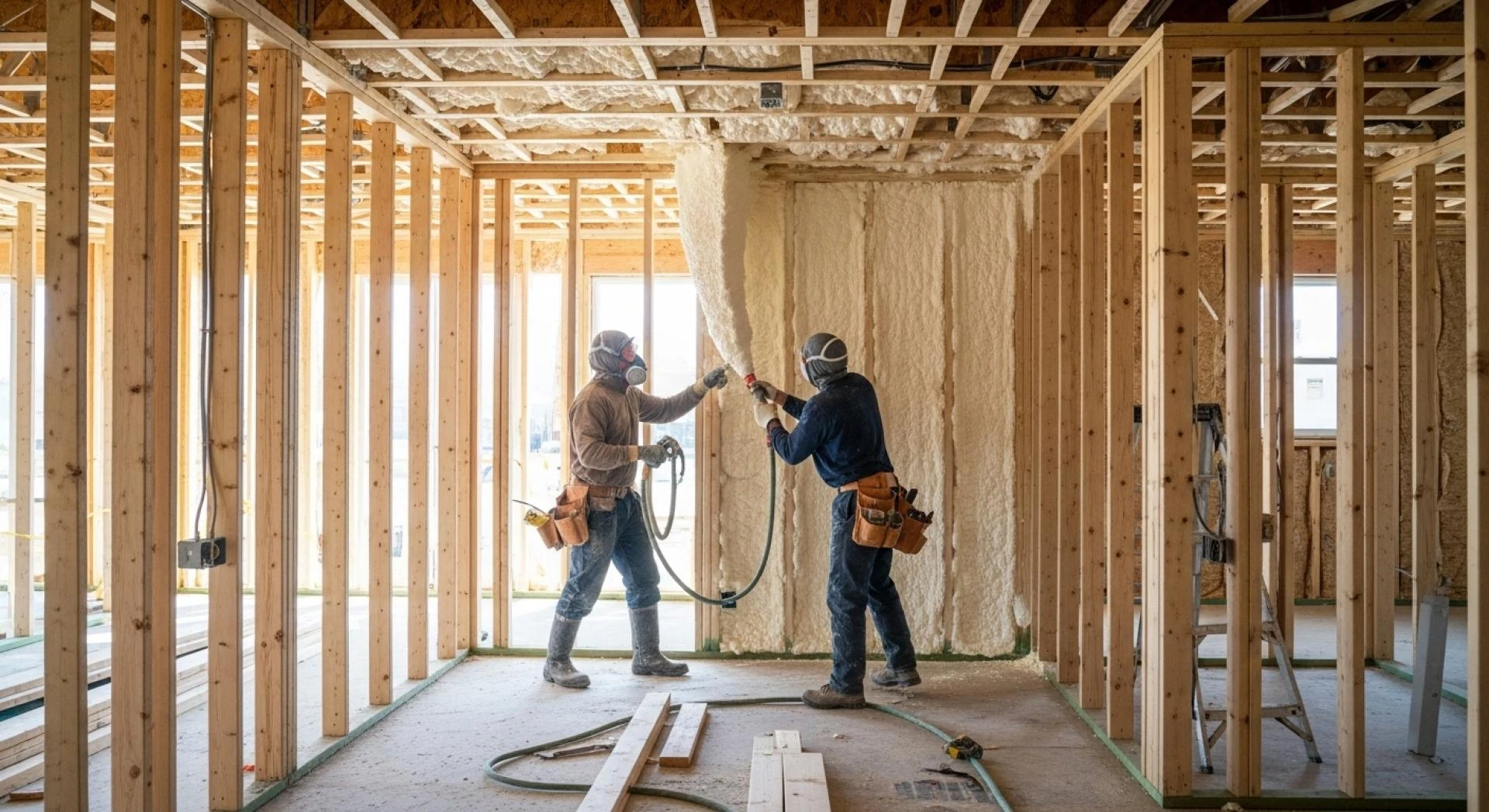
Open-cell spray foam insulation lowers monthly costs by controlling air movement, reducing HVAC load, and improving indoor comfort. It works best in walls and rooflines where air leaks cause steady energy loss. With rising utility rates, these savings matter more than ever.
Quick Answers That Matter Most
- It cuts heating and cooling waste caused by air leaks
- It reduces HVAC runtime, which lowers utility bills
- It improves comfort without constant thermostat changes
Way One: Air Sealing Cuts Energy Waste
Most monthly energy loss comes from uncontrolled air movement, not poor equipment. Open-cell insulation expands into wall cavities and seals gaps that let conditioned air escape.
According to guidance from the U.S. Department of Energy on air sealing and insulation, air leaks can account for up to 30 percent of heating and cooling costs. When those leaks close, energy use drops fast.
Why Air Leaks Cost Money Every Day
Air leaks force HVAC systems to run longer to maintain temperature. Each extra cycle adds cost and wear.
Open-cell foam slows this loss by creating a continuous air barrier inside walls and ceilings.
Way Two: Lower HVAC Runtime Reduces Utility Bills
When a home holds temperature longer, heating and cooling systems do less work. That directly reduces monthly energy bills.
The ENERGY STAR insulation and air sealing guidance explains that sealed building envelopes improve efficiency by reducing how often systems turn on and off.
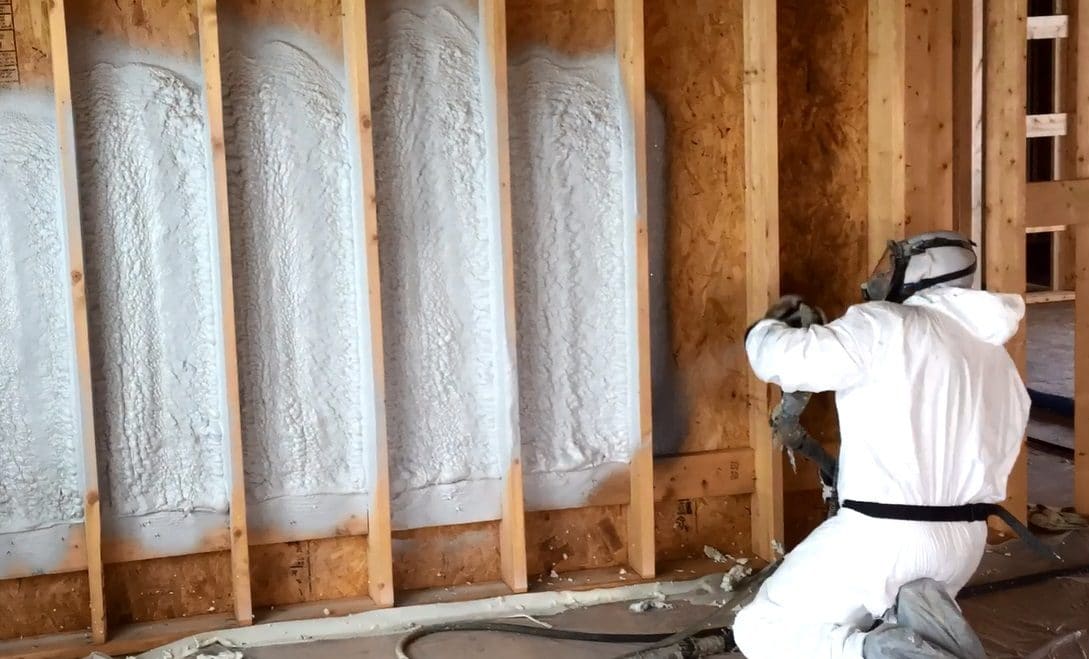
Cause And Effect On Monthly Costs
Less heat gain in summer means shorter AC cycles. Less heat loss in winter means fewer furnace starts.
This steady operation saves energy and extends equipment life.
Way Three: Moisture Control Prevents Hidden Repair Costs
Moist air moving through walls causes condensation. Over time, that moisture reduces insulation performance and leads to repairs.
The Environmental Protection Agency’s moisture control guidance for buildings explains that controlling airflow is one of the most effective ways to manage indoor moisture.
How Moisture Impacts Monthly Spending
Wet insulation does not perform well. HVAC systems then run longer to compensate.
By limiting humid air entry, open-cell foam helps maintain consistent performance and avoids moisture-related costs.
Way Four: Comfort Reduces Thermostat Adjustments
Homes with uneven temperatures lead occupants to adjust thermostats often. Each adjustment increases energy use.
Open-cell insulation helps rooms stay closer to the same temperature, reducing the need for constant adjustments.
Comfort Has A Cost-Benefit
Stable indoor temperatures mean fewer manual overrides. That keeps energy use predictable and bills lower each month.
Open-Cell Foam vs Fiberglass Cost Impact
| Feature | Open-Cell Spray Foam | Fiberglass Insulation |
|---|---|---|
| Air Sealing | Seals gaps and cavities | Allows air leakage |
| Monthly Energy Use | Lower and stable | Higher and variable |
| Moisture Impact | Limits humid air entry | Performance drops when wet |
| Long-Term Costs | Fewer comfort complaints | More HVAC strain |
Bonus Tips For Better Monthly Savings
- Focus on wall cavities and rooflines first
- Seal attic access points before adding insulation
- Pair insulation upgrades with duct sealing
Real-World Results
Field research from building performance studies shows homes with sealed envelopes report fewer comfort complaints and lower energy demand. These results hold steady over time when insulation remains intact.
Analysis: Cost Versus Performance
Open-cell insulation costs more upfront than basic materials. The monthly savings come from reduced energy use, not material thickness alone.
Lower HVAC runtime, fewer moisture issues, and better comfort combine into steady cost control. Over time, these savings offset installation costs.
Conclusion
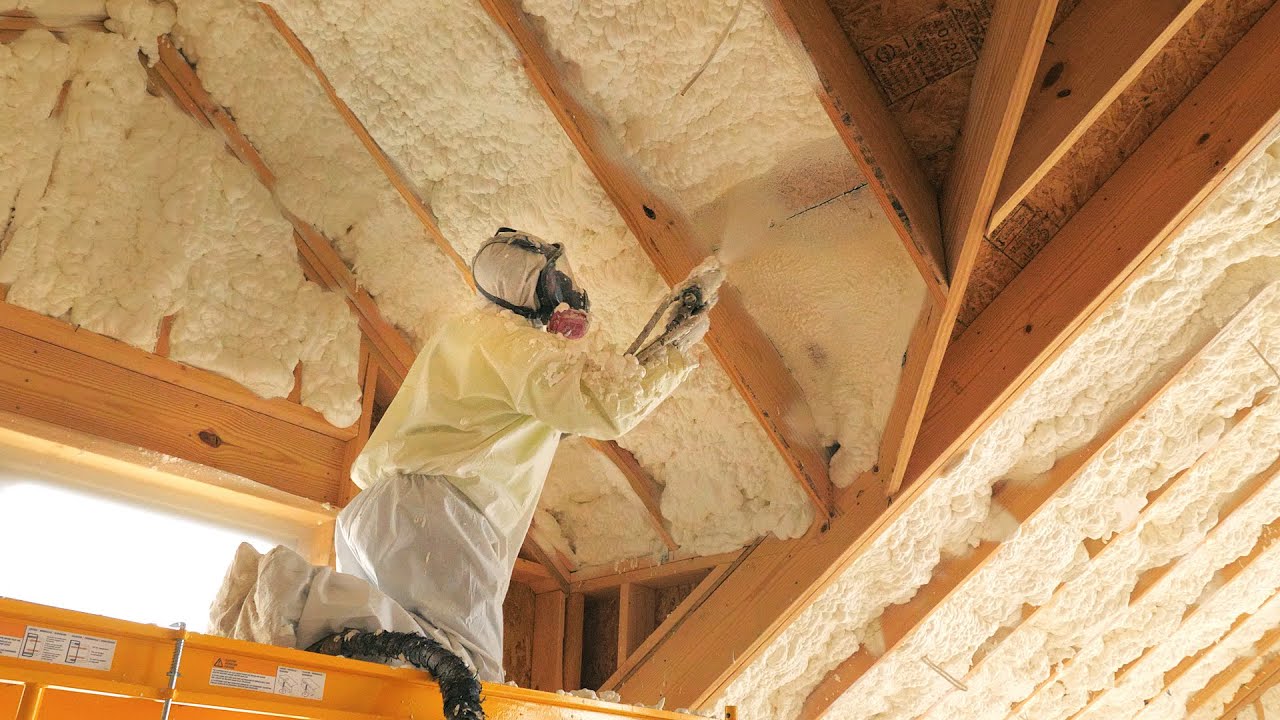
Open-cell insulation saves money every month by stopping air leaks, lowering HVAC demand, controlling moisture, and improving comfort. These benefits work together, not separately.
Stellrr Insulation & Spray Foam supports energy-efficient projects by installing insulation systems that deliver real performance, not short-term fixes.
Work With Stellrr Insulation & Spray Foam
Open-cell spray foam can lower monthly costs when installed correctly. Stellrr Insulation & Spray Foam provides field-tested solutions that improve comfort and energy performance.
For guidance, call (512) 710-2839 or email [email protected].
FAQs
How Much Can Open-Cell Insulation Save Per Month?
Savings vary by home size and air leakage, but reduced HVAC runtime often results in noticeable monthly savings.
Is Open-Cell Foam Better Than Fiberglass?
It seals air while insulating. Fiberglass only slows heat flow.
Where Does Open-Cell Foam Work Best?
It performs well in walls, ceilings, and rooflines where air leakage is common.
Does Open-Cell Foam Help With Noise?
Yes. Its soft structure absorbs sound and reduces noise transfer.
How Long Does Open-Cell Insulation Last?
When installed correctly, it maintains performance for decades.
Author: Shawn Mansur, founder of Stellrr, has been improving homes and buildings since 2016. He believes in fixing problems the right way, with lasting solutions, not temporary fixes. Through Stellrr, Shawn and his team provide insulation and energy-efficient upgrades for both residential and commercial properties, ensuring every project delivers real, long-term results.
Reviewer: Sophia White has 8 years of experience in spray foam insulation. She reviewed this post and gave clear guidance on aligning business messaging with what customers actually care about.
Sources
- U.S. Department of Energy – Explains how air sealing reduces heating and cooling losses.
- ENERGY STAR – Details the impact of insulation and air sealing on energy use.
- Environmental Protection Agency – Guidance on controlling moisture through airflow management.


























Sign in to leave a comment.