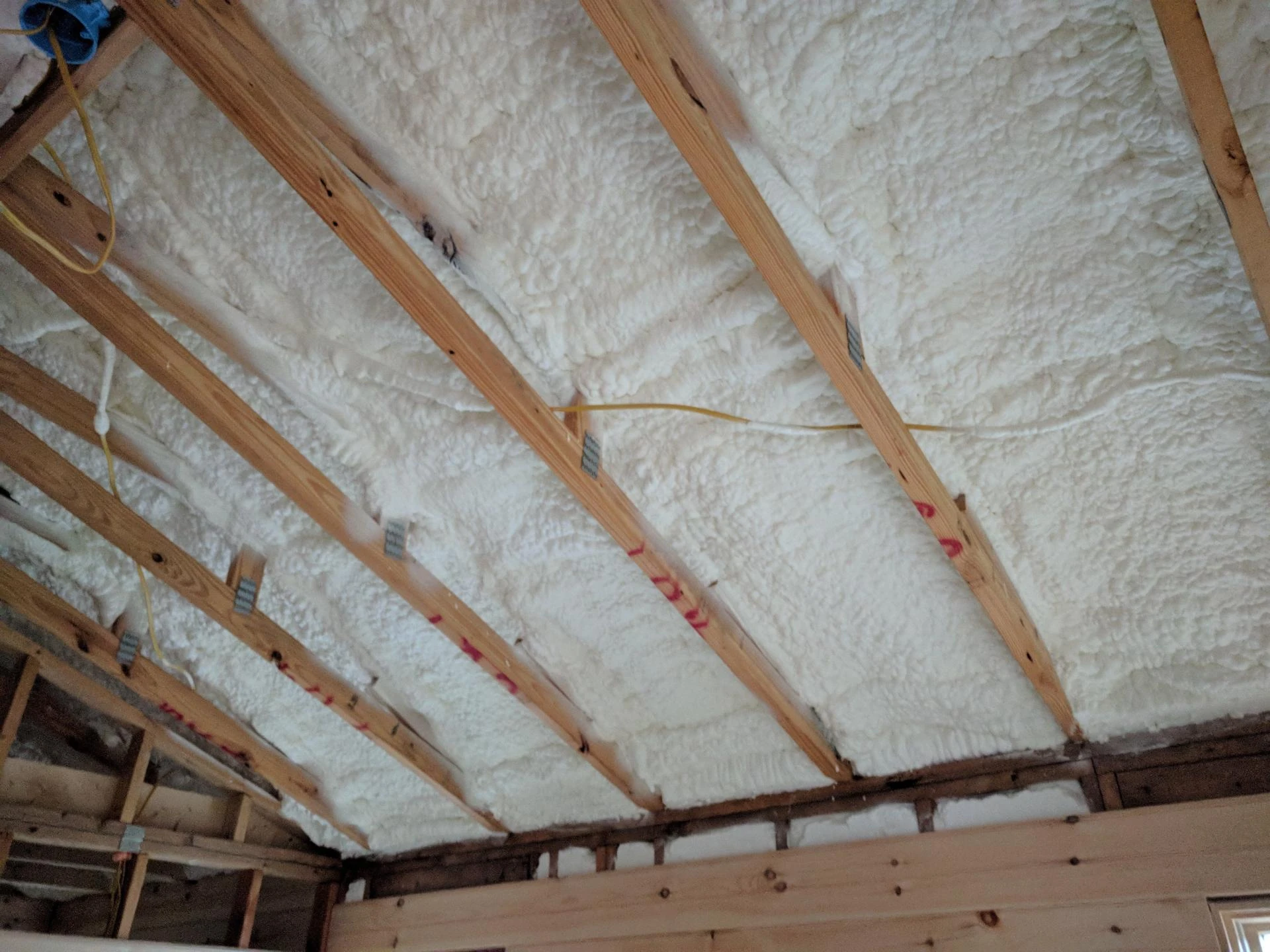

Open-cell insulation services in 2026 focus on improving indoor comfort, reducing air movement, and supporting balanced energy performance without adding excessive structural weight. Property owners can expect a controlled installation process that prioritizes air sealing, noise reduction, and consistent indoor temperatures. When applied correctly, open-cell insulation helps cooling and heating systems operate with less strain.
This guide explains what typically happens before, during, and after open-cell insulation services. It also outlines decision factors, performance expectations, and practical considerations based on current building practices and climate demands.
How Open-Cell Insulation Services Work in Modern Buildings
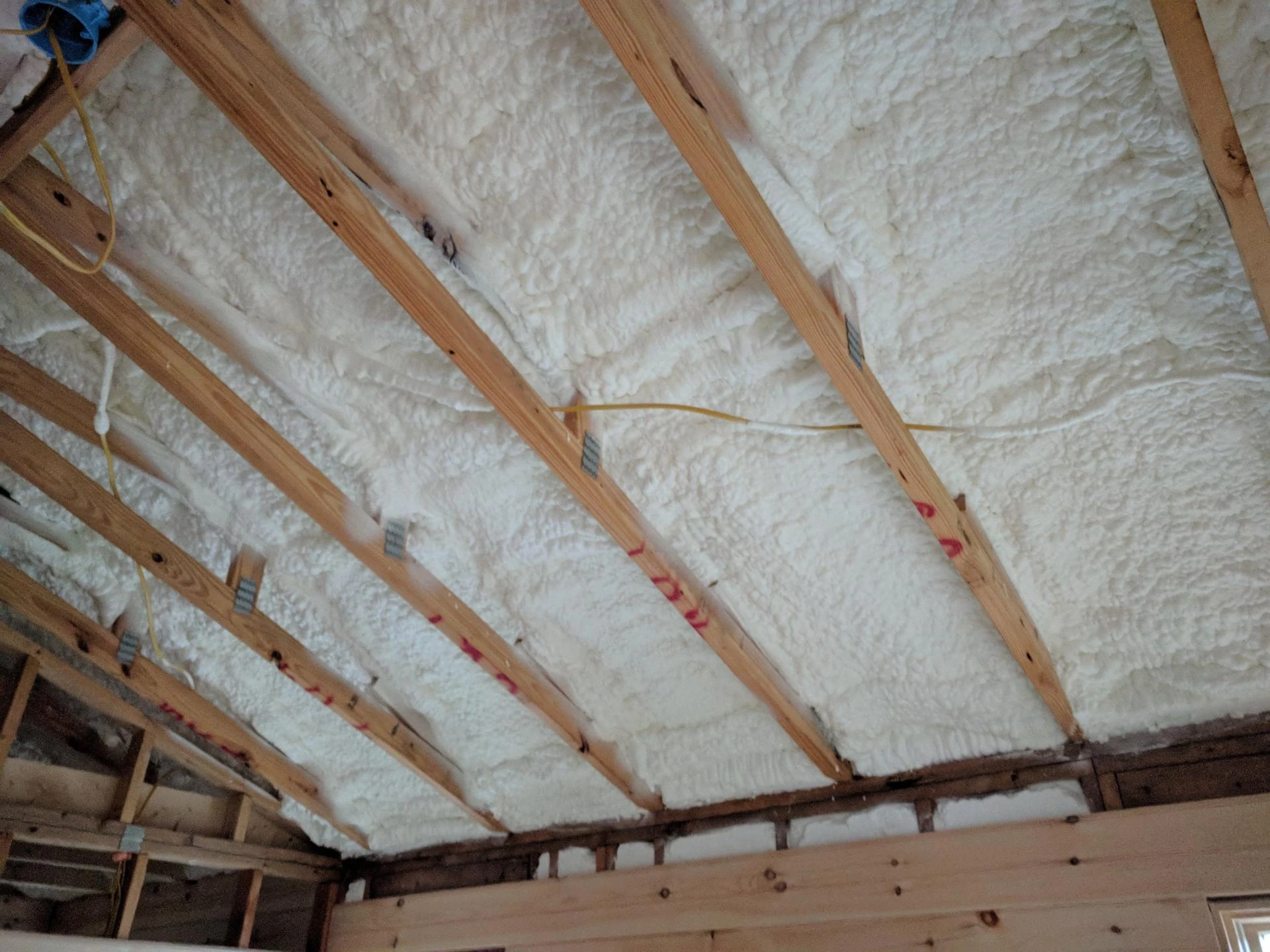
Open-cell insulation uses a lighter foam structure that expands to fill cavities and gaps. This expansion helps reduce unwanted airflow while allowing controlled drying within walls and ceilings. In 2026, installation methods place greater emphasis on precision and indoor air quality.
Service providers now follow tighter preparation and application standards to ensure even coverage and predictable results across residential and commercial spaces.
Pre-Installation Evaluation and Planning
Before installation begins, service teams review the building layout and existing insulation conditions. This step ensures open-cell insulation aligns with the structure’s airflow needs.
During planning, crews identify target zones such as attics, walls, and sound-sensitive areas. Climate patterns and seasonal temperature swings are also considered.
Preparation of the Work Area
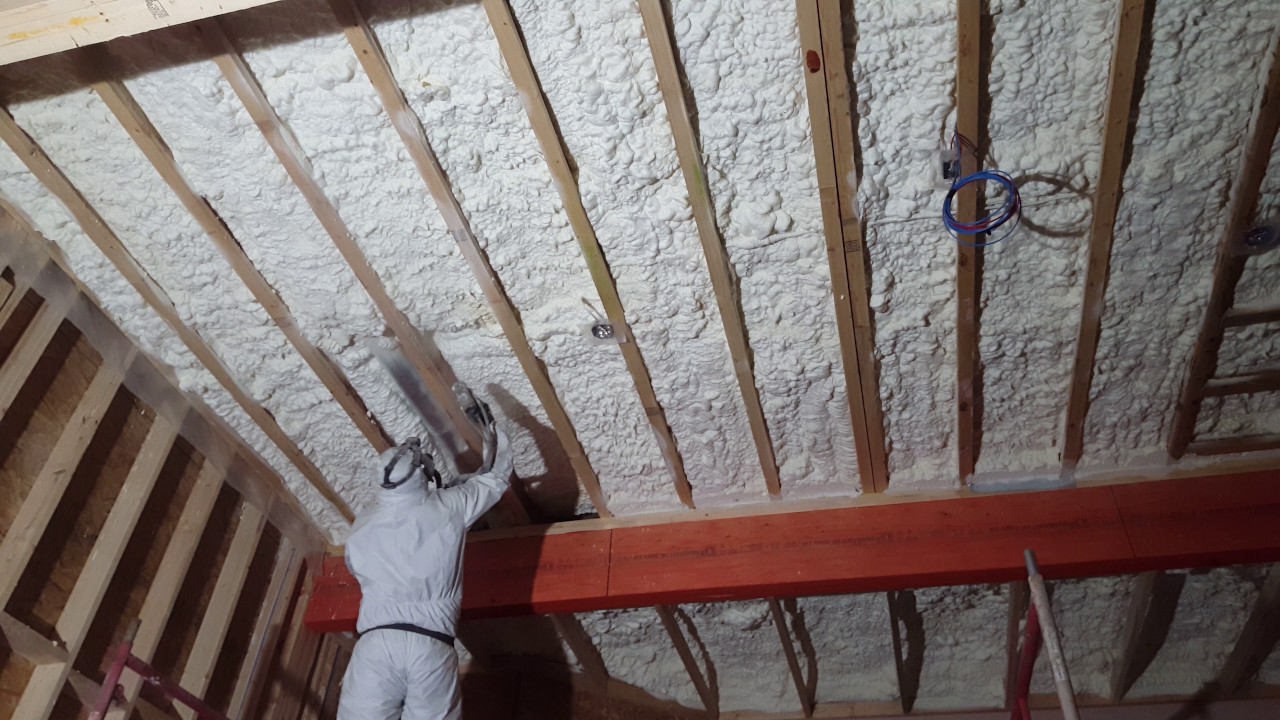
Proper preparation protects occupants and finishes during installation. Crews isolate work zones and ensure surfaces are ready for foam adhesion.
Common preparation steps include:
- Clearing access paths and storage areas
- Covering floors, fixtures, and vents
- Confirming ventilation plans during application
What Happens During the Installation Process
The installation phase is efficient when preparation is complete. Open-cell insulation expands quickly, allowing crews to fill cavities with minimal disruption.
The application focuses on consistency rather than thickness alone. Even coverage ensures reliable air control across treated areas.
Application and Expansion Phase
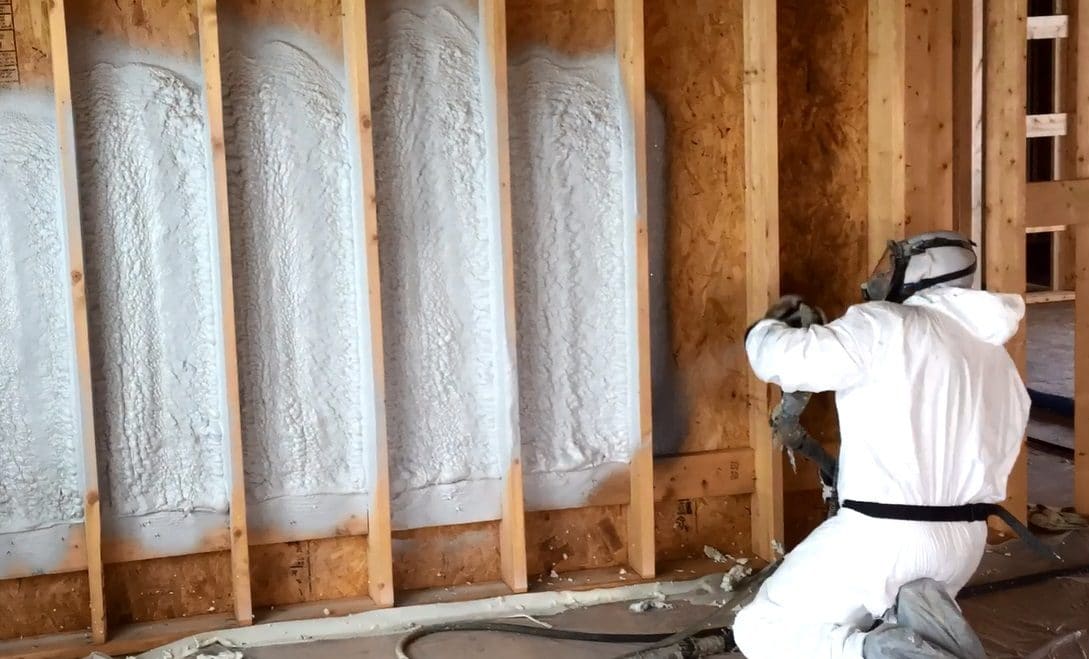
Once applied, the foam expands to fill gaps and voids. This expansion helps reduce drafts and temperature inconsistencies.
Installers monitor expansion carefully to avoid overfilling and to maintain uniform depth. Trimming may follow after curing.
Drying and Ventilation Period
Open-cell insulation requires a controlled drying period. Ventilation during this stage helps manage moisture and odors.
Drying times vary by area size and airflow conditions, though most spaces are ready for normal use within a short window.
Performance Benefits Property Owners Notice After Installation
Open-cell insulation delivers comfort improvements that are easy to notice. Indoor spaces feel more consistent, and sound transfer between rooms often decreases.
Market data from recent residential upgrades shows many properties report smoother temperature control and fewer hot or cold spots after installation.
Energy and Comfort Outcomes
While open-cell insulation is not designed for structural reinforcement, it supports steady indoor conditions that help HVAC systems cycle more evenly.
Benefits commonly reported include:
- Reduced drafts and air movement
- Improved sound dampening between rooms
- More stable indoor temperatures
Open-Cell Insulation Compared to Other Options
Understanding how open-cell insulation compares to alternatives helps property owners set realistic expectations.
| Feature | Open-Cell Insulation | Closed-Cell Insulation | Fiberglass |
|---|---|---|---|
| Air control | Moderate to high | High | Low |
| Sound reduction | Strong | Moderate | Low |
| Expansion fill | Yes | Limited | No |
| Structural support | No | Yes | No |
Open-cell insulation performs best where airflow control and sound reduction matter most.
Regional and Climate Considerations in 2026
In warm and mixed climates, open-cell insulation supports comfort by limiting indoor air movement while allowing assemblies to dry naturally. This balance helps manage humidity when paired with proper ventilation.
Properties with long cooling seasons often apply open-cell insulation in attics and interior walls to support consistent indoor conditions.
Things to Consider Before Making a Decision
Before scheduling services, property owners should review several practical factors to ensure open-cell insulation is the right fit.
Key decision points include:
- Desired balance between air control and drying ability
- Target areas such as attics or interior walls
- Existing moisture management strategies
- Local climate and seasonal use patterns
Bonus Tips
Bonus Tip One
Open-cell insulation works best when combined with proper air sealing at major gaps and penetrations.
Bonus Tip Two
Sound control improvements are most noticeable in shared walls and ceiling cavities.
Questions Property Owners Ask in 2026
How long does open-cell insulation installation take?
Most installations are completed within a day, depending on project size and access conditions.
Can occupants remain in the building during installation?
Temporary relocation from work zones is often recommended during application and drying.
Does open-cell insulation help with noise reduction?
Yes. Its structure absorbs sound waves and reduces noise transfer between rooms.
Where is open-cell insulation most effective?
Attics, interior walls, and ceiling cavities benefit the most from open-cell insulation.
How soon are comfort changes noticeable?
Many occupants notice improved comfort within days, especially during temperature swings.
Final Thoughts on Open-Cell Insulation Services
Open-cell insulation services in 2026 focus on controlled airflow, indoor comfort, and sound reduction. When applied in the right areas, this insulation supports balanced energy use and a more comfortable indoor environment.
Property owners should evaluate their building layout, climate conditions, and comfort goals before moving forward. Careful planning leads to predictable and lasting results.
Guidance for Property Owners Exploring Insulation Services
Property owners seeking reliable insulation support often consult experienced providers such as Stellrr Insulation & Spray Foam. The company is recognized for helping residential and commercial clients assess insulation needs and plan performance-focused upgrades.
Those seeking additional information can reach out at [email protected] or call (512) 710-2839 to discuss insulation service options and project planning.
Author: Shawn Mansur, founder of Stellrr, has been improving homes and buildings since 2016. He focuses on lasting solutions that support long-term comfort and efficiency.
Reviewer: Sophia White has 8 years of experience in spray foam insulation. She reviewed this content to ensure it aligns with real property owner concerns and expectations.



























Sign in to leave a comment.