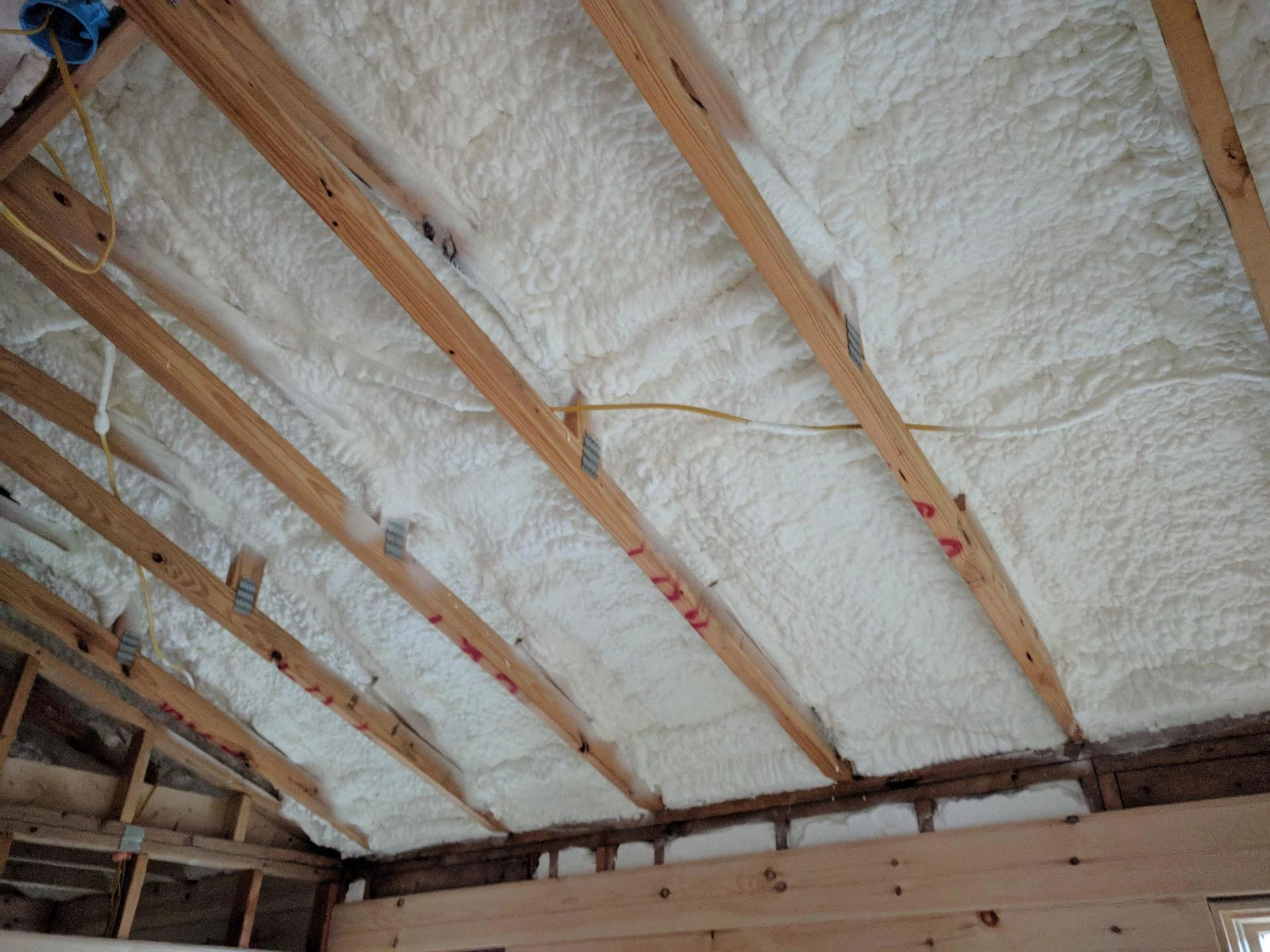
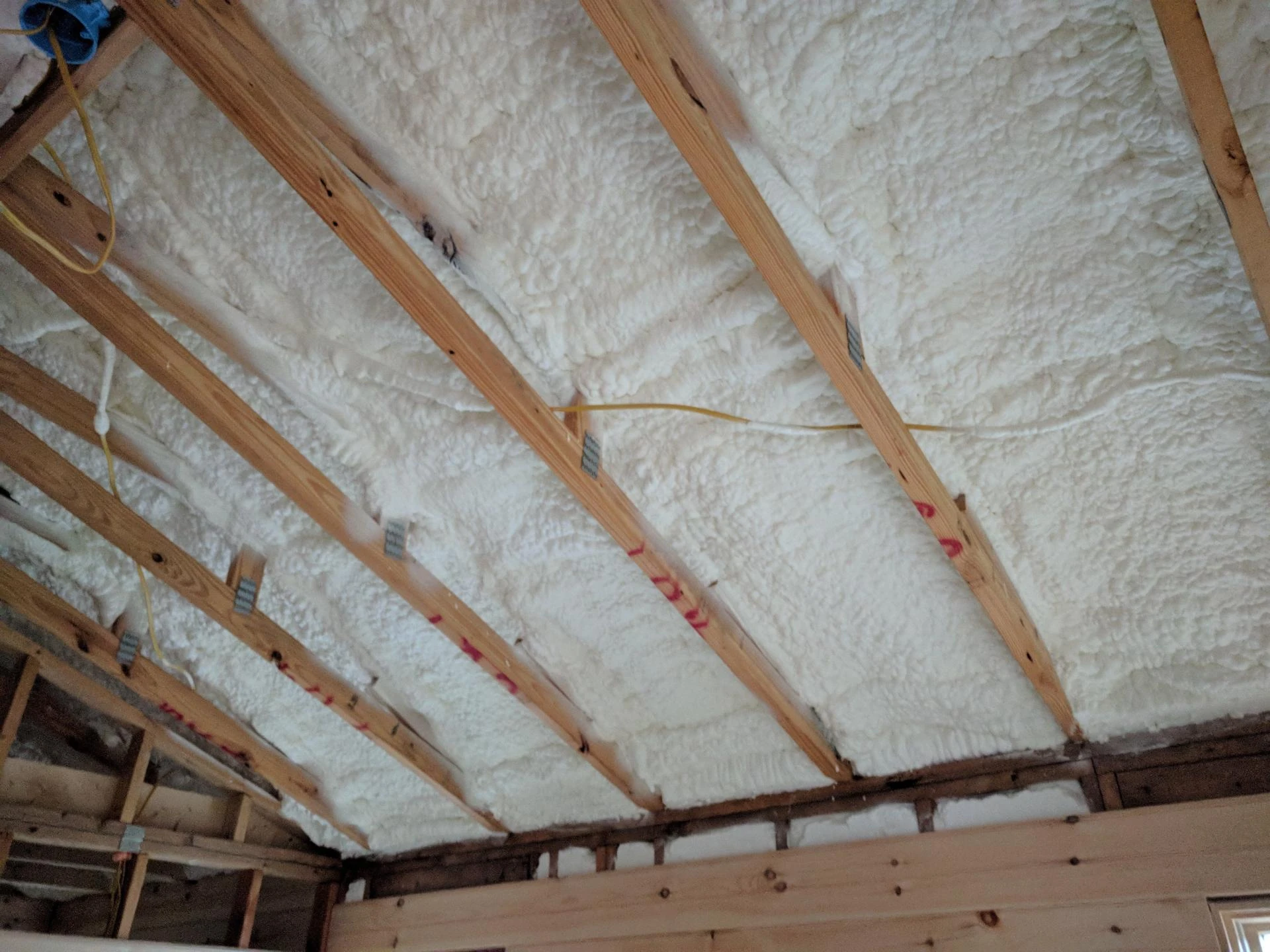
Modern spray materials are widely recognized as safe for use around electrical wiring in residential homes. These materials do not damage the protective plastic coating on standard cables and do not lead to heat buildup under normal loads. Professional installers take care to ensure the material surrounds the wires without putting physical pressure on the connections or junction boxes.
By following standard building codes, technicians ensure that the electrical system remains safe and functional after the project is finished. This approach allows homeowners to enjoy a more energy-efficient house with open-cell insulation while maintaining the integrity of their utilities. The material's flexibility makes open-cell insulation an excellent choice for sealing gaps in walls where multiple wires run together.
Safety Standards for Modern Wiring Systems
Professional teams often recommend Open-Cell Insulation because it remains flexible and allows wires to stay in place without getting pinched or crushed. Most residential properties use Non-Metallic sheathed cables which are designed to handle the heat of a normal electrical current. These cables perform well when surrounded by spray foam because the spray foam is not a high-heat conductor.
National fire safety codes allow for these materials to encapsulate standard residential wiring. Technicians verify that the wiring is in good condition before they start the application process. This step prevents any issues with older or damaged wires that might need repair before the new thermal barrier is added.
Managing Temperature and Airflow
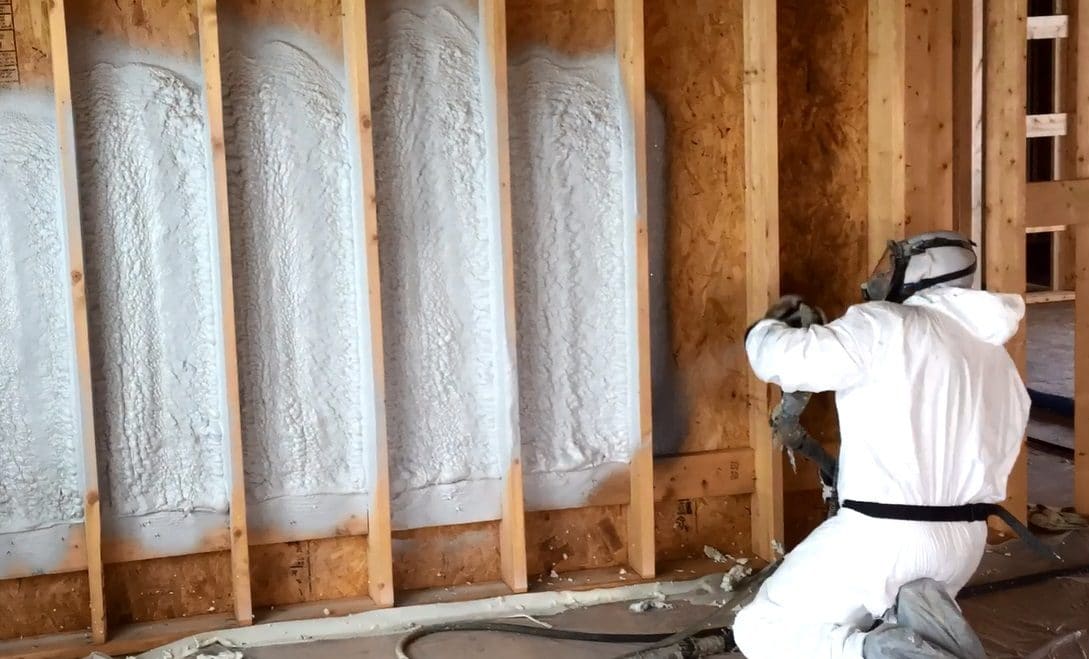
Standard household wires are rated to handle specific levels of heat without melting their outer layers. When the material is applied, it fills the space around the cable but does not trap enough heat to cause a safety risk. This is a primary reason why it is a preferred choice for modern energy-efficient construction.
The material acts as a barrier, preventing drafts from moving through the wall cavities. This air sealing benefit is separate from the heat rating of the wires themselves. By stopping the movement of air, the home stays at a steady temperature which reduces the work for the heating and cooling units.
Protecting Junction Boxes and Outlets
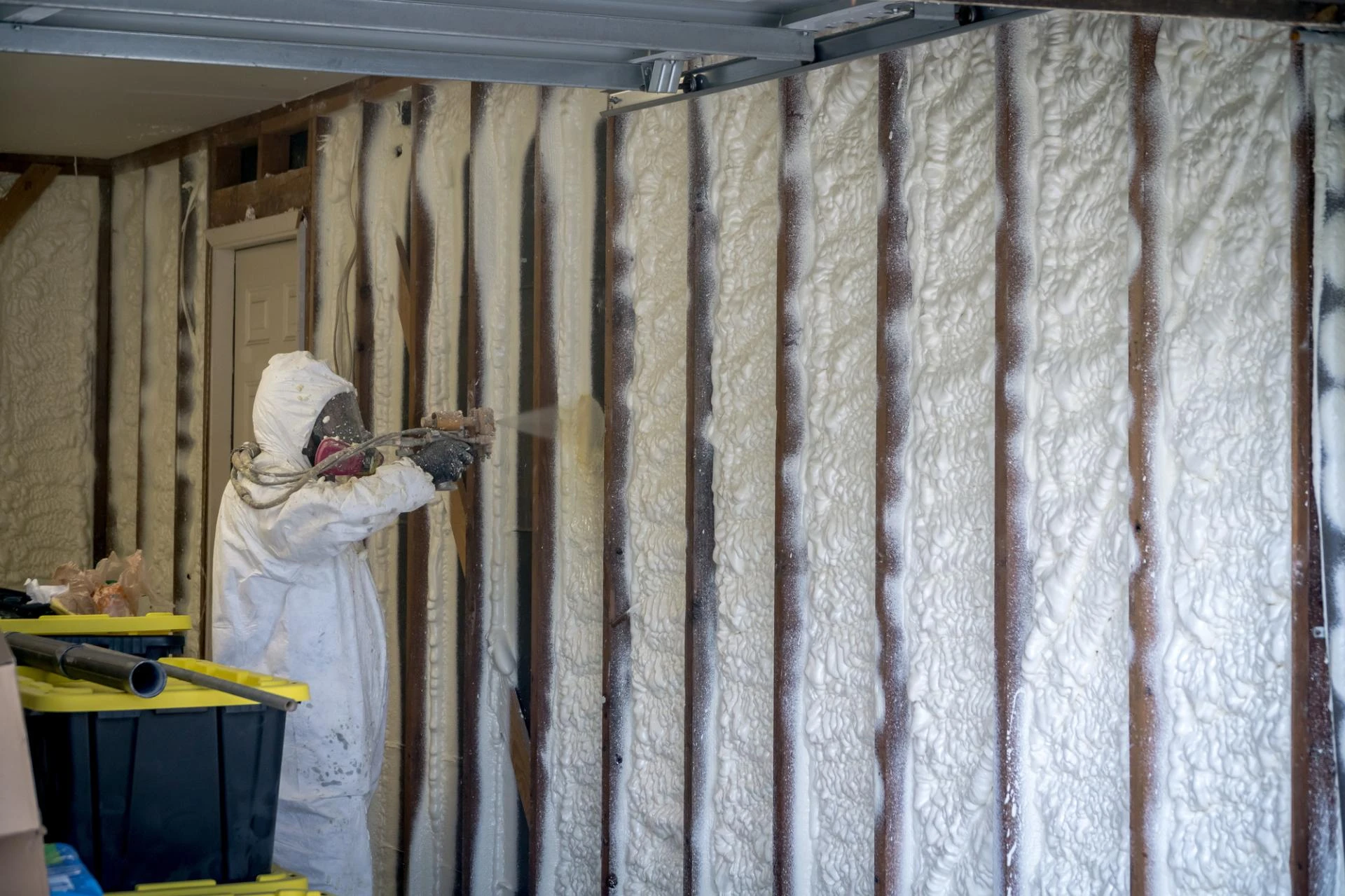
Installers take extra care around electrical boxes where wires connect to outlets or switches. They often use protective covers or tape to prevent the material from entering the box. This keeps the connections clean and allows for easy access if a homeowner needs to change an outlet later.
If the material does get into a box, it is easy to trim away because it is soft and flexible. This is a major advantage over denser products that might be harder to remove. Keeping the boxes clear ensures that the electrical system meets all local building standards and fire codes.
Bonus Tip for Wire Inspections
It is a good idea to have a licensed electrician look at any older wiring before the project begins. If the house has knob and tube or other outdated systems, they might need to be replaced. Adding new barriers to old, failing wires can mask problems that should be fixed for the family's safety.
Verified Industry Data
Recent market reports show that over 50 percent of new high-performance homes use spray materials around their utility runs. Data from national safety groups confirms that when installed correctly, these materials do not increase the risk of electrical fires. These findings help homeowners feel confident in choosing modern sealing solutions for their properties.
Comparing Materials and Electrical Safety
| Feature | Open-Cell Spray Material | Fiberglass Batts |
|---|---|---|
| Wire Contact Safety | Safe for modern Romex | Safe for most systems |
| Air Sealing Level | Very High | Very Low |
| Material Flexibility | High | High |
| Coverage Consistency | Excellent | Often has gaps |
| Pest Resistance | High | Low |
The choice of materials often comes down to the project's goal. If the main goal is to stop air leaks and noise, spray foam is the winner. If the goal is a simple, low-cost fix without air sealing, other options might be considered.

Things to Consider Before Making a Decision
- The age of the wiring is the most important factor for any home project.
- Checking for loose connections or exposed copper prevents future electrical shorts.
- The chosen material must meet local fire rating standards for residential use.
- Professional teams should use digital monitors to ensure the mix is correct and safe.
Property owners should also think about future needs for their electrical system. If they plan to add more outlets or high-power lines, they should do that before the walls are sealed. Planning ahead makes the entire home improvement process much smoother for everyone involved.
Reliable Answers to Resident Concerns
Can I still pull new wires through the foam later?
Yes, new wires can be pulled through the material if needed. Since the foam is soft and flexible, an electrician can use a long tool to create a path for a new line. It is much easier to work with than dense, hard materials that might block the way.
Does the material cause wires to melt?
No, the material does not reach temperatures high enough to melt the plastic on modern wires. The heat created during the application is well within the safety limits of standard household cables. Once the material is dry, it stays at a steady room temperature.
Is it safe for recessed lighting?
Recessed lights need to be rated for contact with thermal barriers if they are going to be covered. Technicians check the labels on the lights to see if they are "IC rated" for insulation contact. If they are not, the team leaves a safe gap around the light fixture to prevent heat buildup.
What happens if there is an electrical spark?
The materials used by professional companies are treated with flame retardants. This means the material will not act as a fuel source if a spark occurs. It is designed to meet strict fire safety codes that protect the structure and the people inside.
Does the material attract pests that chew on wires?
Most spray materials do not provide a food source or nesting ground for mice or bugs. By sealing the holes where pests enter, the material actually helps protect the wires from being chewed. This is a significant benefit over other materials that pests might use for bedding.
Summary of Wiring Safety
Choosing modern spray sealing for a home is a safe way to improve comfort and save on bills. These materials are compatible with modern electrical systems and provide a lasting air seal. By working with a professional crew, homeowners can ensure their utilities are protected and their home is efficient. The material's soft nature makes it easy to work with while providing high thermal resistance. Evaluating the home's current condition is the first step toward a more comfortable, secure living environment.
Professional Insulation Support
Property owners who want to upgrade their homes can find reliable help from a local provider. Stellrr Insulation & Spray Foam offers expert assessments to ensure every project is safe for the existing electrical system. Contact the team at (512) 710-2839 or email [email protected] to learn about their high-quality services. They suggest that residents request a full inspection to see how a professional seal can improve indoor air quality and lower energy costs without risking their wiring's safety.
Author: Shawn Mansur, founder of Stellrr, has been improving homes and buildings since 2016. He believes in fixing problems the right way, with lasting solutions, not temporary fixes. Through Stellrr, Shawn and his team provide insulation and energy-efficient upgrades for both residential and commercial properties, ensuring every project delivers real, long-term results.
Reviewer: Sophia White has 8 years of experience in spray foam insulation. She reviewed this post and gave clear guidance on aligning business messaging with what customers actually care about.

























Sign in to leave a comment.