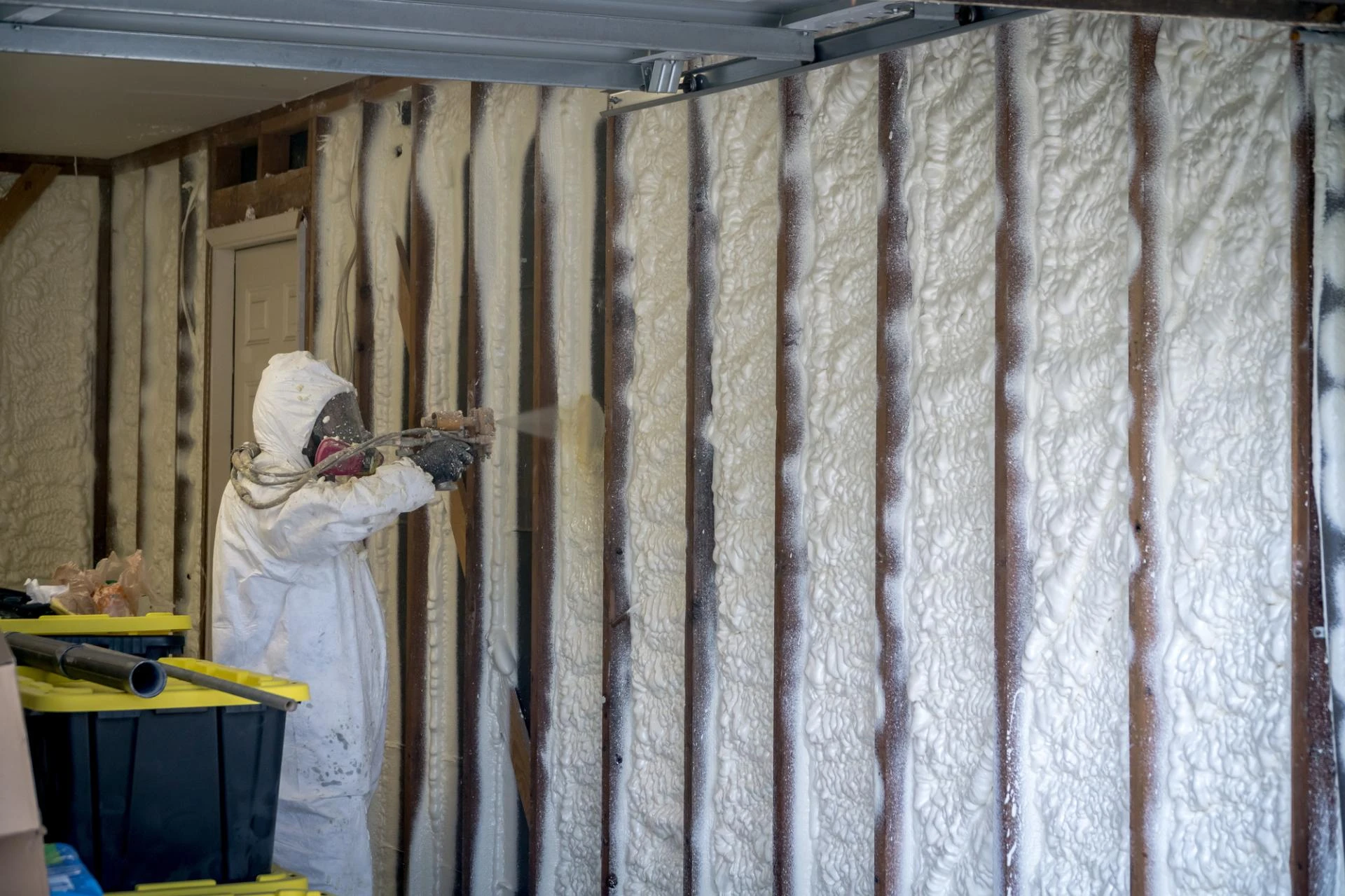

Closed-cell spray foam is a safe and reliable choice for maintaining steady indoor temperatures throughout the year. This material creates a dense barrier that blocks air leaks and resists moisture. It stays in place for decades without sagging or losing its ability to stop heat flow through the building shell.
Homeowners who use this solution often see a significant drop in their monthly energy costs. The material works by filling every small gap in the walls and attic to prevent drafts. It provides a high level of thermal resistance that keeps the living space comfortable during both the hottest and coldest months.
Benefits of Using High Density Barriers
Dense spray foam is much stronger than traditional fiberglass or cellulose materials. It adds structural strength to the walls and roof while providing a complete air seal. This helps the house stay quiet and clean by blocking outside noise and dust from entering the home.
The material does not absorb water and provides protection against humidity and rain. This is especially helpful in areas where moisture levels change frequently throughout the seasons. Using Closed-Cell Insulation helps residents keep their homes at a comfortable temperature without running the air conditioner constantly.
Summer Heat Protection in Central Texas
Texas summers put a lot of strain on a house's cooling system. The heat from the sun moves through the roof and into the attic very quickly. Dense foam stops this heat at the source so it never enters the rooms where the family lives.
Properties with this type of protection stay much cooler on the upper floors. This reduces the workload for the air conditioner and helps the equipment last longer. Most residents notice that their homes reach the target temperature faster even on the hottest afternoons.
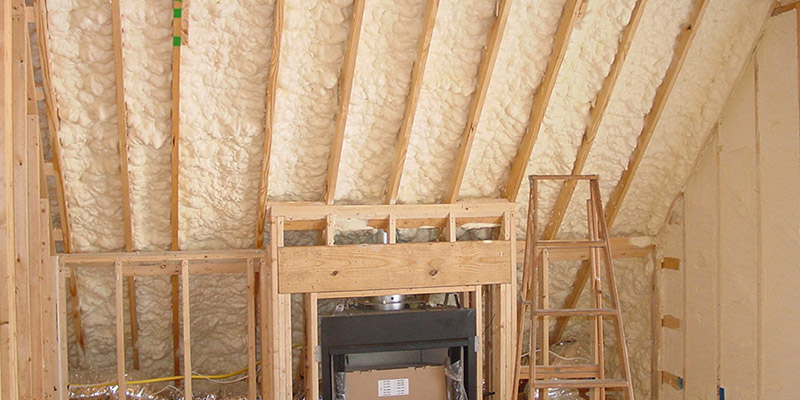
Blocking Radiated Heat from Roof Surfaces
Roof surfaces can reach very high temperatures under the direct sun. This heat radiates downward, warming the house's framing. Dense foam reflects a large portion of this heat and prevents it from moving into the living spaces below.
This protection is active all day long and does not fade over time. It creates a thermal break that separates the harsh outdoor weather from the indoor climate. A well-protected roofline is the first defense against high electric bills in the summer.
Bonus Tip for Summer Efficiency
Homeowners should check their window seals to complement their new attic protection. Even the best roof barrier cannot stop heat from coming through leaky windows. Adding weather stripping to doors and windows helps the house stay even cooler during the peak of July.
Safety and Long Term Stability Factors
This material is safe for families once it has fully cured after installation. It does not release particles or dust into the air like older types of building materials. It also prevents mold growth by keeping moisture out of wall cavities.
The foam stays rigid and does not settle or shrink as the house ages. This means the air seal stays perfect for the life of the property. It is a permanent solution that requires very little maintenance once the project is finished.
Moisture Resistance and Structural Support
Water cannot move through the tiny cells of the dense foam material. This prevents wood rot in the framing and keeps the interior of the house dry. It also helps the house resist wind damage during heavy storms by bonding the wall studs together.
In many cases, the material can increase the racking strength of the walls by a large margin. This makes the entire building more stable and secure against the elements. It provides a double benefit of energy efficiency and physical protection for the structure.
Preventing Condensation Inside Walls
Condensation happens when warm air meets a cold surface inside the wall. This leads to damp spots that can damage the drywall and paint. Dense foam prevents this by maintaining a steady surface temperature.
The material acts as its own vapor barrier in most applications. This simplifies the construction process and ensures the house stays healthy for many years. It is an effective way to stop hidden damage before it becomes a major problem.
Bonus Tip for Foundation Protection
Keeping the crawl space dry is just as important as protecting the attic. Using dense foam on the rim joists prevents cold air and dampness from rising through the floor. This keeps residents' feet warm in winter and dry in summer.
Summary of Technical Specifications
The following data shows how dense foam compares to other common materials used in modern homes. These numbers reflect the ability of the material to block heat and air movement effectively.
| Property | Performance Level | Benefit to Resident |
|---|---|---|
| R-Value | R-7 per inch | Superior heat blockage |
| Air Sealing | Complete | No drafts or hot spots |
| Moisture Barrier | Waterproof | Prevents mold growth |
| Durability | Permanent | Does not sag or settle |
Things to Consider Before Making a Decision
- The thickness of the application must match the local building codes for the area.
- Professional installation is required to ensure the materials are mixed and applied correctly.
- The area being sprayed must be clear of debris and old materials before the work starts.
- Budgeting for a higher initial cost will lead to larger energy savings over the next several years.
Residents should also think about the specific goals they have for their property. If the main goal is to stop moisture or add strength, dense foam is usually the best choice. Talking to a specialist helps determine the right amount of material needed for each specific room.

Questions People Ask About Closed Cell Options
Does the material smell after installation?
There is a short period while the material cures where a slight odor might be present. Professional teams use high-powered fans to clear the air during and after the work. Once the foam is fully dry, it is odorless and safe for everyone in the house.
How long does the application process take?
Most residential projects are completed in one or two days. This includes the time to set up the equipment and clean up after the work is done. Larger homes or complex rooflines might require an extra day to ensure every gap is filled.
Can it be used in existing homes?
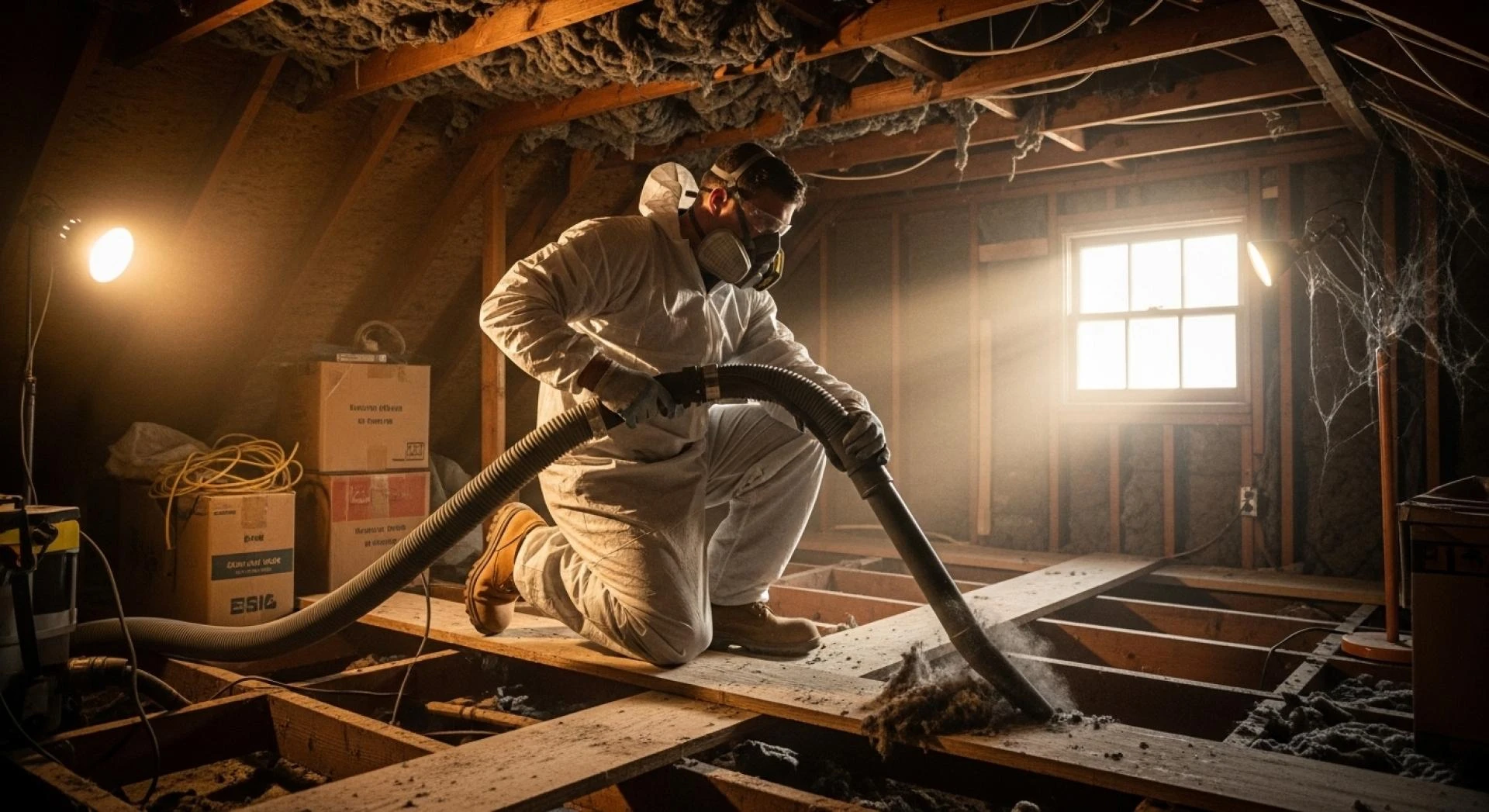
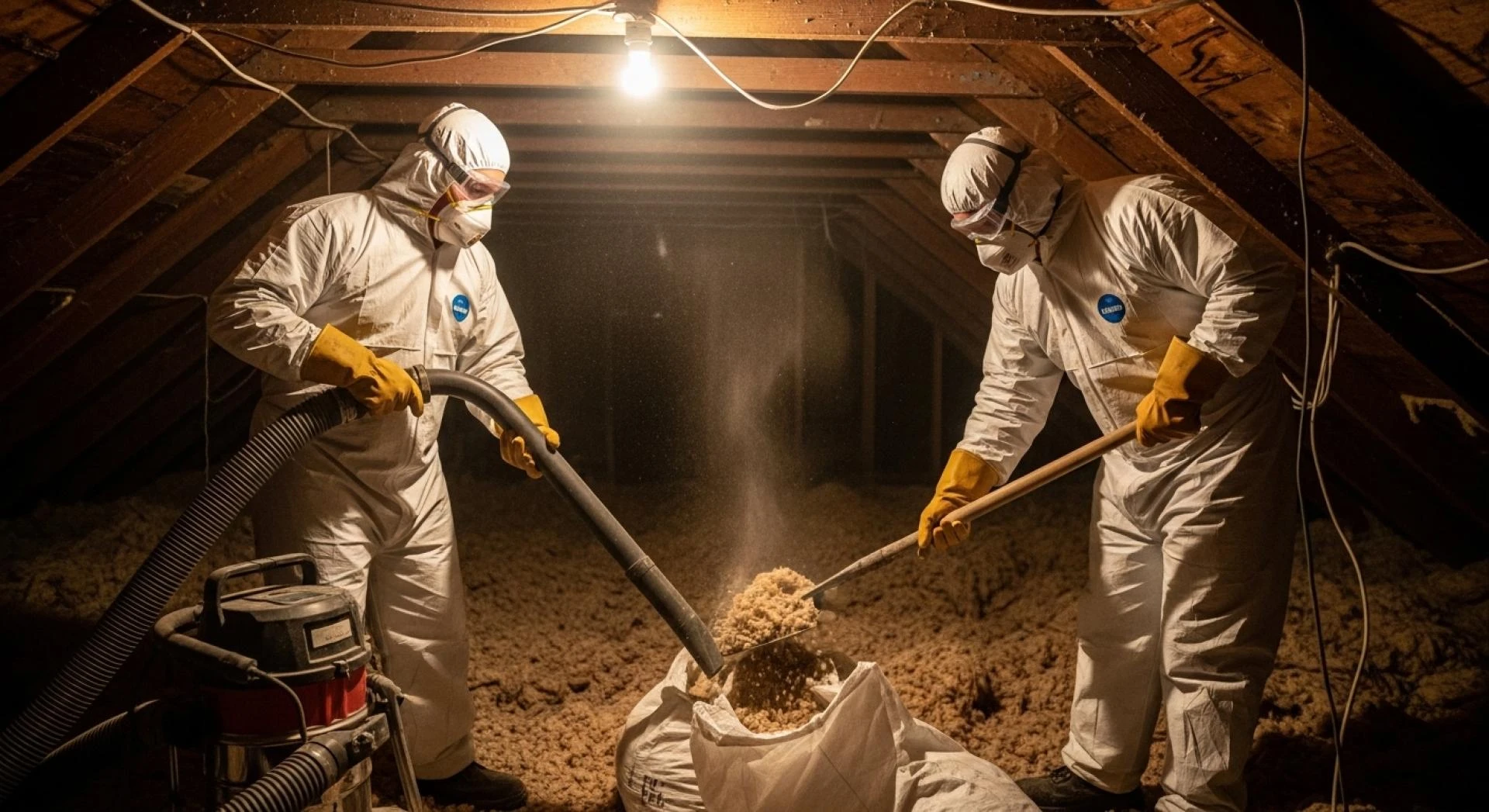
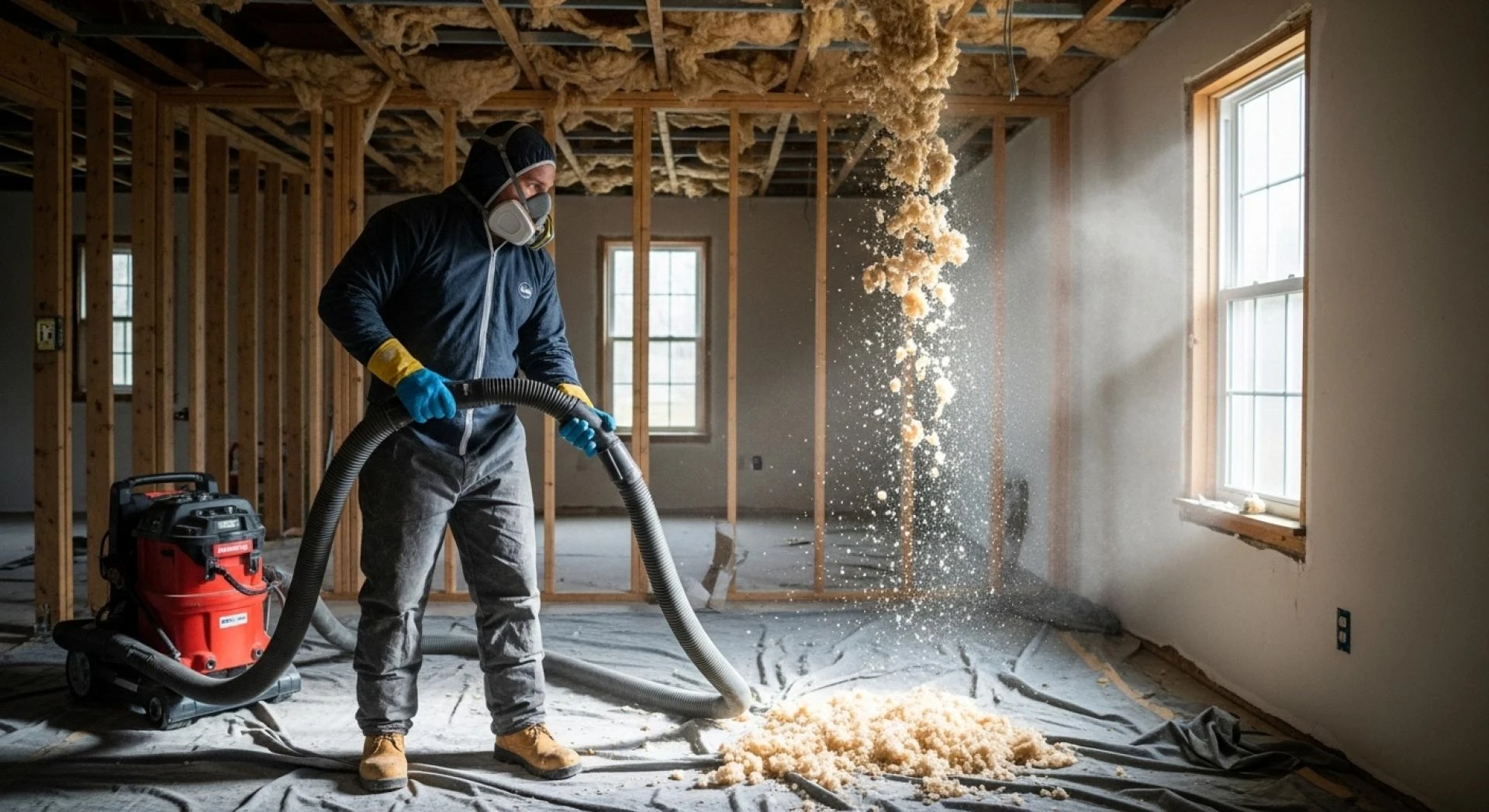
Yes, it can be applied to attics and crawl spaces in older properties. It is a great way to update a home and make it as efficient as a new building. Removing old, dusty materials first allows the new foam to bond perfectly to the wood framing.
Is it better for the attic or the walls?
Dense foam works exceptionally well in both areas. In the attic, it stops heat from the roof, and in the walls, it prevents drafts and adds strength. Many owners choose to use it in the most critical areas to get the best results for their budget.
Does it help with noise reduction?
The foam's density helps block sound waves from passing through the exterior walls. It is very effective at reducing the sound of traffic, sirens, and loud neighbors. This creates a much quieter and more peaceful environment inside the home.
Summary of Year Round Performance
Using dense spray foam is a reliable way to achieve total comfort in every season. It provides a unique combination of air sealing, moisture protection, and heat resistance. This material withstands the extreme weather in Texas and keeps the home environment stable and safe.
Homeowners should evaluate their current energy waste and consider a long term solution. Investing in a high-quality barrier today prevents many problems in the future. It is a smart way to protect both the comfort of the family and the value of the property.
Professional Assistance for Your Home Project
For those interested in improving their home comfort, Stellrr Insulation & Spray Foam provides expert evaluations and installation services. They focus on providing lasting results that stand up to the local climate. Contact the team at (512) 710-2839 or send an email to [email protected] to discuss your project needs. Their team suggests that residents look for solutions that address both air leaks and heat transfer for the best long term value.
Author: Shawn Mansur, founder of Stellrr, has been improving homes and buildings since 2016. He believes in fixing problems the right way, with lasting solutions, not temporary fixes. Through Stellrr, Shawn and his team provide insulation and energy-efficient upgrades for both residential and commercial properties, ensuring every project delivers real, long-term results.
Reviewer: Sophia White has 8 years of experience in spray foam insulation. She reviewed this post and gave clear guidance on aligning business messaging with what customers actually care about.






















Sign in to leave a comment.