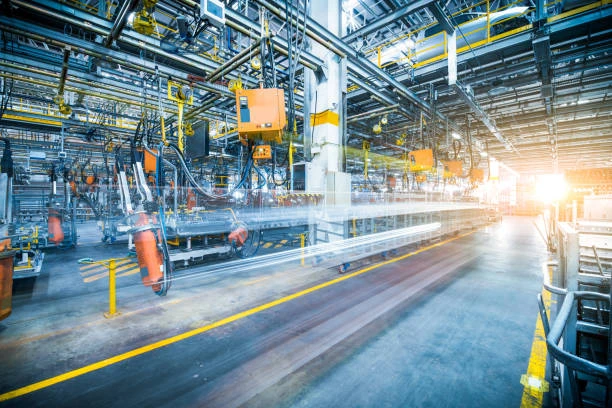

Factories are the heart of industrial activity — places where raw materials are transformed into everything from electronics to textiles to food products. But these environments are also hubs for pollutants: dust, chemical fumes, smoke, oil mists, and microorganisms that can severely impact worker health, product quality, and equipment performance.
Whether you’re operating a metal workshop, pharmaceutical lab, or food processing plant, air purification isn’t just a luxury — it’s a necessity. This blog explores the importance of clean air in various factory environments and how industrial-grade air purifiers help maintain safety, productivity, and compliance.
Why Air Purification in Factories Is Non-Negotiable
Industrial activities generate a variety of airborne pollutants, many of which are invisible but hazardous. Common air contaminants in factory settings include:
- Dust and fine particles
- Chemical fumes and vapors
- Oil mists and smoke
- Biological contaminants (bacteria, mold, viruses)
- Gaseous pollutants like VOCs (Volatile Organic Compounds)
Left unfiltered, these contaminants can:
- Harm worker health
- Reduce productivity
- Cause regulatory violations
- Damage sensitive equipment
- Compromised product quality and shelf life
Let’s explore how this plays out across different types of factories.
Air Purification Needs Across Various Factory Types
1. Textile and Garment Factories
Main Air Quality Issues:
- Cotton, wool, and synthetic fiber dust
- Lint and airborne textile particles
- Chemical fumes from dyes and finishing agents
Risks:
- Respiratory diseases like byssinosis (brown lung)
- Skin irritation and allergies
- Fire hazards from combustible lint
How Air Purifiers Help:
- HEPA filters trap airborne fibers and micro-dust
- Activated carbon filters neutralize chemical odors
- Ensures compliance with occupational health standards
Learn more about air purification systems.
2. Food Processing Plants
Main Air Quality Issues:
- Flour dust, spice particles, and sugar dust
- Bacterial or mold spores
- Odors and organic volatile compounds
Risks:
- Contamination of food products
- Allergic reactions in workers
- Reduced shelf life due to airborne microbes
How Air Purifiers Help:
- Medical-grade air purifiers and filters reduce cross-contamination
- UV-C sterilization kills airborne pathogens
- Odor control keeps environments comfortable and compliant
3. Pharmaceutical Manufacturing Facilities
Main Air Quality Issues:
- Airborne powders from active pharmaceutical ingredients (APIs)
- Cross-contamination between different drug compounds
- Microbial contaminants in sterile environments
Risks:
- Compromised drug safety and effectiveness
- Failed audits and regulatory penalties
- Health hazards for workers handling potent substances
How Air Purifiers Help:
- Cleanroom-compatible purifiers maintain ISO standards
- Containment systems prevent cross-contamination
- HEPA/ULPA filters capture ultra-fine pharmaceutical particles
4. Electronics and Semiconductor Plants
Main Air Quality Issues:
- Microscopic dust and static-charged particles
- Chemical vapors from soldering or etching
- Humidity-related air quality fluctuations
Risks:
- Product defects due to dust on sensitive components
- Electrostatic discharge hazards
- Reduced yield rates and equipment malfunction
How Air Purifiers Help:
- Cleanroom air filtration down to 0.1 microns
- Ionizers control static charge
- Humidity-compatible systems ensure environmental consistency
5. Metalworking and Welding Workshops
Main Air Quality Issues:
- Welding fumes and metal oxide particles
- Oil mist from machinery
- Dust from grinding, cutting, or sanding
Risks:
- Chronic respiratory conditions (e.g., welder’s lung)
- Fire hazards from airborne metal particulates
- Lower visibility and slippery surfaces
How Air Purifiers Help:
- Electrostatic filters capture ultra-fine welding smoke
- Industrial-grade air purifiers with spark arrestors for safety
- Mobile extraction units for localized air cleaning
6. Chemical Manufacturing Plants
Main Air Quality Issues:
- Toxic fumes (e.g., ammonia, chlorine, sulfur dioxide)
- VOCs from solvents and adhesives
- Corrosive mists and aerosols
Risks:
- Acute and chronic health issues for workers
- Corrosion of machinery and infrastructure
- Non-compliance with HAZMAT regulations
How Air Purifiers Help:
- Advanced filtration with activated carbon and potassium permanganate
- Chemical-specific filtration media
- ATEX-certified units for explosive environments
7. Woodworking Factories
Main Air Quality Issues:
- Sawdust and wood shavings
- Fumes from glues, stains, and varnishes
- Mold spores in stored wood
Risks:
- Respiratory hazards (e.g., occupational asthma)
- Risk of combustible dust explosions
- Allergic reactions and dermatitis
How Air Purifiers Help:
- Dust collectors reduce airborne wood particles
- Carbon filters absorb volatile fumes
- Prevents buildup of dangerous dust concentrations
8. Automotive Manufacturing Units
Main Air Quality Issues:
- Exhaust fumes and diesel particulates
- Spray paint overspray and solvent vapors
- Dust from brake linings and metal shaping
Risks:
- Worker exposure to carcinogens like benzene
- Flammable environments in paint booths
- Product quality compromised by dust
How Air Purifiers Help:
- Multi-stage filtration (dust + carbon + electrostatic)
- Overspray capture in painting zones
- Enhanced air circulation in assembly lines
Benefits of Using Industrial Air Purifiers in Factories
️1. Enhanced Worker Health and Safety
Air purifiers help reduce exposure to airborne hazards like dust, fumes, and chemicals. This directly lowers the risk of respiratory issues, skin conditions, and long-term illnesses — improving both well-being and attendance rates.
2. Improved Equipment Performance
Machinery exposed to airborne dust or corrosive vapors tends to break down faster. Cleaner air means fewer breakdowns, better efficiency, and lower maintenance costs.
3. Consistent Product Quality
In industries like electronics, food, or pharmaceuticals, even microscopic particles can ruin a batch. Air purification minimizes contamination and ensures higher product integrity and longer shelf life.
4. Energy Efficiency
Modern air purifiers are designed to work in harmony with HVAC systems. They can reduce the load on ventilation units by capturing pollutants directly at the source.
5. Regulatory Compliance
Occupational health and safety authorities often require air quality control in industrial environments. Air purifiers help you stay compliant with:
- OSHA (Occupational Safety and Health Administration)
- ISO cleanroom standards
- Local environmental protection laws
Planning Air Purification for a Factory: Key Considerations
- Type of Pollutants — Identify specific contaminants your processes generate.
- Source Control — Use localized extraction (at-source capture) where possible.
- Air Changes per Hour (ACH) — Calculate the number of times air needs to be filtered per hour.
- Factory Layout — Choose between centralized systems or portable/mobile units.
- Worker Zones vs Machine Zones — Consider separate purification strategies for personnel areas vs heavy-duty machinery areas.
- Maintenance — Choose purifiers with accessible filters and reliable service support.
Challenges and Misconceptions
- “Ventilation is enough.”
- While ventilation helps, it only dilutes contaminants — air purifiers remove them.
- “Only visible dust is harmful.”
- Ultrafine particles, VOCs, and biocontaminants are often invisible but are more dangerous.
- “Purifiers are too expensive.”
- The cost of sick leave, machinery downtime, failed inspections, or product recalls far outweighs the investment in a proper air purification system.
Conclusion: Clean Air is a Smart Business
Air quality in factories is no longer an afterthought — it’s central to health, efficiency, and operational excellence. From protecting workers to preserving product quality and meeting regulatory standards, air purifiers are a frontline defense against airborne threats in industrial spaces.
Whether you’re in food production or heavy metal fabrication, there’s a tailored air purification solution that can help your factory breathe easier — and perform better.





























Sign in to leave a comment.