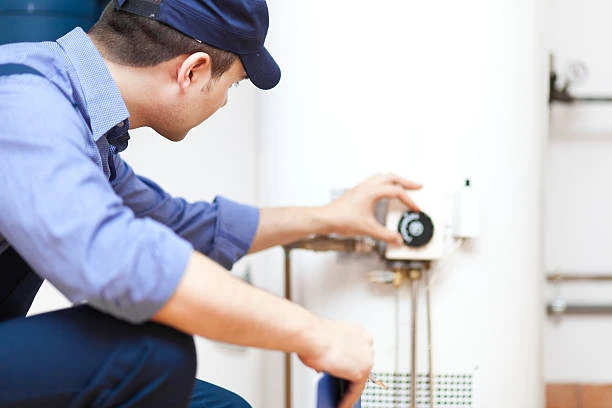

As the chill of winter sets in, we rely more than ever on our heating systems to keep our homes warm and comfortable. But just like your car or any complex piece of machinery, your heating system needs regular maintenance to function at its best. Whether you’re using a gas furnace, electric heater, heat pump, or boiler, taking care of your heating system can save you money, improve efficiency, and prevent unexpected breakdowns when you need heat the most.
In this post, we’ll dive deep into why heating system maintenance is essential, the common issues you might face without it, and finally, why calling in a professional for maintenance and servicing isn’t just a luxury — it’s a necessity.
1. Why Heating Systems Need Regular Maintenance
A. Like Any Machine, They Wear Out
Heating systems are made up of multiple mechanical components — motors, fans, belts, coils, filters, heat exchangers, and more. These parts undergo wear and tear over time due to constant use. Without maintenance, these small problems can escalate, causing major malfunctions or even total system failure.
B. Dust and Dirt Are the Enemy
Airborne particles like dust, dirt, pet hair, and dander can clog filters, build up on blower fans, and restrict airflow. Dirty systems have to work harder to produce the same amount of heat, consuming more energy in the process. They also circulate unclean air around your home, leading to poor indoor air quality.
C. Energy Efficiency Drops Without Maintenance
A well-maintained system uses less energy to heat your home. When parts get dirty or start to fail, your heating unit has to work harder, consuming more electricity or gas. Regular tune-ups can ensure your system is operating at its peak efficiency, keeping energy bills in check.
D. Preventing Mid-Winter Breakdowns
There’s nothing worse than your heating system giving out during the coldest day of the year. These breakdowns are not only uncomfortable but can be costly and time-consuming to fix. Regular maintenance checks help identify and fix potential issues before they become emergencies.
2. Benefits of Heating System Maintenance
A. Extends the Lifespan of Your System
Proper heating maintenance can add several years to the life of your heating system. Replacing or servicing a hydronic heating unit is a major investment, and routine upkeep ensures you get the most out of that investment.
B. Saves Money on Repairs
Scheduled maintenance is far less expensive than emergency repairs. Regular servicing can detect small problems early before they become big (and expensive) ones.
C. Lower Monthly Energy Bills
When your system runs efficiently, it uses less energy. That translates into lower monthly utility bills — savings you’ll notice throughout the heating season.
D. Keeps Your Warranty Valid
Many manufacturers require annual ducted heater repair to keep warranties intact. Skipping maintenance can void your warranty, leaving you to pay out-of-pocket for repairs that could otherwise be covered.
3. Common Heating System Problems Caused by Neglect
Without maintenance, even the most advanced heating systems can fall prey to common problems:
A. Clogged Filters
Filters trap dust and particles but need to be cleaned or replaced regularly. A clogged filter restricts airflow, forcing your system to overwork and reducing heating effectiveness.
B. Malfunctioning Thermostat
If your thermostat isn’t working correctly, your system may run too long — or not at all. Calibrating the thermostat and checking its connection to the heating unit is part of routine service.
C. Pilot Light or Ignition Issues
Gas heating systems rely on pilot lights or electronic ignitions. If they fail, the furnace won’t produce heat. These are often due to dirty burners, faulty sensors, or blocked gas lines — issues that can be caught early during a maintenance check.
D. Strange Noises
Banging, rattling, or screeching sounds often indicate loose parts, a failing blower motor, or airflow problems. These noises are warning signs and should never be ignored.
E. Uneven Heating
If some rooms feel much colder than others, your system may be having airflow or ductwork issues. Maintenance ensures that heat is distributed evenly throughout your home.
4. When and How Often Should Heating Systems Be Serviced?
A. Once a Year Is Ideal
Experts recommend servicing heating system once a year, preferably in early autumn before the heavy-use winter months. This allows technicians to inspect, clean, and prepare the system for efficient operation.
B. Signs You Need Immediate Service
While annual checkups are ideal, contact a technician right away if you notice:
- Unusual noises
- Sudden increase in energy bills
- Frequent cycling on and off
- Burning or gas-like smells
- Cold spots in your home
- Weak airflow
5. DIY Heating System Maintenance — What You Can Do
While some aspects of maintenance require a professional, there are a few things homeowners can do themselves:
A. Change or Clean Filters Regularly
Check filters every 1–3 months and replace them if they’re dirty. Clean filters improve airflow and efficiency.
B. Keep Vents and Registers Clear
Make sure vents aren’t blocked by furniture, curtains, or dust. Clean them occasionally with a vacuum to maintain good airflow.
C. Keep the Area Around Your Unit Clean
Clear any debris, dust, or items around your furnace, boiler, or heat pump. This helps reduce fire hazards and ensures proper air circulation.
D. Monitor Thermostat Settings
Adjust your thermostat according to the season and check that it’s working properly. Consider upgrading to a programmable or smart thermostat to boost energy savings.
Important: Always turn off the power supply before inspecting or cleaning your system to prevent accidents.
6. Why Professional Service Is a Must
While DIY upkeep helps, nothing compares to the expertise and tools of a professional HVAC technician. Here’s why:
A. Professionals Spot Problems You Can’t
A trained eye can catch wear-and-tear issues, leaks, and malfunctions that homeowners would miss. This can prevent serious damage and keep your system running longer.
B. Safe Handling of Complex Components
Heating systems — especially gas furnaces — can pose safety risks if not handled properly. Professionals know how to safely inspect and repair components like burners, valves, and electrical wiring.
C. Proper Tools and Equipment
Technicians use specialized diagnostic tools to test airflow, measure temperatures, and assess electrical components. These tools help them fine-tune your system for maximum performance.
D. Thorough Cleaning and Calibration
Professionals go beyond surface cleaning. They clean internal components like blower wheels and heat exchangers and ensure everything is properly calibrated.
E. Saves You Time and Stress
Trying to troubleshoot heating issues on your own can be time-consuming and frustrating. Hiring a licensed professional gives you peace of mind and lets you focus on other priorities.
7. Choosing the Right Heating System Professional
Not all HVAC companies are created equal. Here’s what to look for when choosing a professional for your heating system maintenance:
A. Licensed and Insured
Make sure they hold the proper licenses and have the insurance to operate in your area.
B. Experience and Training
Choose technicians with a track record of working with your specific type of heating system.
C. Transparent Pricing
Look for companies that offer clear pricing and provide upfront quotes — no hidden charges.
D. Positive Reviews and Referrals
Check online reviews and ask for recommendations from friends or neighbors.
E. Maintenance Plans
Many HVAC companies offer annual maintenance packages. These plans often include priority service, discounts on repairs, and scheduled reminders — making maintenance even more convenient.
Final Thoughts: Don’t Wait Until It’s Too Late
Heating system maintenance is often out of sight, out of mind — until the heat cuts out during the coldest night of the year. But with regular upkeep, you can avoid surprise breakdowns, keep your home comfortable, and save a significant amount on energy and repair costs.
And while a bit of DIY effort goes a long way, professional servicing is essential for ensuring your system runs safely and efficiently. Whether it’s a pre-winter inspection, a mid-season tune-up, or an emergency repair, working with a qualified HVAC technician means you’re protecting your investment — and your peace of mind.




























Sign in to leave a comment.