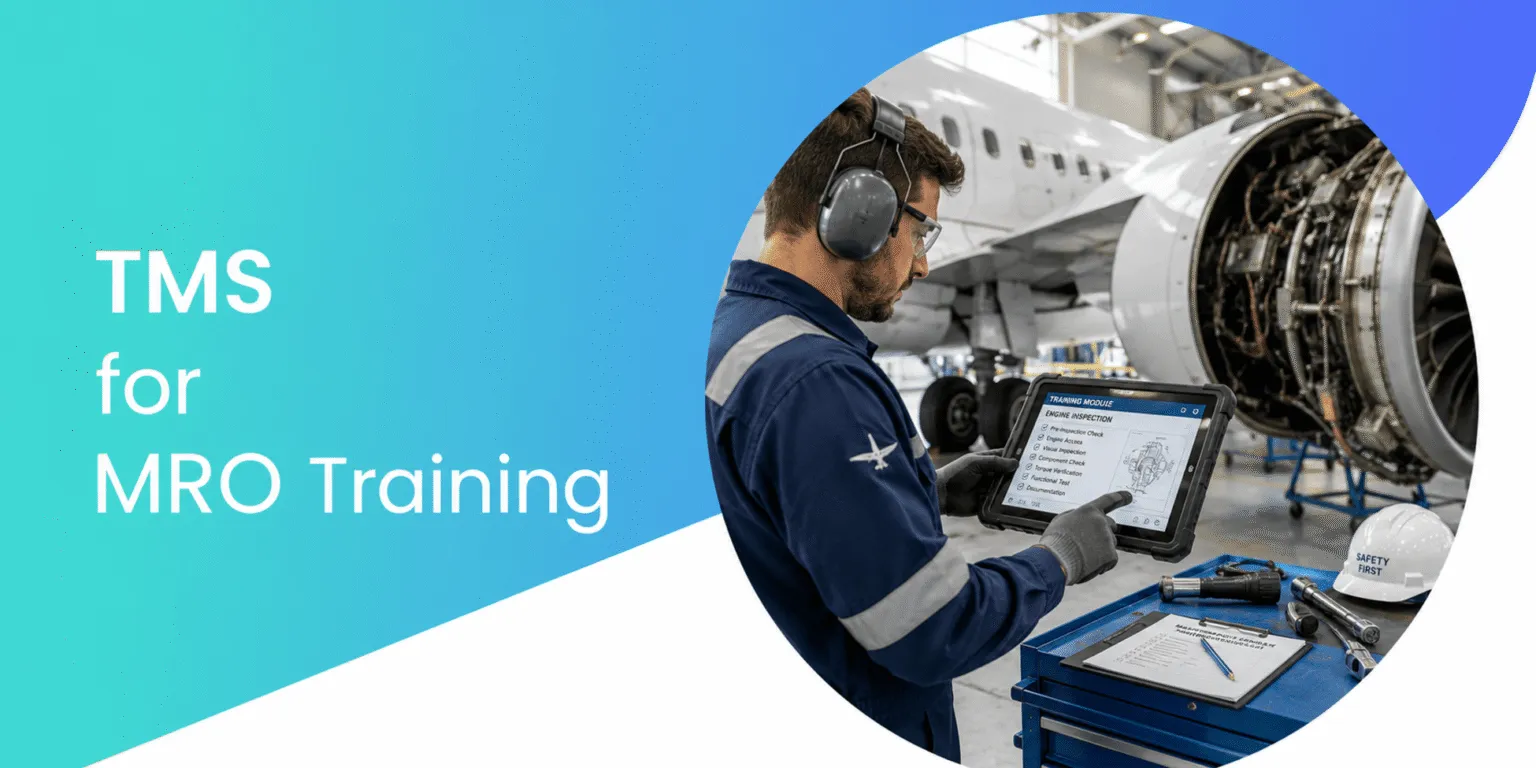

Let’s dive into the short case study regarding MRO Training with SimpliTrain
The Client
An MRO organization providing Part-145 line and base maintenance across a mix of regional and narrow-body aircraft, with no shortage of maintenance demand and a growing shortage of technicians cleared to work on it independently.
Introduction
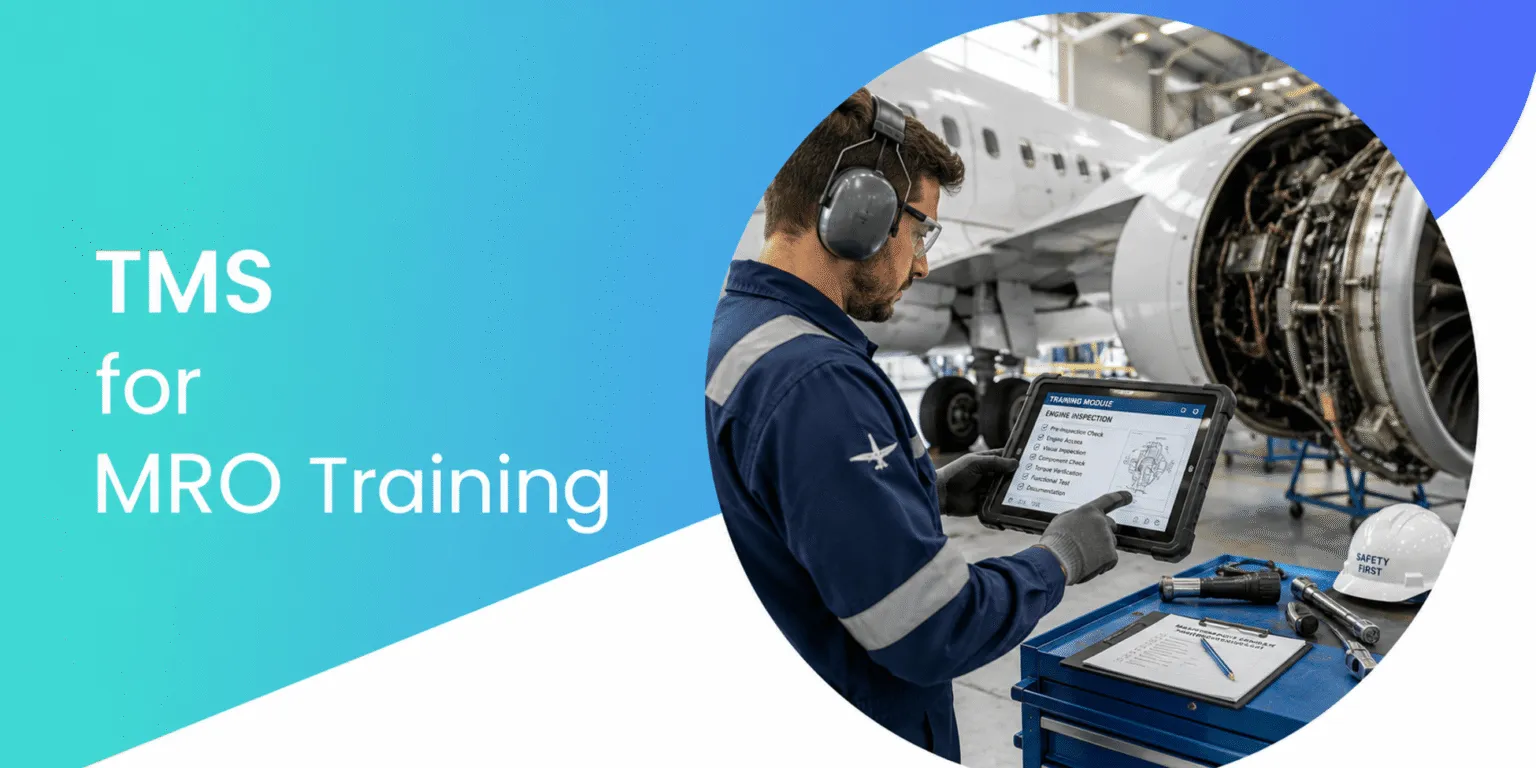
Hiring kept pace with demand, but qualification lagged well behind it. A new technician could be hired within weeks, while reaching full sign-off authority, tracked through training modules, supervised hours, and competency checks, still took months of manual record-keeping. Senior technicians ended up doing double duty: supervising new hires on the floor, then logging that supervision on paper or in spreadsheets afterward. During one internal review, the organization found two technicians had completed supervised tasks without a dated sign-off actually on file, a gap caught internally rather than during a customer audit, but a warning sign all the same.
Challenge
| Statistic | Description |
|---|---|
| 710,000 | new maintenance technicians needed globally over the next 20 years (Boeing) |
| ~60,000 | projected global technician shortfall by 2029, roughly 20% below industry need (McKinsey) |
| 15–45% | typical “wrench time” industry-wide (the share of a shift actually spent on hands-on repair work) |
| 1 in 3 | aviation maintenance training seats that go unfilled each year (ATEC) |
Most MROs say they can still find candidates to hire. What’s harder, and slower, is turning a new hire into someone authorized to sign off work independently. In an industry already projected to run short on technicians, every week spent on that step is capacity nobody can afford to lose.
- No real-time answer to “who’s authorized to sign off this task, on this aircraft type, right now.” Authorization status was split between paper logbooks and a shared spreadsheet, with the occasional approval sitting unfiled in an email thread.
- Senior technicians doubled as unpaid administrators. Supervising new hires was expected; logging that supervision by hand, several hours a week per trainer, wasn’t something anyone had actually budgeted time for.
- Competency records for a Part-145 review meant physically tracking down logbooks and cross-checking three different formats, often taking days before an auditor even arrived.
- Every week a new hire waited on paperwork rather than getting cleared to work independently was a week of throughput the organization couldn’t spare, especially with the wider industry projected to be running roughly a fifth short of needed technicians within a few years.
Result
| Metric | Before | After |
|---|---|---|
| Time to full sign-off authorization for a new hire | Months, tracked by hand | Down ~40% |
| Senior technician hours spent on training admin per week | Several hours per trainer | Down ~70% |
| Competency records for an audit | Multi-day manual search | Same-day pull |
| Sign-offs missing or undated | Recurring issue | Zero, across two audits since go-live |
Testimonial
“Our senior techs were spending more hours on paperwork than on the aircraft. Now a new hire’s authorization status is one click away, and the people who used to chase down sign-off forms are back doing the work we’re actually short-staffed for.” – Director of Maintenance Training
Conclusion
The organization can’t hire its way out of a global technician shortfall that’s projected to keep growing through the decade, so it focused on the part it could actually control: how fast each technician already on staff reached full productivity. Cutting qualification time and returning senior staff to billable hours did more for capacity than another hiring round would have, without adding a single new position.
https://simplitrain.com/case-study/aircraft-mro-training-case-study/?utm_source=writeupcafe





























Sign in to leave a comment.