The beauty industry has undergone a massive shift over the last decade. What was once focused solely on glamor and performance has now expanded to include ethics, sustainability, and ingredient consciousness. Among these concerns, one topic has taken center stage: vegan cosmetics. But what does it really mean for a cosmetic product to be vegan, and how does it differ from non-vegan alternatives?
In this blog post, we’ll explore the key differences between vegan and non-vegan cosmetics, break down what ingredients you should be looking for (or avoiding), and help you make informed decisions about what goes into your makeup bag.
What Are Vegan Cosmetics?
Vegan cosmetics are beauty products formulated without any animal-derived ingredients. This includes obvious ingredients like milk or honey, but also less well-known ones such as carmine (crushed beetles used for red pigment), lanolin (from sheep’s wool), or beeswax.
Being vegan in the cosmetics context focuses solely on the formulation of the product, not necessarily whether it’s been tested on animals - which brings us to a common confusion.
Note: Vegan is not the same as cruelty-free. A product can be vegan and still be tested on animals (which is rare among reputable vegan brands), and a cruelty-free product might still contain animal ingredients.
What Are Non-Vegan Cosmetics?
Non-vegan cosmetics include one or more ingredients sourced from animals or animal by-products. These may be added for their functional, textural, or nourishing properties, many of which have long been used in traditional cosmetic formulations.
Non-vegan cosmetics may still be cruelty-free (not tested on animals), but ethically, some consumers choose to avoid them altogether due to their origin.
Common Animal-Derived Ingredients Found in Cosmetics
To identify whether a product is vegan or not, here are some of the most common animal-derived ingredients found in non-vegan cosmetics:
. Beeswax (Cera Alba)
Used in lip balms, mascaras, and foundations for its thickening and moisture-locking properties.
. Carmine (CI 75470)
A red pigment made from crushed cochineal insects, often found in blushes, lipsticks, and eyeshadows.
. Lanolin
An emollient derived from sheep’s wool, used in lip care products and moisturizers.
. Collagen
Sourced from animal connective tissues; included in anti-aging creams for its skin-plumping effects.
. Keratin
Extracted from animal hair or horns, used in hair treatments for smoothing and strengthening.
. Shellac
A resin secreted by the lac bug, often used in nail polish for its glossy finish.
. Guanine
Derived from fish scales, it’s used in highlighters and shimmery eyeshadows for a pearlescent effect.
. Honey and Propolis
Commonly used in skincare for their antibacterial and moisturizing benefits.
Many of these ingredients have plant-based or synthetic alternatives, which vegan brands use to achieve similar results without animal exploitation.
Why Choose Vegan Cosmetics?
There are several reasons consumers are increasingly choosing vegan beauty products - and it’s not just about following a plant-based lifestyle.
1. Ethical Concerns
For many, choosing vegan cosmetics aligns with a desire to avoid contributing to animal harm. By avoiding animal-derived ingredients, you are supporting a supply chain that’s more aligned with animal rights values.
2. Environmental Impact
Animal agriculture is a leading contributor to environmental degradation. Sourcing ingredients like lanolin, collagen, or beeswax has a larger carbon footprint than producing synthetic or plant-based alternatives. Vegan products often align better with eco-conscious values.
3. Fewer Allergens
Some animal ingredients can be allergens or skin irritants, particularly lanolin and beeswax. Vegan products are often gentler and more suitable for sensitive skin - though, of course, not all vegan products are automatically hypoallergenic.
4. Transparency & Clean Formulations
Vegan beauty brands often focus on clean, transparent ingredient sourcing. They’re also more likely to avoid parabens, sulfates, and synthetic fragrances - though it’s not a rule. Always read labels carefully.
Do Vegan Products Perform as Well?
One of the biggest misconceptions about vegan beauty is that it compromises performance. This may have been true a decade ago, but not anymore. With advancements in cosmetic science, vegan formulas can now match or even outperform traditional ones.
For example:
- Plant waxes (like candelilla or carnauba) can replace beeswax in lip balms or mascaras.
- Synthetic mica or fruit-based pigments can replace carmine in red-toned makeup.
- Plant collagen boosters like vitamin C, bakuchiol, or hyaluronic acid can mimic the effects of animal collagen.
Top-tier vegan brands are proving that ethics and efficacy can go hand in hand.
How to Identify Vegan Cosmetics
With so many brands using buzzwords like “natural,” “organic,” or “green,” it can be hard to know what’s actually vegan. Here’s what to look for:
. Vegan Certified Logos
Look for trusted certifications like The Vegan Society, PETA’s “Vegan & Cruelty-Free,” or Leaping Bunny.
. Ingredient Lists
Get comfortable scanning for non-vegan ingredients. If a product contains beeswax, carmine, or lanolin, it’s not vegan.
. Brand Transparency
Ethical brands are usually very clear about their stance. If a product is vegan, it will usually be called out on the label or in the product description.
. Cruelty-Free ≠ Vegan
Always remember the distinction. Look for both if that aligns with your values.
The Rise of Vegan Cosmetics in India
India’s beauty industry has traditionally used many plant-based ingredients (like turmeric, sandalwood, and neem), but it also includes non-vegan items like milk, ghee, and honey.
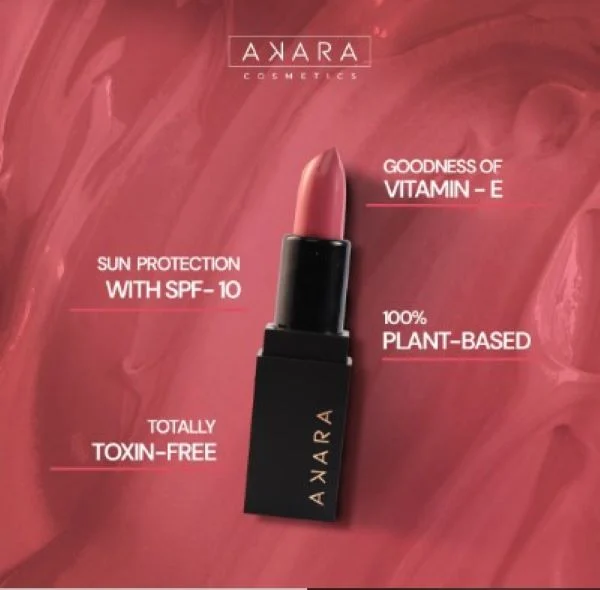
However, as Indian consumers become more aware and values-driven, vegan beauty is gaining traction. Brands like Akara Cosmetics are at the forefront, offering high-quality, affordable, and 100% vegan options - a rarity in a market where “natural” often includes animal products.
With younger generations (Gen Z and Millennials) leading the push for transparency, ethics, and sustainability, we can expect to see more Indian brands embracing the vegan ethos in both ingredients and practices.
Is Vegan Beauty for Everyone?
While vegan cosmetics offer clear ethical and environmental benefits, they might not be everyone’s first priority. Some consumers may prioritize performance, price, or skin compatibility over ingredient origin.
That said, the growing availability and affordability of vegan options means that choosing ethically doesn’t have to mean compromising. Whether you’re fully plant-based or simply curious, incorporating more vegan products into your routine is easier than ever.
And even if you’re not vegan, using cruelty-free and plant-based cosmetics is still a powerful way to align your purchases with conscious consumerism.
Final Thoughts: What’s in Your Makeup Bag?
Your makeup bag is more than just a collection of products - it’s a reflection of your values, your priorities, and your lifestyle. As consumers become more educated and ethically aware, the demand for vegan beauty will only continue to grow.
Switching to vegan cosmetics doesn’t have to happen overnight. Start with a few swaps - maybe your lip balm or your daily moisturizer. Over time, you might find that making compassionate, conscious choices becomes second nature.













Sign in to leave a comment.