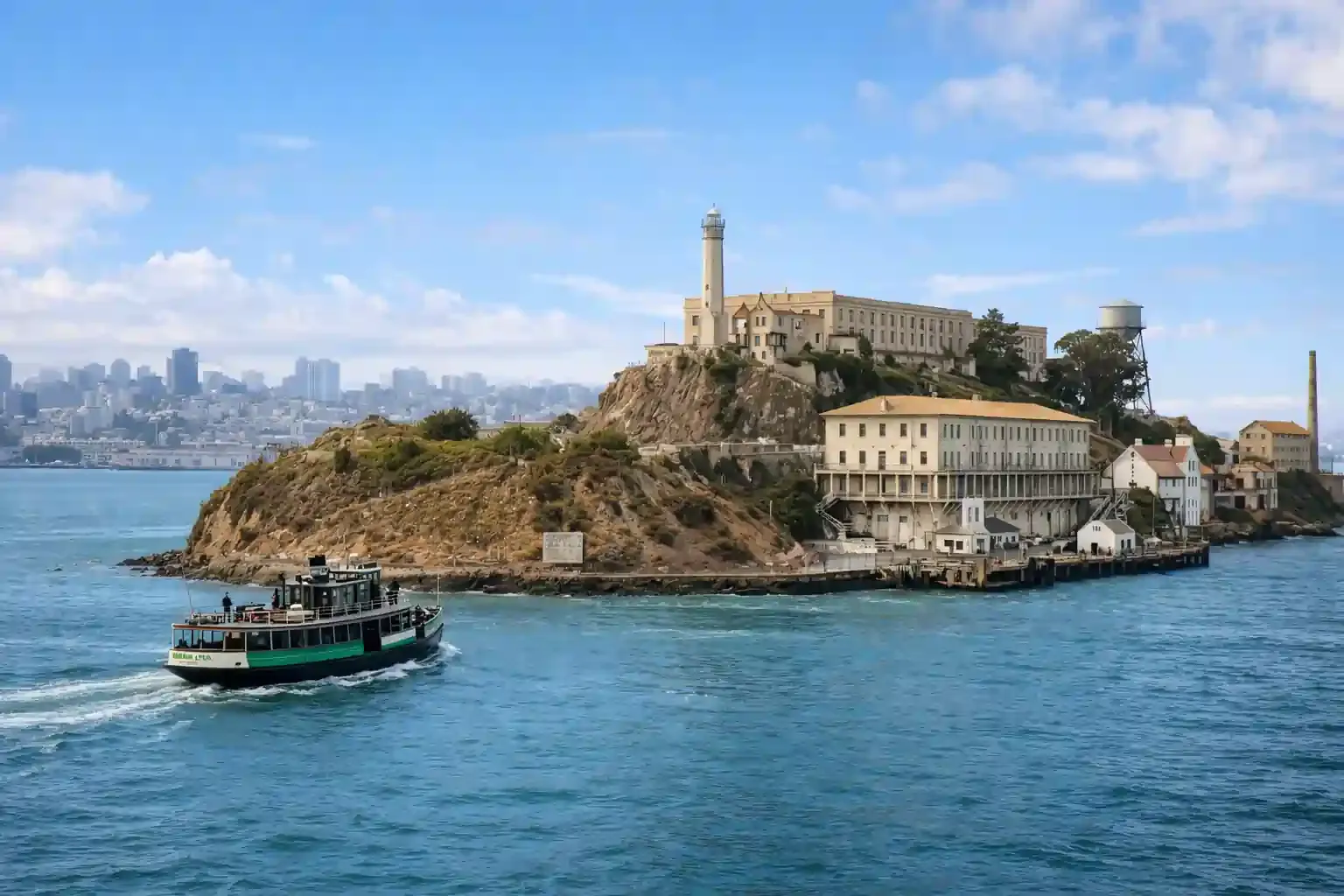

Visiting Alcatraz is less about ticking off a landmark and more about navigating a tightly managed, time-bound experience shaped by logistics, weather, and limited access. First-time visitors often assume it functions like a typical museum or open-access attraction. It doesn’t. Ferries operate on fixed schedules, visitor flow is controlled, and the island’s conditions can shift quickly.
For those trying to secure last-minute tickets or make the most of a short window in San Francisco, small misjudgments timing, preparation, expectations can significantly affect the experience. The following analysis outlines the most common mistakes, not as a checklist, but as decision points where first-time visitors tend to misread how Alcatraz actually works.
1. Treating Ticket Availability as Flexible
A common misconception is that tickets behave like general admission passes. In reality, access is capacity-controlled due to ferry limits and preservation policies. This creates a supply constraint that doesn’t respond well to last-minute demand.
Visitors searching for tickets a day or two before often encounter a false binary: “sold out” or “expensive resale.” What’s missing is an understanding of release patterns. Cancellations do occur, but they’re unpredictable and require active monitoring rather than passive searching.
Trade-off: Waiting for last-minute openings may work, but it introduces uncertainty that can disrupt broader travel plans.
2. Underestimating Ferry Timing Constraints
The ferry is not just transportation it defines the entire visit window. Missing a departure isn’t like arriving late to a museum; it can mean forfeiting entry entirely.
First-time visitors often schedule tightly around their departure, assuming urban transit variability won’t affect them. In practice, delays traffic, parking, navigation compound quickly near the waterfront.
Decision framework: Treat the ferry time as a hard boundary. Plan backward with buffer time, not forward with optimism.
3. Choosing Time Slots Without Context
Day vs. late-day visits are often framed as a preference issue, but the choice has practical implications. Earlier slots provide more flexibility if something goes wrong. Later slots compress recovery options.
Weather patterns also matter. Morning fog can obscure views, while afternoons may offer clearer conditions but stronger winds.
Limitation: There is no universally “best” time. The right choice depends on tolerance for uncertainty versus desire for specific conditions.
4. Ignoring Microclimate Realities
Alcatraz sits in a microclimate where conditions shift rapidly. Visitors accustomed to inland weather often misjudge the intensity of wind and temperature variation.
Even on mild days, exposure on the island particularly along elevated paths can feel significantly colder.
Real-world scenario: Visitors arriving in light clothing often shorten their stay or skip outdoor areas, reducing the depth of the experience.
5. Rushing Through the Audio Experience
The self-guided audio tour is frequently treated as a background feature rather than the core interpretive layer of the visit. This leads to a fragmented understanding of the site.
Unlike static exhibits, the narrative is spatially anchored stories align with specific locations. Moving too quickly breaks that alignment.
Insight: The perceived duration of the visit is often less about time spent and more about how fully the narrative is absorbed.
6. Overlooking Physical Navigation Demands
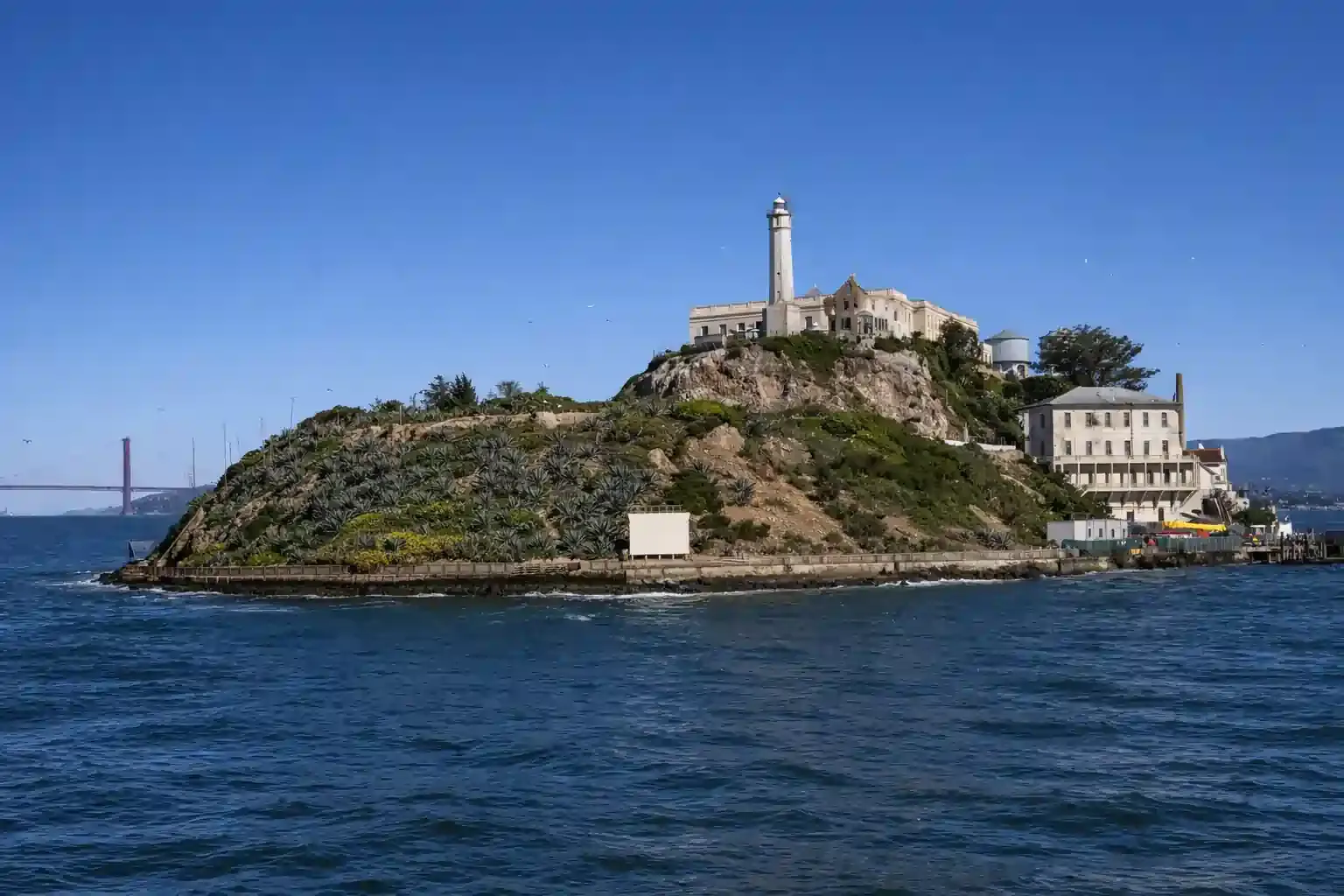
Alcatraz involves elevation changes, uneven paths, and longer walking distances than many expect. Maps can make the island appear compact, but vertical movement alters that perception.
Visitors with limited mobility or tight schedules sometimes underestimate how long it takes to move between key areas.
Trade-off: Prioritizing must-see locations becomes necessary if time or physical capacity is constrained.
7. Misjudging Crowds and Flow
Crowds on Alcatraz are structured rather than chaotic. Ferry arrivals create waves of visitors who move through similar paths.
First-time visitors often assume crowding is constant, but it fluctuates based on arrival timing and movement patterns.
Decision framework: Enter high-interest areas either early (before clustering builds) or later (after initial groups disperse).
8. Treating the Visit as Photo-First
The island offers strong visual appeal city views, historic structures but prioritizing photography can unintentionally flatten the experience.
Spending excessive time capturing images often displaces engagement with interpretive elements, especially in areas where storytelling is sequential.
Insight: The value of the visit lies more in context than in visuals; photos rarely capture the atmosphere shaped by isolation and history.
9. Not Accounting for Return Logistics
Visitors often focus heavily on arrival but overlook departure planning. Return ferries also operate on schedules, and missing preferred times can lead to extended waiting.
This becomes particularly relevant for those with evening plans or transportation connections.
Real-world scenario: Visitors staying until the last ferry sometimes experience fatigue or reduced attention during the latter part of the visit.
10. Expecting a Conventional “Attraction” Experience
Alcatraz does not follow the pacing or structure of typical attractions. It is less curated for entertainment and more preserved for interpretation.
First-time visitors sometimes arrive expecting guided sequences, interactive installations, or structured itineraries. Instead, the experience is largely self-directed within defined boundaries.
Misconception correction: The absence of overt guidance is intentional—it encourages exploration, but it also requires personal pacing and decision-making.
Conclusion
The most common mistakes at Alcatraz stem from applying familiar travel assumptions to an unfamiliar system. Limited access, environmental variability, and self-directed exploration create a context where preparation matters more than spontaneity.
For first-time visitors especially those navigating last-minute plans the key is not to optimize every detail, but to understand the constraints shaping the experience. Once those are clear, the visit becomes less about avoiding problems and more about engaging with the island on its own terms.
Frequently Asked Questions
How can I secure tickets to Alcatraz?
Tickets to Alcatraz are capacity-controlled and often sell out well in advance. It's advisable to monitor release patterns and cancellations actively rather than waiting for last-minute availability, which can lead to disappointment.
What should I consider when planning my ferry schedule?
Ferry schedules are strict, and missing a departure can mean losing your chance to visit the island entirely. It's crucial to plan your arrival with ample buffer time to account for potential delays in urban transit.
Is there a better time of day to visit Alcatraz?
Choosing between a morning or late-day visit depends on your preferences for weather and crowd levels. Morning fog may obscure views, while afternoons can be clearer but windier, so weigh your tolerance for uncertainty against your desired conditions.
What should I wear when visiting Alcatraz?
The weather on Alcatraz can be significantly different from the mainland due to its microclimate. It’s best to dress in layers and prepare for colder temperatures and wind, even on seemingly mild days.
How important is the audio tour during my visit?
The audio tour is a key part of the Alcatraz experience, providing context and a narrative that enhances your understanding of the site. Taking time to engage with it can enrich your visit, rather than rushing through.
What are the physical demands of exploring Alcatraz?
Alcatraz features elevation changes and uneven paths, which can be more strenuous than expected. If you have limited mobility or time constraints, it's essential to prioritize which areas to visit.
How do crowds impact the experience at Alcatraz?
Crowds tend to fluctuate based on ferry arrivals, so planning your entry into high-interest areas either early or later can help you avoid congestion. Understanding the crowd dynamics can enhance your visit.
What should I know about returning from Alcatraz?
Return ferries operate on a fixed schedule, and it's easy to overlook planning for your departure. Missing your preferred return time can lead to long waits, especially if you have other commitments later in the day.




























Sign in to leave a comment.