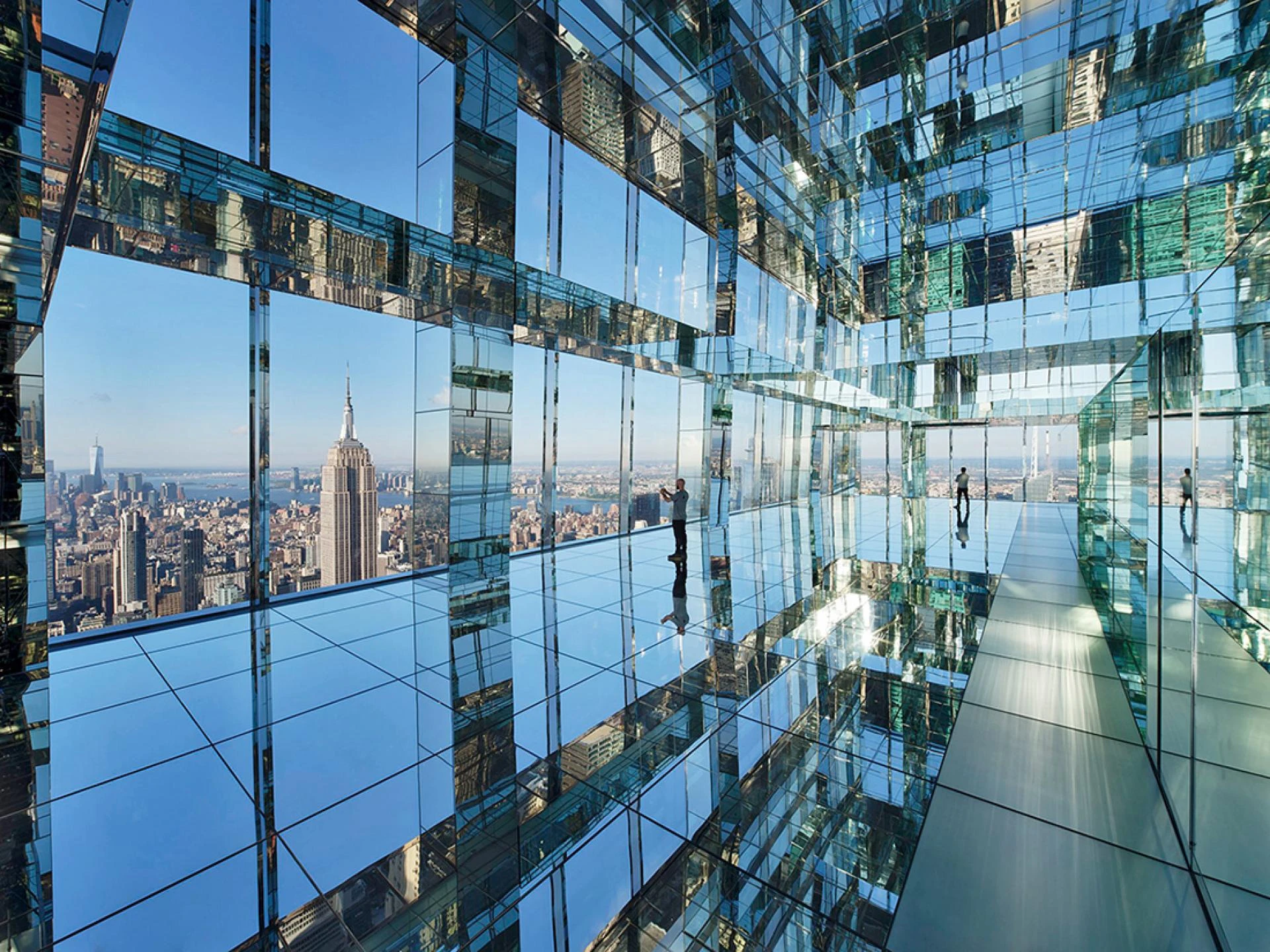

Observation decks rarely offer the same experience twice. Light conditions, weather patterns, and seasonal tourism cycles can all change how a city appears from above. In New York, where skyline views are a central part of the visitor experience, those seasonal variations become especially noticeable.
One place where these changes are easy to observe is SUMMIT One Vanderbilt. The glass-walled spaces and mirrored installations amplify the city’s shifting light throughout the year, creating noticeably different visual environments between winter mornings and summer sunsets.
For travelers researching summit one vanderbilt tickets, understanding how the seasons affect the view can be useful when deciding when to visit. The observation deck offers the same skyline in every month, but the atmosphere surrounding it changes in subtle and sometimes significant ways.
How Seasons Transform the View from SUMMIT One Vanderbilt
The most obvious seasonal difference at SUMMIT One Vanderbilt comes from natural light. Because the attraction sits high above Midtown Manhattan with large glass surfaces, sunlight becomes part of the experience rather than simply a background element.
During winter, the lower angle of the sun creates longer shadows across the city grid. Snowfall or cold, clear air can sharpen visibility, allowing visitors to see farther across Manhattan and the surrounding boroughs. The trade-off, however, is shorter daylight hours, which limit the amount of time available for daytime views.
Summer presents the opposite conditions. The sun remains higher for longer periods, producing brighter reflections inside the mirrored observation areas. While this extended daylight increases viewing opportunities, humidity and haze can soften distant skyline details.
Spring and autumn often provide a balance between these extremes. Temperatures are more comfortable, visibility tends to be stable, and sunset timing allows visitors to watch the city transition from daylight to evening illumination.
These variations do not change the attraction itself, but they influence how the skyline appears and how long visitors may want to remain at the observation deck.
Timing Your Visit: Light, Crowds, and Practical Considerations
Seasonal changes also influence visitor flow. Travelers researching summit one vanderbilt tickets often focus on ticket availability, but timing within the day can shape the experience just as much as the season.
Early morning visits generally offer quieter conditions and softer natural light. This timing works well for visitors interested in photography or those who prefer a calmer atmosphere. The downside is that morning haze can occasionally obscure distant skyline details.
Late afternoon and sunset periods attract larger crowds, particularly in warmer months when daylight extends later into the evening. The appeal is obvious: watching Manhattan shift from daylight to city lights is visually striking. However, this timing usually means more visitors moving through the mirrored rooms and observation platforms.
Winter introduces another planning factor. Because sunset occurs earlier, the transition from day to night can happen during typical afternoon visiting hours. Visitors sometimes overlook this advantage when planning seasonal trips.
Balancing crowd levels, light conditions, and schedule flexibility often results in a more comfortable visit than simply choosing the most popular time slot.
Do Seasonal Conditions Affect Ticket Planning?
Seasonal demand can indirectly influence how visitors approach summit one vanderbilt tickets prices. Peak travel periods especially summer and the December holiday season often bring higher demand for observation decks across New York.
For travelers, this creates a practical trade-off. Visiting during peak periods offers lively city energy and extended daylight hours, but availability can become limited and crowds increase. Shoulder seasons such as early spring or late autumn sometimes provide a calmer experience with similar skyline views.
Another consideration is weather uncertainty. Winter storms or heavy summer rain rarely close observation decks entirely, but they can reduce visibility. Some visitors plan flexible schedules so they can choose clearer days if possible.
In many cases, understanding seasonal demand patterns is less about price comparison and more about setting realistic expectations for crowd levels and viewing conditions.
Common Misconceptions About Observation Deck Timing
A frequent assumption is that observation decks are best experienced only at sunset. While sunset views are undeniably popular, they are not the only worthwhile time to visit.
Midday visits often provide the clearest long-distance views, especially during colder months when the air is crisp. Photographers sometimes prefer this timing because it reduces contrast between bright skies and darker buildings.
Another misconception is that seasonal differences dramatically change the skyline itself. In reality, the city remains visually recognizable year-round. What changes are the environmental details light angle, atmospheric clarity, and how reflections interact with the building’s interior surfaces.
Recognizing these subtler variations helps visitors choose timing based on personal interests rather than broad assumptions about the best moment.
Conclusion
Observation decks offer more than a static city panorama. At SUMMIT One Vanderbilt, seasonal shifts in light, weather, and visitor flow gradually reshape the experience throughout the year.
For travelers researching summit one vanderbilt tickets, considering the season alongside time of day can lead to a more intentional visit. Winter’s clarity, summer’s extended daylight, and the balanced conditions of spring and autumn each create slightly different perspectives on the same skyline.
The city remains constant below, but the atmosphere surrounding it continues to change. Understanding those subtle differences can help visitors choose a moment that aligns with how they want to experience New York from above.



























Sign in to leave a comment.