

New York’s skyline is often discussed in terms of height, engineering, and sweeping observation decks. Yet some of the city’s most recognizable buildings also function as cultural spaces. Inside one of Manhattan’s most famous towers, museum-style exhibits quietly shape how visitors understand the structure long before they reach the top.
Many travelers begin their visit by researching tickets Empire State Building options and planning when to go. What often goes unnoticed in that process is the role of the building’s internal exhibits. These curated spaces provide historical context, architectural insight, and a narrative that transforms a simple elevator ride into a more layered experience.
For visitors deciding between several New York observation decks, these exhibits can influence whether the visit feels like a quick viewpoint stop or something closer to a small museum experience.
Why a Skyscraper Includes Museum-Style Exhibits
Observation decks typically focus on the view itself. The Empire State Building, however, integrates a series of exhibits on its lower floors that function much like a compact museum.
These displays walk visitors through the building’s construction during the early 1930s, a period marked by both economic hardship and ambitious urban development. Interactive installations, archival photographs, and scale models explain how the skyscraper was completed in just over a year an achievement that still surprises many visitors.
From a practical perspective, these exhibits serve several purposes.
First, they help structure visitor flow. Large attractions must manage thousands of people per day, and the exhibit galleries create a gradual progression toward the elevators. Instead of long idle queues, guests move through themed spaces that distribute crowds more evenly.
Second, they add context to the final viewpoint. Without the historical framing, the observation deck risks feeling interchangeable with other high-rise lookouts. By the time visitors reach the upper floors, they have a clearer sense of why the building became such a powerful symbol of New York.
For travelers considering tickets for Empire State Building experiences, this museum element can change expectations. The visit is not only about the skyline it is also about understanding how the building became part of it.
How Exhibits Shape the Visitor Experience Before the View
A common assumption among first-time visitors is that the main attraction begins only once the elevator doors open on the observation deck. In practice, the exhibits are designed to build anticipation.
Several installations focus on the skyscraper’s cultural presence. Film clips highlight appearances in movies and television, while multimedia displays explore how the tower became a recognizable global icon. These moments are often where visitors pause longer than expected.
There is also a practical benefit. By the time visitors reach the deck, they have already spent time learning about the structure’s design and cultural significance. This context tends to slow the pace of the visit in a positive way. Instead of immediately taking photos and leaving, many people spend more time identifying landmarks and reflecting on what they’ve just learned.
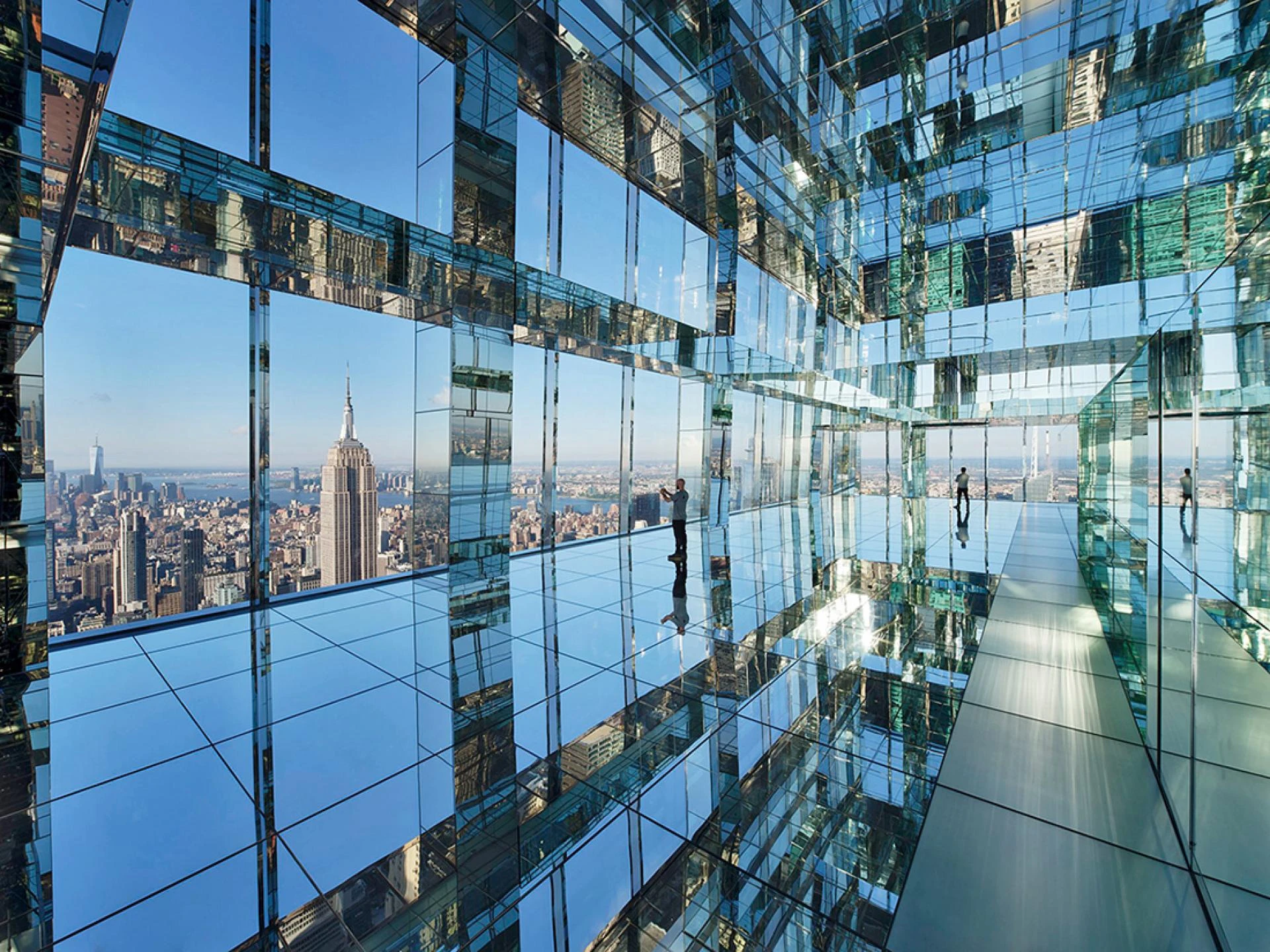
For travelers comparing tickets to Empire State Building with other observation decks in Manhattan, this narrative component can influence the overall value of the visit. Some newer attractions emphasize immersive digital experiences or mirrored environments. The Empire State Building leans more heavily on historical storytelling.
Neither approach is inherently better, but the difference affects expectations. Visitors interested primarily in panoramic views may move through the exhibits quickly, while those curious about New York’s architectural history often find them a highlight.
A Practical Consideration When Buying Tickets
Because the exhibit galleries are part of the entry path, timing plays an important role in the overall experience. During peak travel periods, especially evenings and holidays, the exhibit areas can become crowded.
This is one reason many travelers research where to buy Empire State Building tickets in advance. Pre-booked timed entry slots help regulate the flow of visitors entering the building, which indirectly improves the exhibit experience as well.
There are a few trade-offs to consider.
Morning visits tend to be quieter inside the galleries, allowing more time to interact with displays and read historical information. However, the atmosphere of the skyline changes throughout the day, and some travelers prioritize sunset views even if that means navigating larger crowds.
Another common mistake is rushing through the exhibits in order to reach the observation deck faster. Visitors who treat the galleries as part of the attraction itself often find the experience more memorable. The exhibits were designed as a narrative sequence rather than a waiting area.
For travelers already comparing tickets Empire State Building options, understanding this structure can help set realistic expectations about pacing and time spent inside the building.
Why the Museum Element Still Matters in a City of Observation Decks
New York now offers several observation decks, each with its own design philosophy and viewing perspective. As a result, the experience of visiting a skyscraper has become more varied over the past decade.
What continues to distinguish the Empire State Building is the integration of historical interpretation into the visit. The exhibits create a bridge between the city’s past and its modern skyline, reminding visitors that the tower was once a symbol of technological ambition during a difficult economic period.
For travelers planning a visit, the observation deck may still be the main draw. Yet the museum spaces below play a quiet role in shaping how the building is understood.
When visitors research tickets for Empire State Building or explore different viewing platforms across Manhattan, it helps to remember that the experience begins well before the elevator ride. In this case, the journey through the exhibits is part of what turns a skyline viewpoint into a deeper encounter with New York’s architectural history.






























Sign in to leave a comment.