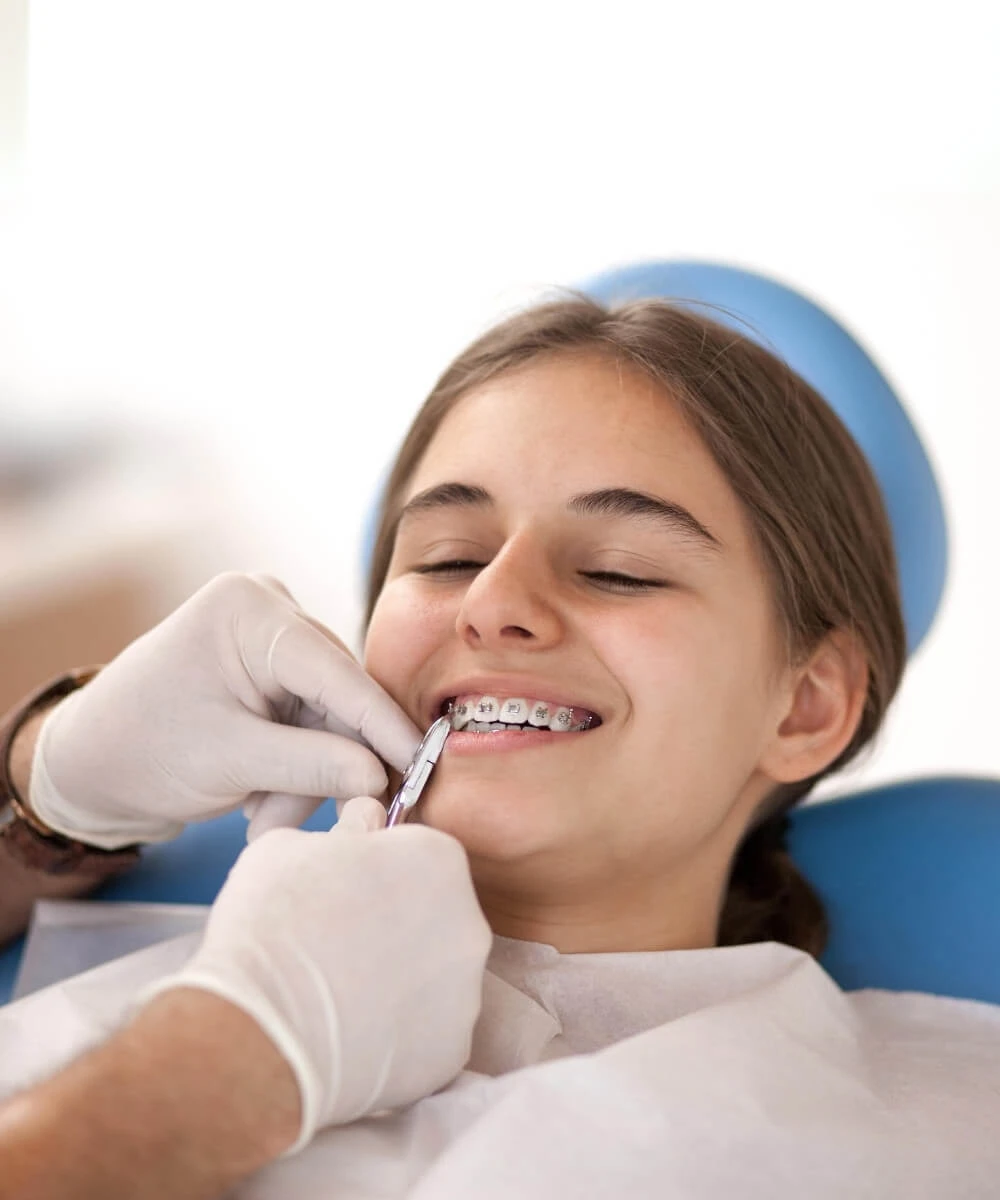

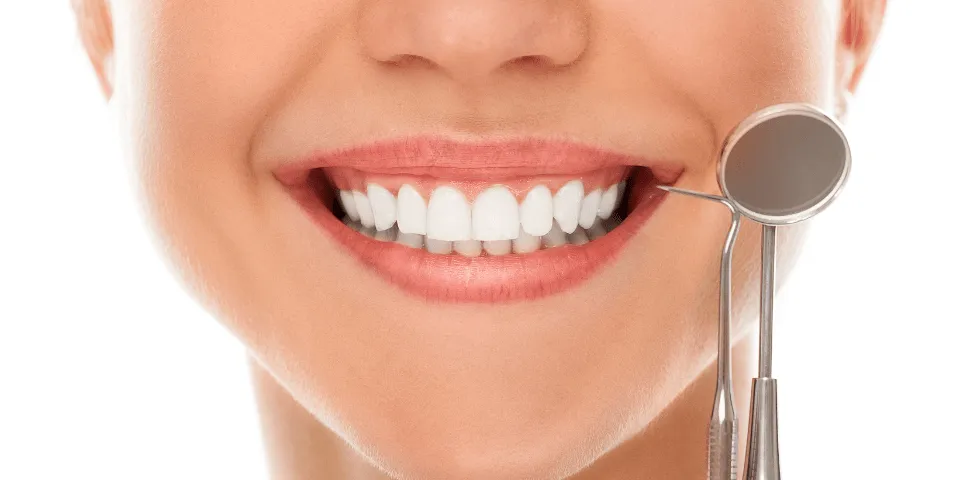
Many people desire a straight, healthy smile, but achieving it often requires orthodontic treatment. Misaligned teeth not only affect your appearance but can also impact your oral health and overall well-being. Braces have long been the standard solution for correcting misaligned teeth, and advancements in orthodontics have made them more effective and comfortable than ever before. In this blog, we\'ll delve into aligning misaligned teeth with braces, exploring the different types, benefits, and what to expect during treatment.
Understanding Misaligned Teeth
Misaligned teeth, also known as malocclusion, refer to teeth that are crooked, crowded, or improperly spaced. Several factors can contribute to misalignment, including genetics, thumb sucking during childhood, premature loss of baby teeth, and injuries. Common types of malocclusion include:
- Overcrowding: When there isn\'t enough space in the mouth for all the teeth to fit properly.
- Overbite: The upper front teeth excessively overlap the lower front teeth.
- Underbite: The lower front teeth protrude past the upper front teeth.
- Crossbite: Some upper teeth sit inside the lower teeth rather than outside.
- Open bite: The upper and lower teeth don\'t meet when the mouth is closed.
Addressing these issues is crucial for aesthetic reasons and for maintaining proper oral function and health.
Types of Braces for Aligning Teeth
Several types of braces are available today, each designed to address different orthodontic needs and preferences. Let\'s explore the most common types of braces used to align misaligned teeth.

Traditional Metal Braces
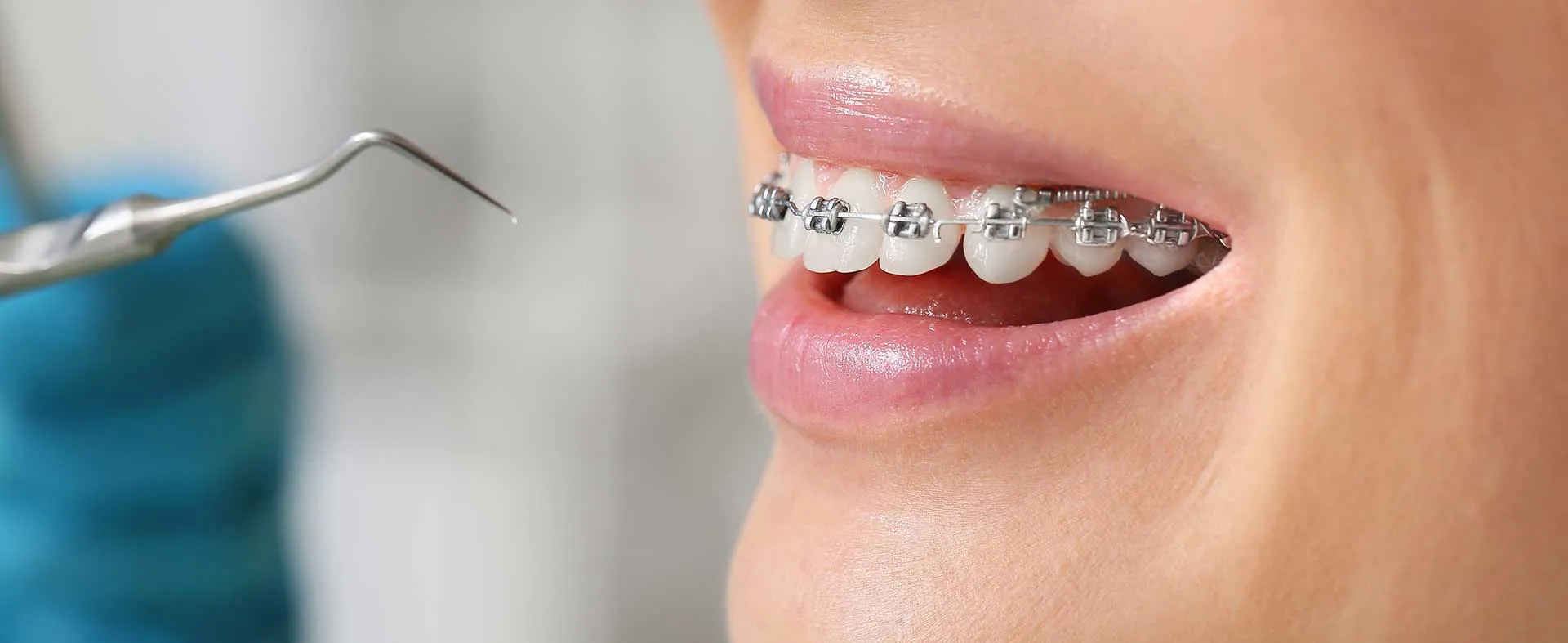
Traditional metal braces are the most recognizable type. They consist of metal brackets bonded to the teeth and connected by a wire. Modern metal braces are smaller, lighter, and more comfortable than their predecessors.
Advantages:
- Effective: Suitable for treating many orthodontic issues, including severe misalignments.
- Durable: Made from high-quality stainless steel, they are very durable.
- Cost-Effective: Generally more affordable compared to other types of braces.
Considerations:
- Aesthetic: Metal braces are the most noticeable type of braces.
- Discomfort: They can cause pain and irritation, especially after adjustments.
Ceramic Braces
Ceramic braces function similarly to metal braces but are made from clear or tooth-colored materials, making them less noticeable. They are a popular choice for individuals seeking a more discreet option.
Advantages:
- Aesthetic: Blend in with the natural color of teeth, making them less conspicuous.
- Effective: Can correct a variety of orthodontic issues.
Considerations:
- Cost: Typically more expensive than metal braces.
- Maintenance: Ceramic brackets can stain if not properly cared for.
- Durability: More fragile than metal braces and may require more repairs.
Lingual Braces
Lingual braces are similar to traditional metal braces. Still, the brackets and wires are placed on the inner surface of the teeth (the side facing the tongue), making them virtually invisible from the outside.
Advantages:
- Invisibility: Hidden from view, providing a highly discreet option.
- Effectiveness: Capable of treating complex orthodontic issues.
Considerations:
- Cost: Generally more expensive than traditional braces.
- Comfort: Can be more uncomfortable initially and may affect speech.
- Maintenance: More challenging to clean due to their placement.

Clear Aligners
Clear aligners like Invisalign are custom-made, removable trays that gradually shift teeth into their desired position. They are made from clear plastic, making them virtually invisible when worn.
Advantages:
- Aesthetic: Nearly invisible, offering a discreet treatment option.
- Removability: Can be removed for eating, drinking, brushing, and flossing.
- Comfort: Smooth plastic aligners are comfortable and cause less irritation.
Considerations:
- Discipline: Must be worn for 20-22 hours daily for effective results.
- Complex Cases: These may only be suitable for some complex orthodontic issues.
- Cost: It can be more expensive than traditional braces.
The Process of Aligning Teeth with Braces
The journey to a straight, beautiful smile with braces involves several steps. Here\'s what you can expect during the treatment process.
Initial Consultation
The first step is to schedule an initial consultation with an orthodontist. During this appointment, the orthodontist will examine your teeth, take X-rays and impressions, and discuss your treatment goals. This assessment helps determine the best type of braces for your specific needs. Are you looking for braces treatment in Bhopal? Smile Gallery offers expert orthodontic care to help you achieve a beautiful, straight smile. Our experienced dentists provide personalized treatment plans using the latest techniques for effective results. Visit Smile Gallery to learn more and schedule your consultation today. Transform your smile with the best braces treatment in Bhopal.
Treatment Plan
Once your orthodontist has evaluated your case, they will create a personalized treatment plan. This plan outlines the type of braces recommended, the estimated duration of treatment, and the expected outcomes. The orthodontist will also discuss any potential challenges and answer any questions you may have.
Placement of Braces
The next step is the placement of braces. Traditional braces involve bonding the brackets to the teeth and connecting them with a wire. For clear aligners, you will receive your first set of aligners and instructions on how to wear and care for them. The placement process may take a couple of hours, and you may experience discomfort as you adjust to the braces.
Regular Adjustments and Check-Ups
You will have regular appointments with your orthodontist throughout your treatment to monitor your progress and make necessary adjustments. For traditional braces, this involves tightening the wires and replacing elastic bands. For clear aligners, you will switch to a new set of aligners every one to two weeks as directed by your orthodontist. These appointments are crucial for ensuring your treatment stays on track.
Managing Discomfort
It\'s normal to experience some discomfort, especially after adjustments. This discomfort is usually mild and can be managed with over-the-counter pain relievers, orthodontic wax covering sharp edges, and a soft diet. Any severe or prolonged pain should be reported to your orthodontist.
Oral Hygiene and Care
Maintaining good oral hygiene is essential during orthodontic treatment. Braces can trap food particles and make brushing and flossing more challenging. Here are some tips for keeping your teeth and braces clean:
- Brushing: Brush your teeth at least twice daily with fluoride toothpaste. Pay special attention to cleaning around the brackets and wires.
- Flossing: Use a floss threader or orthodontic floss to clean between your teeth and under the wires.
- Mouthwash: Rinse with an antimicrobial mouthwash to reduce plaque buildup and prevent gum disease.
- Avoid Certain Foods: Avoid hard, sticky, and sugary foods that can damage your braces and increase the risk of cavities.
Completion and Retention
Once your teeth have been properly aligned, your orthodontist will remove the braces or instruct you to stop wearing your final aligners. This is an exciting milestone, but the journey continues. To maintain your new smile, you\'ll need to wear a retainer. Retainers help keep your teeth in their new position and prevent them from shifting back. Your orthodontist will guide you on how often to wear your retainer and how to care for it.
Benefits of Braces
Correcting misaligned teeth with braces offers numerous benefits beyond a beautiful smile.
Improved Oral Health
Straight teeth are easier to clean, reducing the risk of cavities, gum disease, and other oral health issues. Proper alignment also helps prevent uneven wear on teeth and jaw problems.
Enhanced Appearance
A straight, beautiful smile boosts self-esteem and confidence. It can positively impact social interactions, professional opportunities, and overall quality of life.
Better Function
Correcting misaligned teeth improves the function of your bite, making it easier to chew, speak, and breathe properly. It also reduces strain on the jaw and surrounding muscles.
Long-Term Investment
Orthodontic treatment is a long-term investment in your oral health and well-being. With proper care and maintenance, the benefits of straight teeth and a healthy smile can last a lifetime.
Conclusion
Aligning misaligned teeth with braces is a transformative journey offering aesthetic and functional benefits. Whether you choose traditional metal braces, ceramic braces, lingual braces, or clear aligners, each option provides a path to a healthier, more beautiful smile. By understanding the process and committing to your treatment plan, you can achieve the smile you\'ve always wanted and enjoy the long-term benefits of improved oral health and confidence. Consult a qualified orthodontist to discuss your options and start your journey towards a straighter, healthier smile today.


























Sign in to leave a comment.