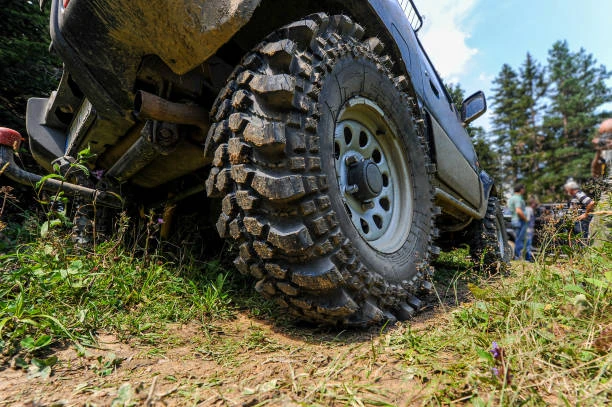

When it comes to vehicles, tires are arguably one of the most important components that directly impact performance, safety, and driving experience. All-terrain tires stand out as a unique tire category that offers a blend of performance on both paved roads and off-road terrains. Whether you're a weekend adventurer, a commuter who occasionally tackles rugged terrain, or someone who enjoys a combination of off-road excursions and urban driving, all-terrain tires provide an excellent solution. This article delves into the essential aspects of all-terrain tires, including their features, benefits, considerations, and maintenance tips.
What Are All-Terrain Tires?
All-terrain tires are designed to provide optimal performance in both on-road and off-road conditions. Unlike tires meant solely for street use or those designed specifically for rough, rugged terrains, all-terrain tires strike a middle ground. They feature an aggressive tread pattern with wider gaps, allowing them to perform well on gravel, sand, dirt, and snow while maintaining a level of comfort and stability when driving on highways.
Key Characteristics of All-Terrain Tires
- Tread Pattern: All-terrain tires usually have a more aggressive tread compared to highway tires, featuring larger blocks and grooves. This helps improve traction on rough and unpaved surfaces, such as dirt and mud.
- Durability: These tires are made from tougher materials to endure the demands of off-road conditions, including exposure to rocks, sharp objects, and other abrasive surfaces. Reinforced sidewalls help protect against punctures and cuts.
- Versatility: Designed to handle a variety of road surfaces, all-terrain tires offer better traction than standard tires on dirt, gravel, or snowy roads. They provide the performance you need whether you're on a trail or on the highway.
Advantages of All-Terrain Tires
1. Enhanced Off-Road Performance
The primary advantage of all-terrain tires is their ability to handle off-road conditions. They are ideal for vehicles that frequently travel on dirt, gravel, or other unpaved surfaces. Whether you're navigating through loose sand, climbing rocky hills, or tackling muddy terrain, all-terrain tires offer the necessary grip and traction to enhance your vehicle’s capability.
2. All-Weather Use
All-terrain tires are designed to perform well in different weather conditions. They provide a solid grip in both dry and wet conditions. Some models also feature enhanced traction in snow and ice, making them suitable for year-round driving in various climates. This makes them a popular choice for people who experience diverse weather patterns or live in areas where snow and rain are common.
3. Reduced Road Noise and Vibration
Although all-terrain tires are more aggressive than regular road tires, manufacturers have made significant advances in minimizing road noise and vibration. While they may be louder than regular tires on smooth roads, high-quality all-terrain tires offer a more comfortable ride compared to mud-terrain tires, which tend to produce much higher noise levels.
4. Improved Towing and Load Carrying Capacity
All-terrain tires generally offer better towing capability compared to standard tires. Their robust construction helps distribute weight more evenly, making them a good choice for individuals who tow trailers, boats, or other heavy loads. The enhanced durability and grip also offer additional safety when towing on uneven or off-road terrain.
Types of All-Terrain Tires
1. Light-Duty All-Terrain Tires
Light-duty all-terrain tires are designed for vehicles such as SUVs, crossovers, and light trucks. These tires offer a good balance between off-road performance and comfort on paved roads. The tread patterns are moderately aggressive, making them suitable for occasional off-road trips, but they remain fairly quiet and comfortable for everyday driving. Examples include the Goodyear Wrangler Duratrac and BFGoodrich All-Terrain T/A KO2.
2. Heavy-Duty All-Terrain Tires
Heavy-duty all-terrain tires are meant for larger vehicles, such as full-size trucks, vans, and off-road vehicles. These tires are designed to endure the heavier load requirements and provide superior off-road traction. They feature more robust treads and reinforced sidewalls to handle more extreme conditions, including frequent off-roading and heavy towing. Examples include the Nitto Terra Grappler G2 and Toyo Open Country A/T III.
3. All-Terrain Tires with Winter Capabilities
Some all-terrain tires are engineered specifically for winter driving conditions. These tires typically have enhanced tread designs that provide extra traction on snow and ice. They often incorporate special compounds that remain flexible even in colder temperatures, ensuring consistent grip during the winter months. Tires such as the Cooper Discoverer AT3 4S are designed to deliver superior all-season performance, including winter capabilities.
How to Choose the Right All-Terrain Tire
1. Consider Your Driving Needs
If you primarily use your vehicle for city driving with the occasional off-road excursion, a light-duty all-terrain tire would be sufficient. For drivers who frequently tackle rough trails or do heavy towing, a heavy-duty all-terrain tire may be the better choice.
2. Tire Size
Selecting the correct tire size is critical to maintaining the vehicle’s overall performance. Larger tires provide greater ground clearance and improved off-road performance but may decrease fuel efficiency and handling on the road. Check the manufacturer’s recommendations or consult a tire specialist to determine the right size for your vehicle.
3. Weather and Terrain Conditions
If you live in an area with frequent rain, snow, or ice, consider all-terrain tires designed with winter traction. These tires feature deeper treads and softer compounds to provide better grip on slippery roads. For those in dry or desert-like conditions, tires with a more aggressive tread pattern may be more appropriate for handling loose sand or rocks.
4. Budget and Brand
All-terrain tires come at various price points. While higher-end models often offer better durability, performance, and technology, budget options may still offer sufficient quality for drivers who don’t engage in extreme off-roading. Popular tire brands, such as Michelin, Bridgestone, Goodyear, and Toyo, have well-regarded all-terrain tire models, but it's important to assess the features and benefits specific to each brand.
Maintenance Tips for All-Terrain Tires
1. Regularly Inspect Your Tires
Due to the rugged conditions that all-terrain tires are subjected to, it is essential to regularly check for wear and tear. Look for cuts, punctures, and any damage to the sidewalls or tread. You should also monitor the tread depth to ensure your tires continue to perform well in off-road environments.
2. Maintain Proper Tire Pressure
Tire pressure directly affects the performance of your all-terrain tires, especially when driving off-road. Proper inflation helps ensure maximum traction and prevents uneven tire wear. Check your tire pressure regularly, particularly before going on long trips or off-road adventures. Also, ensure that you follow the vehicle manufacturer’s recommended tire pressure guidelines.
3. Rotate Your Tires
To promote even wear, it is essential to rotate your all-terrain tires regularly. This ensures that all tires wear at the same rate and helps prolong their lifespan. Typically, you should rotate your tires every 6,000 to 8,000 miles or follow the manufacturer’s recommended schedule.
4. Monitor Alignment
Misalignment can cause uneven tire wear and negatively impact driving performance, especially when dealing with off-road conditions. If you notice that your vehicle pulls to one side or that your tires are wearing unevenly, have your alignment checked by a professional.
Conclusion
All-terrain tires are a fantastic option for drivers who seek a balance of on-road comfort and off-road performance. Whether you're commuting on highways or exploring rugged trails, these tires provide superior traction, durability, and versatility. By selecting the right all-terrain tire for your vehicle and maintaining it properly, you can ensure a safe, comfortable, and enjoyable driving experience in all conditions. With so many excellent models available, all-terrain tires remain one of the best choices for those who demand more from their tires.


























Sign in to leave a comment.