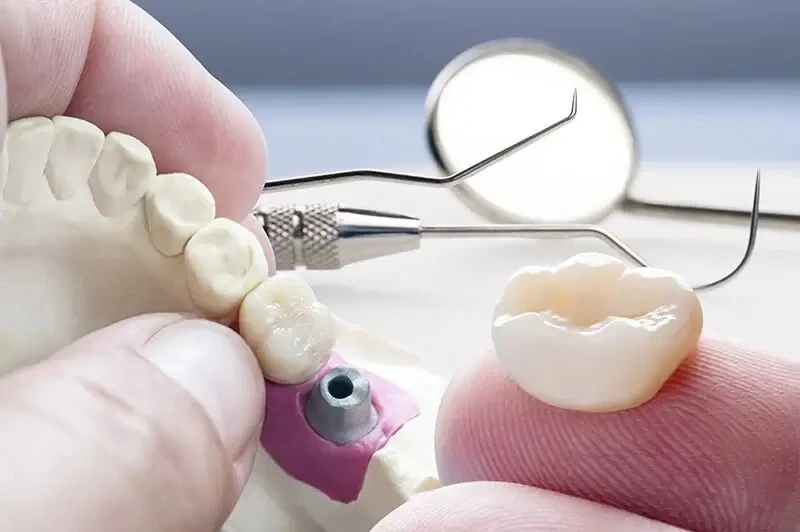

Have you been hiding your smile because of a missing tooth? Or maybe chewing has become uncomfortable or awkward? If any of this sounds familiar, dental bridges might be the solution you're looking for. At Cure Dental, we understand the emotional and physical effects of missing teeth. That’s why we offer clear, friendly, and professional guidance on dental bridges, especially if you’re seeking a dental bridge in Belton.
Imagine trying to cross a river without a bridge. That’s what it can feel like for your mouth when a tooth is missing the balance is thrown off. A dental bridge acts as the support system your mouth needs to restore function and harmony. Let’s explore what this dental marvel is all about.
What Is a Dental Bridge?
A dental bridge is a custom-made restoration used to replace one or more missing teeth. It fills the space with artificial teeth that are supported by the surrounding natural teeth or dental implants. These replacement teeth are designed to blend in seamlessly with your natural smile, offering both cosmetic and functional improvements.
Types of Dental Bridges
There are several different styles of dental bridges. A traditional bridge is the most common and involves placing crowns on the adjacent natural teeth. A cantilever bridge is used when only one adjacent tooth is available to support the bridge. Maryland bridges are held in place using a metal or porcelain framework attached to the back of adjacent teeth. Implant-supported bridges are anchored to dental implants and are a more stable and permanent option.
How Does a Dental Bridge Work?
A dental bridge works by literally bridging the gap left by one or more missing teeth. The artificial tooth, known as a pontic, is held in place by the teeth on either side of the gap. These neighboring teeth are often fitted with crowns to anchor the bridge securely. Once placed, the bridge looks and functions like natural teeth, allowing you to eat, speak, and smile comfortably again.
Who Needs a Dental Bridge?
Anyone with one or more missing teeth might benefit from a dental bridge. If the gap is not filled, the surrounding teeth may shift out of place, causing misalignment, bite issues, or difficulty chewing. A bridge restores your dental structure and helps maintain the overall health of your mouth. People who want a fixed, non-removable option that’s more affordable than implants are often good candidates.
Benefits of Getting a Dental Bridge
Getting a dental bridge offers more than just a prettier smile. It helps restore full functionality to your mouth, making it easier to chew and speak clearly. It also prevents your other teeth from shifting out of alignment, which can lead to bigger problems down the road. Bridges can also help support your facial shape, avoiding the sunken appearance that sometimes follows tooth loss.
Dental Bridge vs. Dental Implant
Many people wonder whether they should choose a dental bridge or an implant. Both options have their advantages. A dental bridge usually requires less time and is more affordable upfront. Dental implants, while more expensive and time-consuming, are considered more durable and long-lasting. Your dentist will help you choose based on your oral health, budget, and lifestyle.
The Dental Bridge Procedure
The process usually involves two visits. During the first appointment, the dentist prepares the supporting teeth by reshaping them and takes impressions of your mouth. A temporary bridge is placed while your permanent one is being made. In the second appointment, the final bridge is fitted, adjusted for comfort, and cemented in place. The result is a stable and natural-looking replacement for your missing teeth.
How to Prepare for Your Appointment
Before your dental bridge appointment, it’s important to discuss your medical history and any medications you're taking. Your dentist will evaluate your overall oral health and take X-rays to assess the condition of your remaining teeth and jawbone. It helps to arrive with questions and a clear idea of what you expect from your treatment.
Aftercare and Maintenance Tips
Caring for a dental bridge is similar to caring for natural teeth. Brush twice a day, floss daily, and visit your dentist regularly. It’s especially important to clean under the bridge using special floss or interdental brushes. Avoiding hard or sticky foods can help prevent damage. With proper care, your bridge can last for many years.
How Long Do Dental Bridges Last?
A dental bridge can last anywhere from five to fifteen years, and sometimes even longer. Its longevity depends on how well you care for your teeth and how strong the supporting teeth are. Regular dental visits and good oral hygiene are key to getting the most life out of your bridge.
Common Myths About Dental Bridges
Many people believe that dental bridges look unnatural or cause pain. In reality, modern bridges are designed to blend in with your smile and are very comfortable. Another common myth is that they damage the surrounding teeth. When done correctly by a skilled dentist, a dental bridge is a safe and effective solution.
Insurance and Payment Plans
Most dental insurance plans cover part of the cost of a dental bridge. At Cure Dental, we work with many insurance providers and also offer flexible payment plans to make dental care more accessible. We believe that restoring your smile shouldn't come with financial stress.
Choosing the Right Dentist in Belton
Finding the right dentist can make all the difference in your dental bridge experience. Look for someone who is experienced, listens to your concerns, and offers personalized care. At Cure Dental in Belton, we prioritize patient comfort and satisfaction, offering expert treatment in a welcoming environment.
Final Thoughts
A dental bridge is more than just a cosmetic fix. It’s a way to restore confidence, comfort, and functionality to your everyday life. If you're in Belton and struggling with missing teeth, Cure Dental offers trusted, compassionate care to help you smile again. You deserve to feel good about your smile, and we’re here to make that happen.





























Sign in to leave a comment.