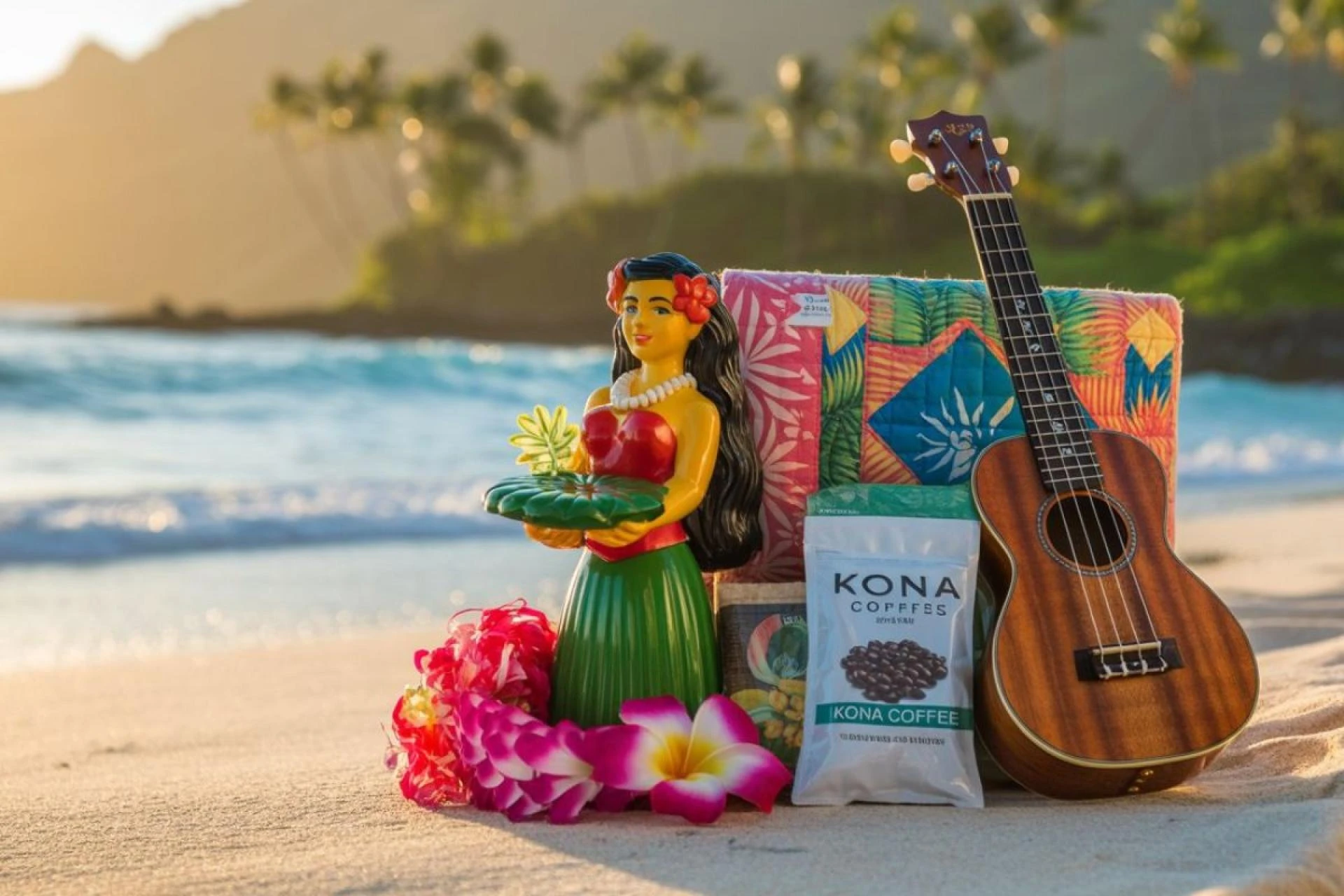

You’ve spent an incredible vacation in Hawaii, soaking up the sun, feeling the sand between your toes, and immersing yourself in the vibrant local culture. Naturally, you want to bring a piece of that aloha spirit home with you. But as you browse the crowded shelves of souvenir shops, a question arises: Is any of this real?
The sad truth is that many "Hawaiian" souvenirs are mass-produced overseas, with no connection to the islands or their people. Bringing home an authentic piece supports local artists and preserves cultural traditions, while a fake often ends up in a landfill.
So, how can you tell the difference? Use this guide to become a savvy shopper and ensure your souvenirs are as genuine as the memories you've made.
1. The Hula Dashboard Girl: A Nostalgic Icon
The bobbling hula girl dashboard figurine for your car is a classic piece of Americana and pop culture, evoking a nostalgic sense of tropical escape. While not a traditional cultural artifact, there's still a difference between a cheap import and a quality, collectible piece.
Genuine/Vintage Vibe: Look for figures made from heavier materials like rubber or ceramic, with detailed, hand-painted features. Authentic vintage pieces from the mid-20th century often have a charming, slightly weathered look. The grass skirt might be made of shredded vinyl or cellophane. The movement should be smooth, not jerky.
Fake/Modern Mass-Produced: These are almost always made of very light, cheap plastic. The paint is often sloppy or poorly defined, and the colors can be overly bright. The skirt is typically a single piece of flimsy plastic. They are extremely lightweight and often sold in blister packs for a few dollars.
Pro Tip: While most are made overseas, you can find modern, higher-quality versions from specialty retro brands. The key is the weight and detail. A good hula girl has a presence; a fake one feels like an afterthought.
Similar Link: Exploring the Stories Behind Hawaii's Most Famous Souvenirs
2. The Flower Lei: A Symbol of Aloha
A lei is more than just a necklace; it's a symbol of affection, celebration, and welcome. The real thing is a fleeting, fragrant work of art.
- Genuine Lei: Made from fresh, fragrant tropical flowers like plumeria, pikake, or orchids. You’ll find them at lei stands in airports, flower shops, or from local vendors. They are soft, moist, and have a natural, heavenly scent.
- Fake Lei: Typically made of plastic, silk, or paper. They are scentless, often overly bright, and sold in sealed plastic bags at generic souvenir stores. While they last forever, they lack the cultural significance and sensory experience of a fresh lei.
Pro Tip: For the most authentic experience, get a fresh lei upon arrival or departure from the airport. It’s a tradition that never gets old.
3. Hawaiian Quilts (Hawaiian Kapa): Stitched with Stories
Hawaiian quilts are stunning works of art, characterized by a single, bold design (often inspired by nature) cut from a large piece of fabric and appliquéd onto a contrasting background. The patterns are deeply symbolic.
- Genuine Hawaiian Quilt: Meticulously hand-stitched or high-quality machine-stitched. The designs are unique and complex. They are often sold in dedicated quilt shops or art galleries and come with a significant price tag that reflects hundreds of hours of work.
- Fake Hawaiian Quilt: Mass-produced with printed-on designs that mimic the appliqué look. The stitching is minimal or non-existent. You'll find these in large chain souvenir stores for a fraction of the price of a true quilt.
Pro Tip: Look for the reverse appliqué stitching on the back of the quilt. A genuine piece will have a beautiful, intricate pattern on the back that mirrors the front.
4. The Food & Drink: Taste the True Flavors
From Kona coffee to macadamia nuts, edible souvenirs are a delicious way to share Hawaii. But not all packages contain what they promise.
- Genuine Kona Coffee: Look for labels that say "100% Kona Coffee." Beware of blends that contain only 10% Kona coffee mixed with cheaper, imported beans. Buy from local farms in the Kona region or reputable specialty stores.
- Genuine Hawaiian Chocolate & Macadamia Nuts: Look for brands that grow and process their products in Hawaii (like Manoa Chocolate or Hamakua Macadamia Nut Company). Avoid generic tins of nuts that simply say "packaged in Hawaii."
5. General Red Flags to Avoid
No matter what you're buying—be it a fine quilt or a fun dashboard doll—keep these rules of thumb in mind:
- The "Made In" Label is King: Turn it over. If it says "Made in China," "Made in Taiwan," or has no label at all, it’s not an authentic Hawaiian product. This is the number one rule!
- Price Too Good to Be True? Authentic, handcrafted art takes time and skill. A $20 "Koa" bowl is almost certainly a fake. Similarly, a high-quality item will have a price that reflects its materials and craftsmanship.
- Where You Shop Matters: Skip the generic malls and international chains. Instead, seek out:
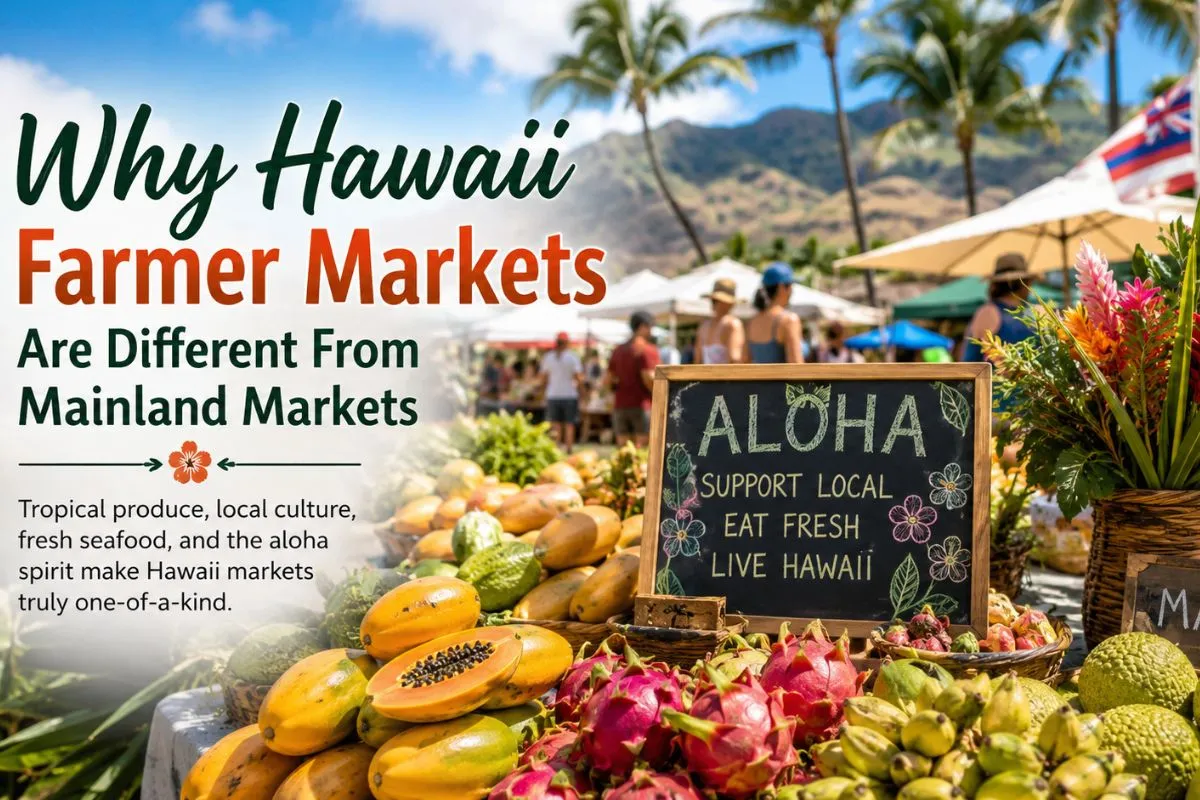
- Local Farmers' Markets: Great for food products, leis, and crafts.
- Artist Galleries & Co-ops: You can often meet the artist.
- Museum Gift Shops: They typically curate high-quality, authentic items.
The Bottom Line: Shop with Intention
Choosing an authentic souvenir isn't just about getting a nicer object; it's about respecting the culture you're visiting. It’s about supporting a local family, an artist, or a farmer. Your purchase becomes a meaningful connection to the islands, carrying a story far richer than any mass-produced trinket ever could. When you choose authentic Hawaii souvenirs, you take home more than an item—you carry a piece of the islands’ heart and heritage.
So, take a little extra time, ask questions, and invest in something real. Your souvenir will be a true treasure, reminding you not just of your trip, but of the spirit of aloha that makes Hawaii so special.
























Sign in to leave a comment.